Author: gl

  • Decluttering Sentimental Items: Practical Tips for a Clutter-Free Life

    Decluttering Sentimental Items: Practical Tips for a Clutter-Free Life

    Decluttering Sentimental Items: Practical Tips for a Clutter-Free Life

    Sentimental items often carry deep emotional value. They remind us of loved ones, cherished moments, and life milestones. However, when they pile up, they can overwhelm our spaces and make it difficult to stay organized. Thankfully, you don’t have to part with all your keepsakes to create a tidier and more intentional home.

    This guide combines practical tips, emotional considerations, and creative organization strategies to help you declutter sentimental items with ease and confidence. By the time you’re finished, you’ll have a space that preserves your most meaningful memories without the chaos.

    Why Decluttering Sentimental Items Matters

    Cluttered belongings can weigh on both your mind and your living space. Sentimental items, while valuable, can pile up quickly, leading to stress and disorganization.

    Decluttering doesn’t mean losing your memories; it encourages you to showcase the best ones and create a space that reflects who you are today.

    By intentionally sorting through these items, you can:

    • Reduce physical and emotional clutter.
    • Focus on the memories that truly matter.
    • Make room for items that support your present life.

    With that in mind, here’s how to approach the process step by step.

    Start Small with Categories

    Starting with a clear plan can make the process less overwhelming. Group your sentimental items into manageable categories, like photos, letters, childhood mementos, or heirlooms:

    • Photos and albums
    • Cards and letters
    • Childhood toys
    • Trophies or awards
    • Family heirlooms

    Focus on one category at a time. For instance, begin with old greeting cards, and sort them into “keep” or “discard” piles based on their significance.

    By working in smaller sections, you keep the process manageable and ensure you don’t get bogged down emotionally or physically.

    Set Boundaries to Control Clutter

    One of the most important steps in decluttering sentimental items is setting clear limits on how much you’ll keep. Boundaries create accountability, making it easier to curate what you truly value while keeping your collection neat.

    Physical boundaries, like a single storage box or one folder per category, help maintain order and prevent over-accumulation. If it’s full, reconsider whether the items inside bring true joy or can be thinned out.

    Focus on What Truly Sparks Joy

    When deciding what to keep, focus on items that bring joy or tell meaningful stories. Ask yourself:

    • Does this item represent a significant memory?
    • Does it still bring me happiness?
    • Would I feel relieved or stressed by letting it go?

    Items associated with guilt or obligation don’t need to stay in your home. It’s okay to honor the memory and move forward without holding onto the physical object.

    For items you’re unsure about, take a picture. This allows you to digitally preserve the memory while letting go of the object.

    Decluttering Sentimental Items: Practical Tips for a Clutter-Free Life

    Organize with Creative Systems

    Creating thoughtful systems ensures your keepsakes stay organized and easy to access. After decluttering, assign items to specific storage solutions that match their size and purpose:

    • Photos: Digitize old photographs and store originals in labeled, acid-free albums.
    • Letters and Cards: Keep sentimental ones in a dedicated binder with clear sleeves, organized by recipient or occasion.
    • Childhood Artwork or Toys: Choose the most special pieces to frame or display, and consider donating the rest.
    • Family Heirlooms: Display select items as decor while storing others neatly in labeled containers.

    Clear systems make it easier to treasure your keepsakes instead of feeling burdened by them.

    Preserve Memories Without Physical Clutter

    If you’re hesitant to part with items, there are creative ways to preserve their sentimental value without keeping the object itself.

    • Digital Archives: Scan photos, letters, and documents to save them electronically.
    • DIY Crafts: Turn old T-shirts, quilts, or ticket stubs into unique keepsakes, such as a blanket or wall art.
    • Memory Journals: Write down the story behind certain items in a scrapbook or journal so the memory lives on, even if the object doesn’t.

    By turning memories into creative projects, you can honor the past while reducing physical clutter.

    Donate or Repurpose Meaningful Items

    Some items, while no longer significant to you, can bring joy or utility to others. Donating or gifting belongings allows you to give them a second life. Pass on heirlooms to family members who will cherish them. You can also donate old toys or baby clothes to local charities and pass books, art supplies, or knick-knacks to friends or neighbors with similar tastes.

    Knowing your items are valued can make the process of letting go feel affirming rather than difficult.

    Reflect and Celebrate Your Progress

    Decluttering sentimental items can be a challenging emotional process, but it’s also a deeply rewarding one. Once you’ve curated and organized your collection, take a moment to reflect on what you’ve kept and why.

    Memories don’t live in objects. They live in you. The belongings you’ve chosen to keep reflect the moments most meaningful to you without overwhelming your space.

    Encourage Yourself Throughout

    Decluttering sentimental items can be emotional, but it’s ultimately about creating a more peaceful and intentional environment for yourself. Keep reminding yourself that memories are within you, not in the object. Go step by step, take breaks as needed, celebrate your progress, and know that it’s okay to hold on to what truly matters to you.

    Take this as your permission to make space for what’s meaningful and to release the rest with gratitude.

    When you’re ready to find your dream home, visit us at SAHomebuilder.com or call 1-855-SAHome1 to explore a wide range of new home opportunities, including quick move-in homes. We proudly offer a diverse selection of new construction homes across Central and South-Central Pennsylvania. Whether you choose to settle in one of our vibrant communities or build on your own land, we’re here to help you find the perfect home that fits your vision.

  • Debt-to-Income: What it is and Why it’s Important

    Debt-to-Income: What it is and Why it’s Important

    Debt-to-Income: What it is and Why it’s Important

    When it comes to buying a home, navigating the financial side of things can be overwhelming, but understanding your debt-to-income (DTI) ratio can make a significant difference. Whether you’re just beginning your homebuying journey or preparing to meet with lenders, knowing what DTI is (and how to manage it) puts you in control.

    This guide will walk you through everything you need to know about the DTI ratio, covering why it matters, how it’s calculated, and actionable tips to improve it. By the end, you’ll be equipped with the knowledge to strengthen your financial profile and move one step closer to your dream home.

    What is the Debt-to-Income Ratio?

    The debt-to-income (DTI) ratio is a financial metric used to compare the total amount of your monthly debt payments to your gross monthly income. Essentially, it’s a snapshot of how much of your income is committed to paying off debts, expressed as a percentage. This ratio helps lenders determine whether you can handle additional debt, like a mortgage, without putting undue stress on your budget.

    How is DTI Calculated?

    Calculating your DTI is straightforward:

    DTI = (Total Monthly Debt Payments ÷ Gross Monthly Income) × 100

    Here’s what the terms mean:

    • Total Monthly Debt Payments include obligations like credit cards, car loans, student loans, and other recurring monthly debts.
    • Gross Monthly Income is the total amount you earn each month before taxes and other deductions.

    Imagine your gross monthly income is $5,000. You spend $1,500 each month on debts, including your car loan, student loan, and minimum credit card payments. Here’s how the formula works:

    DTI = ($1,500 ÷ $5,000) × 100 = 30%

    Your DTI ratio is 30%, meaning that 30% of your monthly income goes toward paying off debts.

    Debt-to-Income: What it is and Why it’s Important

    Why is the DTI Ratio Important for Homebuyers?

    The DTI ratio is a key indicator of your financial health, especially in the eyes of lenders. When you apply for a mortgage, your lender will closely examine your DTI ratio to understand how much financial room you have to take on additional debt.

    How Lenders Use the DTI Ratio

    Lenders use your DTI ratio to assess whether you’re a low-risk or high-risk borrower. A lower DTI ratio indicates that you manage your finances effectively and have more flexibility to commit to a monthly mortgage payment. A higher DTI, however, might signal financial strain, which could limit your loan options or result in less favorable terms.

    Typical DTI Thresholds

    Different loan programs have varying DTI requirements, but here are the thresholds you’re most likely to encounter:

    • Conventional Loans: A DTI of 43% or lower is generally required, although many lenders prefer a number closer to 36%.
    • FHA Loans: These government-backed loans are more lenient, allowing DTIs of up to 50% in some cases.
    • VA Loans: While there’s no strict limit, a DTI above 41% may trigger additional scrutiny.

    Even if you qualify for a mortgage with a higher DTI, bear in mind that it could lead to higher interest rates or less favorable loan terms.

    The Bigger Picture

    Lowering your DTI ratio means more breathing room in your budget, giving you the confidence to cover unexpected expenses without feeling stretched too thin.

    How to Improve Your DTI Ratio

    If your DTI ratio is higher than lenders prefer, there’s good news—there are practical steps you can take to lower it. Improving your DTI can make you a stronger candidate for a mortgage while also boosting your overall financial health.

    1. Reduce Outstanding Debt

    One of the fastest ways to lower your DTI ratio is by paying off debts. Here’s how to get started:

    Focus on High-Interest Debts First: Prioritize paying down high-interest debt, such as credit cards. By doing so, you can reduce both your monthly obligations and the total interest you’ll pay over time.

    Consolidate or Refinance Loans: If you have multiple loans, consolidating them into a single, lower-interest loan can simplify payments and reduce your DTI. Likewise, refinancing options for car loans or student loans may help lower your monthly payment amounts.

    Make Extra Payments: When possible, put extra money toward your debt balances. Even small additional payments can accelerate payoff timelines and reduce your financial liabilities.

    Avoid New Debts: While preparing to buy a home, hold off on opening new credit accounts or taking out loans. New debts will increase your DTI ratio and could complicate the mortgage approval process.

    2. Increase Your Income

    Boosting your income is another way to improve your financial position and, by extension, your DTI ratio.

    Explore Side Hustles: Consider taking on freelance work, picking up gigs in your spare time, or monetizing hobbies. Even an extra $200–$500 per month can make a significant impact.

    Negotiate a Raise: If you’ve excelled in your current role, schedule a meeting with your employer to discuss salary adjustments. A higher paycheck means more room in your budget for existing obligations.

    Leverage Passive Income: Explore opportunities for passive income, such as rental property income, selling digital products, or investments with consistent returns.

    3. Reevaluate and Set Goals

    Track Progress: Revisit your DTI ratio every couple of months to assess progress. Adjust monthly goals to stay on track both for debt reduction and income gains.

    Celebrate Small Wins: Paid off a credit card? Successfully negotiated a raise? Celebrate these milestones to stay motivated.

    4. Delay Major Purchases

    Avoid taking on large financial obligations, such as financing a car or making big-ticket purchases, before you buy a home. These unnecessary expenses can increase your monthly debts and make it harder to meet lenders’ DTI expectations.

    Taking Control of Your DTI and Preparing for Homeownership

    Your debt-to-income ratio is more than just a number that lenders evaluate. It’s a tool for understanding your financial situation and what you can afford. A healthy DTI ratio gives you the confidence to take on a mortgage while maintaining a comfortable lifestyle.

    Now that you know the importance of the DTI ratio and how to manage it, you’re one step closer to achieving your dream of homeownership.

    At S&A Homes, we invite you to explore our wide range of thoughtfully designed homes, crafted to meet the needs of homebuyers across Central and South-Central Pennsylvania. Whether you’re looking for flexible financing options, quick move-in homes, or the opportunity to build on your own land, we’re here to help make your dream home a reality.

    Explore our financing options, quick move-in homes, and build on your land opportunities. Connect with us today by calling (855) SAHOME1 or visiting SAHomeBuilder.com. Let us help you find the perfect place to call home!

  • Why Buy a Townhome?

    Why Buy a Townhome?

    Why Buy a Townhome?

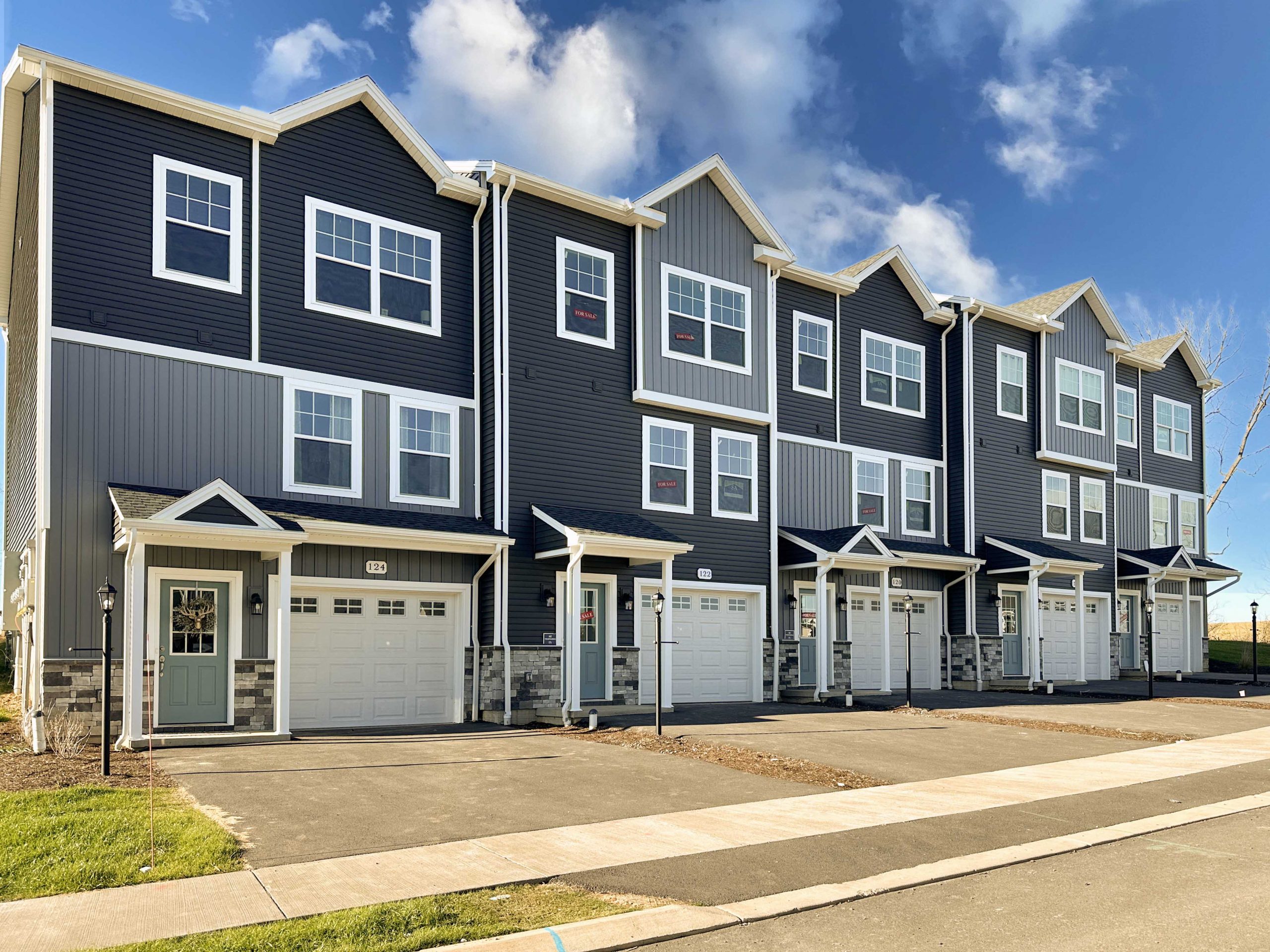
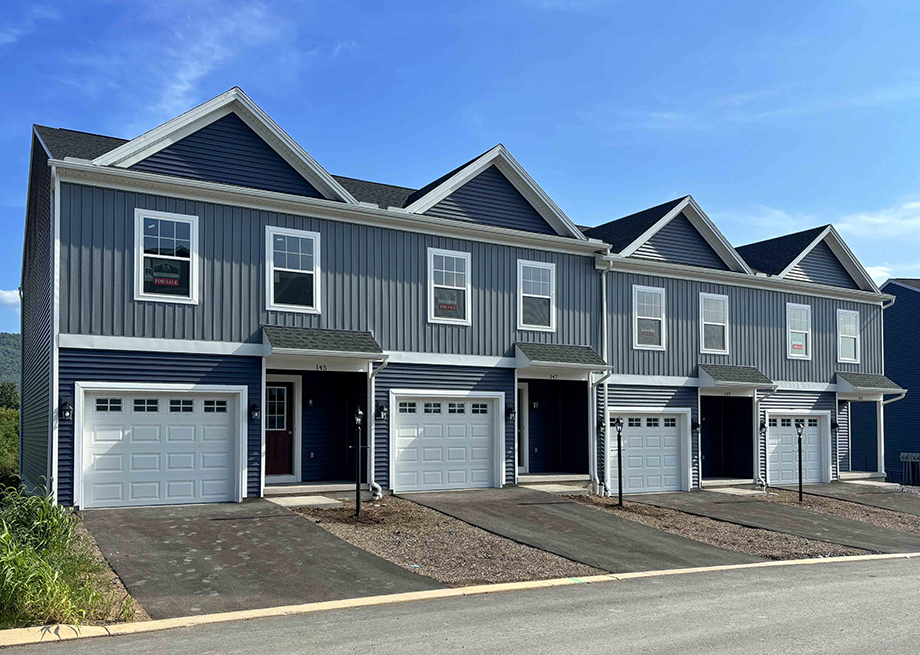
    For many homebuyers, townhomes offer the perfect middle ground between apartments and single-family homes. They provide the space and ownership perks of a house while requiring less maintenance and coming at a more affordable price tag. Whether you’re a first-time buyer, a young family, or an empty nester, a townhome could be ideal.

    Let’s discuss why townhomes are becoming increasingly popular and why they might be the perfect choice for you.

    Affordability and Value

    One of the main reasons buyers choose townhomes is their affordability compared to single-family homes. Townhomes usually cost less per square foot, making it easier for buyers in competitive markets to own property in desirable locations.

    Lower Costs to Start

    Townhomes tend to have a smaller footprint than single-family homes, leading to a lower purchase price. While prices vary by market, townhomes are often the most affordable way to become a homeowner. They provide similar living space spread across multiple levels, especially in cities where land is expensive.

    Lower Property Taxes and HOA Benefits

    Because townhome lots are smaller, property taxes are generally lower. While HOA (Homeowners Association) fees are extra costs, they often cover services like landscaping, snow removal, and exterior maintenance, saving you time and money over time.

    Built-In Features Add Value

    Many newer townhomes come with features like energy-efficient windows, granite countertops, and stainless steel appliances. These upgrades would often cost more in a single-family home at the same price. This means buyers can avoid renovation costs and move in right away.

    Enjoy a Low-Maintenance Lifestyle

    Townhomes make homeownership easier by reducing maintenance responsibilities. A townhome could be the perfect option if you don’t want to deal with yard work, snow removal, or exterior repairs since these tasks are often managed by the HOA.

    Exterior Maintenance Made Simple

    Most townhome HOAs take care of common maintenance tasks like lawn care, gutter cleaning, and roof repairs. This is ideal for busy homeowners or anyone who wants to enjoy their home without the hassle of upkeep.

    Low Maintenance, High Convenience

    Townhomes require less upkeep than single-family homes, especially for outdoor spaces. If you work long hours, travel often, or want to spend your free time relaxing, this low-maintenance option is a great fit.

    Close to Everything You Need

    Townhomes are often located in urban or suburban areas with easy access to public transportation, restaurants, and entertainment. A shorter commute and nearby amenities can make life more convenient and enjoyable.

    Why Buy a Townhome?

    Customization and Personal Freedom

    Townhomes offer a great balance between independence and community. Unlike condos, which often have strict rules on changes, townhomes give you much more freedom to make it your own.

    Freedom to Customize

    With a townhome, you can personalize your space inside and out. Want to paint your front door a bright color or add a patio to your backyard? These updates are usually much easier to do with a townhome than with a condo, where rules are often stricter.

    Your Own Outdoor Space

    A big advantage of townhomes is having a small yard or garden. Whether you want to host a barbecue, grow vegetables, or just enjoy some time outside, a townhome gives you the space to do it your way.

    Private Garage and Extra Storage

    Most townhomes come with an attached garage, giving you secure parking and extra storage. It’s also a great spot to set up a workshop or hobby area if you need one.

    Stability, Security, and Community

    Townhomes offer a strong sense of community that’s often harder to find with single-family homes. They’re also a smart financial choice, providing stability, equity-building opportunities, and long-term investment value compared to renting.

    Close-Knit Communities

    Townhomes are built close together, making it easier to connect with neighbors. For families, this creates a safe, supportive environment for kids to play. For seniors, it adds valuable social interaction.

    Added Security

    Living in a townhome often feels safer thanks to close neighbors and shared spaces. Many communities also include gated entrances or other security features, giving residents peace of mind.

    Stable Costs

    Owning a townhome means you avoid the rising rent prices common in urban areas. Instead, you’ll have a predictable mortgage payment, making financial planning simpler.

    Build Equity Over Time

    While townhomes may not increase in value as quickly as single-family homes, they still help you build equity. This makes them a great option for first-time buyers looking to move from renting to owning.

    Ideal for Seniors and Travelers

    Townhome communities are often designed for seniors or frequent travelers. With low-maintenance living and the added security of a close community, townhomes are a practical and comfortable choice for these groups.

    Key Considerations

    Every housing option comes with its own set of trade-offs, and townhomes are no exception. While lot sizes may offer less exterior space, this feature often aligns with the low-maintenance lifestyle that many buyers find appealing.

    Evaluate Noise Levels Carefully

    Noise can be a potential concern when sharing walls with neighbors. For those who prioritize a quiet living environment, it is advisable to assess the build quality of the property and review HOA regulations within the community before making a decision.

    Consider HOA Fees and Regulations

    While HOA services provide significant benefits, they also come at a cost. HOA fees can vary considerably based on the services and amenities offered, typically ranging from $100 to $300 per month. HOAs may also impose restrictions on property modifications or activities. It’s important to review HOA guidelines thoroughly to ensure they align with your preferences and lifestyle.

    Is it Time to Consider Townhome Living?

    If you’re seeking a home that balances affordability, convenience, and the benefits of homeownership, a townhome might be your perfect match. From the financial savings to the sense of community, townhomes provide excellent value for homebuyers at all stages of life.

    Whether you’re a first-time buyer, a downsizer, or simply someone looking for a change, townhomes provide a practical yet stylish solution to modern living.

    When you’re ready to buy a new home, visit us at SAHomebuilder.com or call 1-855-SAHome1 to learn more about new townhome communities throughout State College and Bellefonte. We’re sure you’ll be able to find the right home for your lifestyle.

  • Secrets to Summer Entertaining

    Secrets to Summer Entertaining

    Secrets to Summer Entertaining

    Summer is the perfect time to make memories with friends and family, and hosting a backyard gathering is a great way to do it. Planning a summer party doesn’t have to be stressful. With a simple approach, you can create a fun and memorable experience for your guests while keeping things easy for yourself.

    This guide covers everything you need for summer entertaining, from setting up the space to organizing food and drinks. By the end, you’ll be ready to host with confidence.

    Crafting the Perfect Summer Atmosphere

    Creating a welcoming atmosphere sets the stage for a great party. You don’t need to go overboard—small, thoughtful details can turn your backyard into the perfect summer retreat.

    Add Summer Colors to Your Decor

    Choose light, bright colors that embody summer. Think ocean blues, fresh greens, and soft pastels. Use these shades in tableware, napkins, and decorations to tie the look together.

    Incorporate Seasonal Elements

    Enhance your space with summer-inspired touches. Fresh flowers like hydrangeas or tropical blooms such as hibiscus add vibrancy, while seashells or woven linen tablecloths bring texture and a natural feel.

    Add Soft Lighting

    Use string lights, fairy lights, or candles to create warm, soft lighting. This makes the space cozy and inviting, especially as the sun sets. Citronella candles are a great option to keep bugs away while maintaining the atmosphere.

    Ensure Comfortable Seating

    Provide enough seating for everyone, mixing chairs, benches, or floor cushions to keep things casual and comfortable. Add side tables to hold drinks and snacks for convenience.

    Provide Shade and Relief from the Sun

    Make sure there are shaded areas to help guests escape the heat. Use umbrellas, pop-up tents, or set up a lounge area for a cool, relaxing spot.

    Planning the Perfect Menu

    A summer party isn’t complete without great food and drinks. Keep it simple and stress-free with these tips:

    Plan Ahead

    Prepare recipes in advance that are easy to store and serve. This saves time on the day and keeps you out of the kitchen.

    Choose Heat-Friendly Dishes

    Go for dishes that hold up well in the heat, like grilled veggies, antipasto platters, fresh salads, or fruit skewers.

    Have Snacks Ready

    Welcome guests with snacks as soon as they arrive. A grazing board with veggies, dips, and light charcuterie is always a crowd-pleaser.

    Batch Cocktails and Drinks

    Drinks are a key part of summer entertaining, and making cocktails or mocktails in advance means you won’t spend the evening mixing drinks. Keep beer, wine, and non-alcoholic options cold in a cooler or drink station for easy access.

    Be Mindful of Dietary Needs

    Ask guests about dietary restrictions ahead of time. Offering gluten-free, vegetarian, or dairy-free options shows you care.

    Secrets to Summer Entertaining

    Entertainment and Activities

    Keep your guests entertained with activities everyone will enjoy.

    Outdoor Games

    Games like cornhole, giant Jenga, badminton, or bocce ball are great for adding energy and fun to any summer party.

    Set the Mood with Music

    Make a playlist ahead of time to avoid scrambling for songs during the party. Choose music that fits the vibe, relaxed acoustic tracks or upbeat summer hits. Start the playlist as guests arrive to create the right atmosphere immediately.

    Activity Zones

    If kids are coming, set up a space with activities like scavenger hunts or craft stations. Create separate areas for adults to relax and for kids to unwind when needed.

    Pre-Event Preparation Tips

    Planning is the key to stress-free entertaining.

    Prep Your Space

    Clean your backyard or hosting area the day before. Make sure pathways are clear, the grass is trimmed, and furniture is set up.

    Get Everything Ready in Advance

    Buy groceries and supplies ahead of time. Stick to a prep schedule so your food, drinks, and decor are ready when needed.

    Ask for Help

    Don’t do it all yourself; ask family or friends to help with tasks like grilling, refilling drinks, or setting up. Most people are happy to pitch in if you ask.

    Make Clean-Up Easy

    Place trash bins around to encourage guests to throw away waste. Use disposable tableware and have containers ready for leftovers to simplify cleaning up after the party.

    Keeping Safety Top of Mind

    Don’t overlook safety during your gathering. A few precautions to ensure everyone has a great time without any hitches include the following steps:

    Food Safety and Storage

    Avoid cross-contamination by using separate utensils and plates for raw and cooked foods. Keep food requiring refrigeration cool and store leftovers promptly.

    Grill Safety

    Set up the grill away from flammable materials and ensure it’s monitored while in use.

    Hazard-Free Zones

    If children or pets will be present, check for potential hazards like sharp tools or open flames.

    Simplify Summer Entertaining

    Summer entertaining should be simple and enjoyable. You don’t need everything to be perfect; just a cozy space, great food, and good company.

    With the tips above, your next backyard gathering can be fun, easy, and stress-free. Take time to enjoy the laughter, savor the summer flavors, and make the most of the season.

    S&A Homes proudly offers a wide selection of new home communities and customizable floorplans in some of the most desirable locations across Central and South-Central Pennsylvania. Have your own land? We can help bring your dream home to life there, too! Learn more by visiting www.sahomebuilder.com or call us today at 1-855-SAHome1.

  • Relocating for Work? Take These Steps

    Relocating for Work? Take These Steps

    Relocating for Work? Take These Steps

    Relocating for work can be challenging. Whether it’s for a promotion, a new role, or your dream job, moving to a new city or state comes with both exciting opportunities and big adjustments. Managing the logistics of moving while keeping up with work responsibilities takes careful planning and flexibility.

    The good news? With the right preparation, you can make your move smooth and stress-free. This guide covers everything you need to know, from accepting your new role to settling into your new home, so you can start this new chapter with confidence.

    Pre-Move Planning

    The key to a successful relocation starts well before moving day. Before you pack a single box, map out your strategy to ensure a smooth transition. Here’s how to prepare:

    Financial Preparation

    Negotiate a Relocation Package: Relocating for a job can be costly, so it’s important to talk to your employer about relocation benefits. Many companies offer packages that cover moving expenses, temporary housing, or help with selling your home. If these benefits aren’t offered upfront, don’t be afraid to negotiate. A good relocation package can make the process much more affordable.

    Compare the Cost of Living: Moving to a new city often means adjusting to a different cost of living. Websites like Numbeo can help you check housing costs, grocery prices, and other essentials. Make sure your new salary can cover these expenses while leaving room for savings and leisure.

    Don’t forget to plan for immediate costs like security deposits, groceries, and transportation during your first few weeks. Moving to a different state may also mean dealing with new tax laws that could affect your paycheck or deductions. A tax advisor can help you prepare.

    Updating your budget is an important part of planning your move.

    Home Considerations

    Decide What to Do With Your Current Home: If you own your home, decide whether to sell it, rent it out, or use it as a vacation property. If you decide to sell, work with a local real estate agent to make the process easier.

    Choose to Rent or Buy in Your New City: Depending on your needs and timeline, renting can be a good temporary option. It gives you time to explore the area before committing to buying. If you’re ready to buy, partner with a local agent to find homes that fit your budget and career goals. Be sure to consider location, especially proximity to work and access to public transportation.

    The Moving Process

    Managing the logistics of your relocation can make all the difference. Here’s how to stay organized:

    Time Management

    Make a Checklist: Break your move into simple tasks with a clear timeline. Include things like notifying landlords, transferring utilities, and updating your address with banks and other institutions. Use apps like Trello or Todoist to stay on track.

    Set Realistic Deadlines: Give yourself enough time to tackle key tasks. Take care of big items ahead of time so the final days before your move are less stressful.

    Decluttering and Packing

    Declutter Before Packing: Moving is the perfect time to get rid of unnecessary items. Donate clothes, sell unused furniture, and toss anything broken or outdated. This will reduce what you have to move and save costs.

    Pack Smart: Label boxes clearly to make unpacking easier. Group items by room and add brief descriptions (e.g., “Kitchen – Plates and Glasses”). Pack a box of essentials for your first few days, like toiletries, medications, and important documents.

    Use Technology

    Stay Organized with Apps: Apps like MoveAdvisor can help you track inventory, schedules, and documents. For work setup, tools like Zoom and Slack can keep you connected during the transition.

    Prepare Office Equipment Early: If you work remotely, prioritize setting up your home office. Test your Wi-Fi, arrange ergonomic furniture, and have a backup plan for tech issues.

    Relocating for Work? Take These Steps

    Settling Into Your New Life

    Moving to a new city can be exciting but also overwhelming. Here’s how to settle in more easily:

    Getting to Know Your Community

    Explore Your Surroundings: Spend some time getting familiar with your new city. Check out local cafes, parks, and landmarks. It’s a great way to feel connected to your new environment while having fun.

    Join Local Groups or Events: Websites like Meetup and Eventbrite make it easy to find local events or groups that match your interests. Joining these can help you meet new people and settle in faster.

    Building Your Social Circle

    Grow Your Professional Network: Connect with coworkers and attend networking events to build relationships in your field. LinkedIn is also useful for finding industry-specific groups in your area.

    Stay in Touch with Old Friends: Don’t forget about the relationships you already have. Schedule regular video calls or visits to stay connected with friends and family back home.

    Taking Care of Yourself

    Be Patient with the Adjustment: Settling in takes time, so don’t rush it. It’s normal to feel out of place at first, but those feelings will fade as you get more comfortable.

    Take Care of Your Mental Health: Moving can bring emotional challenges. Don’t hesitate to talk to a friend, join an online support group, or seek help from a counselor if needed. Your emotional well-being is important.

    Keys to Successfully Relocating for Work

    Relocating for work requires planning, using resources wisely, and staying flexible. If it feels like too much to handle, a relocation specialist can simplify the process. With good preparation and a positive outlook, you can make your work move a chance to succeed.

    When you’re ready to buy a new home, visit us at SAHomebuilder.com or call 1-855-SAHome1 to learn more about new home opportunities, including quick move-in homes and or build on your land opportunities. With a diverse selection of new construction homes throughout Central and South-Central Pennsylvania, we’re sure you’ll be able to find the home of your dreams. 

  • Questions to Ask Yourself Before Buying a Home

    Questions to Ask Yourself Before Buying a Home

    Questions to Ask Yourself Before Buying a Home

    Buying a home is one of the biggest financial decisions you’ll ever make. Whether it’s your first home or a new move, the process can bring questions, uncertainties, and excitement. The key to making the right choice is asking the right questions and assessing if you’re truly ready for homeownership.

    This guide will cover the most important questions you should ask yourself to help you feel confident and prepared to take the step into owning a home.

    Are You Financially Prepared to Buy a Home?

    The first step to buying a home is making sure your finances are in good shape. It’s not just about covering the down payment; you need to evaluate your overall financial stability.

    1. Do You Have a Stable Income?

    Is your income steady, and can you count on it in the long term? Lenders prefer borrowers with consistent income, as it ensures you’ll be able to afford your mortgage payments.

    2. How’s Your Credit Score?

    Your credit score is key to getting approved for a mortgage and locking in a good interest rate. A score of 620 or higher is typically needed for a conventional loan, but a score above 700 can qualify you for better rates. If your score is lower, an FHA loan might be an option, though it often comes with higher costs.

    3. Can You Afford More Than Just the Mortgage?

    Owning a home comes with more than just a monthly mortgage payment. Use the 28/36 rule to gauge affordability: no more than 28% of your gross monthly income should go to housing costs, and total debt shouldn’t exceed 36%. Don’t forget to budget for:

    • Property taxes
    • Homeowners insurance
    • HOA fees (if applicable)
    • Maintenance and repairs

    Taking the time to crunch the numbers now can help you avoid financial stress later.

    Questions to Ask Yourself Before Buying a Home

    Does Homeownership Fit Your Lifestyle?

    Buying a home isn’t just about money; it’s a big lifestyle decision. It’s important to make sure homeownership fits your current lifestyle and future goals.

    1. What Are Your Long-Term Plans?

    Do you plan to stay in the area for at least five years? Buying a home works best for people who are ready to settle down, as moving frequently can reduce your equity and increase costs.

    2. What Kind of Home and Neighborhood Do You Want?

    Are you looking for a single-family house, townhouse, or condo? Do you prefer living in the city, suburbs, or a rural area? Think about your day-to-day needs and future plans:

    • Is being close to work or school important?
    • Do you need access to public transportation or nearby parks and restaurants?
    • Does the neighborhood fit the lifestyle you want?

    3. Should You Rent Instead?

    Choosing between buying and renting depends on your situation. Renting gives you flexibility and avoids long-term commitments. But if you’re ready to build equity and want a more permanent home, buying could be the better choice.

    Do You Understand Your Mortgage and Loan Options?

    Navigating mortgage options can feel overwhelming, but knowing the basics can make a big difference for your financial future. Here are the questions you should ask yourself:

    1. How Much Down Payment Can You Afford?

    The standard down payment is often thought to be 20%, but there are options for as little as 3% (with conventional loans) or even 0% (with VA or USDA loans). Keep in mind, smaller down payments may require private mortgage insurance (PMI), which will add to your monthly costs.

    2. What Loan Term Should You Choose?

    A 15-year mortgage has higher monthly payments but lower interest rates, helping you pay off your home faster and save money on interest. On the other hand, a 30-year mortgage spreads payments out, making them smaller but adding more interest over time. Pick the term that best fits your financial situation and goals.

    3. Fixed-Rate vs. Adjustable-Rate Mortgage?

    • Fixed-rate mortgages keep the same interest rate for the entire loan, offering stability. They’re a good choice if you plan to stay in your home long-term.
    • Adjustable-rate mortgages (ARMs) start with a lower rate that can change after a set period. They’re better for short-term plans but carry the risk of fluctuating rates.

    Understanding these options will help you choose a mortgage that works for your budget and future plans.

    Have You Considered the Risks?

    Owning a home has its benefits, but it’s important to understand the risks before committing.

    1. Are You Ready for Market Changes?

    Home values go up and down depending on the economy. If the market drops, your home’s value—and your equity—could decrease, making it harder to sell or refinance.

    2. Can You Manage a Mortgage?

    A mortgage is a big, long-term commitment that can last decades. Make sure it fits comfortably into your budget and financial plans.

    3. Have You Looked into Tax Benefits?

    Homeownership comes with possible tax perks, like deductions for mortgage interest and property taxes. Talk to a tax expert to see how these could work for you.

    Take the Next Step with Confidence

    Buying a home is a major milestone, but it’s important to be fully prepared. Asking yourself the right questions can help you make a decision that fits your financial goals and lifestyle.

    When you’re ready to move forward, consider speaking with a financial advisor or mortgage professional to help guide you through the process. With the right planning, your dream home could be closer than you think.

    At S&A Homes, we’re dedicated to helping first-time homebuyers and growing families find the perfect space to call their own. We build new home communities throughout Central and South-Central Pennsylvania. Learn more about our quick move-in homes and build on your land opportunities, by calling call 1-855-SAHome1 or visiting us online at SAHomeBuilder.com.

  • How to Find Your Interior Design Style

    How to Find Your Interior Design Style

    How to Find Your Interior Design Style

    Your home is your sanctuary—a place that reflects your personality, lifestyle, and what makes you happy. Figuring out your interior design style is the first step to creating a space that feels truly yours. But with so many styles out there, it can be tough to know where to begin.

    Whether you like clean, minimalist spaces, bold boho designs, or the classic charm of traditional decor, the key to finding your interior style isn’t about strict rules—it’s about discovering what feels right for you. This blog will help you explore popular design styles, identify your preferences, and combine elements to create a home you’ll love.

    A Guide to Interior Design Styles

    Before choosing your ideal style, it helps to understand the key features of popular interior design trends. Each style has a unique mix of furniture, colors, materials, and decor elements that make it stand out.

    Transitional Design

    Transitional design blends traditional elegance with a contemporary touch. It includes curved furniture, clean lines, and versatile materials like wood, steel, and lacquer. Accessories are kept minimal for a balanced look.

    Traditional Design

    Traditional design is all about timeless sophistication. It features dark wood furniture, rich fabrics like silk and velvet, and ornate details inspired by 18th and 19th-century English and French styles. Symmetry and grandeur are key elements.

    Minimalist Design

    Minimalist design, inspired by the Japanese mantra “less is more,” emphasizes clean lines, simple shapes, and neutral color schemes. Furniture is functional, often with hidden storage, to create a tidy and uncluttered space.

    Scandinavian Style

    Scandinavian design focuses on light, airy spaces with cozy touches. It features white walls, light woods, soft pastels, and simple, functional furniture. It embodies the concept of “hygge,” or cozy living.

    Mid-Century Modern

    Mid-century modern design is known for its sleek, retro-inspired furniture and vibrant colors. It often includes rich woods like teak and bold textiles, perfect for fans of clean lines and vintage charm.

    Bohemian

    Bohemian (boho) style is vibrant and eclectic, combining bold patterns, bright colors, and natural materials like rattan and bamboo. The focus is on layering textures and elements to create a relaxed, lived-in feel.

    These are just a few popular styles, with many others like art deco, industrial, coastal, and modern farmhouse. Explore them to find the one—or mix—that speaks to you.

    Understanding Your Preferences and Lifestyle

    Interior design is more than just how things look; it’s about creating a space that works for your life. Here’s how to figure out what suits you best.

    1. Discover What Inspires You

    Pay attention to the furniture, artwork, and spaces you love. Save images on Pinterest or Instagram, or create a mood board to gather your favorite styles and designs.

    2. Spot the Patterns

    Look through your saved inspiration and notice any common themes. Do you prefer clean, modern designs or cozy, layered textures? Are you drawn to neutral colors or bold, vibrant accents? Recognizing these patterns will help you identify your style.

    3. Consider Your Lifestyle

    Think about how you use your space:

    • Host frequent gatherings? Go for open layouts and durable furniture.
    • Decorating a small space? Choose multi-functional furniture with storage.
    • Have kids or pets? Pick stain-resistant and low-maintenance materials.

    Your home should make your life easier, not harder.

    4. Choose Colors and Materials You Love

    Do you prefer bright, airy spaces or dark, cozy ones? Are you drawn to sleek metals like chrome, or do you prefer rustic materials like reclaimed wood? Knowing your preferences will help you focus on a design style that feels right for you.

    5. Try a Quiz

    Still unsure? Online quizzes, like the Designer Society of America’s Interior Design Style quiz can be a quick and fun way to pinpoint the aesthetic that suits you.

    6. Follow Your Instincts

    At the end of the day, your style is about what makes you happy. Don’t be afraid to break the rules or mix different styles if it feels true to you.

    How to Find Your Interior Design Style

    Combining Styles to Match Your Personality

    Love more than one design style? No problem! Mixing styles can create a unique look that reflects who you are. Here’s how to do it without overwhelming your space:

    Start with a Main Style

    Pick one dominant style to set the tone for your space. This will act as your foundation. For example, you might love the simplicity of Scandinavian design but want to bring in bold Bohemian accents.

    Add Contrasting Elements

    Incorporate elements from other styles to add variety. For instance, pair mid-century modern furniture with industrial lighting, or add traditional moldings to a minimalist space.

    Keep It Cohesive

    To avoid a cluttered look, stick to a consistent color palette or material theme. Neutrals and natural materials can help tie everything together.

    Create Balance

    Make sure every style choice feels intentional. For example, an industrial coffee table can complement softer, modern furniture if the proportions are balanced.

    Resources for Further Inspiration and Guidance

    Finding your interior design style is a creative process that takes time, but there are tools and resources that can help along the way.

    • Social Media: Follow designers and influencers on Instagram or explore themed mood boards on Pinterest for inspiration.
    • Showrooms and Stores: Visit furniture stores, home décor shops, or model homes to see different styles and textures in person.
    • Mood Boards: Create a collection of pictures, swatches, and design elements that you like. Use tools like Canva or go old-school with a physical board.
    • Work with a Designer: Still unsure? A session with an interior designer can give you valuable insights to define your style.

    Make Your Home Uniquely You

    Your interior design style is an expression of your personality, preferences, and the life you want to create. Whether you’re drawn to modern simplicity, bohemian creativity, or a mix of styles, the goal is to design a space that resonates with you.

    Don’t rush the process! Take your time exploring, experimenting, and finding pieces that you love. After all, the best homes aren’t just beautiful; they tell a story.

    Ready to start fresh in a new home? S&A Homes builds new home communities throughout Central and South-Central Pennsylvania. Learn more about new home opportunities, including quick move-in homes and build on your land opportunities, by calling 1-855-SAHOME1 or visiting us online at SAHomeBuilder.com.

  • Should You Buy a Single-Family Home?

    Should You Buy a Single-Family Home?

    Should You Buy a Single-Family Home?

    Buying your first home is a big milestone, and for many, a single-family home feels like the ideal option. With its privacy, space, and the freedom to make it your own, it’s no surprise that many first-time buyers gravitate toward this choice.

    But is a single-family home the right fit for your lifestyle? In this blog, we’ll cover the main benefits and challenges of single-family homes, the financial factors to consider, and how to decide if this type of property suits your goals. By the end, you’ll have a better understanding of whether it’s the right choice for you.

    What is a Single-Family Home?

    A single-family home is a detached house built for one household. It includes both the house and the land it’s on, without shared walls, utilities, or entrances with other homes. This type of property provides privacy, more space, and full control over the home and yard, making it a great choice for families.

    Now that we’ve defined what a single-family home is, let’s explore its benefits.

    Benefits of Single-Family Homes

    Single-family homes are often seen as the gold standard for homeownership. Here are some reasons why they’re so popular:

    1. Privacy and Space

    A major benefit of a single-family home is privacy. Without shared walls or neighbors right next door, you can enjoy your space without worrying about noise. Single-family homes typically offer more interior and exterior space compared to condos or townhouses. Larger living areas, additional bedrooms, garages, and private yards are ideal for growing families or those with pets. If you anticipate your family expanding in the coming years, this extra space can be invaluable.

    2. Investment Potential

    Single-family homes usually increase in value more than other types of properties. Owning one helps you build equity, adding to your financial stability over time. By keeping the property in good condition and making smart upgrades, you can boost its market value even more.

    3. Freedom to Customize

    Unlike condos or homes in an HOA (Homeowners Association), single-family homes offer more freedom to make changes. Want to renovate the kitchen, add a deck, or rebuild the garage? It’s completely up to you. You can customize your home to fit your needs and style without any restrictions.

    4. Potential for Expansion

    As your family grows, a single-family home gives you room to expand. You can add a bedroom, finish the basement, or even build a second story. These homes offer the flexibility to adapt to your changing needs.

    Challenges of Owning a Single-Family Home

    While the benefits of single-family homes are attractive, there are some challenges worth thinking about before you take the plunge.

    1. Higher Costs and Maintenance

    Single-family homes usually come with higher upfront costs, including a larger down payment and closing fees. Ongoing expenses, such as property taxes, mortgage payments, insurance, and utility bills, also tend to be higher compared to other property types. Plus, all maintenance and repairs fall solely on you, which means budgeting for unexpected home repairs is essential. Unlike condos that may come with on-site staff to handle repairs, single-family homeowners must invest their own time, effort, or money in upkeep. For some, the time and effort required might outweigh the benefits.

    2. Potential Location Limitations

    Single-family homes are often found in suburban or rural areas, away from busy city centers. These locations usually provide more space and quiet but can mean longer commutes, fewer amenities, and limited public transit options.

    3. Lack of Shared Amenities

    Some condos and townhouse communities may have access to shared amenities like pools, gyms, or clubhouses. With a single-family home, these amenities typically aren’t included—you’ll need to add or build them yourself, which means extra costs.

    Should You Buy a Single-Family Home?

    Does a Single-Family Home Align With Your Lifestyle?

    Before deciding on a single-family home, ask yourself these questions to see if it’s the right choice for you:

    • Do I plan to stay in one place for a while? If you’re planning to stay in the same area for at least 5 to 7 years, buying a single-family home could make more financial sense compared to renting.
    • Am I ready for maintenance? Owning a home means taking care of repairs and upkeep. If you’re comfortable with DIY projects or hiring help, this responsibility might not feel overwhelming. If not, you may want to consider a property with less maintenance.
    • Do I need more privacy and space? Single-family homes are ideal if you want your own space without the noise or closeness of shared living.
    • Can I afford it? Make sure your budget can handle the costs of owning a home, including mortgage payments, taxes, and repairs.

    Is a Single-Family Home Right for You?

    Buying a single-family home is an exciting and personal decision. It gives you privacy, space, investment opportunities, and the freedom to make the house your own. However, it also comes with responsibilities, maintenance, and costs that need careful consideration.

    Before taking the next step, evaluate your finances, research your ideal location, and think about your long-term priorities. With this preparation, you’ll be ready to make a confident decision.

    When you’re ready to buy a new home, visit us at SAHomebuilder.com or call 1-855-SAHome1 to learn more about new home opportunities, including quick move-in homes. We offer a diverse selection of new construction homes throughout Central and South-Central Pennsylvania. Whether you buy in one of our new home communities or build on your land, we’re sure you’ll be able to find the home of your dreams. 

  • What Makes a Good Neighbor?

    What Makes a Good Neighbor?

    What Makes a Good Neighbor?Ever heard the saying, “A good neighbor is a priceless treasure”? Whether you’re new to the neighborhood or have lived there for years, the relationships you have with your neighbors can make a huge difference in how happy and connected you feel. But what does being a good neighbor really mean, and why does it matter?

    When neighbors show each other respect, kindness, and thoughtfulness, it creates a friendly, supportive community where everyone feels safe and welcome. If you’re a homeowner looking to connect more with those around you—or just want to set a positive example—this guide will break down what it takes to be a great neighbor, why it’s worth it, and some simple ways to make a difference in your community.

    The Key Qualities of a Good Neighbor

    1. Friendliness and Approachability

    A friendly attitude goes a long way in building connections. Being approachable and genuinely warm can break the ice even with the most reserved individuals. Greet your neighbors with a smile, wave hello when you see them, and make an effort to engage in small conversations when the opportunity arises.

    Friendly neighbors set the tone for positive relationships and create an inviting atmosphere within any community. Whether it’s offering a kind word or remembering someone’s name, these small gestures of friendliness can make all the difference.

    2. Respectfulness

    Respect is a foundational aspect of every successful relationship, including those with neighbors. It’s essential to respect their privacy, personal space, and lifestyle choices, such as religious beliefs or profession.

    Take the time to understand boundaries and cultural or personal differences. Avoid actions that might make neighbors uncomfortable (e.g., peering into their yard or consistently parking in their preferred spot). Your acknowledgment of personal boundaries fosters mutual respect.

    3. Maturity in Handling Differences

    Disagreements between neighbors happen, but good communication can turn them into chances to understand each other better. Whether it’s about a property line, a noisy pet, or a shared driveway, great neighbors tackle issues with respect and calmness. Instead of gossiping or arguing, they focus on finding solutions together. This approach builds trust and helps create stronger, lasting relationships.

    4. Trustworthiness and Reliability

    Trust is a two-way street in any relationship, and being a reliable neighbor is a great way to earn respect. Whether it’s grabbing your mail while you’re away or keeping an eye out for anything unusual, being trustworthy helps everyone feel safer. You don’t have to say “yes” to every favor, but being honest and following through on promises can go a long way in building a friendly, supportive community.

    5. Helpfulness and Willingness to Lend a Hand

    A good neighbor is always ready to lend a helping hand when you need it. Whether it’s pitching in with yard work, helping carry heavy packages, looking after pets while you’re away, or just keeping an eye on your place, these small acts of kindness go a long way in building strong community ties.

    6. Consideration of Noise Levels

    Noise is one of the biggest reasons neighbors don’t get along, so being mindful of noise levels is key to keeping the peace. Good neighbors think about how their actions might affect others—they turn the music down late at night, give a heads-up before hosting a big gathering, and make sure their pets aren’t causing a ruckus. Nobody loves a neighbor who throws loud parties or cranks up the music at the wrong time, so showing a little consideration and tackling noise issues openly can make the neighborhood a happier, more peaceful place for everyone.

    7. Tidiness and Cleanliness

    Keeping your property clean and tidy is a great way to show respect for your neighbors and community. Simple things like mowing the lawn, keeping your driveway clear, and taking out the trash properly go a long way in creating a safe and pleasant environment for everyone. After all, no one wants to live next to a messy yard or overflowing garbage bins! Being a thoughtful neighbor means taking care of your space and helping keep shared areas enjoyable and clutter-free.

    8. Taking the Long View and Community Focus

    Good neighbors think beyond their own homes. They know their actions can impact the whole neighborhood and look for ways to make a positive difference. Whether it’s joining a neighborhood cleanup, organizing fun events, or supporting local projects, they’re all about building a stronger, happier community together.

    What Makes a Good Neighbor?Why Being a Good Neighbor Matters

    Being a good neighbor isn’t just about getting to know the people next door—it’s about building a strong, connected community. Great neighborhoods are built on trust, mutual respect, and support between neighbors. Studies and reviews show that communities with active engagement are safer, happier, and even boost property values. When everyone pitches in, even just a little, neighborhoods become vibrant, welcoming places where people love to live.

    How to Be a Better Neighbor

    Want to become an exceptional neighbor? Here are actionable steps to start fostering a thriving community:

    Introduce Yourself and Stay Connected

    Just moved in or noticed a new family in the neighborhood? Take a moment to introduce yourself! Swap contact info and check in every now and then—it’s amazing how much a simple hello can brighten someone’s day.

    Be Respectful and Considerate

    Everyone appreciates a considerate neighbor. Be mindful of noise, respect boundaries, and value others’ time. Little gestures, like keeping things peaceful, go a long way in creating a happy neighborhood.

    Offer Help and Support

    Got a neighbor who could use some help? Whether it’s watering their plants while they’re away or pitching in with a quick task, these small acts of kindness can create strong, lasting bonds.

    Participate in Community Events

    Get involved in neighborhood events! Block parties, cleanups, or volunteer groups are all great ways to connect, have fun, and take pride in your community together.

    Keep Your Property Well-Maintained

    Taking care of your home and yard isn’t just about appearances—it helps keep the neighborhood safe, clean, and welcoming. A little effort goes a long way toward showing you care.

    Good Neighbors Make Great Communities

    Whether you want to build stronger connections in your neighborhood or make a great impression in a new one, being a good neighbor starts with small, thoughtful gestures. A friendly smile, lending a hand, or simply respecting boundaries can go a long way.

    At the heart of it, good neighbors don’t just make life better for themselves—they help create stronger, happier communities. Take a moment today to think about how you can bring these qualities to life and make your neighborhood an even better place for everyone!

    Ready to start your homebuying journey? S&A Homes offers a variety of new home communities and floorplans in the most sought-after locations in Central and South-Central Pennsylvania. We can also build your dream home on your land! For more details, visit www.sahomebuilder.com or call 1-855-SAHome1.

  • What to Include in Your House Wish List

    What to Include in Your House Wish List

    What to Include in Your House Wish ListBuying a home is one of the most significant decisions you’ll make, especially as a first-time homebuyer or a growing family searching for more space. The process is exciting but can also feel overwhelming. With the housing market as competitive as it is today, creating a thoughtful new home wish list can help you stay focused and find a new home that suits your needs—not just your wants.

    This guide will walk you through creating a clear, actionable wish list so you can confidently take the next steps toward finding your dream home.

    Understanding Your Needs vs. Wants

    The first step in building your list is distinguishing between needs and wants. Think of needs as non-negotiables, the essential features that align with your lifestyle. Wants, on the other hand, are desirable but not critical; they’re the cherry on top if your budget allows.

    Examples of Needs:

    • Number of bedrooms to accommodate your family or a future expansion.
    • Location close to good schools, workplaces, or public transportation.
    • Accessibility features like a single-story layout for ease of mobility.
    • A home office for remote work or educational purposes.
    • A garage to protect your vehicle or provide extra storage.

    Examples of Wants:

    • Swimming pool for leisurely weekend dips.
    • Granite countertops for that upscale kitchen look.
    • Walk-in closets for extra storage.
    • Fireplace for cozy winter evenings.
    • Open floor plan to encourage seamless flow between rooms.

    How to Categorize Needs and Wants

    • Brainstorm every feature you can think of for your future home. Don’t filter yourself at this stage.
    • Divide your list into “must-haves” and “nice-to-haves.” Be honest about what’s essential versus what’s a bonus.
    • If you’re buying with family or a partner, involve everyone in the conversation.

    For example, an open floor plan may feel crucial to one family member, while another prioritizes a backyard for their dogs to roam.

    Key Categories for Your Wish List

    Your next step is to organize your wish list into key categories. Be sure to consider your current lifestyle along with your long-term needs, especially if you’re planning for a growing family or evolving circumstances.

    Size

    The size of your home impacts not only day-to-day comfort but also long-term functionality. Think about your current and future space requirements. These considerations may include:

    • Square Footage: Determine a comfortable range for your family.
    • Number of Bedrooms and Bathrooms: Assess your immediate requirements and potential future needs.
    • Single-story vs. Multi-story: Think about ease of accessibility and long-term practicality.

    If you’re a growing family, consider not just immediate requirements, but how your space needs may evolve (e.g., a nursery that one day becomes a child’s room).

    Location

    • Neighborhood Type: Would you prefer urban convenience, suburban peace, or rural tranquility?
    • School district quality: If you have children, research nearby schools via tools like GreatSchools.
    • Amenities: Proximity to grocery stores, parks, restaurants, or public transportation. These can significantly impact your quality of life.
    • Commute time: How far are you willing to drive or take public transit for work? Consider your partner’s commute as well if applicable.
    • Budget Constraints: Explore neighborhoods within your price range but assess whether you’re willing to make compromises for the right location.

    Spend time driving around neighborhoods of interest to get a feel for the area. Look for features like nearby restaurants, walkability, and family-friendly spaces.

    Interior Features

    This category depends on your personal preferences and lifestyle. Key interior aspects to consider include:

    • Kitchen Layout: Do you prefer an open concept or a more compartmentalized space? Consider modern appliances and counter space.
    • Flooring: Do you like the warmth of hardwood, the comfort of carpet, or the durability of tile?
    • Bonus Features: Specialized spaces like a home office, formal dining room, or a playroom can be a game-changer.

    Exterior Features

    Don’t overlook the value of a home’s exterior. Think about:

    • Yard Size: Decide whether you want a spacious backyard or minimal landscaping upkeep.
    • Outdoor Living Spaces: Would you enjoy a deck, patio, or pool for entertaining?
    • Garage and Additional Structures: Think about parking needs and extra storage space for tools or hobbies.

    Systems and Accessibility

    Functionality is key. Ensure you evaluate the following systems and features:

    • HVAC systems like central air and heating
    • Accessibility features for multigenerational households or aging family members
    • Solar panels, energy-efficient windows, or other cost-saving upgrades
    • Smart home technology for security and convenience.

    By breaking down your wish list into these categories, you’ll ensure you leave no stone unturned during your home search.

    What to Include in Your House Wish ListPrioritizing Your Wish List

    Once you’ve categorized your list, it’s time to prioritize. Not every home will check all the boxes, so rank the features that matter most.

    • Within Each Category: Identify the top one or two items that are non-negotiable.
    • Budget Impact: Acknowledge which wants you’re willing to compromise on based on financial constraints.
    • Future-proofing: Think long-term and prioritize features that will remain practical as your family’s circumstances change.
    • Be Flexible: While it’s good to know what you want, flexibility can prevent you from passing up a home that meets most of your criteria.

    Be prepared to update your wish list as you tour homes. You might realize some wants are less critical once you start viewing properties.

    Budget Considerations

    Your budget is a major factor in shaping your wish list, so it’s important to have a clear understanding of your financial limits.

    • General Guidelines: Most households can afford a home priced up to three times their combined annual income, but this varies depending on factors like debt and savings.
    • Pre-qualification: Get pre-qualified for a mortgage to determine how much you can afford. This step also signals your seriousness to sellers.
    • Additional Costs: Don’t forget to factor in expenses like down payments, moving costs, property taxes, and homeowner’s insurance.

    Don’t feel pressured to borrow the maximum amount you qualify for. Instead, focus on what comfortably fits within your household’s financial picture.

    Budgeting early also helps you itemize whether you can afford certain “wants,” such as outdoor upgrades or energy-efficient appliances.

    Take the First Step Toward Your Dream Home

    Creating a home wish list is more than just a fun exercise; it’s a powerful tool for making confident decisions in a competitive housing market. By focusing on your needs, prioritizing your wants, and staying within budget, you can find a home that perfectly aligns with your lifestyle.

    At S&A Homes, we’re dedicated to helping first-time homebuyers and growing families find the perfect space to call their own. We build new home communities throughout Central and South-Central Pennsylvania. Learn more about our quick move-in homes and build on your land opportunities, by calling call 1-855-SAHome1 or visiting us online at SAHomeBuilder.com.