Author: Janice Glessner

  • Buying Again: Tips for Second-Time Homebuyers

    Buying Again: Tips for Second-Time Homebuyers

    Buying Again: Tips for Second-Time HomebuyersSecond-time homebuyers may find buying a home again can be a thrilling experience. With the lessons learned from the first time around, you can now make more informed decisions and choose a property that meets your particular needs. However, the process can still be overwhelming, especially with so many options available.

    Whatever your reasons for making a repeat purchase, it’s important for second-time homebuyers to consider a few key factors before making your next move.

    Work with an experienced loan officerBuying Again: Tips for Second-Time Homebuyers

    While you have navigated the homebuying process before, things have certainly changed since you last bought a home. One of the most obvious are home prices and mortgage rates have increased over the years. You may also run into different loan qualification requirements as well. An experienced loan officer will be able to explain these changes and provide insight into managing multiple transactions at once.

    Save for the down payment

    Saving for a down payment is a universal experience for all homebuyers. However, second-time homebuyers have a clear advantage: money from your first home sale can provide financial help. Whether it’s enough to cover the entire down payment or provide a good amount, knowing you’ll have this influx of cash available can be a big help. 

    Get preapproved for a loan

    Preapproval is critical for second-time homebuyers. It gives you a clear understanding of what you can afford to spend on your new home. Prepare your financial documents, including your tax returns, pay stubs, and bank statements, and then shop around for preapproval offers. Remember to compare lenders and select the one that offers the best terms and rates.

    Consider your selling options

    If you’re not keeping your current home as an investment property, you’ll need to buy and sell at the same time. Ideally, this process would be seamless however, the ups and downs of the real estate market mean that second-time homebuyers can find the process can be unpredictable. Maybe find your new home faster than expected or your buyer withdraws at the last moment. This can potentially mean carrying double mortgage payments, which can take a toll on your budget and finances.

    If you’re not sure you want to risk carrying two mortgages, here are a couple of alternative options:

    Sell first, then buy

    Selling your home first allows you to use the proceeds of the sale towards your new home. You’ll have the luxury of time to review offers and negotiate the best option instead of rushing to close in a specific timeframe. However, this may require multiple moves as you’ll need an interim place to stay while looking for your new home. If your buyers have some flexibility, consider adding a rent-back agreement where you’ll pay the buyers rent for a month or two while finalizing the purchase of your new home.

    Buy first, then sell

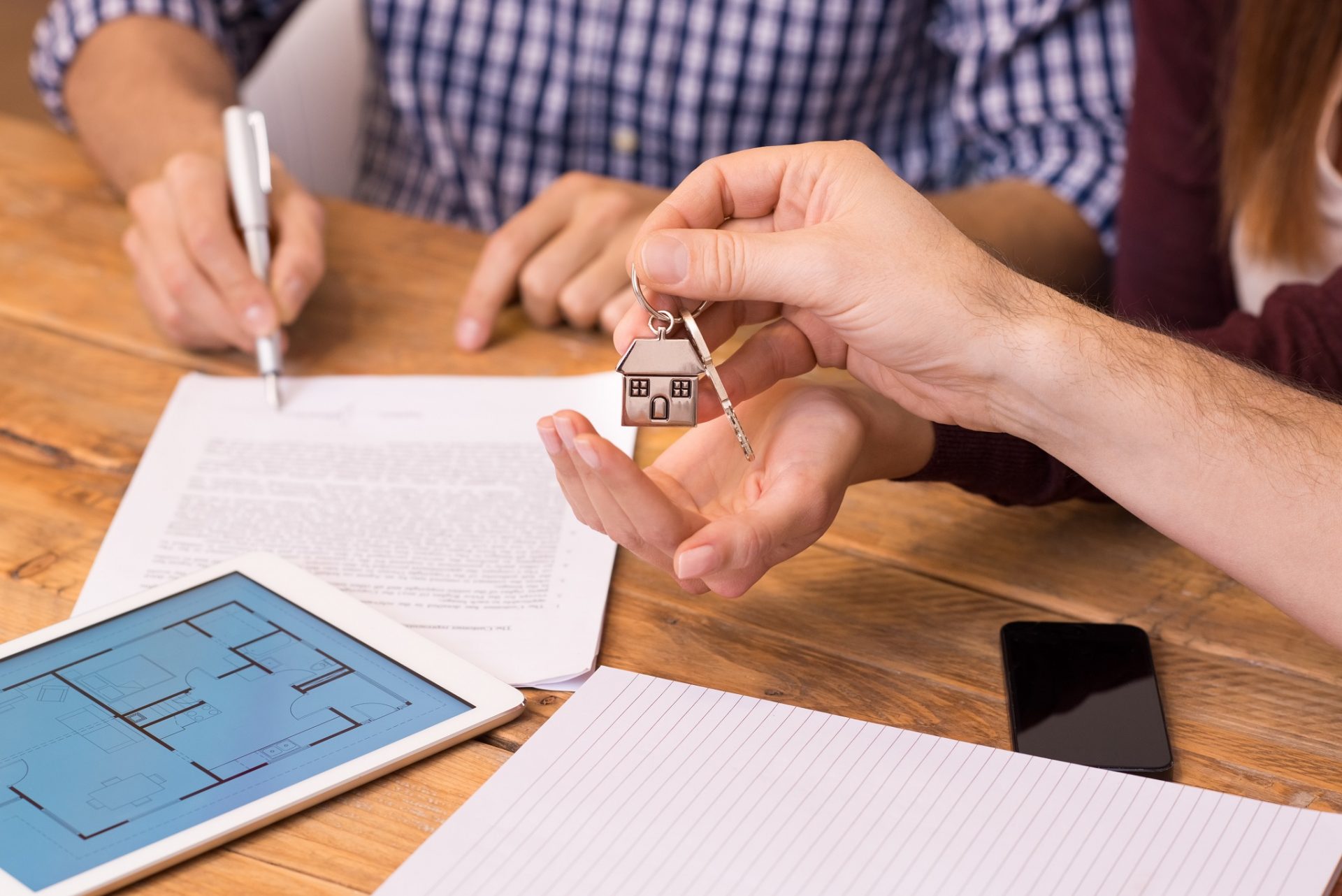
    Buying first and then selling allows you to find the right home before leaving yours. You’ll only need to move once and may be able to slowly move items over. However, you may need to carry two mortgages for a short time. To mitigate the extra cost, you can make an offer that’s contingent on the sale of your home. If you’re certain your current home will sell quickly, you can also ask to push out the closing date of your new home. This will give you time to sell your home and recoup the proceeds that you can use towards the purchase of your new home.
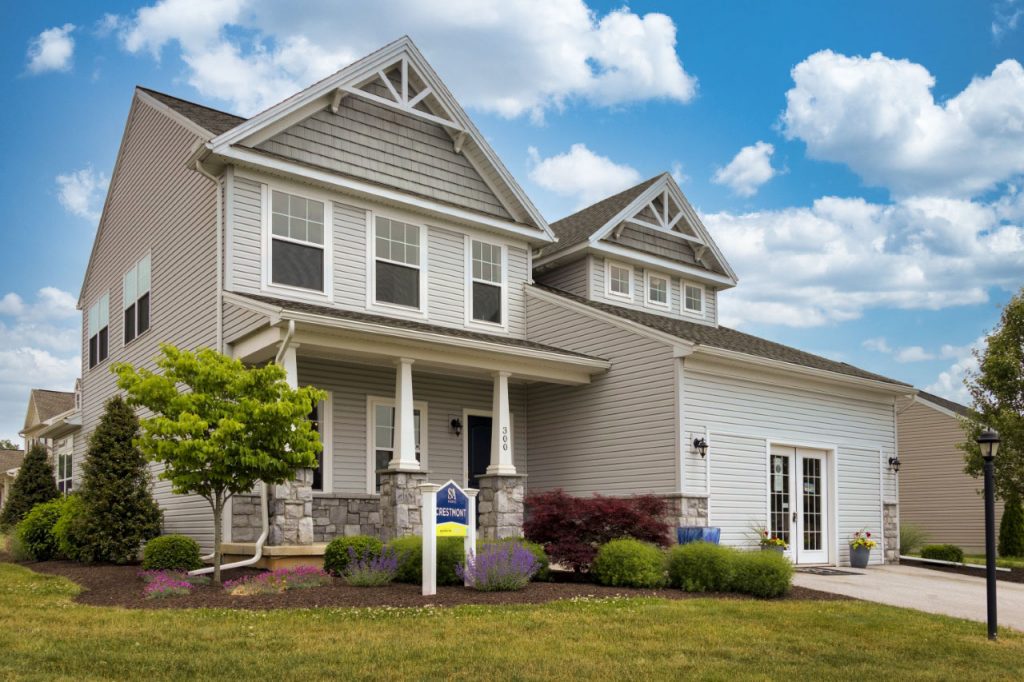
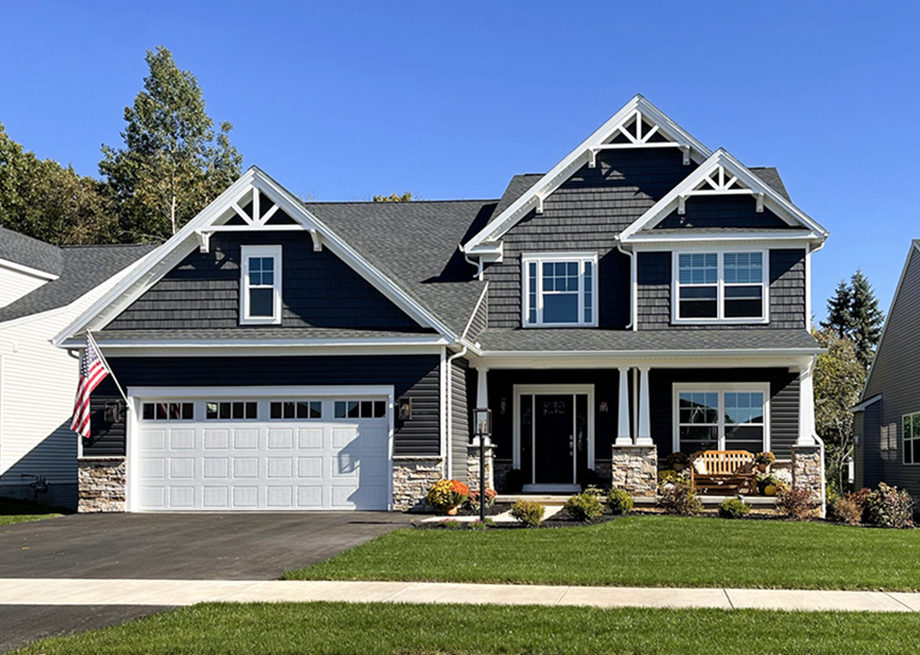
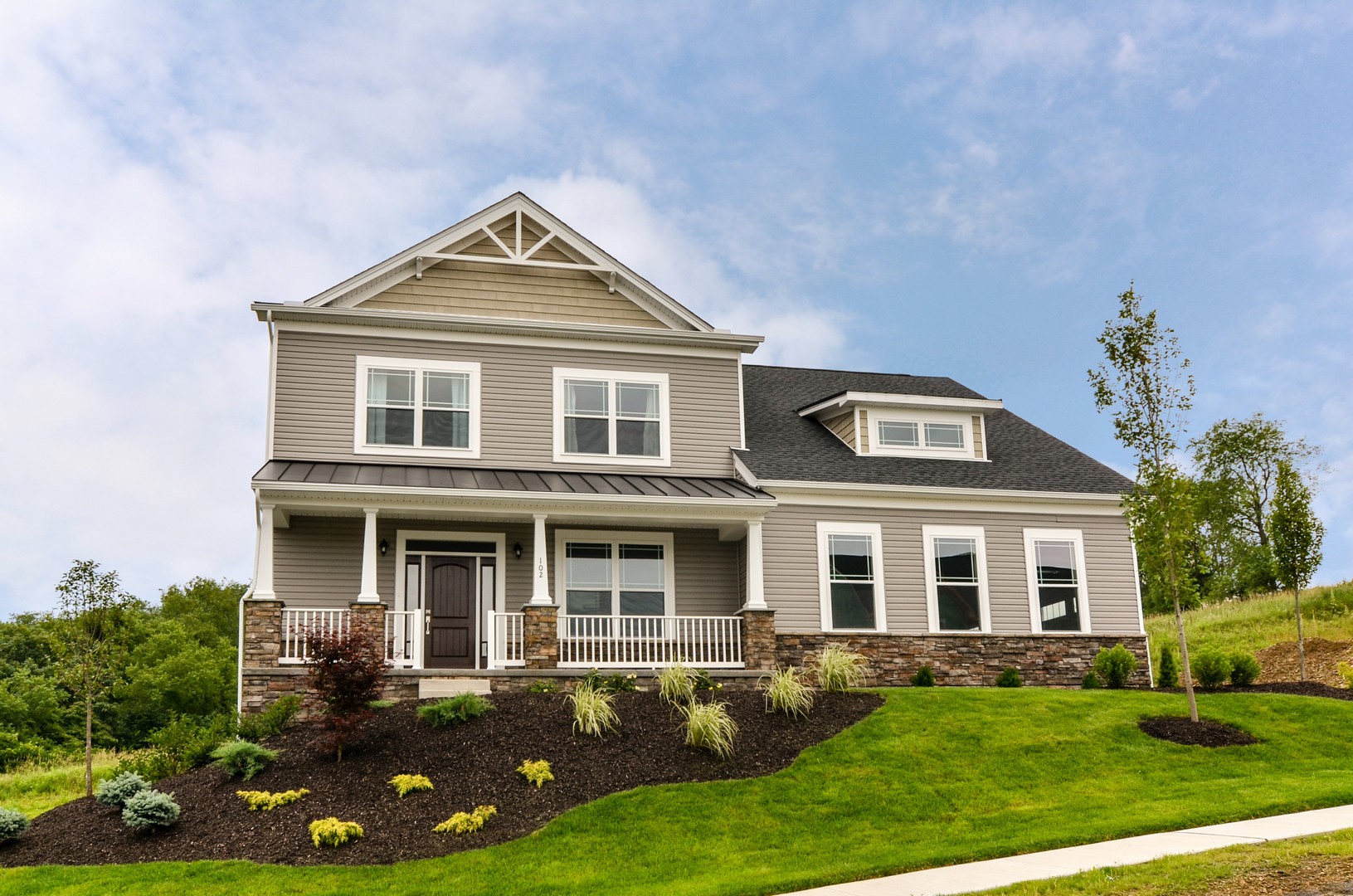
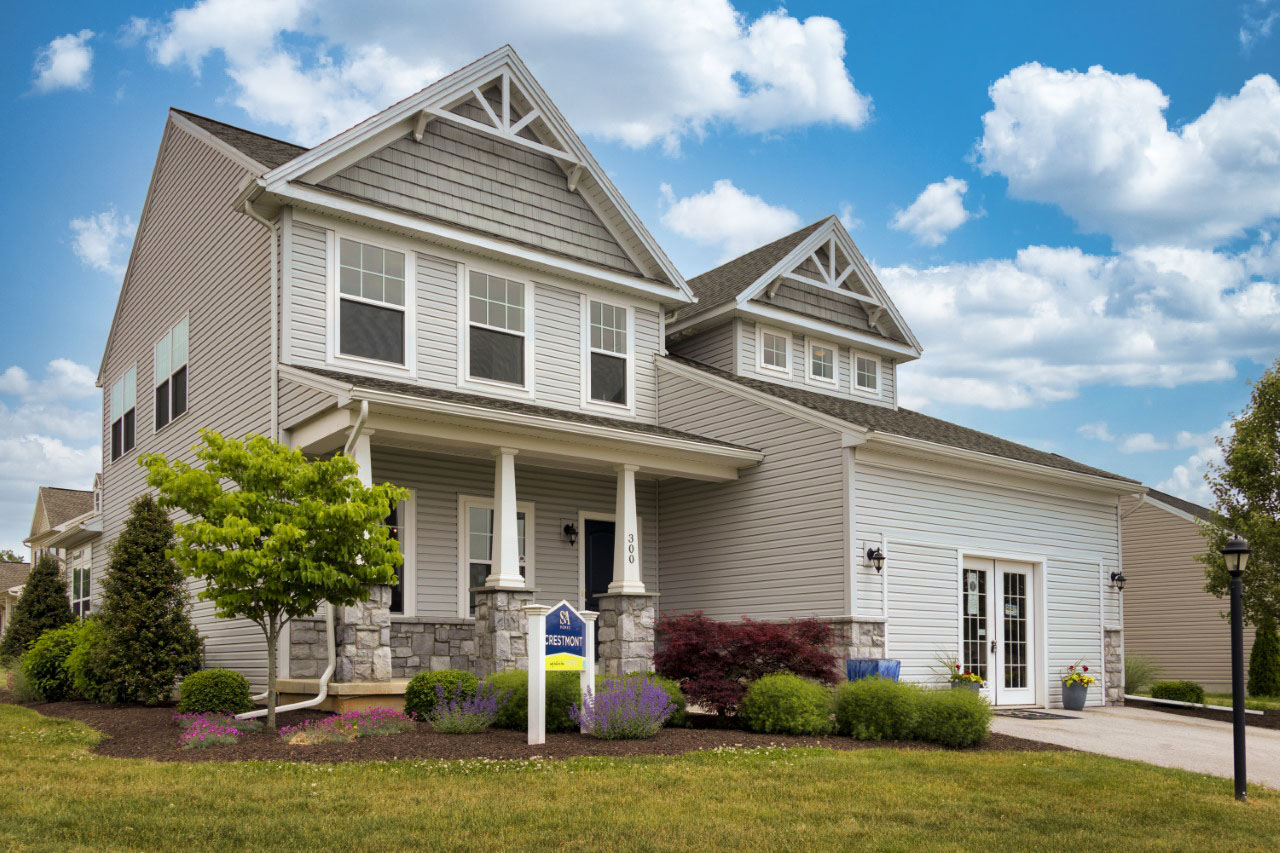
    Deerfield model home under a blue skySecond-time homebuyer? Find a new home with S&A Homes
    Buying a home for second-time homebuyers is an exciting opportunity to upgrade your living arrangements and invest in your future. With these tips in mind, you can confidently negotiate a deal that meets your budget and makes your dream home a reality.

    To learn more about the new home process and new home communities throughout Central and South-Central Pennsylvania, contact S&A Homes at 1-855-SAHome1 or visit SAHomeBuilder.com.
     

  • Turning Your House into a Home

    Turning Your House into a Home

    Turning Your House into a HomeMoving into a new house can be one of the most exciting moments of a homeowner’s life. On one hand, you get to start fresh in a new space, but on the other hand, it can be challenging to create a sense of belonging in an unfamiliar place. Whether you’re a seasoned mover or a first-time homeowner, it’s essential to make your new space feel like home. Here are some practical tips on how to create a sense of belonging in your new home.

    Unpack and assess

    Unpacking is the first step in making your new space feel like home. However, it’s crucial to prioritize essential items like toiletries, clothes, and kitchen essentials. Start by unpacking these items first so that you can have the basic necessities in your new space. After that, focus on arranging your furniture. Setting up your bed, sofa, and dining table can help in creating a sense of familiarity and comfort. Once the furniture is in place, start utilizing the space efficiently. Invest in storage solutions for closets, kitchen cabinets, and shelves to keep your new space tidy.

    Personalize your spaceTurning Your House into a Home

    Personalizing a space can make it feel more comfortable, especially when it comes to incorporating items that reflect your personality. That’s why it’s such a crucial step in creating a sense of home. Consider ways to make a space reflect your style and tastes, like adding decorative items such as throw pillows, curtains, and plants that complement the color scheme of your new place. Incorporating sentimental items like family photos, heirlooms, and souvenirs that remind you of happy moments can create a warm and nostalgic feeling. This is a great opportunity to mix and match items and create a unique space that feels like you.

    Hang meaningful artwork

    Artwork can add life and meaning to your space and make it feel more like home. Choose pieces that resonate with you or have personal meaning. It doesn’t have to be expensive. You can find beautiful artwork online or at local stores.

    Create cozy places

    Creating cozy areas where you can relax and unwind after a long day can help make your home feel warm and inviting. A great way to create a cozy atmosphere is to incorporate soft textures such as blankets, rugs, and pillows. Consider designating an area in your house for activities like reading, meditation, or even game nights. You can also set the mood with ambient lighting, scented candles, and music to create a cozy and inviting ambiance.

    Establish a daily routine

    Establishing a daily routine can help create a sense of normalcy in your new space. Routines can make your home feel more comfortable and reduce stress levels. You don’t need to make it complicated. It can be as simple as making your bed every morning and brewing a cup of coffee or tea to start the day.

    Turning Your House into a HomeInvite friends and family

    Social connections can make your home feel warmer and more social. One of the best ways to make the most of your new place is to invite friends and family over, whether for a small gathering or a big celebration. Spending time with loved ones will create memories that will help your new space feel like an essential part of your life.

    Making your new house feel like home is a journey. It takes time, effort, and creativity to achieve a sense of belonging in an unfamiliar place. However, by following the steps mentioned above, you can create a warm and inviting atmosphere that will make your new house feel like home. Settling into a new home is a journey, not a destination. Be patient, enjoy the process, and soon you’ll be feeling cozy, relaxed, and happy in your new home.

    Find your new home with S&A Homes

    S&A Homes offers a variety of new home communities and floorplans in the most sought-after locations in Central and South-Central Pennsylvania. To learn more about the available home designs and quick move-in homes, call 1-855-SAHOME1 or visit SAHomeBuilder.com.
  • A Beginner’s Guide to Mortgages

    A Beginner’s Guide to Mortgages

    A Beginner's Guide to MortgagesBuying a home is an exciting time, but it can also be overwhelming – especially when it comes to mortgages. Knowing all the details of mortgages can seem daunting, and it’s important to understand them before speaking to lenders or signing any contracts. Here is everything a first-time homebuyer needs to know about mortgages.

    What is a mortgage?

    A mortgage is a loan that you take out from a lender in order to purchase a home. Your interest rate is based on your credit score and financial history. This determines how much you must pay each month. Mortgages typically last for 15 or 30 years, depending on the loan agreement.

    Different types of mortgages

    There are two main categories of mortgages based on how the interest rates behave:

    • A fixed-rate mortgage is a type of loan where the interest rate remains the same throughout the life of the loan. This means that your monthly payments will remain consistent, providing you with a sense of stability.
    • An adjustable-rate mortgage may start with a lower interest rate, but the rate can change over time, which can cause your monthly payments to fluctuate.

    Types of loan programs

    There are several types of loan programs, which can either have fixed or adjustable rates. The most common loan types include:

    • Conventional loans meet certain underwriting standards and follow specific rules set by the U.S. government but are not backed by the government like some of the other loan types. While there are different types of conventional loans, most require a credit score of at least 620 and a down payment of 3% or more. Conventional loans can be a good option for those who have strong credit but don’t necessarily qualify for other types of loans, like FHA or VA loans.
    • FHA loans are insured by the Federal Housing Administration. These loans are beneficial for first-time homebuyers who may not have substantial savings for a down payment. FHA loans require a lower down payment than conventional loans and often have lower credit score requirements.
    • A VA loan is a special type of mortgage available to veterans and military service members and some surviving spouses. These loans are backed by the Department of Veterans Affairs and offer competitive interest rates and no down payment requirements.
    • USDA loan is a loan that is guaranteed by the US Department of Agriculture and is available to people in rural areas who meet certain income requirements.

    Each type of loan has its own rates, qualifications, and terms. It’s important to research each one thoroughly to make sure it fits your budget and lifestyle.

    What a mortgage payment includes

    Mortgage payments are a large commitment and understanding what exactly is included in them each month can seem daunting. Every payment you make on your mortgage involves some combination of the amount owed, interest charges, and other costs – all designed to help get that dream home paid off over time.

    • Principal: the principal means two things. First, it denotes the original amount you borrow. Second, it refers to the amount still owed after each payment.
    • Interest: this is the amount you pay your lender for providing your mortgage. Part of your mortgage payment will go towards interest.
    • Property taxes: your lender may collect part of your property tax bill each month and set it aside in an escrow account to pay your annual property tax. If they don’t offer this, then you’ll be responsible for paying your property tax.
    • Homeowners insurance: homeowners insurance provides financial protection against unexpected catastrophes like fires, storms, and accidents. Many lenders require it as part of a mortgage agreement. Some may tuck it away as a portion of each payment into an escrow account so that when premiums are due, they’ll be handled without any hassle on your end.
    • Mortgage insurance: if your down payment is less than 20%, you may have to pay for mortgage insurance. This helps protect your lender from a potential default on the loan and comes in two forms: private mortgage insurance (PMI) for conventional loans or FHA mortgage insurance for loans backed by the FHA. PMI can eventually be canceled when your home equity increases while FHA has its own set of conditions that can last throughout the life of the loan.

    A Beginner's Guide to MortgagesFinding the right lender

    When it comes time to apply for a mortgage, the most important step is finding the right lender. It’s essential to shop around and compare various lenders’ interest rates, fees, and repayment terms before making any decisions. If you’re working with a new home builder, it may be worth checking to see if they have preferred lenders. These lenders have a working relationship with specific builders and can streamline the financing process.

    Qualifying for a mortgage

    In order to qualify for a mortgage, you need excellent credit, stable employment history and proof that you can repay the loan over time. The lender will look at your income level, debt-to-income ratio, savings history, job stability and other factors as part of their due diligence process. They may also require additional documentation such as tax returns or bank statements.

    Applying for your loan

    Once you have chosen the right lender and determined which type of loan best suits your needs – it’s time to apply! The application process usually involves filling out some paperwork and submitting documents such as pay stubs or tax forms that show proof of income.  Pay off prior debts before applying. This could result in lower interest rates or better terms overall.

    Understanding all aspects of financing can seem intimidating at first glance! Be sure that you do thorough research when looking into all types of mortgages so that you get one that fits both present-day needs as well as long-term goals like retirement plans or future investments in mind.

    A Beginner's Guide to MortgagesPartner with S&A Homes

    We know there’s no such thing as a one-size-fits-all solution, especially when it comes to financing your home. That’s why we partner with a variety of lenders and banks to ensure that we are able to offer loan programs that are specifically tailored to each purchaser’s needs. Contact us today to learn more about our home financing solutions.

    S&A Homes offers a variety of new home communities and floorplans in the most sought-after locations in Central and South-Central Pennsylvania. We can also build your dream home on your own land! For more details, visit www.sahomebuilder.com or call 1-855-SAHOME1.

  • Simple Ways to Create a Happier Home

    Simple Ways to Create a Happier Home

    Simple Ways to Create a Happier HomeMost people want a happier home: a place that feels comfortable, inviting, and cozy. Creating a happier home environment is not only beneficial for you, but also for everyone who spends time in your home. Here are five ways to make your home feel happier.

    Use natural light

    Natural light has been found to have numerous benefits and can help to boost your mood. Open curtains and blinds to let natural light into your home throughout the day, and consider adding mirrors to rooms that don’t receive enough natural light. Using natural light can also reduce your energy bills by cutting down on the amount of artificial lighting you use.Simple Ways to Create a Happier Home

    Declutter

    Do you have mail, random tchotchkes, and more covering every surface in your home? Does the thought of that make your shoulders tense? There’s a reason why! Our physical environment can significantly impact our mental state. A cluttered home can cause anxiety, stress, and unease, making it challenging to find a calmer state of mind. Decluttering not only reduces stress but also helps improve the clarity of thought, giving you space to breathe and think more clearly.

    Add greenery

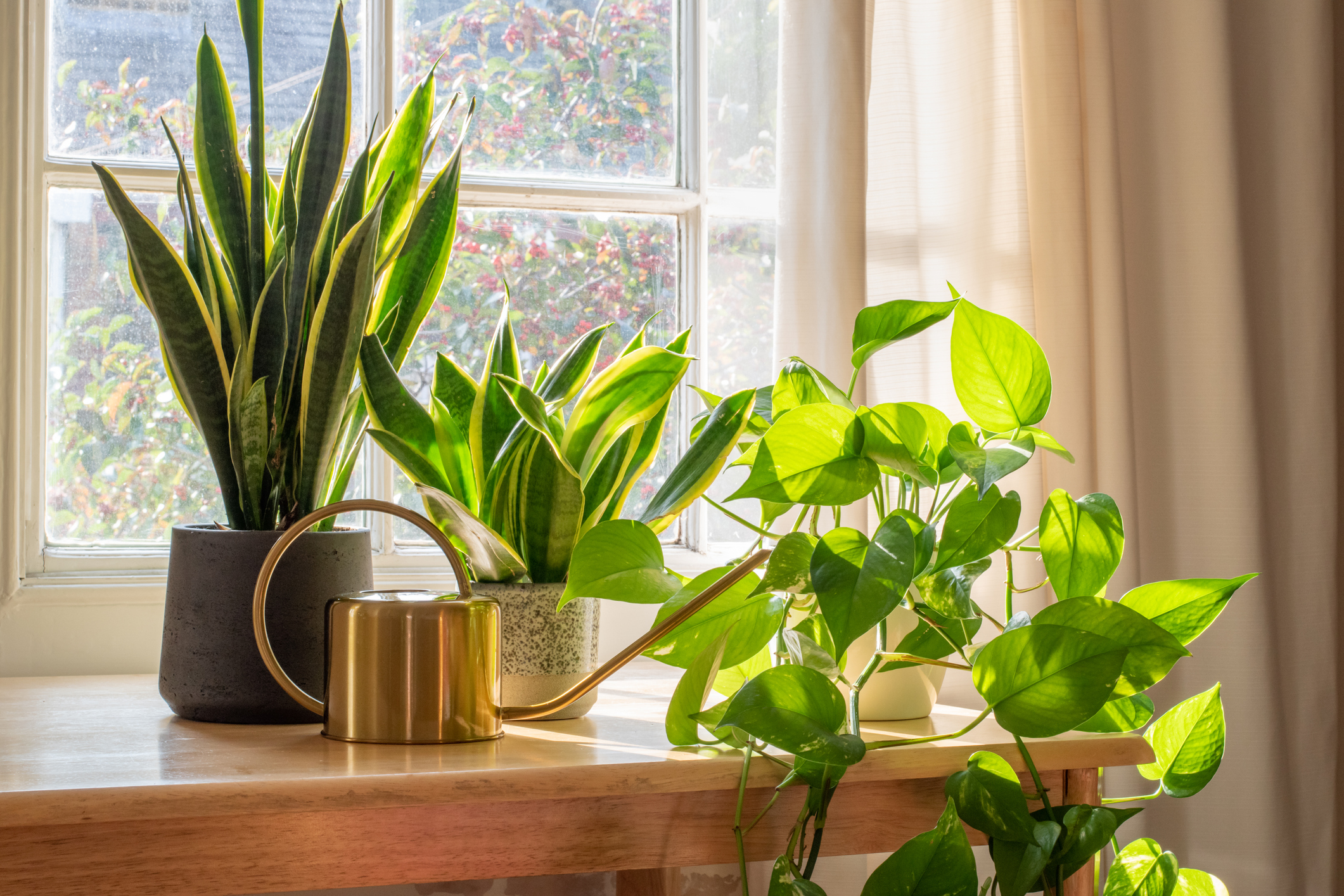
    Adding plants to your home can significantly boost your mood and make your home feel more welcoming. Plants purify the air, remove toxins, and release oxygen, which can improve your overall well-being. Consider adding plants to your living room, bedroom, and bathroom, and watch as your home transforms into a lush, tranquil haven.

    Play with colors

    With the right mix of colors, you can make your home feel more cheerful and inviting. Choose colors that you love and that make you feel happy. Color influences mood, so consider incorporating bright colors like yellow or orange for a more cheerful environment or calming colors like green or blue for a more tranquil feel. You can also experiment by adding pops of color with throw pillows, rugs, or artwork.

    Simple Ways to Create a Happier HomeMake space for hobbies

    Your hobbies and interests can provide an escape from the stress of daily life. By making space for your hobbies at home, you can make your home feel more welcoming and personal. Set up an art studio, carve out space for a music room, or create a reading nook. Having a designated space for your hobbies can help you focus and enjoy your time at home.

    Use relaxing scents

    Scent can be a powerful mood changer. The right scent can make your home feel more inviting and relaxing. Consider using essential oils, candles, and incense to fill your home with pleasant scents like lavender, peppermint, or lemon. Scented candles can also create a cozy atmosphere, perfect for evenings at home.

    Show gratitude for your space

    Taking a moment to be thankful for our homes can bring a positive perspective and an attitude of contentment. Gratitude for life’s little moments and having a cozy place to land can help increase our overall level of satisfaction.

    Making your home feel happier can help improve your overall wellness and create a place you look forward to spending time in. With a few small changes, you can transform your home into an inviting and warm space for everyone to enjoy. Remember, a happy home means a happy life.

    If you’re looking for a new home in Central or South-Central Pennsylvania, visit us at SAHomeBuilder.com or call 1-855-SAHome1 to learn more about our new home communities and available quick move-in homes.

  • Boost Your Home’s Curb Appeal with These Quick Fixes

    Boost Your Home’s Curb Appeal with These Quick Fixes

    Boost Your Home’s Curb Appeal with These Quick FixesThey say first impressions last, and this holds true for your home’s curb appeal. Curb appeal refers to the attractiveness of your property when viewed from the street. It’s what makes a passerby turn their head and take a closer look or continue on their way. Curb appeal is about creating a welcoming and inviting atmosphere that enhances the beauty and value of your home.

    Thankfully you don’t need to invest a lot of money to boost your home’s curb appeal. Here are some quick fixes you can make to help improve your home’s curb appeal, the benefits of doing so, and why it’s important to maintain your property’s curb appeal.

    Replacing old hardware

    Replacing old hardware such as house numbers, mailbox, and door handles is an affordable and effective way to give your home a facelift. The hardware may seem small, but they’re noticeable details that can make a big difference in the overall look of your home. Rusty, tarnished, or outdated hardware can appear uninviting and give the impression of an aged home. Upgrading to stylish hardware can add character and charm to your exterior.

    Cleaning siding and windows

    One of the simplest ways to improve your home’s curb appeal is to clean your siding and windows. Dirt and grime accumulate on these surfaces, making your home appear dull and unattractive. A good pressure wash can remove dirt, stains, and other debris that have built up on your siding. Similarly, washing your windows inside and out will allow more natural light into your home and give it a brighter and more modern look.

    Boost Your Home’s Curb Appeal with These Quick FixesAdding plants to the landscape

    Plants can change the whole ambiance of your front yard. A little greenery can go a long way in terms of boosting your curb appeal’s attractiveness. The key is to choose plants and flowers that complement your home’s color, texture, and style. You can add color and dimension with vibrant annuals or using larger plants and trees to add balance and structure. Plus, adding plants can also provide environmental benefits such creating habitats for insects and wildlife.

    Installing hardscaping features

    Hardscaping features are permanent fixtures in your front yard and can add visual interest to your landscape. These include walkways, retaining walls, fire pits, and patios. Hardscaping features can define your outdoor living space, add structure to your property, and create focal points that immediately draw the attention of the viewer.

    Refreshing outdoor furniture

    Even with the most attentive care, outdoor furniture can weather and fray over time. But don’t worry, upgrading its appearance doesn’t have to break the bank. A quick clean and a coat of exterior paint can do wonders. And if you’re feeling a bit crafty, consider replacing the fabric on your cushions and pillows. It’s surprising how much a small change like this can update the overall look of your outdoor space.

    Refinishing the driveway

    An unsightly driveway can make or break how people first perceive your home. A quick and easy fix for an unkempt drive? Reach for the weed spray! Tackling weeds that have overgrown with a few simple steps could go a long way in making sure you’re leaving the best impression possible – plus, it’s budget-friendly too; just focus on those seriously troubled spots to get started.

    Benefits of improving curb appeal

    Improving your home’s curb appeal comes with many benefits, even if you’re not selling your home. Here are some reasons why you should consider improving your curb appeal.

    Boost Your Home’s Curb Appeal with These Quick FixesIncreases the value of your home:

    The most significant benefit of having great curb appeal is that it can significantly enhance your home’s value. A well-maintained and attractive exterior increases your home’s market appeal, which can translate to a higher resale value. According to a study conducted by the National Association of Realtors (NAR), curb appeal can add up to 10% to the value of your property.

    Enhancing aesthetic appeal of property:

    Great curb appeal gives you a sense of pride and joy every time you come home after a long day. As the saying goes, “home is where the heart is,” and having a beautiful home that you can’t wait to go back to every day has immense emotional value. Moreover, enhancing your home’s aesthetic appeal can also inspire your neighbors to improve their properties, making your entire neighborhood more attractive.

    Creating an inviting atmosphere for family and visitors:

    Curb appeal can create a welcoming and inviting atmosphere for both family and guests. With a beautiful and well-maintained exterior, your home is warm and inviting, which can make visitors feel welcome even before they step inside. A well-designed landscape can add to the overall charm and ambiance of your home, providing a visual treat for all.

    Improves home safety

    A well-maintained front yard not only looks great, but can also boost your home’s security. Neat pathways, secure gates, and clear driveways help to protect you from slips or trips around the house and possible theft. Improved curb appeal also increases your privacy and creates an overall sense of security for you and your family.

    Your home’s curb appeal is an extension of your personal style and taste. Investing in your home’s exterior is a smart move that can help boost its value, enhance its aesthetics and create an inviting atmosphere for family and visitors. Small and budget-friendly improvements such as replacing old hardware, adding plants or cleaning your windows can make a significant difference in your property’s curb appeal. Taking care of your home’s curb appeal is a great way to show your pride of ownership, and you’ll reap the benefits of a beautiful home for years to come.

    S&A Homes offers a variety of new home communities and floorplans in the most sought-after locations in Central and South-Central Pennsylvania. To learn more about our new home opportunities, call 1-855-SAHOME1 or visit www.SAHomeBuilder.com.

  • Starter vs. Forever Home: Making the Right Choice

    Starter vs. Forever Home: Making the Right Choice

    Starter vs. Forever Home: Making the Right ChoiceBuying a home is a major investment, and it’s one of the most important decisions you will make in your lifetime. It’s important to choose a home that fits your needs and lifestyle, but it can be tough to decide how much space you really need. Should you choose a starter home, or invest in a forever home? Let’s explore the important considerations you’ll need to think over so you can make the best decision for you.

    What is a starter home?

    Starter homes are typically modest homes that first-time home buyers can afford but expect to outgrow. Most home buyers looking for starter homes prioritize a more affordable mortgage over finding a home that has everything they need and want right now. They look for entry-level homes that meet their basic needs and are okay that they don’t feature every dream amenity.

    Homebuyers with limited budgets may choose to invest in a starter home to build equity as a homeowner they can eventually use to purchase their forever home.

    What is a forever home?

    A forever home is a home you plan on living in for a long time, possibly for the rest of your life. These homes tend to be larger to accommodate a growing family with more amenities or have potential for improvements to make it just right. Since these homes are larger and have more amenities, they tend to be more expensive than starter homes.

    Starter Home vs Forever Home: Top Considerations

    Still not sure which style is right for you? Here are some considerations you make to decide which one is right for you now.

    Review your finances

    Price, down payment size, and loan terms are all important factors to consider when deciding between a starter and forever home. A starter home is typically more affordable, which can be a major advantage for first-time homeowners. However, you may outgrow a starter home more quickly and need to move sooner than you would with a forever home. A forever home, on the other hand, requires a larger down payment and often comes with a larger mortgage payment. However, in the long run, it could save you money as you won’t need to move again.

    Assess your lifestyle

    Assessing your current lifestyle and needs is an important step to making the right choice when it comes to starter versus forever homes. If you have a growing family or plan to have children in the future, a forever home might be a better choice. On the other hand, if you’re single or newlyweds, a starter home could be the perfect fit. It’s important to consider your current and future needs in terms of space, flexibility, and overall lifestyle.

    Evaluate your future plans

    While it can be tough to predict the future, it’s important to consider potential changes in your life that could impact your home buying decision. Will you be changing jobs, having children, or starting a business? If so, a forever home might be a better choice, as it provides more space and flexibility. On the other hand, if you plan to downsize in the future, a starter home might be more practical.

    Keep ‘forever’ in perspective

    Remember that forever is an elusive target. Even with a well-conceived plan, life brings changes. Families grow and shrink, jobs change, unexpected opportunities appear. Don’t stress too much about finding the perfect home and look for one that’s good enough to meet your needs for the long-term.

    A starter home can also be a forever home. Some buyers purchase starter homes with the intent of upgrading to a larger home sometime in the future while others may end up happily living in their ‘starter homes’ forever.

    Which home is right for your life now?

    Choosing between a starter and forever home can be a tough decision, but ultimately it comes down to your lifestyle, future plans, and financial considerations. A starter home can be a great option for first-time homebuyers, while a forever home may be more practical for growing families or those who plan to live in the same home for many years. No matter which option you choose, it’s important to consider all of the factors involved and make a decision that works for you.

    Whether you’re looking for your starter home or forever home, S&A Homes offers a diverse selection of home designs to accommodate a variety of home buyers throughout Central and South-Central Pennsylvania. Learn more about new home opportunities from S&A Homes, including quick move-in homes and build on your land opportunities, by calling 1-855-SAHOME1 or visiting us online at SAHomeBuilder.com.

  • Easy Ways to Spruce Up Your Home for Spring

    Easy Ways to Spruce Up Your Home for Spring

    Easy Ways to Spruce Up Your Home for SpringWith the warmer weather drawing nearer, it’s time to start thinking about ways to welcome spring into our homes. Making small updates to your home decor can have a big impact on the overall look and feel of your space. From changing up color palettes, switching out upholstery pieces, adding accent pieces, and refreshing existing artwork with seasonal pieces, these small changes can make all the difference. To help welcome this season into your home, here are some easy ways to spruce up your home for spring.

    Refreshing color palette with lighter and brighter colors

    When it comes to welcoming springtime into your home, one of the best places to start is by refreshing your color palette with lighter and brighter colors. Pastels such as pinks and blues are ideal for this time of year as they evoke a sense of lightness and optimism. Neutrals also work well in creating a calming atmosphere that allows other elements like artwork or accent pieces to take center stage.

    Renew upholstery and add accent pieces

    Another great way to spruce up your home for spring is by renewing upholstery items such as couches or chairs with new accent pillows or throws in fresh designs and colors that reflect the season. This will instantly add a touch of warmth and brightness to any room without having to do major renovations or invest in new furniture pieces. Adding seasonal florals throughout your house is also a great way to bring in some pops of color while still keeping things cozy—think wreaths for the front door or flower arrangements for tablescapes or mantelpieces.

    Easy Ways to Spruce Up Your Home for SpringIncorporate natural elements into the design

    Adding natural elements like branches, stones, and driftwood can help create an inviting atmosphere while also bringing a bit of nature inside your home. These elements are especially perfect for outdoor spaces like patios or decks where you can create mini oases filled with greenery and warm lighting for evenings spent relaxing outdoors.

    Swap heavy curtains for sheer panels

    Replacing heavy curtains with sheer panels is another great way to bring more light into a room while creating a fresh springtime look. The beauty of sheer panels is that you can tie them back during the day when you want more natural light streaming in but then tie them closed at night when you want more privacy—plus they’re much easier on the eyes than heavy curtains! 

    Replace existing artwork with pieces reflecting spring themes

    Swapping out existing artwork with prints reflecting spring themes such as fields of flowers or seascapes with sunrise or sunset hues will instantly give any room an airy feel that says “spring has arrived!” Look for art pieces that incorporate bright colors like yellow, pink, and blue—colors typically found during this time of year—and hang them up where they will be easily seen from every angle in order to maximize their impact on the overall design aesthetic.  

    Easy Ways to Spruce Up Your Home for SpringCreating a spring-inspired atmosphere in your home doesn’t have to be complicated or expensive; even small updates can go a long way toward refreshing your living space! From introducing color through brightly-hued pillows and accessories to bringing in fresh flowers or new plants, there are plenty of ways to spruce up your home and bring those spring vibes in.

    Buy a new home with S&A Homes this spring

    S&A Homes is proud to build affordable new home communities throughout Central and South-Central Pennsylvania. Whether you choose to purchase a home in one of our new home communities or build on your lot, we have floorplans for every stage in life. Looking to move sooner? Check out our many quick move-in homes available right now. Call S&A Homes at 1-855-SAHome1 or contact us online today.

  • Important Questions to Ask Partner Before Buying a Home

    Important Questions to Ask Partner Before Buying a Home

    Important Questions to Ask Partner Before Buying a Home.

    Purchasing a home with a partner is one of the biggest milestones you can reach in life. After all, a home is not just a physical space, but also a reflection of your lifestyle and aspirations. Whether you’re buying your first or second home, or maybe just making an investment purchase, it’s not something to take lightly. Here are some important questions to ask to make sure everyone is on the same page and has the same expectations so the home buying process is both enjoyable and successful.

    Why are we buying a home?

    What is your motivation for buying a new home? Is it because that’s the next step? Because everyone else you know is buying? A mortgage is a long-term financial commitment. There should be a lot of careful consideration made before taking this step. Be honest with your reasons for wanting to buy and be prepared to talk it through with your partner.

    How are our finances?

    Discussing money can get tricky. Since there are a lot of financial responsibilities that come with buying a home, this conversation is unavoidable. You want to make sure your finances can manage a major expense. You will need to be upfront and lay out all the details: discuss your income, current expenses, credit score, and all of your debt. This is the same information mortgage companies will assess when reviewing your mortgage application so it’s worth being candid now to avoid any unpleasant surprises later on.

    Important Questions to Ask Partner Before Buying a HomeWhat can we afford and how will we pay for it?

    When it comes to buying a home, it’s important to have a clear understanding of what you can afford. Mortgage pre-approvals are helpful but base your buying budget on just that. Owning a home is more than just the mortgage payment: there are also utility bills, maintenance and repairs, property tax, and insurance. Carefully review your income and expenses (including any debt) and calculate how much you can comfortably afford, including how you’ll save for the down payment.

    You should also discuss how housing expenses will be split. There isn’t one right way to split expenses – whether it’s 50-50 or a proportion based on income. Just make it clear from the beginning and have ongoing conversations to make adjustments as financial circumstances change.

    Where do we want to live?

    As you start building a life with someone, an important question to consider is where you both see yourselves being the happiest. This conversation can reveal a lot about your priorities and values as a couple. Perhaps you both love the bustling lifestyle of the city and can’t imagine living anywhere else or maybe you’re both drawn to the calmness and greenery of the suburbs. It’s important to uncover these preferences early on, even if it causes a slight contention.

    Important Questions to Ask Partner Before Buying a HomeWhat do we want in our new home?

    When searching for a new home, it’s important to recognize that you and your partner may have vastly different priorities when it comes to what you want in a home. You may be dreaming of a spacious living room that can comfortably host all of your friends and family, while your partner might have their heart set on a luxurious, state-of-the-art kitchen. Taking the time to sit down and separately list out what each of you values in a home can be a great exercise in compromise. By comparing your lists and boiling them down to the essentials, you can identify deal-breakers and areas where you’re willing to compromise. Ultimately, this process can help you find a home that truly meets both your needs and desires.

    What happens if we break up?

    Talking about the end of a relationship can be uncomfortable and emotional, but it is an important conversation to have if you are considering purchasing a home together. Life is unpredictable, and even the strongest relationships can face unexpected challenges. It is essential to speak with a legal advisor to understand the complexities and potential consequences if you are unmarried, but married couples shouldn’t ignore this step either. Developing a house ownership agreement can help you address crucial details upfront, such as how you will split costs, allocate ownership percentages, deal with disputes, or handle a breakup or death. While you may never need to use this agreement, it’s reassuring to know that you have a plan in place.

    Buying a home is one of the biggest investments that you will make with your partner, so it’s important to navigate the process with mutual respect and open communication. We hope you’ll consider S&A Homes when you’re ready to buy a new construction home. To learn more about our amazing new home opportunities where we build in Central and South-Central Pennsylvania, including build on your lot and  quick-move in homes, call 1-855-SAHOME1 or visit SAHomeBuilder.com. 

  • How to Create a Relaxing Bedroom Sanctuary

    How to Create a Relaxing Bedroom Sanctuary

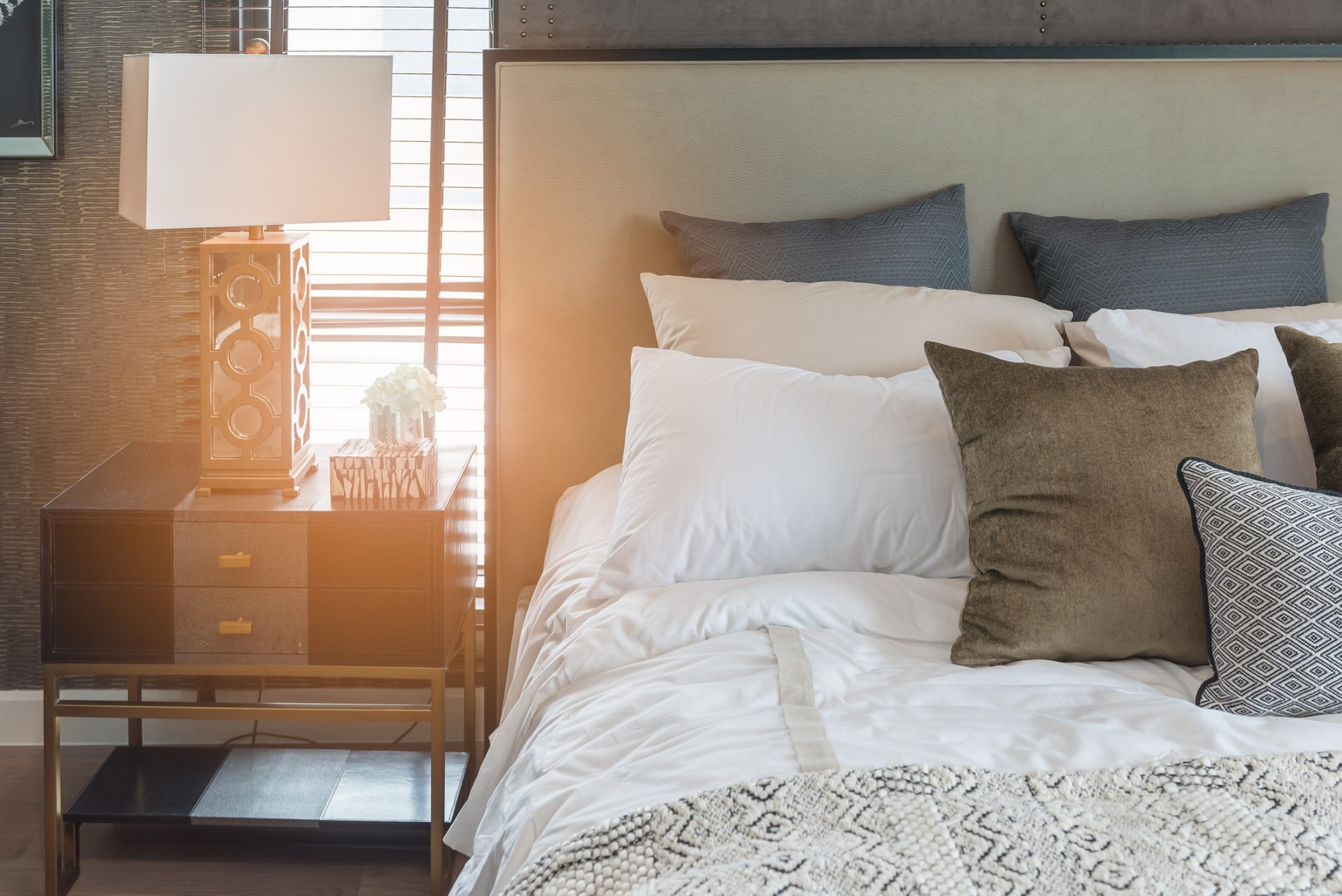
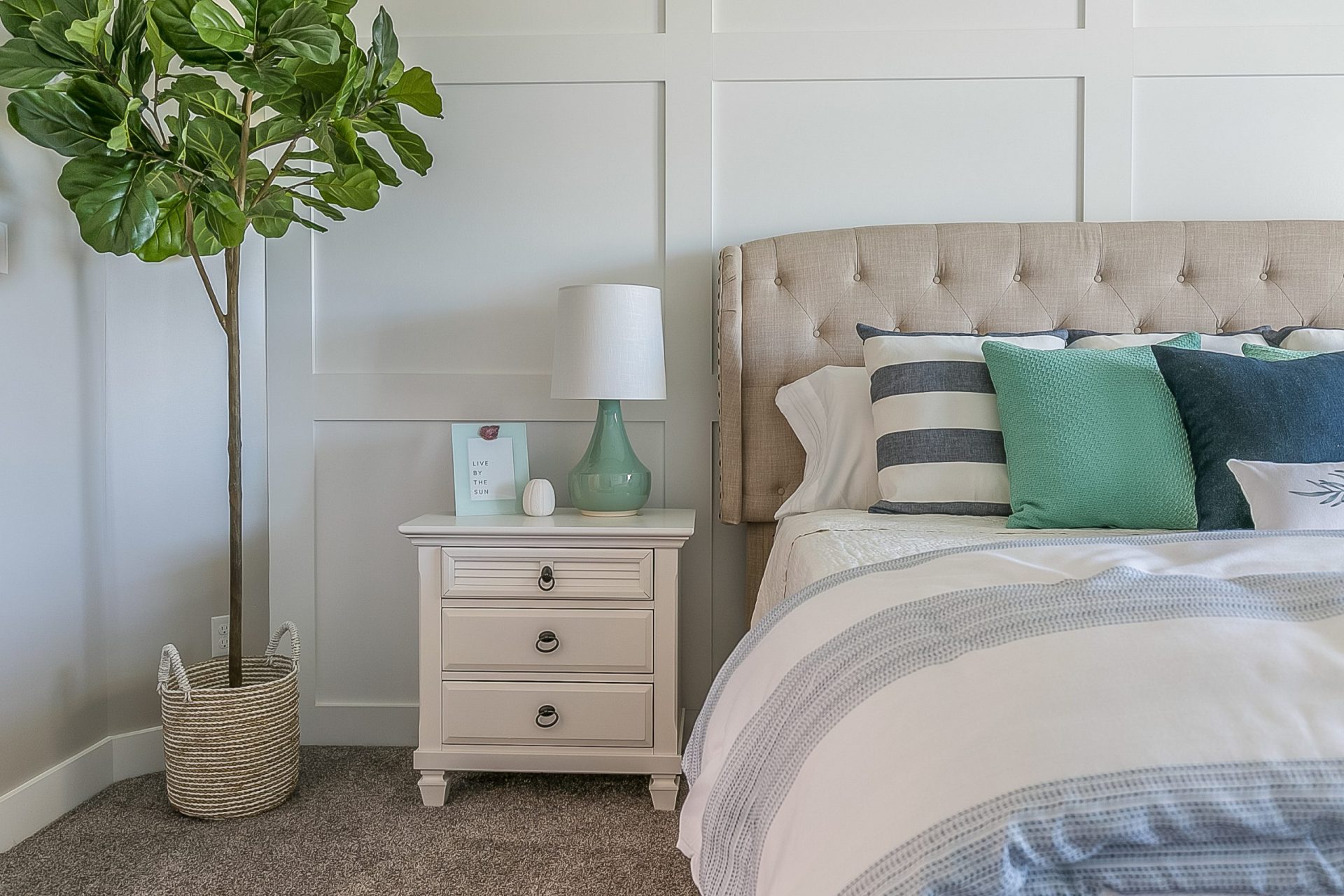
    How to Create a Relaxing Bedroom Sanctuary - luxury bedroom style with set of pillows on bed, interior decoration design conceptAre you looking to make your bedroom a more relaxing sanctuary? Creating a calming atmosphere in the bedroom is essential for promoting relaxation and getting a good night’s sleep. It should be a place of rest and relaxation after a long day, and there plenty of ways to make your bedroom oasis a haven of tranquility. Here’s what you need to do to turn your bedroom into a relaxing sanctuary.

    Declutter and keep things organized

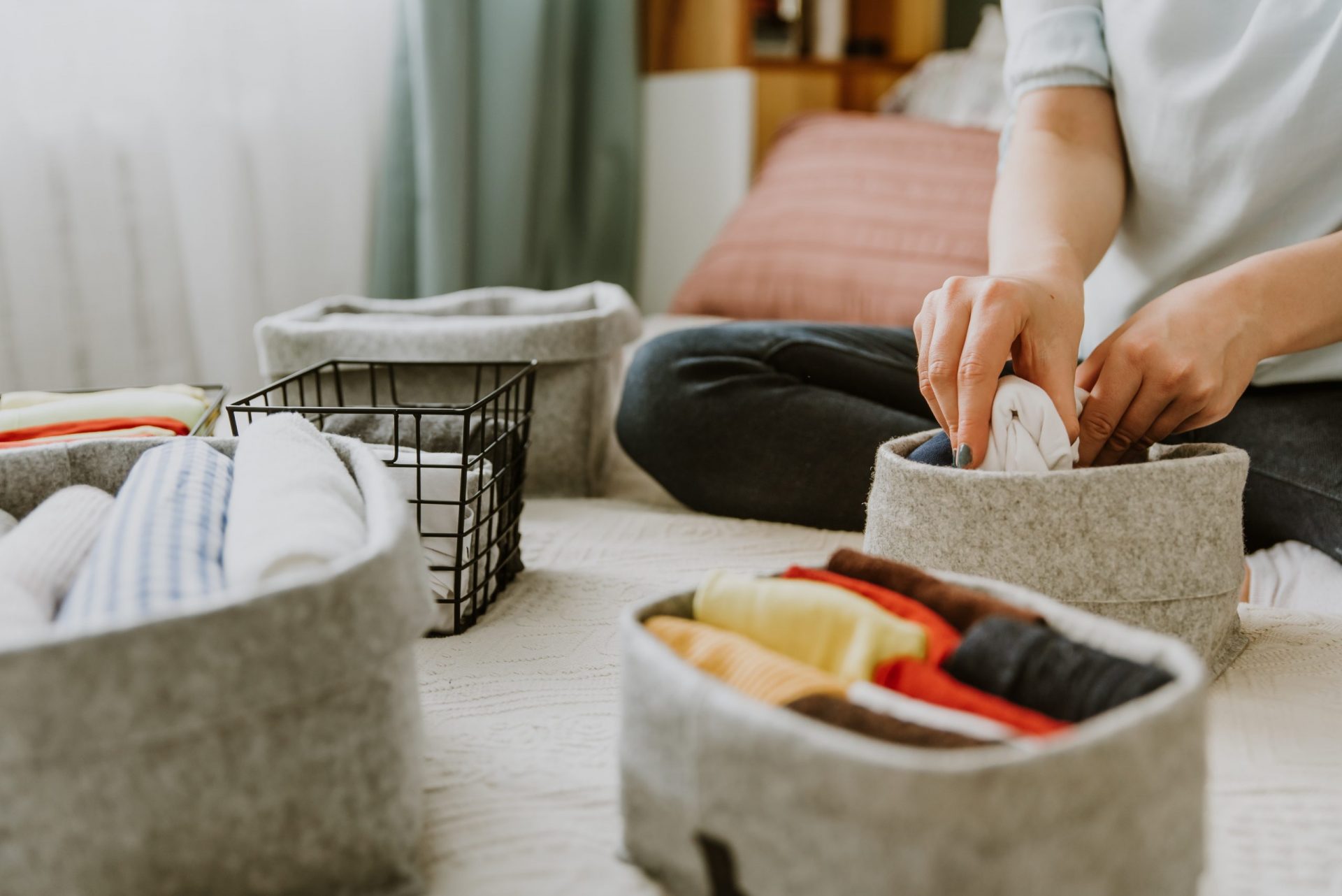
    Clutter should always be kept at bay in order to create an atmosphere free from distractions so that you can focus on unwinding before bedtime. Removing excess items and having everything organized will not only keep your bedroom looking neat but it’ll also help banish feelings that create feelings of being overwhelmed, like piles of unfolded laundry or unfinished projects left lying around on tables or shelves. Give everything its own spot then stick with designated places so you can always find what you’re looking for quickly when needed.

    How to Create a Relaxing Bedroom Sanctuary - Woman organizing clothes in wardrobe, putting shirts in boxes. Concept of order, minimalist closet, japanese t-shirt folding system and clothes storage

    Neutral Colors

    Neutral colors such as whites, beiges, tans, grays and other muted shades have proven to be effective in creating a calming atmosphere in the bedroom. These colors exude elegance and can be paired with almost any other color for added flair. Plus, these neutral tones tend to reflect light more easily than darker hues which can help make any room appear larger and brighter.

    Comfortable Bedding and Linens

    Investing in quality bed linens and mattresses makes it easier to stay comfortable through the night but also helps you drift off to sleep faster. From mattress types like memory foam or hybrid mattresses (which combine springs and foam layers) to pillows made from materials such as latex or down feathers that provide support without being too firm or too soft – there are plenty of options available to make it easy to relax at the end of long days. Additionally, choosing high-quality linens such as 100% cotton sheets will help ensure you stay cool while sleeping while providing maximum comfort throughout the night.

    Lighting

    Achieve the perfect atmosphere in your bedroom with the right lighting. For a more calming vibe, opt for softer lighting that helps you wind down before bed. Want to make it even cozier? Use warm-tone LED bulbs and dim them as needed. But if modernity is more your style, don’t worry: connect a dimmer switch so you can adjust the brightness whenever desired while also saving energy in an eco-friendly way.

    How to Create a Relaxing Bedroom Sanctuary - Wainscott and houseplants with a sliding barn door to a sunroom

    Bring nature into the room

    Not only are plants appealing, they are also known to reduce stress and boost overall wellness. Place some potted plants around the room in strategic places to bring life into your bedroom sanctuary. You can also hang macramé planters from the ceiling or on walls to add texture to the space while providing additional air purification benefits as well.

    Introduce aromatherapy

    Encourage mental and physical relaxation through aromatherapy.  Essential oils like lavender, eucalyptus, peppermint, and rosemary are known for their ability to reduce stress. You can use candles or diffusers to spread the scent around the room.  Putting drops of oil on your pillow as you sleep or adding them to cleaners when cleaning furniture is another option. Find the scent combination you enjoy by exploring different scents until you find one perfect just for your space. And here’s a pro tip: try limiting this special scent exclusively to your bedroom for optimal relaxation benefits.

    Making your bedroom an oasis doesn’t have to be difficult. All it takes is some careful planning to create a relaxing atmosphere where you can rest easy. Your bedroom will become a comfortable sanctuary where you can relax after long days.

    S&A Homes offers a variety of new home communities and floorplans in the most sought-after neighborhoods in Central and South-Central Pennsylvania. For more details, visit www.sahomebuilder.com or call 1-855-SAHOME1.

  • Reasons to Get a Mortgage Pre-approval

    Reasons to Get a Mortgage Pre-approvalThinking of buying a new home? You’ve probably heard about getting pre-approved for a mortgage. This important step on your path to homeownership comes with lots of great benefits. When you know what you can afford, budgeting is easier – which is especially crucial if you’re breaking an existing lease. Here’s why getting a mortgage pre-approval is the best thing you can do for your new home search.

    What is a mortgage pre-approval?

    A pre-approval is an important step in the mortgage application process. It provides potential lenders with evidence that you have already been approved for a loan up to a certain amount. This gives lenders confidence that you are serious about buying a home and have done your due diligence in securing financing. Pre-approvals also give realtors and sellers peace of mind that potential buyers are more likely to close on their purchase.

    Here are some reasons why you should consider getting pre-approved before house hunting:

    Reason #1: Know your homebuying budget

    Buying a home is a major investment and you need to be clear on your finances. Getting pre-approved will give you a clear understanding of the maximum amount you can borrow, estimated interest rate, monthly payment, and closing cost. Knowing this information before you start looking at homes will help narrow down your search and prevent wasted time looking at homes that are out of your price range. 

    Reason #2: Lock in interest ratesReasons to Get a Mortgage Pre-approval

    If there’s one thing that’s been consistent with today’s market, it’s how interest rates fluctuate. Getting a pre-approval allows you to lock in an interest rate for a limited time (check with your mortgage broker for the exact length). This protects you from rate increases while you’re still searching for the perfect home.

    Reason #3: Strengthen your offer

    A pre-approval letter shows sellers that you’re serious about buying their home and have the financial means to do so. This can strengthen your offer and give you an advantage over other buyers who haven’t been preapproved.

    Reason #4: Save time

    Going through the mortgage process takes time. You will need to gather your financial documents and have your credit history reviewed. With a mortgage preapproval, you’ve already gone through the tedious application process and can skip ahead to finalizing the mortgage, which shortens the time between contract and close and gets you into your new home faster.

    Reason #5: Identify potential issues

    During the pre-approval process, lenders review your credit history and financial information. This may uncover potential issues that need to be addressed before applying for a mortgage. Addressing these issues early on can save time and prevent headaches down the line.

    Now that you know the benefits of getting a mortgage pre-approval, here’s how you can prepare for the process.

    Reasons to Get a Mortgage Pre-approvalStep-by-step guide to getting pre-approved

    1. Analyze credit score and history. Before applying, take some time to analyze your credit score and history in order to identify any issues that could affect your ability to secure financing. If necessary, take steps to correct any inaccuracies or address any areas of concern before submitting your application.
    2. Gather documentation needed for the application. Before you even begin your loan application, make sure you have all documentation needed to prove your identity, income, and assets such as pay stubs or bank statements. Lenders will need these documents to assess your financial situation before they can approve you for a loan.
    3. Submit application. Once you’ve gathered all the necessary documents and assessed your credit score and history, it’s time to submit your application! Your lenders will review it and provide an offer letter with details on the terms of the loan they are offering if approved (e.g., interest rate).
    4. Present the offer letter to the realtor or seller. Congratulations, you’ve been preapproved! You can take your offer letter from the lender confirming preapproval of your loan, and present it to the realtor or seller when making an offer on a property so they know you are serious about this purchase and able financially commit at closing.

    By taking these steps outlined above, homebuyers can establish themselves as competitive contenders in the market while feeling confident about their financial security throughout the process.

    We’re committed to making your home-buying process as simple and worry-free as possible. If you have questions about today’s market, please check out our Financing Solutions page.

    S&A Homes offers a variety of new home communities and floorplans in the most sought-after locations in Central and South-Central Pennsylvania. We can also build your dream home on your own land! For more details, visit www.sahomebuilder.com or call 1-855-SAHOME1.