Author: Janice Glessner

  • How to Meet Your New Neighbors After a Move

    How to Meet Your New Neighbors After a Move

    How to Meet Your New Neighbors After a MoveMoving into a new neighborhood can be both exciting and overwhelming. While you may be eager to settle in, it’s important to take the time to introduce yourself to your new neighbors. Not only will this help you feel more connected within your community, but it can also lay the groundwork for future friendships.

    Here are some tips on how you can meet your new neighbors and build a stronger community.

    Say hello

    Sometimes all it takes is saying hello! When settling into your home sweet home, take the time and energy to introduce yourself. Even if it’s brief – just say hello with a smile – that small gesture goes a long way in making sure your neighbors get off on the right foot. So go ahead and make sure those moving boxes don’t get in between building important connections near home – even if there are some hiccups setting up your internet connection afterward.

    Ask questions

    Getting to know your new neighbors can also be a great way to learn more about the local community. Asking them for advice is the perfect way to start a dialogue. From discovering the best restaurants and coffee shops, unearthing hidden gems, or finding top-notch service providers, you get multiple benefits in one conversation: getting sound advice plus connecting on something meaningful. Who knows: maybe your chat about favorite live music venues could lead to fun times out together enjoying shows!

    How to Meet Your New Neighbors After a MoveBreak the ice with your kids or pets

    Having kids or pets can be a great way to build friendships in your neighborhood. Introduce yourself to the neighborhood parents while letting your children build relationships, and get to know other pet owners as soon as you move in. Not only will it make a great bond between everyone involved but also help create familiarity for both two-legged family members and four-legged friends too!

    Attend local events

    One of the easiest ways to connect with your neighbors is by attending local events. Check out community calendars for events like block parties, barbecues, holiday celebrations, and festivals. You’ll have the opportunity to meet people who live nearby and share common interests with you.

    How to Meet Your New Neighbors After a MoveVolunteer

    Volunteering is another way to connect with your neighbors while giving back to your community. Taking part in activities like these not only allows you to meet other people in the area, but it also shows that you care about where you live and want to be an active part of it. Consider joining a local organization or charity that aligns with your values and interests so you’re able to meet like-minded individuals who care about making a positive impact in their community.

    Join social media groups

    Social media platforms like Facebook and Nextdoor offer groups specifically designed for different neighborhoods. Joining these groups will allow you to stay up-to-date on local news, events, and discussions happening in your area. You can also use these groups as an opportunity to introduce yourself and connect with other members of your community.

    Living in a neighborhood can be more than just sharing the same street or building. It can also mean having a community of people who you can rely on, socialize with, and build lasting relationships with.

    S&A Homes offers a variety of new home communities and floorplans in the most sought-after locations in Central and South-Central Pennsylvania. We can also build your dream home on your own land! For more details, visit www.sahomebuilder.com or call 1-855-SAHOME1.
  • Choosing the Right Size Home for Your Family

    Choosing the Right Size Home for Your Family

    Choosing the Right Size Home for Your Family - title imageWhen it comes to buying a home, there are many factors to consider, like choosing between new construction or resale home and even the neighborhood. But one of the most important is determining how much home you actually need. You’ll find homes of every size in Central and South-Central Pennsylvania – from cozy bungalows to spacious estates so it’s important to think like Goldilocks to find the home that is just right. Here are some things to keep in mind when figuring out how much house you really need.

    The size of your family

    Father helping daughter learn to walk at home, side view

    A key factor to consider when it comes to deciding on the right home size is the number of people in your family. While a 1,000-square-foot home is cozy and intimate for one or two people, the same home will be tight for larger families. Consider how many people will be living in your home – and if you plan on expanding or may need to make room for aging family members – to figure out how many bedrooms and bathrooms you’ll need. Likewise, if your children are older and will be moving out soon, you may be happy with a smaller home.

    How much you can afford

    Simply put: larger homes mean larger expenses. Not only are you paying for the extra square footage, but you also need to consider the increased costs from general upkeep and maintenance. Larger homes often come with larger mortgages so you’ll need to do all the math to make sure it comfortably fits your family and budget.

    Shot of a family of four cooking together in their kitchen at home

    How you spend time at home

    How do you live in your home? Do you love to entertain and want to be the hang-out house for your kids and their friends? Or do you host overnight guests often? Do you work from home? Are you a homebody or do you prefer to use your home as a base between adventures? Your lifestyle will impact how much space you need. If you spend a lot of time at home or hosting guests, a larger square footage with flexible living spaces will work. On the other hand, if your home is simply a landing spot between trips, it’ll make more sense to purchase something smaller.

    Location, location, location

    Home prices vary widely depending on location and amenities such as proximity to schools and entertainment options. If you’re dreaming of a bigger home with a large lot, buying a new home in the suburbs may be more affordable than those in urban areas. Living in the suburbs may mean longer commute times but if you value space, the tradeoffs will be worth it. 

    Preferred layout and design

    Home size is about more than square footage: the design of your potential home can make a world of difference in how roomy it feels. Consider features like tall ceilings, an open floor plan, and plenty of natural light to maximize that spacious feeling. Also, ask yourself if you value livable space over storage options – are walk-in closets or garages something you need?

    It’s easy to get caught up in the excitement of buying a bigger or fancier home than you actually need. Remember: when it comes to finding the right home for your family, size isn’t everything – but it is an important factor. Consider what’s truly valuable to you in a new home so you can feel confident that your next purchase will provide enough space without stretching beyond what’s affordable for your budget.

    S&A Homes offers a diverse selection of home designs to accommodate a variety of home buyers throughout Central and South-Central Pennsylvania. Ready to make the move to a new construction home? Learn more about new home opportunities from S&A Homes, including quick move-in homes and build on your land opportunities, by calling 1-855-SAHOME1 or visiting www.SAHomeBuilder.com.

  • Protect Your S&A Home During a Move

    Protect Your S&A Home During a Move

    Protect Your S&A Home During a MoveMoving into a new home is an exciting experience, but it can also be stressful without the right preparation. With some patience and planning, you can make sure that your move goes smoothly and that your new S&A home remains in great condition. Whether you choose to hire professionals or go it alone with family or friends, here are some tips to make your upcoming move smoother.

    Downsizing and decluttering

    Most people have accumulated more things than they need over the years, so it’s important to go through your belongings before the move-in process begins. Downsizing and decluttering can help reduce your moving costs significantly by eliminating unnecessary items from your packing list.

    It can also help make unpacking in your new home much easier since you won’t have to deal with items that don’t fit or that you don’t need anymore. Make sure to purge items that are broken, worn out, outdated, or no longer serve a purpose in your life. You can donate clothing and household items or sell them online if they are still in good condition.Protect Your S&A Home During a Move

    Packing with quality materials

    Before beginning the packing process, make sure you have enough high-quality boxes and sturdy packing materials on hand for all of your belongings. You should also label each box clearly so that everything is organized when it comes time to unpack. Avoid overpacking boxes because they will be heavier than necessary and more difficult to lift safely.

    When packing heavy items like books or appliances, make sure they are placed at the bottom of boxes so lighter objects won’t be crushed while being transported from one location to another. If you are moving furniture, use furniture pads and dollies to reduce strain on both people and walls during the move-in process.

    Protecting floors and walls

    Don’t overlook protecting your home during the move-in process. With several people walking around your home, covering the floors and walls with flattened cardboard, plastic covering, or specialized floor covers will prevent scuffs, nicks, and dirt. Be sure to tape any floor coverings to prevent tripping. Pay extra attention to the corners and stairwell. If you need to move heavy furniture, always lift it instead of pushing it across the floor. Use dollies, moving pads, carts, or furniture blankets to move items around. Furniture moving straps are an efficient way to help you lift heavy and bulky items safely (you’ll often see appliance delivery people using these).

    Keep walkways clear so that everyone can navigate safely throughout the house without tripping over boxes or other obstacles along the way. If you’re DIYing your move, have someone act as a spotter when moving large items.

    Protect Your S&A Home During a MoveConsider professional movers to ensure a safe move-in experience

    Most moves can be completed on your own with family members helping out where needed. However, depending on how far away you are going or how many items you have, hiring professional movers may be worth considering, especially if you have specialty items like a piano. It can be hard work to move large items, but professionals have the right equipment and know-how to get the job done quickly and safely. Furthermore, they are insured so if any damage occurs during the move, you won’t have to worry about covering the cost out of pocket.

    Moving is hard work but it doesn’t have to be overwhelming if you plan. With some patience and strategic planning, you can make sure that your move goes smoothly whether you do it yourself or hire professionals. Knowing which items need extra care during transport will ensure that everything arrives at your new home safe and sound!

    Now that you’re all moved into your new S&A home, it’s time to start enjoying life. If you’re looking for a new home in Central or South-Central Pennsylvania, visit us at SAHomeBuilder.com or call 1-855-SAHome1 to learn more about our new home communities and available quick move-in homes.

  • Get Moving: Tips for Saving for a New Home

    Get Moving: Tips for Saving for a New Home

    Get Moving: Tips for Saving for a New HomeOwning a home is the ultimate dream for many people but saving enough can feel impossible. But don’t let that stop you! With some financial planning, saving enough for the down payment is more than possible. And chances are, you’re probably well on the way to reaching that goal. Here are some simple savings strategies to make saving for your down payment attainable.

    Set a savings goal

    Having an end goal in mind can help motivate you to keep working towards it. So when it comes to saving for your home purchase, set yourself up for success by setting a specific goal—for example, saving $20,000 for a down payment or having enough saved within two years for closing costs. Once you have established this goal, do everything possible to make sure it becomes reality.

    Establish a budget

    The next step towards saving money for your new home purchase is by establishing a budget. This will help you gain control of your finances, figure out what kind of house you can afford, and identify areas where you might be able to cut back in order to save more money. Start by listing all of your monthly income and expenses so that you know exactly how much money is coming in and going out each month. Once you have that information, create a budget that meets both your current needs and the goal of saving for a home purchase.

    Man using calculator and calculate bills in home office.

    Automate savings

    Once your budget is established and your goals are set, it’s time to start automating those savings so that they happen automatically each month without any extra effort on your part. Set up automatic transfers from checking into savings or invest in an IRA account so that part of every paycheck goes directly into savings without requiring any extra action on your part. This way you won’t be tempted to spend the money instead.

    Pay extra toward debt

    If you have any outstanding debts such as student loans or credit card debt, consider paying them off as quickly as possible so more of your income can go directly towards saving for a home purchase. Even if it’s just an extra $20 per month toward credit cards or student loans, these small payments add up over time and can result in significant savings once they are paid off completely.

    Get Moving: Tips for Saving for a New Home
    Two businesspeople discussing details of a contract. Concerned мan asking financial advisor about conditions of mortgage. Getting a new home loan concept.

    Shop for savings 

    Don’t forget about shopping around for the best rates when it comes time to buy a house too! Shopping around means comparing mortgages from different lenders so that you get the best rate possible on the loan with terms most favorable for your situation (e.g., interest rate, length of loan). Doing this could result in thousands of dollars saved over the life of the mortgage!

    Owning a home is an exciting journey but one that requires taking some important steps along the way – from establishing a budget and setting goals to automating savings and paying off debts – these are all key components in saving for your new home. With some smart financial planning and dedication toward reaching these goals, achieving this dream is well within reach.

    Buying a new home with S&A Homes

    S&A Homes is proud to build affordable new home communities throughout Central and South-Central Pennsylvania. Whether you choose to purchase a home in one of our new home communities or build on your lot, we have floorplans for every stage in life. To learn more about our available inventory and communities, call S&A Homes at 1-855-SAHome1 or contact us online.

  • First Time Buyer? Consider a New Construction Home

    First Time Buyer? Consider a New Construction Home

    image of rosewood exterior homePurchasing a home is one of the biggest decisions you will ever make. It’s also likely to be one of your most expensive purchases, so it’s important that you do your research and consider all of your options. One of those options is whether to purchase a newly constructed home or a resale home.

    Here are some reasons why first-time homebuyers should strongly consider buying new construction when they are in the market for their first home.

    Low maintenance

    When you purchase a new construction home, you don’t have to worry about dealing with repairs right away. Many older homes require some sort of repair or update before they can be considered livable. This can be time-consuming and costly. With a new construction home, however, you get all the latest upgrades and technology fully functional and ready to move into right away! This means less immediate maintenance and more time to enjoy your new place sooner.

    Energy efficiency

    Many new construction homes come with energy-efficient appliances like smart thermostats that help reduce your monthly utility bills. Not only do these features help save money on bills, but they can also improve your quality of life by providing better air circulation, noise reduction, and other comfort benefits. Additionally, new construction homes are built with the latest in efficient technology, building materials, and standards so your home is more efficient from the ground up.

    Janice Glessner, the Online Sales and Marketing Manager at S&A Homes recommends homebuyers ask potential builders for “proof of the home’s energy-efficiency through a Home Energy Rating Score. “This can translate to hundreds of dollars, even thousands, saved every year depending on where and how you live.” (Realtor.com)

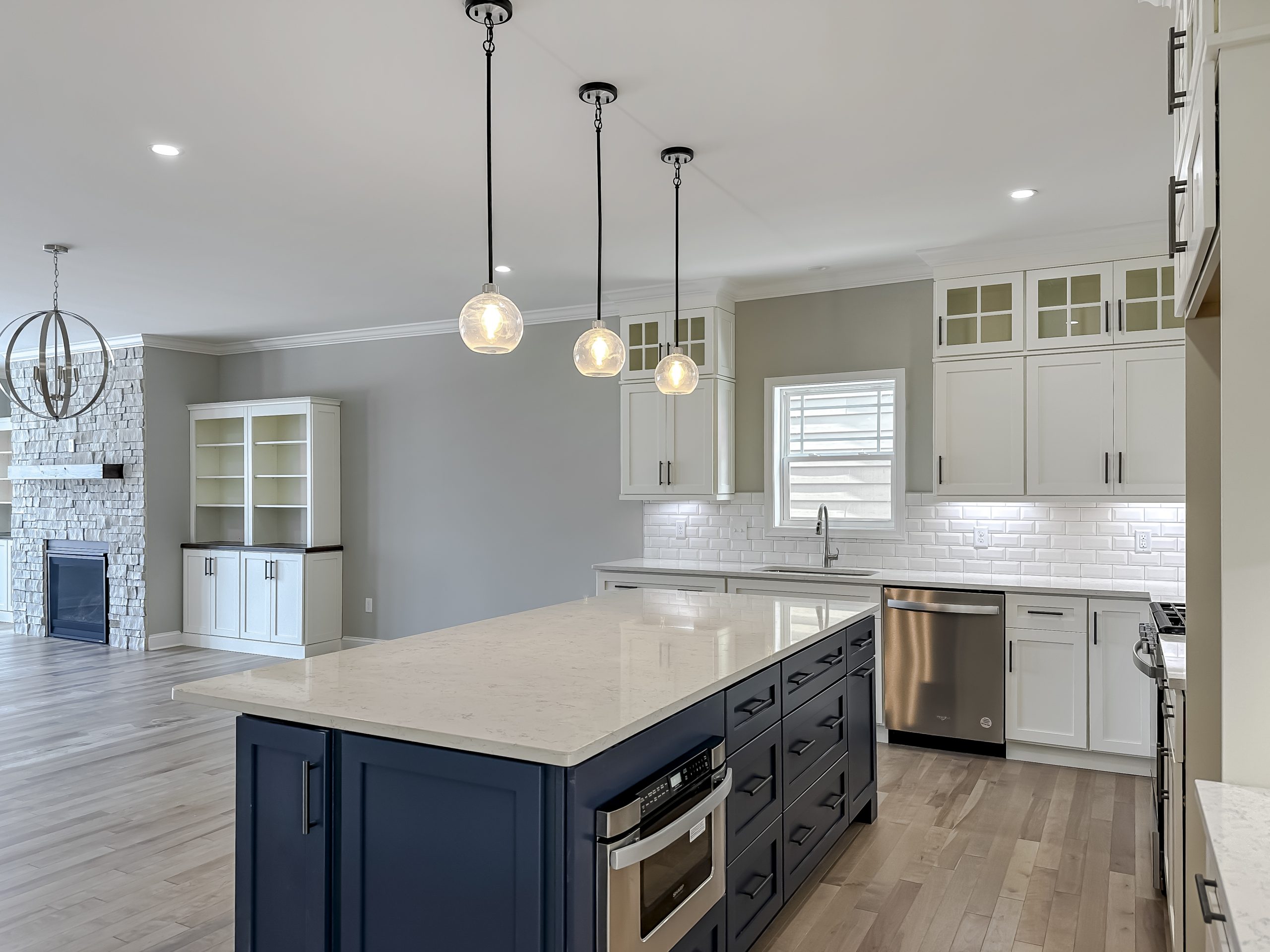
    Kitchen with quartz countertops, pendant lighting and center island

    Customization possibilities

    Buyers gain from being able to customize their home according to their personal taste with a range of color options and finishes available giving them the ability to create a unique look that fits their lifestyle perfectly! Whether it’s painting walls or changing fixtures or countertops, buyers have full control over how they want their space to look and feel when it’s complete – something that cannot be achieved with existing homes.


    Warranty coverage

    A major benefit of purchasing a newly constructed home is that it comes with a warranty coverage plan from the builder. This ensures any potential issues or defects within the home are taken care of quickly without making homeowners incur additional costs down the line. At S&A, we provide a 10-year warranty that’s fully transferable for our homebuyers’ convenience and peace of mind. Our dedicated Customer Care Department is on hand to simplify the claims process.

    New construction homes by S&A Homes

    Ultimately, the decision to buy a new construction home depends on your priorities and timeline. S&A Homes has a long history of building quality new construction homes throughout central and south-central Pennsylvania. Our new home communities are located in desirable neighborhoods.

    We offer several new construction options for first-time buyers. Buyers with a longer timeline can build a new home from the ground up with us. Our experienced team will walk you through every step of the building process. Choose from building in one of our many new home communities or on your own land.

    Want a new construction home without the wait of building from scratch? Check out our quick move-in homes as well as our Streamline Series of plans. Our Streamline collection of plans come with the same construction quality that S&A Homes is known for with a faster build time.

    We hope you’ll consider S&A Homes when you’re ready to make the move into a new construction home.  We invite you to learn more about new home opportunities from S&A Homes throughout Central and South-Central Pennsylvania. Call 1-855-SAHOME1 or visit www.SAHomeBuilder.com to learn more about our new home communities, floorplans, and more.

  • Designing a Nursery You’ll Love

    Designing a Nursery You’ll Love

    As a new parent, designing a nursery can be an intimidating task. There are many things to consider and decisions to make like color schemes, furniture selection, and safety concerns. To help make the process easier, we’ve outlined some tips and tricks that you can use to create a nursery that is both inviting and practical for everyday use.

    Plan the layout and furniture

    The first step in designing any room is determining the size of the space you have to work with. Measure the square footage of the room and decide on the type of layout you would like to have in the nursery. The nursery should be sectioned into zones for sleeping, nursing, changing, and playing so you can easily take care of the baby. Find the best placement for the essential furniture like the crib, changing table, and rocking chair you’ll use for nursing based on the available space. Here are some layout options if you need some ideas.

    When it comes to planning what furniture to include in the nursery, size matters. Make sure whatever furniture you choose will fit in the room comfortably with enough room left over for your little one to explore. Don’t feel pressured to buy new or baby-specific furniture. You can get creative and use furniture your child can grow into so it doesn’t need to be replaced as they grow.

    Choose colors, fabrics, and accessoriesDesigning a Nursery You'll Love

    Now it’s time for the fun part: choosing colors, fabrics, and accessories! Try not to overload with too much color or too many patterns – this can make the space feel overwhelming. Go for a simple but stylish look to create an inviting atmosphere while still being practical. Bed linens are also important when creating a safe sleeping environment for your baby. Look for organic materials that are soft and cozy yet breathable such as cotton muslin or jersey knit sheets.

    Adding wall decorations helps bring life into the nursery while still keeping a calm atmosphere. Think about hanging artwork such as prints or framed photographs of family members that can become part of special memories later on in life with your little one. 

    Lighting options

    The nursery’s primary purpose is for sleeping. It’ll be important to control the light and noise in the space. Blackout shades will reduce light and make it easier for your little one to sleep during the day and thick pile rugs and drapes can dampen the noise from around the house.

    In addition, you’ll need adequate lighting in the room. Layer overhead lights with task lighting to provide bright illumination during diaper changes but also a cozy ambiance during nighttime feedings or lullabies.

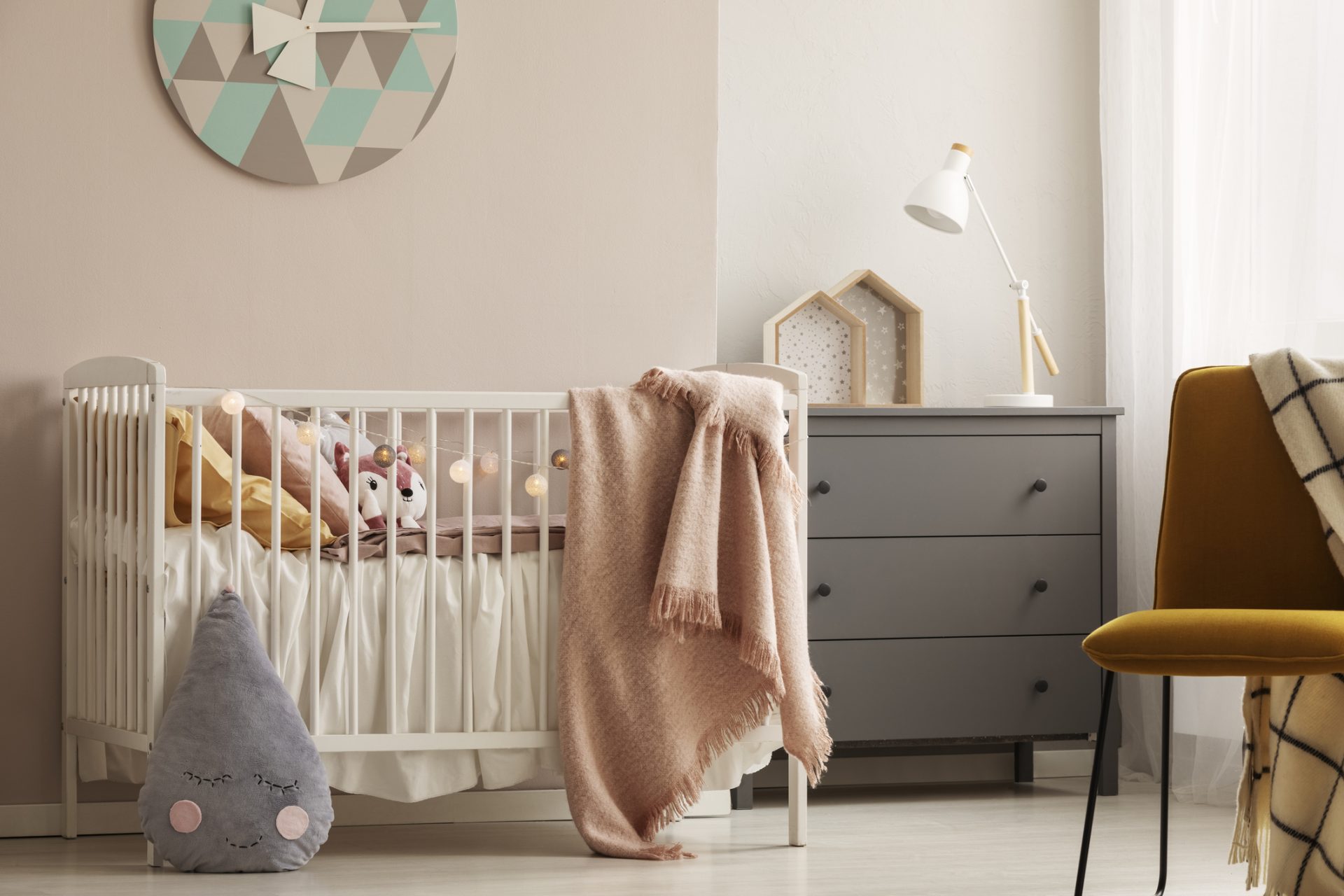
    Pillows and toy in white wooden crib with pastel pink blanket in bright nursery

    Storage solutions

    Storage solutions are essential for any nursery design plan because they provide easy access to all of the baby’s essentials without taking up too much space. Look for storage options that are both functional and aesthetically pleasing; shelves with decorative baskets or drawers with colorful knobs can add character while still providing ample storage space for toys or clothing items.

    Safety considerations

    When designing your nursery, it is important to consider potential hazards such as electrical outlets or sharp edges on furniture pieces. Make sure that all electrical outlets are covered and all furniture pieces are securely attached to walls or floors (if necessary). Keep any small items away from curious little hands by using secure storage solutions or hiding them in cabinets or drawers with childproof locks.

    Designing a nursery doesn’t have to be stressful; by following our tips and tricks outlined above you should have no trouble creating a warm, inviting atmosphere with plenty of practical storage solutions thrown into the mix too.

    Whether you’re looking for more space to grow your family or need extra room for a new arrival, we hope you’ll consider us. S&A Homes offers a variety of new home communities and floorplans in the most sought-after locations in Pennsylvania. We can also build your dream home on your own land! For more details, visit us at SAHomebuilder.com.

  • Energy Efficiency Tips for Your New S&A Home

    Energy Efficiency Tips for Your New S&A Home

    Energy Efficiency Tips for Your New S&A HomeMaking your new S&A home more energy efficient is one of the best ways to reduce your carbon footprint, save money and ensure a comfortable living environment. Here are some tips on how you can make your home more energy efficient.

    Use Natural Light

    One of the most cost-effective ways to save electricity and reduce energy consumption in your home is to take advantage of natural light whenever possible. Open up blinds and curtains throughout the day and let the sun’s rays fill up your space so that you don’t have to turn on an extra lamp or two when trying to read.

    Change Lightbulbs

    Choosing energy-efficient lighting like LED or CFL bulbs over traditional incandescent ones can save hundreds of dollars annually on your electricity bill while remaining eco-friendly at the same time. LED and CFL bulbs last up to 25 times longer, use 75% less electricity than their counterparts, provide better quality lighting overall, and come in a variety of customizable colors depending on your specific needs and preferences.

    Insulate Windows & Doors

    Inadequate insulation around windows and doors can be a major source of air leaks in any home – letting warm air escape during winter months or cold air escape during summer months. Even with double-paned windows present, insulation around frames should still be sealed tightly for additional protection. Install weatherstripping around cracks within frames for maximum efficiency. 

    Upgrade Your Appliances

    Upgrading older models of appliances with newer, ENERGY STAR-certified ones can drastically reduce energy usage throughout the home while still providing optimal results – especially when it comes to laundry machines, dishwashers, and refrigerators. Not only do these appliances require less power than other models (which means lower bills), but they are also often quieter as well due to their increased efficiency ratings points overall. 

    Programmable Thermostat - Energy Efficiency Tips for Your New S&A HomeUtilize Smart Thermostats

    Smart thermostats allow you to regulate temperatures throughout the entire house without having to manually adjust settings each time you want to change them. This means that no matter which room you’re in, temperatures will always be ideal allowing you to have greater control over heating and cooling costs year-round. Additionally, many smart thermostats come with learning functionalities that allow the device itself to take note of temperature preferences over time.

    Unplug chargers and turn off electronics

    To reduce wasted energy, it’s important to unplug chargers and other electronics when they’re not being used. These secret energy vampires quietly drain energy when left plugged in when not in use. Energy.gov notes the average charger consumes 0.26 watts of energy when idle and 2.24 watts when connected to your device.

    Maintain your HVAC systems

    Tuning your HVAC system is a great way to keep your home energy efficient. By adjusting air filters, checking for air leaks, and inspecting the ducts regularly, you can make sure that your HVAC system is working properly and not wasting energy. With proper maintenance of your HVAC system, you can save money on energy bills while also keeping your home comfortable.

    Energy-Efficient New Construction Homes by S&A Homes

    S&A’s eHomes are designed to be eco-friendly, energy efficient, and healthier without sacrificing a home’s value. We pride ourselves on staying ahead of the curve by including cutting edge energy efficient technology in every home we build. We focus on the whole house – not just components.

    You can rest assured knowing your S&A home has been built to the highest construction standards with quality energy efficient materials. To learn more about S&A Homes and our energy-efficient new homes, visit Life in a S&A Home.

  • Key Qualities to Look for in a New Home Builder

    Key Qualities to Look for in a New Home Builder

    Key Qualities to Look for in a New Home BuilderWhen it comes to building a new home in Central Pennsylvania, selecting the right homebuilder is one of the most important decisions you will make. It’s essential to carefully research and evaluate each builder you are considering to ensure you are making an informed decision. We uncover the key qualities you should look for when choosing a new home builder in central Pennsylvania.

    1.    A solid reputation

    A good reputation is one of the most important qualities of any homebuilder. You can start by doing some online research and check customer feedback and ratings to gauge reliability and trustworthiness. Most importantly, talk to other homeowners who have purchased homes from that builder as they have direct experience with the builder’s process and results. You may also want to ask your real estate agent for referrals or their experience with local builders.

    2.    Building experience

    Experience matters when it comes to building homes. You want to make sure you choose a home builder who is capable of completing the job in a timely and efficient manner. When interviewing builders, ask about their past projects, particularly those similar to your project to make sure they have an established track record for success.S&A Homes - New Home Builder in Central and South Central Pennsylvania

    3.    Uses quality materials

    It is important to make sure that your builder uses quality materials in their work. Ask about the grade of materials that will be used, whether there are any extra costs associated with upgrades, and whether you will pay more for better materials upfront or during construction. It may also be helpful to request samples so that you can inspect them up close. 

    4.    Attention To Detail

    Investigate how well builders pay attention to design elements such as trim and fixtures. Consider reviewing online portfolios or examples of previous projects for a better understanding of their capabilities in this area; this could help determine whether or not their style matches yours.

    5.    Flexibility and adaptability

    Life inevitably throws curve balls at us every once in a while. If your prospective builder cannot handle change then they may not be right for your project. It may be helpful to check if they have processes in place that allow them to easily adjust plans according to changing requirements or unexpected challenges such as bad weather conditions or supply delays. so your project runs smoothly throughout its duration.

    6.    Clear communication

    Last but certainly not least, communication is key! Discuss clear communication policies so expectations are established from both parties involved in the project; this will help avoid miscommunication down the line during the construction process itself or after it’s complete when dealing with ongoing maintenance or repairs issues that may arise over time. Establish response times for questions or concerns that arise during or after construction is complete. Ultimately you want a new home builder who will provide timely responses and feedback throughout your entire build.

    By keeping these essential qualities in mind, you can rest assured knowing you have selected an experienced and reliable home builder who can meet both your needs and budget – resulting in a dream house you’ll love.

    At S&A Homes, we believe building a home shouldn’t be a hassle. Here’s an overview of what you can expect during the new home process with us.

    Finding the right new home builder to partner with on your new home is important. We hope you’ll consider building your new home with S&A Homes. To learn more about our amazing new home opportunities where we build in Central and South-Central Pennsylvania, including build on your lot, call 1-855-SAHOME1 or visit www.SAHomeBuilder.com.

  • Ultimate Guide to Setting Up a Home Office

    Ultimate Guide to Setting Up a Home Office

    Ultimate Guide to Setting Up a Home OfficeWorking from home has become increasingly popular as many companies are now offering remote work arrangements. With this shift to working remotely, it’s important to set up a productive and comfortable workspace in your new construction home. Here are some tips to optimize your workspace for maximum productivity and efficiency.

    Choose the right space

    The first step is finding the right spot in your new home for your office. Ideally, you should try to separate work and living spaces as much as possible to keep work-related stress from spilling into other areas of your home life. It also allows for more mental clarity when switching between tasks.

    Converting an extra bedroom into an office is a common solution. Other remote workers set up a workspace in a dedicated area of a shared living space. Many of our home plans offer options for a dedicated office or den space that can serve as your home office without needing to give up a bedroom.

    Investing in quality furniture

    Ergonomic comfort is critical when setting up an effective workspace at home. Investing in quality furniture can be beneficial in promoting proper posture and avoiding strain on the body throughout long hours of work. Desks and chairs should be at elbow height or higher for comfortable typing on the computer. Adjustable standing desks also offer great alternatives if you prefer to stand while you work.

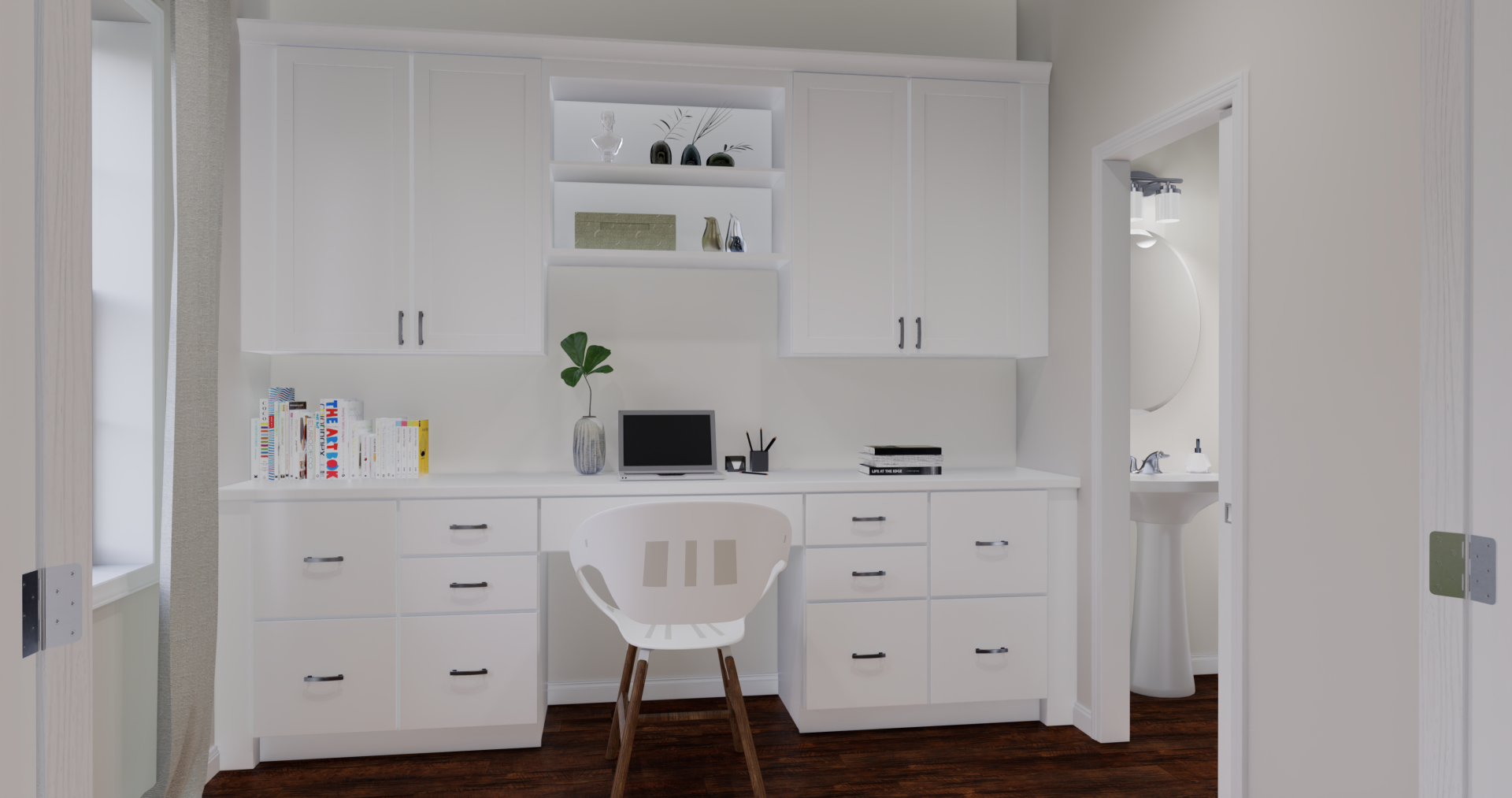
    alexandria office option with built-in cabinetsLighting matters

    Lighting plays an important role in creating a productive environment at home. Natural light is ideal because it reduces eye strain during long hours of screen time while also increasing alertness and productivity levels throughout the day. Supplement natural light with task lighting so your home office is properly lit in case you need to work late into the night.   

    Cleaning & decluttering

    Keeping things clean is essential for maintaining focus and staying organized throughout the day – especially if multiple people are sharing a single workspace. Shelves, cabinets, and drawers can help keep items organized while offering convenient access when needed later on. A neat space will go a long way toward helping you stay motivated and productive during work hours!

    Business man typing on laptop computer

    Personalize your workspace

    An often-overlooked perk of working from home is the complete freedom to decorate your workspace exactly how you want. Incorporate photographs of friends or family members that inspire you, collectibles, and artwork. House plants have been known to improve moods by providing oxygen. Experiment with different styles until you find something that speaks to you.   

    Take breaks

    While this last tip isn’t for something tangible, it’s still important. Be sure to take regular breaks throughout the day. Since your coworkers aren’t around (or perhaps because of this!), it’s easy to get lost in long periods of uninterrupted workflow without realizing how much time has passed between breaks. Regularly taking breaks throughout the day helps refresh both mind and body from fatigue and burnout. Taking short 5-10 minute breaks every few hours will give you the boost you need.

    Creating a productive workspace at home doesn’t have to be difficult or expensive; with some careful planning, you can create an effective and productive workspace at home.

    To learn more about new home opportunities throughout Central and South-Central Pennsylvania from S&A Homes, call 1-855-SAHOME1 or visit www.SAHomeBuilder.com.

  • How Much Money Do You Need to Buy a New Home in Central Pennsylvania?

    How Much Money Do You Need to Buy a New Home in Central Pennsylvania?

    How Much Does it Cost to Buy a New Home in Central PennsylvaniaPurchasing a home is an exciting journey, but it’s important to have a financial plan in place before you start house hunting. If you’re looking to buy a new construction home in Central Pennsylvania, there are certain costs to consider that can affect your budget. Here’s an overview of the associated costs of buying a new home in Central Pennsylvania.

    Home Prices in Central Pennsylvania

    The median price for a home in Pennsylvania is $263,500 according to Redfin (as of November 2022). This amount will vary depending on where you live and what type of property you’re looking for. For example, if you’re looking for a luxury single-family detached home with all the bells and whistles then expect to pay more than the average price. On the other hand, if you want something smaller like a condo or townhouse then it may be possible to get into these types of properties for less.

    Regardless of what type of property you choose, it’s essential to understand the costs associated with homeownership – which goes beyond just the purchase price of the property, in order to determine how much you need.

    Deerfield. Single Family Homes in Shippensburg, PA

    1. Down Payment

    This refers to a portion of the total cost of the home that is paid upfront when making an offer on it. The minimum down payment amount required by lenders varies depending on the type of loan program and additional criteria such as credit score. Most people will need to have at least 3.5-10% saved up for a down payment on their new home. For a median priced home, this would be between $9,222 and $26,350.

    Additionally, you should also factor in other expenses such as closing costs (more on that in a moment), property tax payments, homeowner’s insurance, furnishings, and any unexpected repairs that may arise after purchasing the property.

    2. Closing Costs

    In addition to the down payment, there are also closing costs associated with purchasing a home that typically ranges between 2 – 5% of the purchase price. These include fees for title insurance, inspections, appraisals, attorneys, and more that help cover administrative fees before closing on the house. Again, for a median price home, the estimated range would be $5,270- $13,175.

    3. Remodeling and Repairs

    Unless you’ve purchased a new construction home, you may want to do some remodeling or repairs to make it yours. Depending on what type of projects you have planned out (e.g., kitchen renovations or bathroom updates) budgeting anywhere from $5,000 – $100,000+ could be necessary here as well. You don’t need to complete all of the projects at the same time. You can spread them out over time.

    While the choice between new construction and resale comes down to personal preference, here are some benefits of purchasing a new construction home.

    How Much Money Do You Need to Buy a New Home in Central Pennsylvania?4. Moving Costs

    If you’re relocating cities or states to purchase your new Central Pennsylvania property don’t forget to budget for moving expenses. Factors such as when you move, distance traveled, and the number of trucks or pods needed will impact how much this will ultimately cost so be sure to factor these into your budget too.


    The journey towards buying a new construction home in Pennsylvania comes with many financial considerations and responsibilities. Researching market conditions ahead of time will prove invaluable when calculating just how much money one needs upfront for both down payments and closing costs while also keeping track of ongoing expenses during homeownership such as taxes and insurance premiums will ensure there aren’t any surprises along the way.

    Finding Your Dream Home in Central Pennsylvania

    S&A Homes is proud to build affordable new home communities throughout Central and South-Central Pennsylvania. We can also build on buyer-owned land through our Build on Your Own Land program. To learn more about our available inventory and communities, call S&A Homes at 855-921-3626 or contact us now. We’re happy to help!