Category: Homebuying

  • Get Your Credit Ready for a Mortgage

    Get Your Credit Ready for a Mortgage

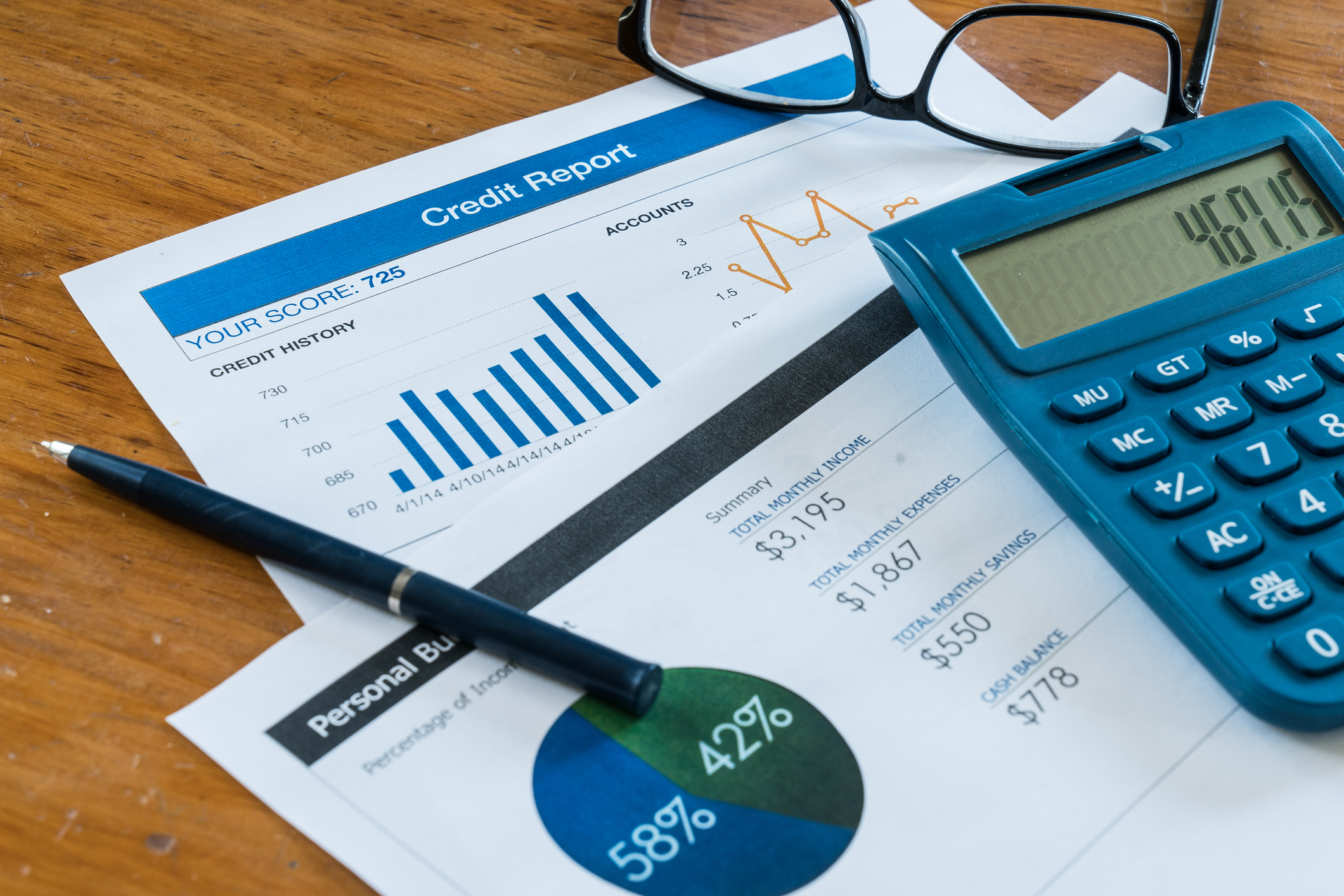
    Get Your Credit Ready for a MortgageAre you thinking about buying a home? One of the key factors in successfully securing a mortgage is having a strong credit score. Lenders use your credit score to determine your creditworthiness and the interest rate you will qualify for on your mortgage. If you’re planning to buy a home in the near future, now is the time to start working on improving your credit score. In this blog post, we’ll discuss some tips and strategies to help you get your credit ready for a mortgage.

    Check your credit report

    The first step in getting your credit ready for a mortgage is to check your credit report. You are entitled to one free copy of your credit report from each of the three major credit bureaus – Equifax, Experian, and TransUnion – every 12 months. Reviewing your credit report will give you an overview of your current financial situation and allow you to identify any errors or discrepancies that may be negatively impacting your score. If you find any inaccuracies, be sure to dispute them with the credit bureau to have them corrected.

    Pay down existing debt

    Once you have reviewed your credit report and addressed any errors, it’s time to start working on improving your credit score. One of the most effective ways to boost your score is by paying down existing debt. Lenders look at your debt-to-income ratio when evaluating your loan application, so reducing your debt can have a positive impact on both your score and your ability to qualify for a mortgage. Focus on paying off high-interest debts first and consider consolidating multiple balances into a single loan with a lower interest rate.

    Pay your bills on time

    In addition to paying down debt, another way to improve your credit score is by making all of your payments on time. Payment history makes up 35% of your FICO score, so even one late payment can have a significant negative impact on your overall score. Set up automatic payments or reminders to ensure that you never miss a payment deadline. Consistent, on-time payments over time will demonstrate responsible financial behavior and help raise your credit score.

    Get Your Credit Ready for a MortgageLower your credit card balances

    Another factor that affects your credit score is your credit utilization ratio, which is the amount of available credit you are using. Ideally, you should aim to keep this ratio below 30%. If you have high balances on your credit cards, try paying them down as much as possible before applying for a mortgage.

    Keep old accounts open

    Another strategy for boosting your credit score before applying for a mortgage is keeping old accounts open. The length of your credit history accounts for 15% of your FICO score, so closing old accounts can actually lower your average account age and negatively impact your score. Even if you no longer use a particular credit card or line of credit, keeping it open and occasionally using it for small purchases can help maintain a longer history and improve your overall score.

    Avoid opening new credit accounts

    When you apply for new credit, whether it’s a credit card or a loan, the lender will perform a hard inquiry on your credit report. This can temporarily lower your credit score by a few points. To avoid any unnecessary dips in your score before applying for a mortgage, refrain from opening new accounts in the months leading up to your application. Focus on maintaining existing accounts and making timely payments rather than seeking out new lines of credit.

    Consider working with a credit counselor

    If you’re struggling to improve your credit on your own, consider working with a reputable credit counseling agency. A professional counselor can help create a personalized plan based on your financial situation and provide guidance on how to effectively manage debt, establish good financial habits, and ultimately boost your credit score.
    Get Your Credit Ready for a MortgageGetting ready to buy a home is an exciting time in anyone’s life, but it’s important to ensure that all aspects of your finances are in order before applying for a mortgage. By following these tips and strategies to improve your credit score, you’ll not only increase the likelihood of being approved for a loan but also secure more favorable terms and interest rates. Remember that building good credit takes time and patience, so start implementing these changes today and watch as your financial future becomes brighter with each passing day.

    Start your homebuying journey with S&A Homes

    We hope you’ll consider S&A Homes when you’re ready to buy your new home. We offer a diverse selection of home designs to accommodate a variety of home buyers throughout Central and South-Central Pennsylvania. Learn more about new home opportunities from S&A Homes, including quick move-in homes and build on your land opportunities, by calling call (855) SAHOME1 or visiting us online at SAHomeBuilder.com.

     

  • How to Make House Hunting Easier

    How to Make House Hunting Easier

    How to Make House Hunting EasierHouse hunting is an exciting, yet overwhelming experience, especially if you’re a first-time homebuyer. It requires a lot of time, effort, and patience. But with the right approach and mindset, you can make the process easier and more manageable. We’ll explore some tips and tricks that will help you navigate the home buying journey with ease.

    Determine your budget

    Before you start looking for houses, it’s important to determine your budget. This will help you narrow down your search, save time in the long run, and avoid falling in love with a home out or your price range. You should consider how much you are willing to spend on a house, including mortgage payments, property taxes, insurance, and maintenance costs. You can use online calculators or get pre-approved for a mortgage. A mortgage preappoval gives you an idea of what your budget and shows sellers that you’re a serious buyer and can give you an edge over other potential buyers. Here are some other reasons to consider getting a mortgage preappoval.

    Create a wish list

    Before you start browsing through homes, take some time to determine the must-have and nice-to-have features in your new home. Consider things like location, number of bedrooms and bathrooms, square footage, yard size, and proximity to schools or public transportation. This will help you stay focused on what’s important to you and avoid getting distracted by properties that don’t meet your criteria.

    How to Make House Hunting EasierWork with a real estate agent

    A good real estate agent can make all the difference when it comes to finding your dream home. They have access to multiple listings that may not be available online and can negotiate on your behalf during the buying process. Choose an agent who has experience in the area where you want to buy and has experience working with buyers in your price range.

    Use online resources

    There are plenty of online resources that can make house hunting easier. Websites like Zillow or Realtor.com allow you to browse properties from the comfort of your own home and filter results based on your preferences. You can also use these sites to research neighborhoods, view photos of homes, and compare prices.

    Take notes and pictures

    Take detailed notes during each showing so you remember what stood out (positive or negative) about each property. Taking pictures or videos of the house can also be helpful when you reference your notes later.

    Schedule showings strategically

    Don’t waste time viewing properties that won’t work for you; schedule showings strategically by grouping houses that meet similar criteria on the same day or weekend so that you can compare them side-by-side while everything is fresh in your mind.

    How to Make House Hunting EasierBe patient

    House hunting can be a long process and it’s important to be patient. It might take several months to find your dream home. Don’t get discouraged if you don’t find the perfect property right away. Remember that this is an investment that will impact your life for many years to come, so it’s okay to take your time and make sure you’re making the right decision.

    Finding your new home doesn’t have to be intimidating or overwhelming. With these tips, you can make the process easier and more enjoyable. By following these steps, you’ll be well on your way to finding the perfect home for you and your family.

    New construction homes by S&A Homes

    S&A Homes offers a variety of new home communities and floorplans in the most sought-after locations in Central and South-Central Pennsylvania. We can also build your dream home on your land! For more details, visit www.sahomebuilder.com or call 1-855-SAHOME1.

  • Top Tips for Selling a Home in Winter

    Top Tips for Selling a Home in Winter

    Top Tips for Selling a Home in WinterWhile many people wait until spring to put their homes on the market, winter can be a great time to sell. With less competition on the market and motivated buyers looking for a new home, you might be surprised to find that selling in the winter can be quite successful. However, there are a few things you need to keep in mind when you’re selling your home in the winter months. In this post, we’ll give you some of the top tips for successfully selling your home in the winter.

    Focus on curb appeal

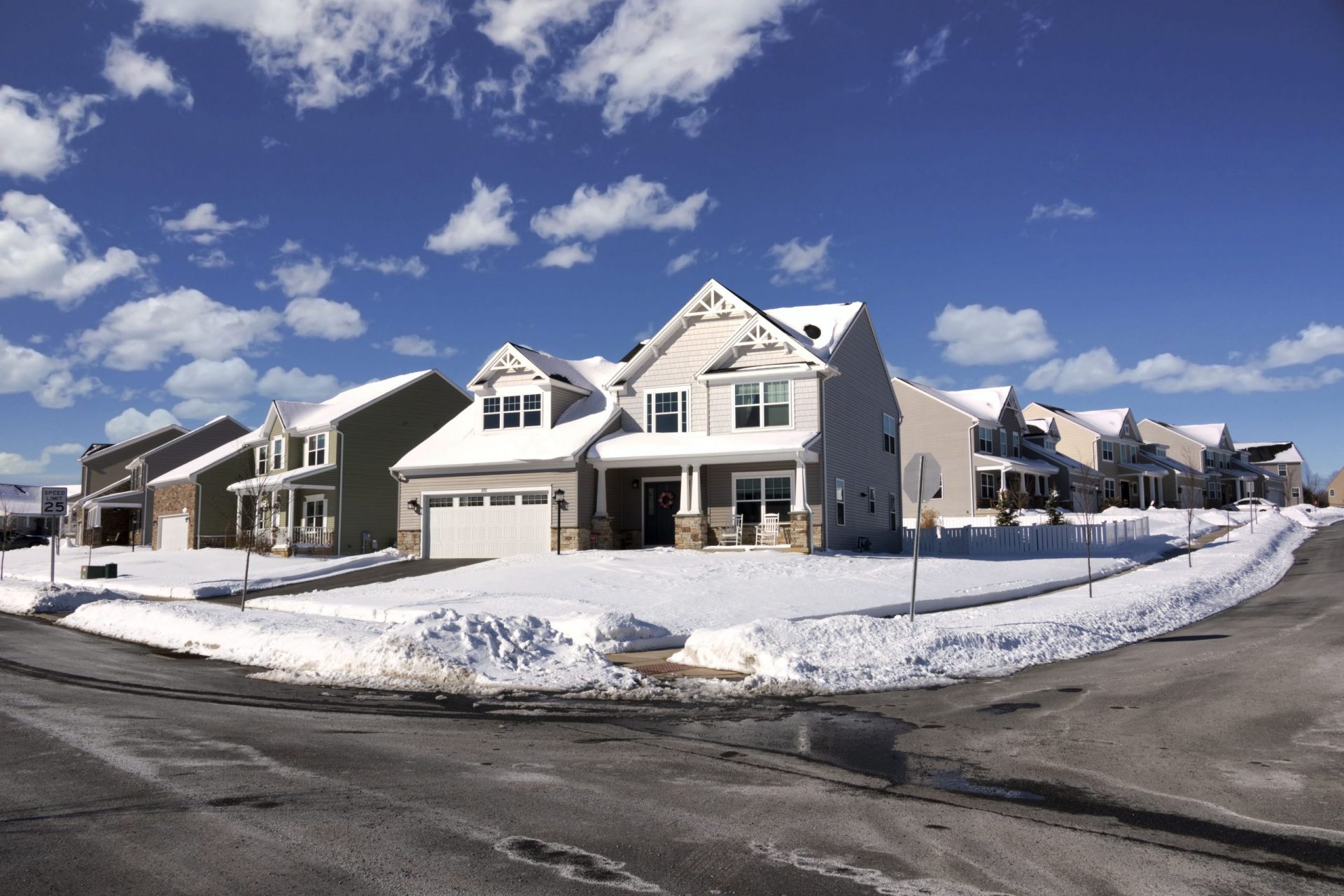
    Even though winter weather can make it less likely that you will have a lot of buyers coming by to see your home, it is still essential to make sure your home looks good from the outside. This begins with clearing your driveway, sidewalks, and any paths leading to your front door. Consider adding some winter greenery such as evergreen trees and wreaths to make your home look more inviting.

    Clear the snow and ice

    One of the biggest challenges of selling in the winter is dealing with snow and ice. You want to make sure your home is as safe as possible for potential buyers, so clear your driveway, walkways, and any other areas where people might walk. You should also make sure that any outdoor stairs are free of snow and ice. If it snows during a scheduled showing, you should make sure to shovel again before the buyers arrive.

    Make your home inviting

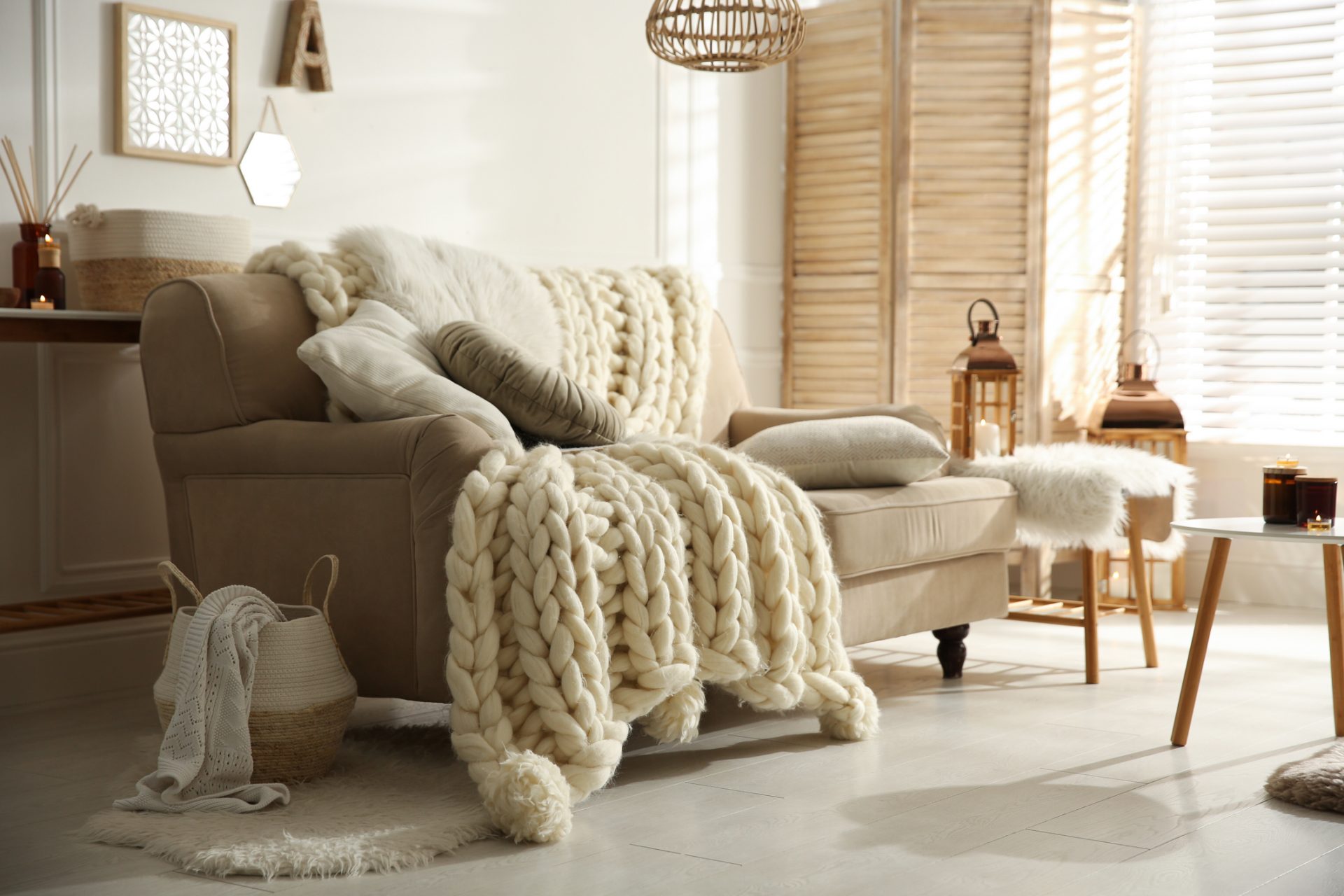
    When buyers come to view your home, you want them to feel immediately welcomed and comfortable. In the winter months, this means creating a cozy atmosphere. Think about turning up the heat and lighting a fire in the fireplace if you have one. You can also add warm throws and pillows to your furniture, which makes your home feel more inviting.

    Top Tips for Selling a Home in WinterKeep your home well-lit

    Winter days are typically shorter and darker, which can make your home look less appealing and uninviting. Ensure that all of your light fixtures have good bulbs to help brighten up the space. You can also add some strategically placed lamps and make use of natural light by opening curtains and blinds during the day.

    Highlight winter features

    While you may be eager to avoid mentioning winter in your home’s listing, highlighting any winter features can actually work in your favor. For example, if you have a fireplace, make sure it’s clean, and working correctly and use it to your advantage when hosting potential buyers. Or perhaps you have a great view; be sure to highlight that feature as well.

    Make your home sparkle

    Buyers want to see a home that is clean and well-maintained, no matter what time of year it is. This is especially important in the winter months. Keep the floors clean from snow and wet boots,  sanitize surfaces, vacuum carpets, and mop floors regularly to maintain a pristine appearance. A clean, clutter-free, and well-maintained home can create a powerful first impression, increasing its desirability and the likelihood of a sale.

    Fix any issues

    Make sure to address any issues that may be more pronounced in the winter. This could include clearing out your gutters, fixing any drafts, and ensuring your furnace is in good working order. Check all these systems and fix any problems before putting the house on the market. These issues can be turn-offs for buyers in any season, but they are particularly noticeable during winter.

    Be flexible with showings

    Make the extra effort to accommodate potential buyers’ schedules during winter. They are likely to have less daylight and might want to view the home after working hours or on weekends.

    Price your home competitively

    One of the benefits of selling in the winter is that there’s less competition on the market. However, there are still other homes for sale, so you want to make sure that your home is priced competitively. Your real estate agent can help you determine the right price for your home based on the current market conditions.

    Top Tips for Selling a Home in WinterWork with a real estate agent who understands winter home selling

    If you’re struggling to sell your home during winter, working with professionals can make a significant difference. A real estate agent with experience selling homes during winter knows how to market your home to its best advantage.

    Selling your home in the winter can be a great way to take advantage of a slower real estate market and find motivated buyers. However, you need to be prepared to deal with the unique challenges that come with selling during the winter months. If you follow these top tips for successfully selling your home in winter, you can make sure that your home stands out and attracts the right buyer, no matter the season.

    Find your new home with S&A Homes

    If you’re ready for a new home, S&A Homes can help. We offer a diverse selection of home designs to accommodate a variety of home buyers. To learn more about the new home process and new home communities throughout Central and South-Central Pennsylvania, contact S&A Homes at 1-855-SAHome1 or visit SAHomeBuilder.com.

  • Prepare Now to Buy Later

    Prepare Now to Buy Later

    Prepare Now to Buy LaterBuying a home is one of the biggest and most important decisions you’ll ever make. It signifies a new chapter in your life and is a major milestone. However, it’s not a decision that should be taken lightly. It requires a lot of preparation to make sure everything goes smoothly.

    Whether you’re a first-time homebuyer or a seasoned pro, there are several things you need to consider before starting your search. If you’re planning to buy a new home in the next year, here are some things to do to prepare to be ready to buy.

    Take stock of your finances

    Before you begin searching for your dream home, it is important to know exactly where you stand financially. This means checking your credit score, assessing your debt-to-income ratio, and reviewing your budget. Your credit score plays an important role in whether you’ll be approved for a mortgage and what interest rate you’ll be offered. The better your score, the more likely you are to get approved and receive favorable terms. Take the time to review your credit report and identify any errors or areas that need improvement.

    Save for a down payment

    A sizable down payment can help you secure a better mortgage interest rate and lower monthly payments. Start saving as early as possible to ensure you have enough money saved for a down payment. Consider setting up a separate savings account specifically for your down payment, so you’re not tempted to spend the money on other things.

    Prepare Now to Buy LaterStart researching neighborhoods

    Knowing the local real estate market is essential when buying a new home. Spend some time researching the neighborhoods you’re interested in and tracking the prices of similar homes to get a sense of what is a fair price. You can do this by browsing online real estate listings, attending open houses, and talking to local real estate agents. This will help you to understand the market trends and how they may impact your home-buying experience.

    Determine your must-haves

    While it’s important to keep an open mind when looking for your dream home, it’s equally important to determine your deal-breakers. This can help you avoid making a decision that you’ll regret later on. Consider what you need to have in a home, such as square footage, number of bedrooms, or outdoor space, and what you would like to have.

    Get pre-approved for a mortgage

    Getting pre-approved for a mortgage before you start house hunting can save you time and money in the long run. It can also make your offer more attractive to sellers as it demonstrates that you are a serious buyer. Contact your bank or a mortgage lender to get pre-approved to get a clear understanding of what you can afford. You may also want to consider getting prequalified, which is a simpler process that can give you a general idea of what you can afford.

    Build up your emergency fund

    Owning a home comes with many unexpected expenses, from repairs to sudden job loss. Building up an emergency fund can help you weather these unexpected costs without putting you in financial jeopardy. Aim to save at least three to six months’ worth of living expenses as a cushion.

    Prepare Now to Buy LaterStart house hunting

    Finally, it’s time to start house hunting. Armed with your pre-approval and knowledge of the local market, you can start touring homes and attending open houses. Don’t feel like you have to rush into making an offer. Take your time and find a home that meets your needs and is within your budget.

    Buying a new home is an exciting and significant milestone in your life, but requires preparation. By preparing ahead of your home search, you’ll be in a much stronger position for a home purchase in the next year.

    New homes for sale by S&A Homes

    S&A Homes offers a diverse selection of home designs to accommodate a variety of home buyers throughout Central and South-Central Pennsylvania. When you’re ready to buy your new home, we hope you’ll consider S&A Homes.

    Learn more about new home opportunities from S&A Homes, including quick move-in homes and build on your land opportunities, by calling call (855) SAHOME1 or visiting us online at SAHomeBuilder.com.
  • Saving for a House During the Holidays

    Saving for a House During the Holidays

    We'll share some tips that can help you save money during the holiday season and stay on track toward your home-buying goals.It’s the most wonderful (and expensive) time of the year— the holiday season. This season is often associated with spending money, from buying gifts to traveling to see loved ones. However, if you’re currently saving up for a new house, it can be challenging to balance your holiday expenses with your financial goals.

    Thankfully, with a bit of planning and discipline, it’s possible to enjoy the holidays while still saving for your dream home. We’ll share some tips that can help you save money during the holiday season and stay on track toward your home-buying goals.

    Discuss your plans with others

    Let your family and friends in on your plan for saving for a house during the holidays. Explain that going all-out this holiday season might not be feasible because you’re prioritizing your home-buying goals. Instead, suggest different ways to celebrate that won’t break the bank. Your loved ones will understand and support your decision. Be prepared to give them a gentle reminder of your goals if they stray from your plans.

    Create a realistic budget

    The first step in saving money during the holidays is to set a budget for your holiday spending. List all the things you need to purchase, e.g. gifts, decorations, and food. Then assign a specific dollar amount to each category. Be realistic about what you can afford and avoid overspending. This is one of the most effective ways to keep track of your spending and avoid making unnecessary purchases.

    Earn extra cash

    Consider taking on a part-time job or freelance work during the holiday season. Many employers offer seasonal work during this time, and it’s an excellent opportunity to earn extra cash. Alternatively, you can sell items you no longer need, such as clothing, electronics, or furniture, and use the proceeds to save for your new home.

    We'll share some tips that can help you save money during the holiday season and stay on track toward your home-buying goals.Maximize your savings

    The holiday season is a great time to find deals and discounts on gifts and decorations. Take the time to research prices and compare them across different retailers. Look for sales, coupons, and promo codes that can help you save money. Shopping online can also be a great way to find deals and avoid the crowds at the mall. You can also use a cashback app or credit card that offers rewards for purchases to save extra cash.

    Downsize your holiday celebration

    The holiday season is filled with parties and gatherings. They can be expensive whether you’re hosting or attending as a guest. If you’re usually a host, consider hosting a smaller, more intimate gathering with your closest friends and family. If your social calendar fills up, consider limiting the number of parties you attend. This way, you can enjoy the holiday spirit without breaking the bank.

    Choose inexpensive gift options

    Another way to save money is to choose less expensive gift options. Homemade gifts, sentimental items, or even a thoughtful card can make the perfect gift. You can also consider doing a Secret Santa or drawing names to buy gifts for one person instead of everyone in a group.

    We'll share some tips that can help you save money during the holiday season and stay on track toward your home-buying goals.Stay motivated

    Saving money during the holiday season may seem daunting, but remember that every little bit counts. It’s still important to set aside funds for your down payment, closing costs, and other home-buying expenses. Set aside a certain amount of money each week or month for your down payment, and avoid using that money for anything else. If you’re struggling to save money, consider making adjustments to your budget or finding ways to increase your income. The holiday season is only temporary but your dream of homeownership is a long-term goal.

    Saving for a house during the holiday season doesn’t have to be daunting or discouraging. By following these tips, you can still enjoy the season while also staying on track for achieving your financial goals. Remember, every little bit of savings counts, and staying disciplined can pay off big in the end when you’re ready to purchase your dream home.

    New homes by S&A Homes

    Whether you’re looking to buy new this year or in the future, we hope S&A Homes becomes your builder of choice. We have a long history of building quality new construction homes in communities located in desirable neighborhoods throughout Central and South-Central Pennsylvania. Call 1-855-SAHOME1 or visit SAHomeBuilder.com to learn more about our new home communities, quick move-in homes, and build on your lot opportunities.

  • Must Have Home Features for Entertaining

    Must Have Home Features for Entertaining

    Must Have Home Features for EntertainingFor many homeowners, entertaining guests is a regular part of their social life. From family and friends to colleagues and neighbors, there’s always someone to host and entertain. If you’re buying a home and plan on entertaining regularly, there are certain features you should consider. Not only can they make your home more functional, but they can also enhance the overall entertaining experience for you and your guests. Here are some must-have home features for entertaining that you should keep in mind when house hunting.

    Welcoming entry or foyer

    Avoid a front door traffic jam by providing a spacious entryway for your arriving guests. Give them room to comfortably remove their coats, exchange greetings, and make themselves at home. To make things even better, find an entryway with enough space to move around and well-lit for a warm and inviting atmosphere. And don’t forget about the exterior! Look for a canopy or covering to shelter your visitors from any unexpected rain or snow.

    Coat closet

    Having a coat closet near the main entrance is a lifesaver for stowing away your guests’ coats and bags. Not only does it keep these items out of sight, but it also adds a touch of organization to your space. If the entryway is on the larger side, consider stylish wall hooks or a trendy coat tree.

    Open floor plan

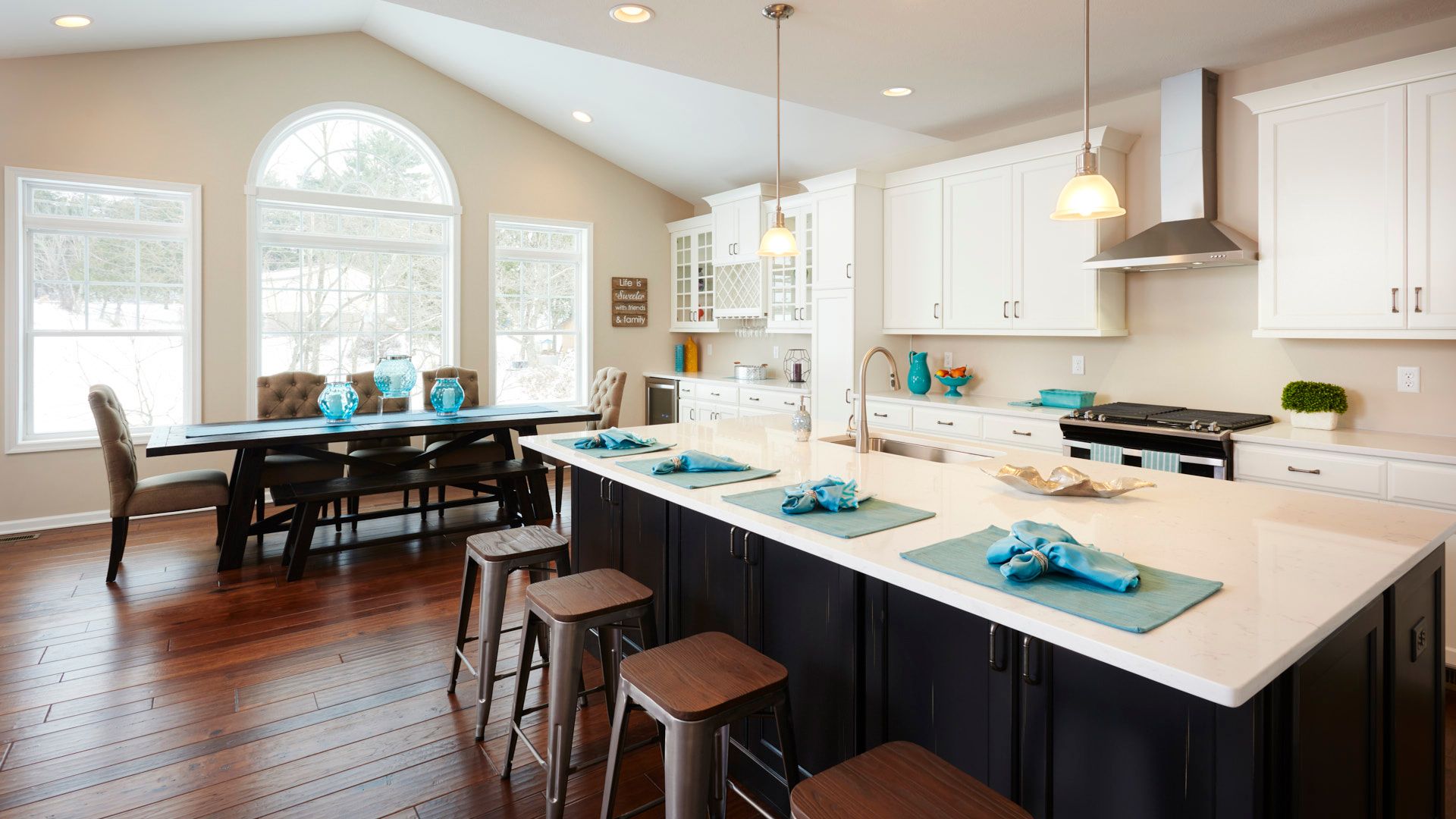
    An open floor plan is an essential feature of any home meant for entertaining. This type of layout allows guests to easily flow from one room to another without feeling cramped or confined. An open floor plan also creates a more social and inviting atmosphere, making your guests feel welcome and relaxed. Look for a home with a spacious living and dining area that can accommodate your guests comfortably. An open-plan living room will allow your guests to sit, relax, and chat while you’re preparing meals or drinks.

    Must Have Home Features for EntertainingOutdoor living spaces

    If you plan on entertaining during the warmer months, outdoor space is a must-have feature. Bonus points: an outdoor entertainment area can also increase the value of your home. Look for a home that has an outdoor entertainment space that can easily accommodate your guests. It can be a patio, deck, or backyard where guests can mingle and enjoy the outdoors. Make sure the space is easily accessible from the indoor entertaining area to encourage guests to spend time outside.

    Guest rooms

    If you’re going to entertain regularly, having a guest room can be a great addition. This will allow your guests to stay over without having to travel home late at night. Look for a home that has a guest room or additional space that can be used as a guest room. Having a comfortable place for your guests to sleep will make them feel more welcome and encourage them to come back.

    Storage space

    Hosting a party requires a lot of equipment, from serving platters and utensils to extra seating and decor. Having ample storage space is essential to keep your home organized and clutter-free. When viewing potential homes, make sure there are enough cabinets, closets, and storage areas to accommodate all of your entertaining needs.

    First-floor bathroom

    Depending on the size of your home, a bathroom or powder room on the first-floor is another essential feature. A main floor bathroom makes it easy for guests to find and use and keeps them from wandering around upstairs. Keep the bathroom stocked with essentials like toilet paper, paper towels, and a soap dispenser for their convenience.

    Must Have Home Features for EntertainingSmart home automation

    Home automation allows you to control the environment of your home, including lighting, heating, entertainment, and security, from your smartphone or tablet. This feature can make it easier to prepare for guests, adjust the lighting to create the right ambiance and control the entertainment. It can be a valuable asset when entertaining, allowing you to focus on your guests and not the logistics of running your home.

    Buying a home with entertaining in mind requires careful consideration of several key features. Whether you’re hosting a small gathering or a big celebration, these must-have features above can make all the difference.

    New construction homes by S&A Homes

    Are you looking for a larger home so you can host the next family get together? S&A Homes offers a diverse selection of home designs with many of the must-have entertaining features like open floorplans. Learn more about new home opportunities throughout Central and South-Central Pennsylvania, including quick move-in homes and build on your land opportunities, by calling 1-855-SAHOME1 or visiting us online at SAHomeBuilder.com.

  • Attached Home vs Detached Home: How to Choose

    Attached Home vs Detached Home: How to Choose

    Attached vs Detached: How to ChooseBuying a home is one of the most significant financial decisions you’ll ever make. It’s important to closely consider what you need and want in your new home. One of the choices you’ll need to make is whether to buy an attached or detached home. It might seem like a straightforward answer, but there are several factors that you should consider before making your choice. Here is an informative guide on attached vs. detached homes to help you choose the right kind of home for you.

    There are two types of homes: attached and detached. Detached homes are the most popular option. However attached homes have become more common in recent years, and many people are choosing to buy them instead.

    What is a detached home?

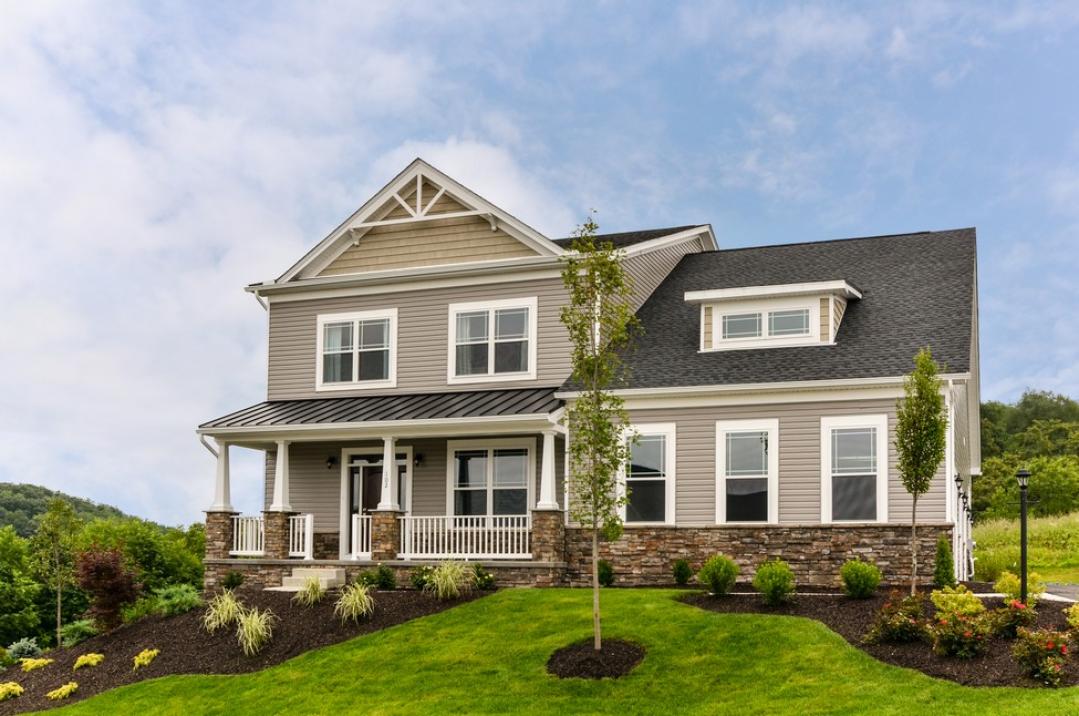
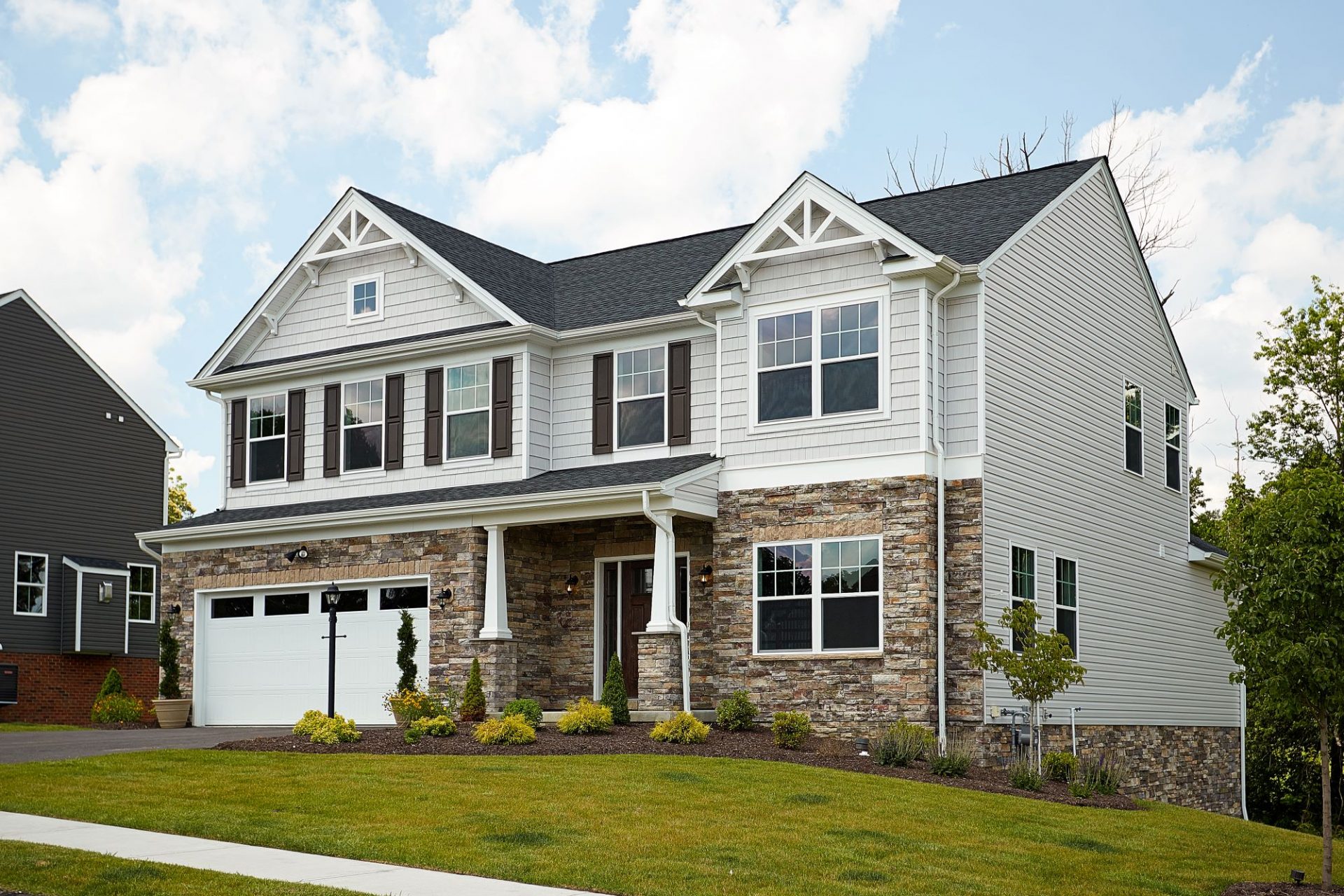
    Let’s start with detached homes. As the name suggests, these homes are separated from other properties and have their own plot of land. They offer more privacy and space, making them ideal for families with children or pets, or for those looking to have a home office or outdoor living space. Detached homes also typically have more natural light and ventilation. They also tend to be quieter, making them great for those who value peace and quiet.

    Montgomery model home elevationWhat is an attached home?

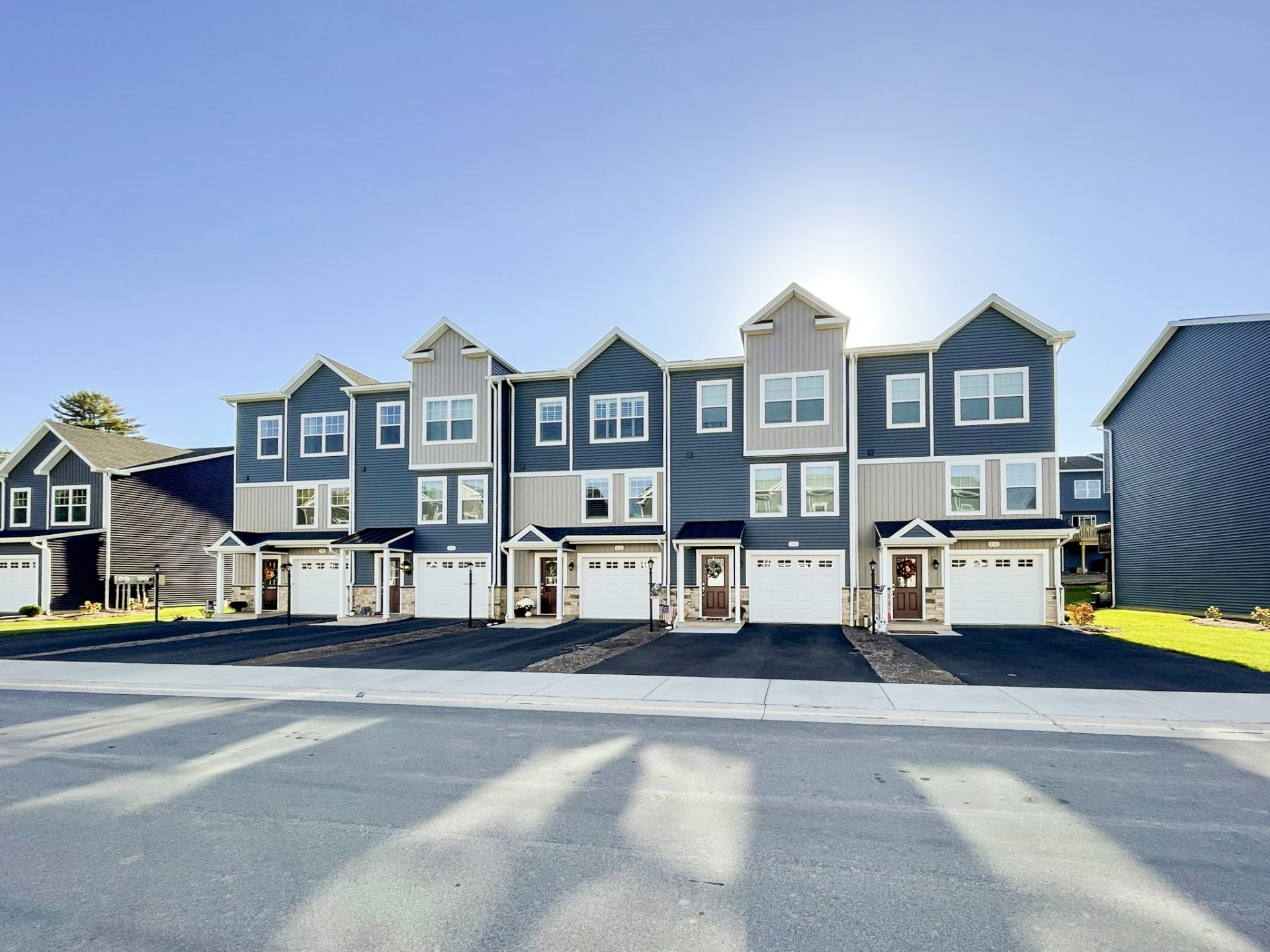
    On the other hand, attached homes – also known as townhomes or carriage homes – are joined together by a shared wall. They’re more affordable than detached homes and can be an excellent option for first-time homebuyers.  They also usually have shared areas, such as driveways or backyards, which can encourage a sense of community among the homeowners.

    The differences between attached vs. detached homes

    The most noticeable difference is that attached homes share a wall while the detached home stands alone. Of course, the primary advantage of a detached home is more privacy. Newer attached homes may have separate entrances that resemble a stand-alone room, which provides additional privacy.

    Detached homes come with more space, larger yards, lower noise levels, and more design options. They generally have fewer restrictions with aspects like home layout, exterior paint, and landscaping. Attached homes are generally more compact with limited outdoor space – ideal for those looking for a more low-maintenance lifestyle.

    Detached homes may come with more expensive utility bills and maintenance tasks. But they provide a more generous investment value and potentially higher resale price. A bonus of attached homes is their energy efficiency. Thanks to the shared walls, they often have insulation in the walls and floors, which can help minimize energy wastage and lower your utility bills. Additionally, attached homes generally require less time and money for maintenance, as they have smaller outdoor areas.

    An additional factor to consider is your preferred location, as attached homes have been trending in city centers while detached homes are more abundant in suburban and rural areas, offering more peaceful surroundings.

    There are unique selling points for those in different life stages. Retirees appreciate attached homes because they provide more security, lower maintenance, and have an abundance of amenities. Younger families with children lean towards detached homes since they offer proximity to nature, have larger outdoor spaces for children to play in, and have more privacy from neighbors.

    How to choose between an attached or detached home?

    Ultimately, the choice between an attached or detached home comes down to your personal preferences. Both options have their pros and cons and are suitable for different lifestyles. If you’re looking for privacy, space, and a backyard to call your own, then a detached home may be the best option for you. But if you’re more interested in affordability, energy efficiency, and community living, an attached home may be the way to go.

    When making your decision, remember to consider your lifestyle, your budget, and your future needs. A home is a significant investment, and making the right choice will pay off in the long run. With the right home, you’ll be able to enjoy your life, your way.

    S&A Homes offers a variety of new single-family homes, including attached and detached home plans. Our new home communities are located in the most sought-after locations in Central and South-Central Pennsylvania. Learn more about new home opportunities from S&A Homes, including quick move-in homes and build on your land opportunities, by calling 1-855-SAHOME1 or visiting us online at SAHomeBuilder.com.

  • How Much is Needed for a Down Payment?

    How Much is Needed for a Down Payment?

    How Much is Needed for a Down Payment?Buying a home can be a dream come true, but it can also be an overwhelming experience, especially if you’re a first-time homebuyer. One of the most common questions that come up is how much money you need for a down payment. The good news is that there’s no one answer to this question. It really depends on your financial situation, the type of home you want to buy, and the mortgage lender you choose. Let’s discuss how to figure out how much you need for a down payment.

    What is a down payment?

    A down payment is the amount of money that you pay upfront when you buy a home. It’s the difference between the purchase price of the home and the mortgage loan. For example, let’s say you want to buy a $300,000 home, and you put down 20%, which is $60,000, your mortgage loan would be $240,000.

    How much do you need for a down payment?

    The short answer: it depends. The slightly longer answer: traditionally, a 20% down payment was considered the norm. However, many loan programs now allow for smaller amounts. In fact, according to the National Association of Realtors, the average down payment for first-time homebuyers was 6% and 17% for repeat buyers in 2022.

    The amount you need for a down payment depends on a few factors:

    • The type of home you want to buy: Down payment minimums may differ depending on whether the home will be your primary residence, a secondary or vacation home, or an investment property.
    • Your credit profile: A good credit score can help you qualify for a lower down payment.
    • Mortgage type: Certain loans require a specific down payment amount, like VA loans, which don’t require a down payment.

    How Much is Needed for a Down Payment?As a general rule of thumb, most lenders require a down payment of at least 3-5% of the purchase price of the home. However, a larger down payment can help you secure a better interest rate and lower your monthly mortgage payments.

    It’s important to note that when you put down less than 20%, you may have to pay private mortgage insurance (PMI). This is insurance that protects the lender in case you default on your loan. PMI is usually a percentage of your loan amount and is added to your monthly mortgage payment. However, once you’ve built up enough equity in your home, you may be able to cancel your PMI.

    Minimum down payment by mortgage type

    Minimum requirements vary based on your loan type and other financial considerations so check with your lender for specifics and qualification requirements. However, here’s a general guideline:

    • Conventional loan: Each lender has their own requirements but generally ranges between 3 and 5%.
    • FHA loan: With an FHA loan, borrowers with a credit score of 580 or higher can put down 3.5%. If your credit score is between 500 and 579, the minimum is 10%.
    • VA loan: Eligible active military service members and veterans can qualify for a zero-down loan.
    • USDA loan: no down payment minimum however, borrowers must meet certain income requirements and purchase a home in an approved rural area as defined by the USDA.

    Advantages of a larger down payment

    It takes time to save a substantial down payment amount but there are several advantages, including:

    • Boost your down payment: The more you put down, the lower your interest rate, and the less risky your loan becomes for the lender. Plus, if you put down more than 20%, you won’t need to get PMI, which can really add up over time.
    • Build equity: Own a bigger piece of your home and unlock funding for renovations or big purchases through cash-out refinancing, a home equity loan, or a HELOC.
    • Enjoy lower monthly payments: Borrow less and enjoy the benefits of a lower interest rate, freeing up cash for your financial goals and lifestyle needs.
    • Lower closing costs: Borrow less, pay less. Reduce the fees paid to your lender at closing by keeping your loan amount lower.
    • Outshine the competition: Stand out in a crowded market by offering a larger down payment. Show sellers you mean business and increase their confidence in your ability to close the deal.

    Advantages of a smaller down payment

    While a larger down payment offers several benefits, opting for a smaller down payment also has its own set of advantages:

    • Get a head start on building equity: Move into a home and start building equity sooner rather than waiting to save up for a bigger down payment.
    • Move in at your own pace: Saving for a hefty down payment takes time. Opting for a smaller down payment allows you to buy a home when you need to.
    • Keep your cash in your pocket: Moving comes with its fair share of expenses like repairs, upgrades, and furnishing. By choosing a lower down payment, you can hold onto more money to cover these costs.
    • Secure a home before prices soar: It could take ages to save up a 20 percent down payment, and in the meantime, home prices and interest rates might skyrocket.
    • Protect your emergency fund: You don’t want to deplete your savings just to make a big down payment. With a smaller amount down, you’ll have more wiggle room to maintain a buffer for unexpected expenses.

    How Much is Needed for a Down Payment?Down payment assistance programs

    Fortunately, there are down payment assistance programs available to first-time homebuyers to help ease the burden of a large down payment. These programs vary by state, city, and county, but many provide funds or loans to help first-time homebuyers afford a down payment. Some programs also offer financial education courses to help buyers better manage their finances and prepare for homeownership. Here are some programs within Pennsylvania.

    There is no one-size-fits-all answer when it comes to how much you should set aside for a down payment. It depends on your financial situation, the type of loan you qualify for, and your personal preferences. It is always best to speak with a mortgage lender or financial advisor to discuss your options and determine the best course of action for your situation. With a bit of planning and research, you can make the dream of homeownership a reality.

    S&A Homes: New Homes in Central and South-Central Pennsylvania

    We hope you’ll consider S&A Homes when you’re ready to make the move into a new home. S&A Homes has a long history of building quality new construction homes in new home communities located in desirable neighborhoods throughout Central and South-Central Pennsylvania. 

    We invite you to learn more about our new home opportunities, whether building on your lot or buying a home in one of our new home communities. Call S&A Homes at 1-855-SAHome1 or contact us online to learn more about our available inventory and communities.

  • Saving for a New Home While Renting

    Saving for a New Home While Renting

    Saving for a New Home While RentingBuying a house is probably one of the biggest financial decisions that anyone can make, and it’s not just about coming up with the down payment. You also need to have enough money to cover closing costs, moving expenses, and make ongoing mortgage payments. For many first-time homebuyers, saving up for a house while renting seems like a daunting task. However, it’s not impossible. In this blog post, we’ll share some tips on how to save for a house while renting so that you can start building equity in a home of your own.

    Set a goal

    The first step in saving for a house while renting is to set a goal for your down payment. Generally, a 20 percent down payment is required to avoid private mortgage insurance (PMI) but ultimately depends on your lender’s limits. Take a look at home prices in your area, and figure out how much you need to save. Once you have a target amount, you can break it down into monthly savings.

    Create a budget

    The first step toward saving for a house while renting is to establish a budget. This means tracking your monthly expenses, identifying areas where you can cut back on expenses, and freeing up more money to put toward your saving goals. Think of your budget as a spending plan for your money. Here are three key tactics to help you establish a budget:

    • Use a budgeting app: there are plenty of free budgeting apps on the market, such as Mint or You Need a Budget, that can help you track your monthly spending and create a financial plan.
    • Analyze your bank statements: review your bank statements from the past few months to identify spending habits and areas where you can cut back on expenses.
    • Create a debt repayment plan: if you have debt, such as credit card balances or student loans, create a repayment plan and make it a priority to reduce your debt obligations.

    Saving for a New Home While RentingOpen a separate savings account

    To avoid the temptation of dipping into your down payment fund, open a separate savings account for your “house fund.” To boost your savings quickly, you’ll want to open a high-interest savings account. These accounts offer a higher interest rate than traditional savings accounts, allowing you to earn more interest on your savings. It pays to compare savings accounts and find one that offers the best interest rate.

    Automate your savings

    Make saving automatic by setting up a direct deposit from your paycheck into your savings account. This ensures that a portion of your earnings goes directly toward your savings each month and makes it easy to stick to your financial goals. Additionally, you can set up automatic transfers from your checking account to your savings account at regular intervals, like every two weeks or once a month.

    Cut unnecessary expenses

    Once you have created a budget, it’s time to cut down on unnecessary expenses. This means reducing expenses such as dining out, shopping, and entertainment. Small cuts can add up to big savings if you practice them consistently. Here are some tips to reduce your discretionary spending:

    • Cook at home: Cooking at home is typically much cheaper than dining out. Consider meal-prepping for the week and bringing lunch to work rather than eating out.
    • Shop smart: Look for deals and discounts when shopping for groceries and household items. Use apps like Rakuten to get cashback on your online shopping purchases.
    • Cut the cable: Consider opting for a more affordable alternative to cable, such as Netflix or Hulu. Additionally, take advantage of public libraries or streaming services such as Hoopla to access e-books and audiobooks for free.

    Reduce your rent

    One way to save for a house while renting is to reduce your rent. Although this may seem challenging, there are several tactics you can try:

    • Consider downsizing if you’re living alone or with a roommate, consider downsizing to a smaller apartment or house. This can lead to substantial savings on rent and utility bills.
    • Look for roommate opportunities if you’re comfortable with living with roommates, this can greatly reduce your housing expenses.
    • Negotiate your rent if you’re hesitant to move, consider negotiating your rent with your landlord. You may be able to secure a lower rental rate or a few months of free rent.

    Saving for a New Home While RentingExplore down payment assistance programs

    Many people are not aware that several down payment assistance programs exist. These programs help to reduce the amount of money you need to save for a down payment. You can consult with a reputable mortgage lender to get information on the various assistance programs that are available in your area.

    Saving for a house while renting might seem like a daunting task, but with the right mindset and strategies, it’s achievable. It takes discipline and consistency to reach your savings goals. Homeownership is a long-term investment, so it’s important to be patient and stay motivated. With determination and effort, you’ll soon be on your way to owning your new home.

    New homes for sale by S&A Homes

    S&A Homes offers a diverse selection of home designs to accommodate a variety of home buyers throughout Central and South-Central Pennsylvania. When you’re ready to buy your new home, we hope you’ll consider S&A Homes.

    Learn more about new home opportunities from S&A Homes, including quick move-in homes and build on your land opportunities, by calling call (855) SAHOME1 or visiting us online at SAHomeBuilder.com.

  • Common Mistakes to Avoid When Buying a New Home

    Common Mistakes to Avoid When Buying a New Home

    Common Mistakes to Avoid When Buying a New HomeBuying a home for the first time is exciting, but it can also be overwhelming. In the process of finding the perfect place, many first-time homebuyers make costly mistakes that can be easily avoided with a little information and preparation. From skipping the pre-approval process to overlooking hidden costs, there are many ways to derail the dream of homeownership. If you’re in the market for your first home, read on to learn about the 6 common first-time home buyer mistakes and how you can avoid them.

    Not getting pre-approved for a mortgage

    Before you start shopping for homes, you need to know how much you can afford. Getting pre-approved for a mortgage will give you a clear idea of what your budget is, so you don’t waste time looking at homes that are out of reach. Plus, if you find a home you love, you’ll be ready to make an offer and beat out other buyers who haven’t been pre-approved.

    Failing to stick to your budget

    One of the biggest mistakes you can make when buying a new home is to go over budget. It’s crucial to have a budget in mind and stick to it when deciding on a property. Be realistic about what you can afford, including the down payment, closing costs, and the monthly mortgage payment as well as other expenses (more on this later). Before you start looking for a house, get pre-approved for a loan so that you know exactly what you can afford.

    Common Mistakes to Avoid When Buying a New Home
    Real estate agent with couple shaking hands closing a deal

    Not considering the full cost of owning a home

    Buying a home is not just about the sales price. There are additional costs that come with owning a home, such as property taxes, insurance, utility bills, and maintenance expenses. Failing to account for these additional costs can lead to financial stress and put a strain on your budget. When you are calculating your budget, make sure to include these expenses so you know exactly what you can afford.

    Neglecting researching the neighborhood

    Another common mistake is buying a new home in a neighborhood that you are not familiar with. It’s essential to research the area and make sure that it is a good fit for you and your family. You should also check out the local schools, amenities, and parks. Not knowing the neighborhood can lead to major issues down the line.

    Not considering resale value

    While you might be focused on finding a home that suits your current needs, it’s important to think about the resale value in the future. Your circumstances might change, and you might need to sell the home in the future. So, keep in mind the location, neighborhood, and features that could impact the value of the property in the future.

    Common Mistakes to Avoid When Buying a New HomeMaking emotional decisions

    It’s easy to get emotionally attached to a home you love, especially if it’s your first. But don’t let your emotions cloud your judgment. Just because a house is beautiful or is in a desirable location doesn’t mean it’s the right fit for you. Don’t let your emotions cloud your judgment, and take your time in making a decision that’s right for you. And don’t be afraid to walk away if the deal doesn’t make sense.

    Buying your first home is a big decision and it’s important to do your due diligence during the homebuying process. Following these tips will get you ready to tackle the homebuying process with confidence and mistakes. Knowledge is power when it comes to buying a new home. So do your research so you can be better equipped to make informed decisions and find the perfect home that will suit your needs for years to come.

    S&A Homes: Built where you live

    Ready to make the leap into homeownership? S&A Homes offers a diverse selection of home designs to accommodate a variety of home buyers throughout Central and South-Central Pennsylvania. Learn more about new home opportunities from S&A Homes, including quick move-in homes and build on your land opportunities, by calling 1-855-SAHOME1 or visiting us online at SAHomeBuilder.com.