Category: Life at Home

  • The Pet Parent’s Guide to Buying a Home

    The Pet Parent’s Guide to Buying a Home

    The Pet Parent's Guide to Buying a HomeBuying a home is a big decision, and for pet parents, it can come with additional challenges. While searching for the perfect home, you want to make sure that it not only checks all the boxes for you but that it also accommodates your furry friends’ needs. As a pet owner, you also need to consider their safety, convenience, and comfiness. To help you find the perfect home for both you and your pet, here’s a pet parent’s guide to buying a home that covers the four things you should consider before making a purchase.

    Outdoor space

    If you have a dog, a secure outdoor space and a fenced yard are vital features when choosing a new home. Pets need an area to play, run, and exercise without any restrictions. If the home doesn’t have a fenced-in yard, check if it’s possible to build one. Fencing the full perimeter of the yard will ensure that your pet is contained within the set boundaries and away from hazardous environments and busy roads.

    Flooring

    When considering a new home, take a close look at the flooring. Flooring can have a considerable impact on your pet’s mobility and health, as well as your cleaning efforts. Some flooring options, such as hardwood or tile, can scratch easily when pets run around or nails get too long. If you do choose hardwood or tile, be sure to have appropriate nail trimming and take other preventative measures to preserve the flooring. Carpet, on the other hand, can be great for cushioning your pet’s paws and is less prone to scratches. These flooring options will not only stand up to wear and tear but also help to keep your home cleaner and free from animal-related odors.

    The Pet Parent's Guide to Buying a HomeNeighborhood

    When looking for a new home, the location and neighborhood are as important to your pet as they are to you. The proximity of parks, trails, and green spaces can provide an ideal place for dogs to run and play. A pet-friendly neighborhood is also essential in ensuring your pet’s safety. Check to see if your potential new neighborhood has a high traffic volume, leash laws, and policies regarding pets, as they will impact your dog’s or cat’s lifestyle immensely.

    Home layout and living spaces

    Living spaces are essential when purchasing a new home, not just for humans, but also for pets. Pet parents should consider their furry friends’ size, age, and needs when deciding on a living space in a new home. Consider a home layout that offers a balance of open space and private areas for your furry friends. Are there spaces where your pets can retreat to when they want some alone time? Are there stairs that your pets might have difficulty navigating? Is there enough space to store your pets’ food, toys, and other items? Choose a new home that balances the needs of your pet with practicality and convenience for yourself.

    The Pet Parent's Guide to Buying a HomeBuying a home with pets can be a daunting task, but by considering these four factors, you’ll be able to find a pet-friendly home that suits both your needs and the needs of your furry friends. With careful consideration and research, you’ll find the perfect home for you and your pets to enjoy together.

    Still looking for a new home? Try S&A Homes

    Ready for a new home that’s perfect for you and your furry family members? S&A Homes offers a variety of new home communities and floorplans in the most sought-after locations in Central and South-Central Pennsylvania. We can also build your dream home on your own land! For more details, visit www.sahomebuilder.com or call 1-855-SAHOME1.

  • Essential Tips for Creating the Perfect Teen Bedroom

    Essential Tips for Creating the Perfect Teen Bedroom

    Essential Tips for Creating the Perfect Teen BedroomIf you have a teenager, then you know how important their bedroom is to them. It is a space where they can relax, hang out with friends, do homework, and express their personality. But creating the perfect teen bedroom is no easy task. You need to find the right balance between function and style while making sure your teen is happy with the end result. Not sure where to start? Here are some useful tips for creating a comfortable and stylish teen bedroom your teen will love.

    Get your teen involved

    The first and most important tip is to involve your teenager in the process. Let them be an active participant in the design process so they feel more invested in their room. Discuss their favorite colors, themes, and styles. Ask what they like and dislike and build the design around their answers.

    Make sure it’s functional

    Your teen’s bedroom serves many purposes so it needs to be both functional and stylish. Create zones or areas where they can study, relax, enjoy hobbies, and hang out with friends. Position furniture in layout that supports the main activities they’ll do there: invest in a comfortable bed and quality desk, and set up some small chairs for conversation or reading – whatever they enjoy doing most.

    Focus on storage and organization

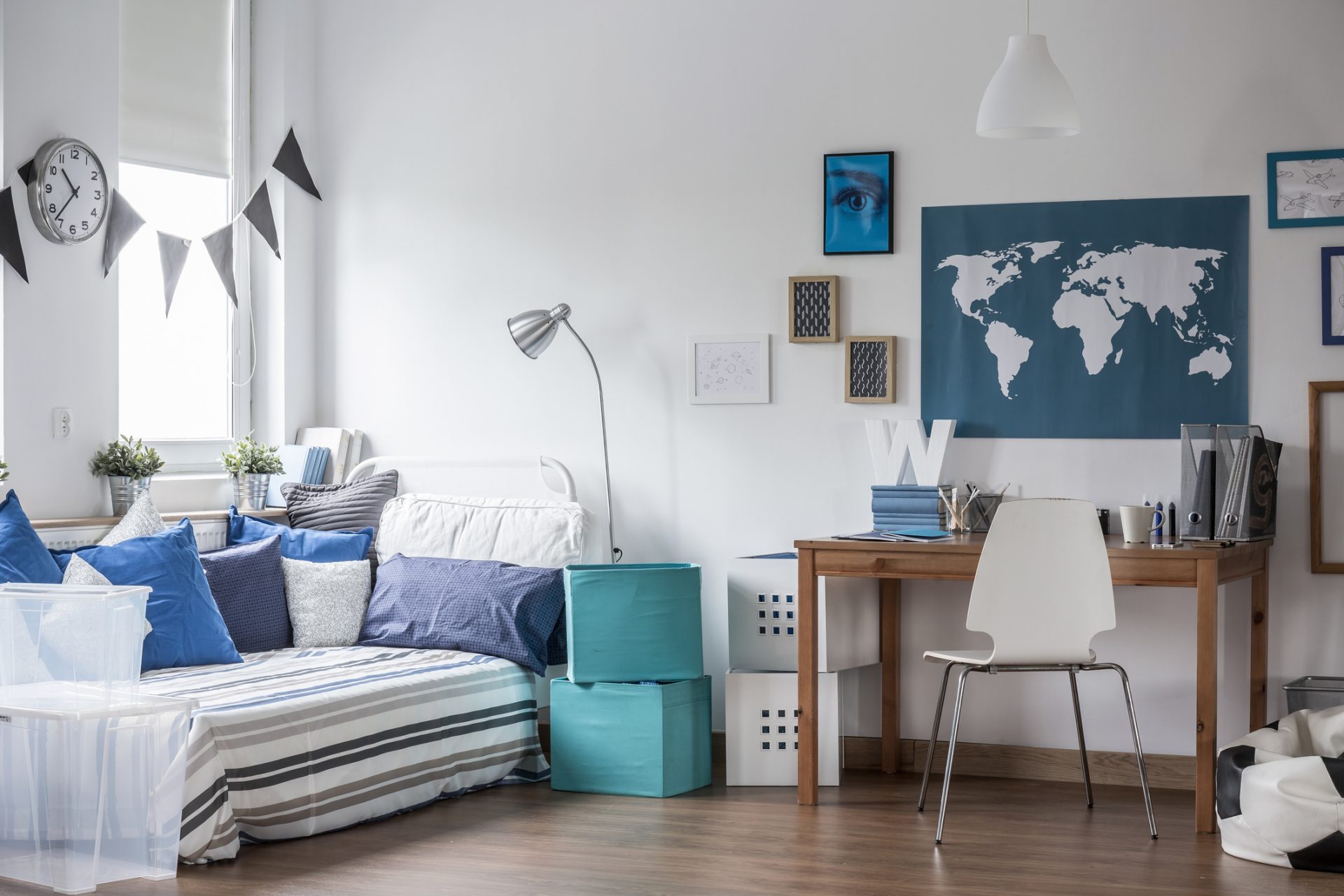
    Horizontal view of designed teenage boy room


    A messy, cluttered bedroom can cause stress and anxiety. It’s important to focus on storage and organization during the design phase. Make sure the room has plenty of storage options like shelves, racks, and drawers to keep everything organized and tidy. A well-organized bedroom can also help your teenager keep track of their belongings, making their life (and yours) easier.

    Choose the right colors

    When it comes to color, let your teen have some input. After all, they are the ones who will be spending the most time in the room. It’s important to create a color palette that is pleasing to your teen, while also being easy on the eyes. Pastels, neutrals, and bright colors all work well in a teenage bedroom. It’s okay to place limits on the range of colors they can choose from; that way you’re not stuck painting the room an unpleasing color. If you do override their preferred color choice, offer alternative ways to work that color into their room in other ways, like accessories or bed linens.

    Add some personal touches

    Your teen’s bedroom should be a reflection of their personality and style. Let your teen express their creativity by decorating the bedroom walls with their favorite posters, photos, and artwork. You can also incorporate trendy decor elements like rugs, and throw pillows, and quirky and unique decor items like neon signs or funky light fixtures.

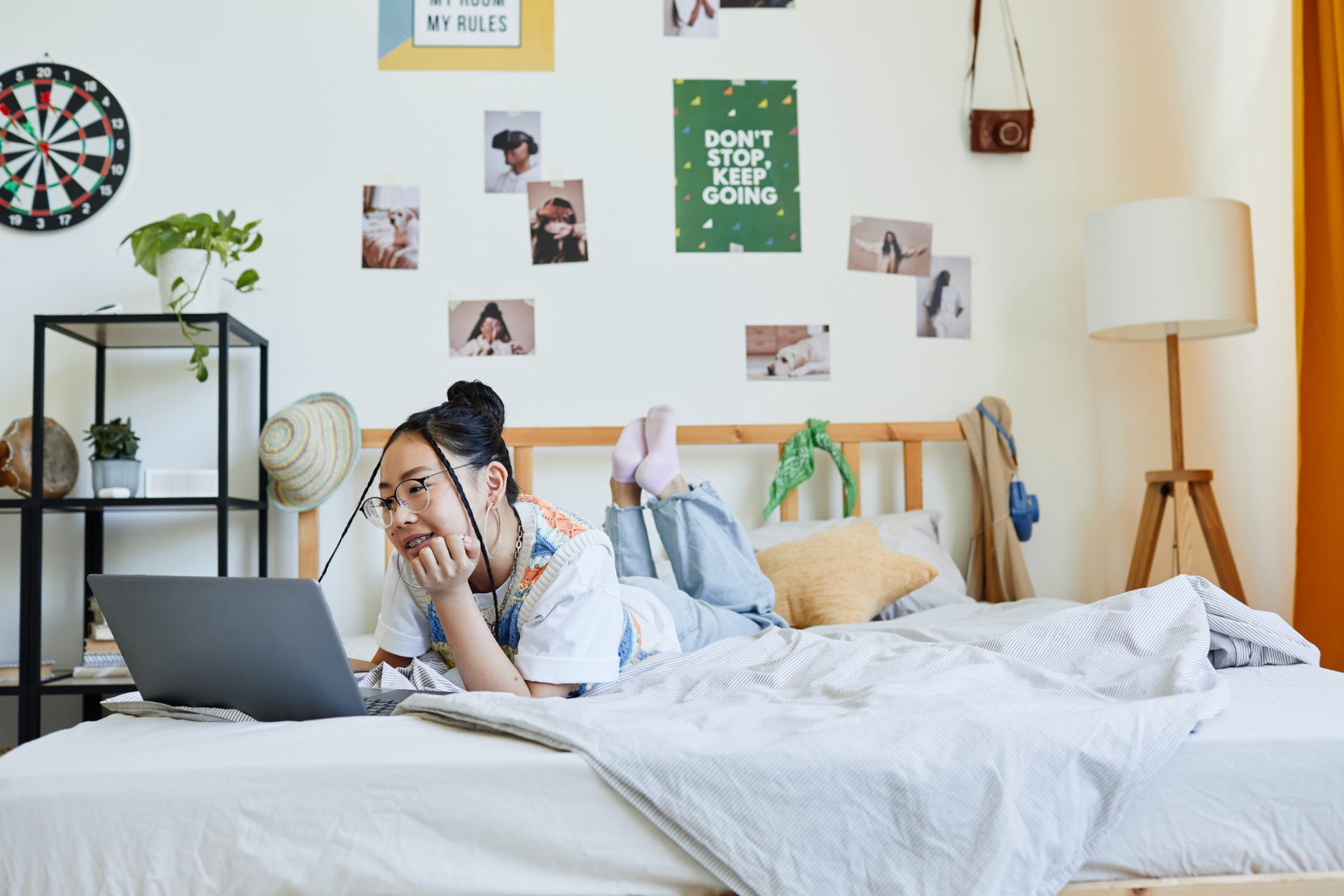
    Portrait of teenage Asian girl using laptop on bed in cozy room interior, copy space

    Take the long-term view

    It’s important to remember that teenagers grow up quickly and their interests change with age. When it comes to designing the perfect teen bedroom, keeping the long-term view in mind is vital. Choose furniture and accessories that are durable and adaptable, and that would work well in a more adult environment. Avoid going overboard with faddish trends and remember to keep it stylish but simple.

    Creating a perfect teen bedroom is all about finding the balance between function and style. By incorporating these tips and tricks, you can create a space that offers comfort, practicality, and style, and can grow with them into adulthood.

    New homes from S&A Homes

    S&A Homes offers a variety of new home communities and floorplans in the most sought-after neighborhoods in Central and South-Central Pennsylvania. Learn more about new home opportunities from S&A Homes, including quick move-in homes and build on your land opportunities, by calling call 1-855-SAHOME1 or visiting us online at SAHomeBuilder.com.

  • Babyproofing Your New S&A Home

    Babyproofing Your New S&A Home

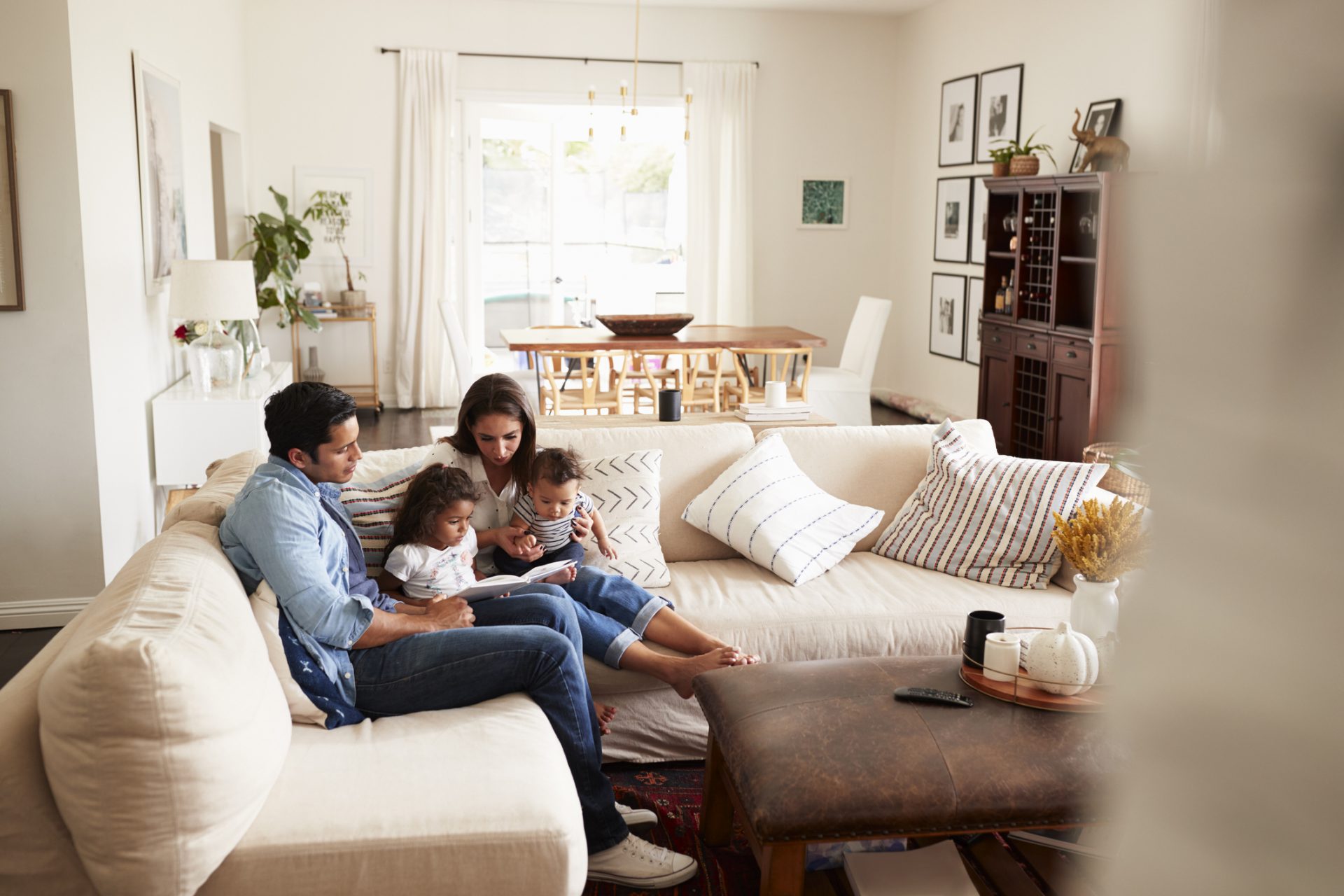
    Babyproofing Your New S&A HomeBecoming a new parent is an exciting and joyful experience, but it also comes with lots of responsibilities. As new parents, you want to make sure your little one is safe and secure, especially in their own home. It’s important to keep an eye on your child’s every move, but it’s even more important to take the necessary steps to babyproof your home to prevent accidents and injuries.

    If you’re a new parent of a newborn or about to become one, babyproofing your house should be at the top of your to-do list. Here are some helpful tips to effectively babyproof your house.

    Look at your home from a baby’s point of view

    The first step towards baby-proofing your house is to step into the shoes of your little one. It’s time to think like a baby and see your home from their perspective. Get down on your hands and knees and crawl around your house. Look for any hazards that might pose a threat to a curious infant – like sharp corners of tables, loose cords, or poisonous items.

    Clear the clutter

    Babies are curious little creatures, and if there is any clutter around the house, they will find a way to get into it. So make sure you keep your house as clutter-free as possible. Place low-lying items, such as plants or small decorations, and sharp objects out of reach.

    Secure furniture and appliances

    Tipping of furniture or appliances can cause serious injuries to babies and toddlers. Make sure all heavy items are anchored or secured to the wall. You can buy wall anchors in a hardware store and attach them to the back of furniture with screws. This will prevent the furniture from tipping over your baby if they are trying to climb up or pull themselves up on it.

    Childproof cabinets and drawers

    Once your baby becomes mobile, they will naturally want to explore every corner and cabinet. This means that you’ll need to secure cabinets and drawers so that they can’t open them. You can install latches on cabinet doors that your baby can’t reach or customize your drawers with childproof locks to keep your little explorers out.

    Babyproofing Your New S&A HomeCover electrical outlets and cords

    Electrical outlets and cords pose a significant risk to babies. Cover all electrical outlets with safety plugs, which are widely available at big box department stores or hardware stores and online. Keep cords out of your baby’s reach and secure them to the wall using cord covers.

    Install safety gates

    As babies turn into toddlers and start to walk, they become more mobile, curious, and accident-prone. Installing safety gates at the top and bottom of your stairs and in any rooms that are off-limits to your baby is a crucial safety step. A safety gate will prevent your little one from climbing stairs or accessing areas that could be hazardous like the kitchen.

    Keep medicine out of reach

    One of the biggest mistakes many parents make is leaving medicine bottles within reach of their little ones. It’s crucial to keep all medicines, prescriptions, and vitamins out of reach. It’s best to install a safety lock on a medicine cabinet or move it to a high shelf that’s out of reach or locked.

    Babyproofing Your New S&A HomeKeep an eye open for potential hazards

    Babyproofing isn’t a set-it-and-forget-it thing. As your baby grows and develops new skills, you should continue to look around your home and identify potential hazards. Each family’s living environment is different so it’s important to create an individual safety plan that fits your family’s lifestyle.

    Welcoming a newborn baby is an exciting yet exhausting time for new parents. One of the most crucial aspects of taking care of your little one is ensuring their safety. Baby-proofing your home can be a simple task if you know what to look for. By following these tips mentioned above, you’ll be well on your way to making your home a safe haven for your baby.

    New homes by S&A Homes

    If you’re looking for a new home for your growing family, we hope you’ll consider S&A Homes. We offer a variety of new home communities and floorplans in the most sought-after locations. We can also build your dream home on your own land! For more details, visit us at SAHomebuilder.com or call 1-855-SAHome1 to learn about our new home communities throughout Central and South-Central Pennsylvania.

  • Basic Home Maintenance Tasks Everyone Should Know

    Basic Home Maintenance Tasks Everyone Should Know

    Basic Home Maintenance Task Everyone Should KnowOwning a home is a dream for many of us, but it also requires a certain degree of responsibility. One of the most important aspects of homeownership is taking care of your property. Keeping up with basic home maintenance is an essential part of ensuring that your house remains comfortable and structurally sound. In this blog post, we’ll be discussing 13 basic home maintenance tasks everyone should know to be a more self-sufficient homeowner.

    Change your air filters

    Air filters are responsible for trapping dust, allergens, and other debris, which can affect the air quality in your home. Changing your air filter regularly can improve your indoor air quality and help your HVAC system run more efficiently. It’s recommended to change your air filters every 90 days, or more frequently if you have pets or allergies.

    Check for water leaks

    Leaks can go unnoticed for a long time, causing significant damage to your home. Make a point of regularly checking for leaks in your pipes, sinks, and toilets to prevent any potential damage.

    Maintain your gutters

    When your gutters get clogged, water cannot flow properly away from your home, causing water damage to your roof, walls, and foundation. Regular cleaning and maintenance will prevent damage and prolong the lifespan of your gutters. Inspect and clean your gutters and downspouts twice a year to prevent costly repairs down the line. For long-term gutter health, consider installing gutter guards or screens to prevent debris from accumulating.

    Test your smoke and carbon monoxide detectors

    Smoke and carbon monoxide detectors are crucial for protecting your home and your family from potentially deadly hazards. Monthly checks can detect malfunctioning detectors before it’s too late. Replace batteries yearly and test alarms regularly to ensure they’re functioning properly.

    Reset the circuit breaker

    When you overload your electrical circuits, everything connected to that circuit will shut off. Thankfully this is an easy fix: check your breaker box in your home and check the grid of breakers. You might notice that one is switched to the “OFF” position or has a red marker window, indicating that it has been tripped. To fix the issue, start by turning off all the lights and appliances that are connected to that specific breaker. Then, flip the tripped breaker back to the “ON” position.

    Basic Home Maintenance Task Everyone Should KnowUse a caulk gun

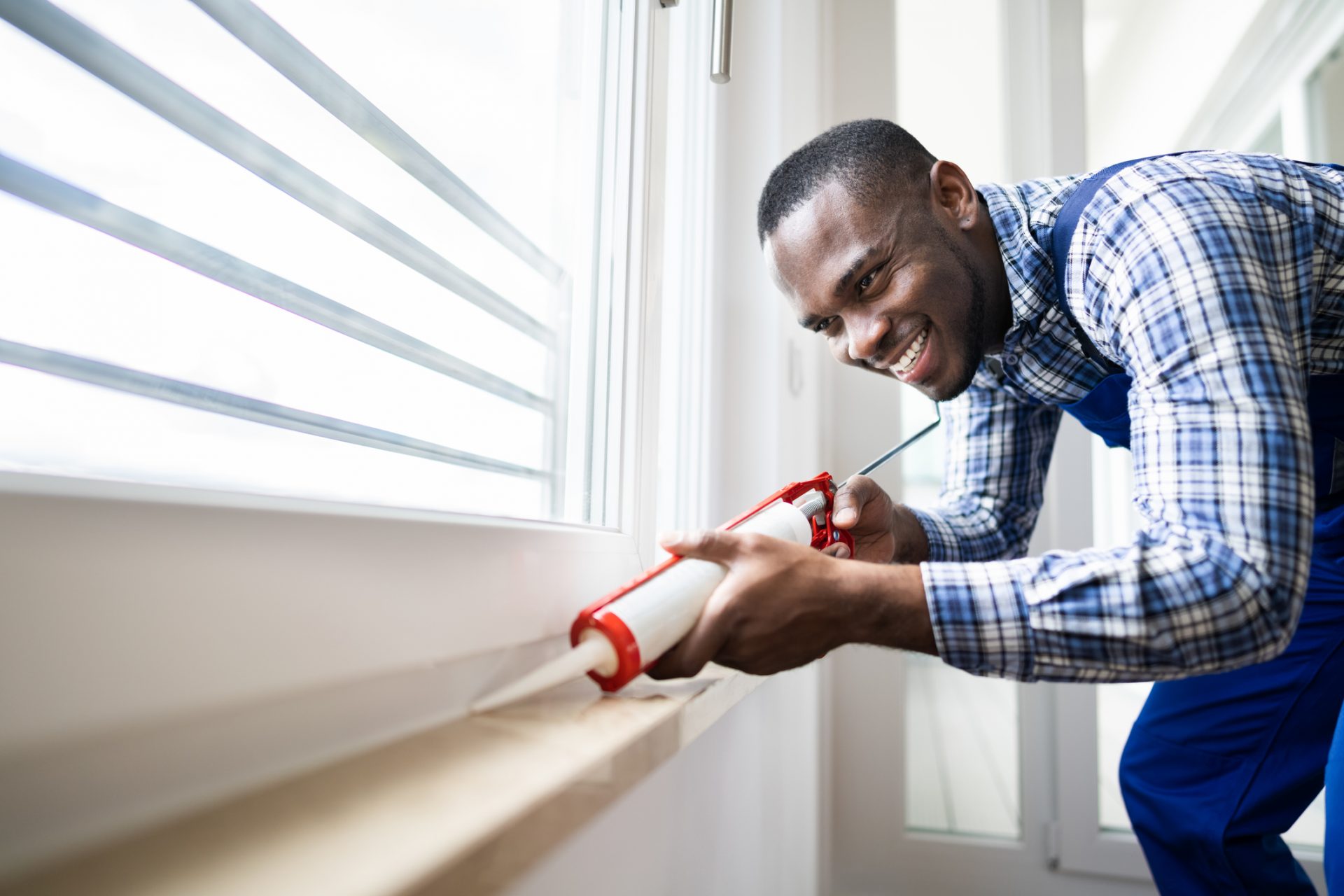
    Fixing a small piece of caulk around your bathroom sink is easy and can prevent water damage. With just a tube of caulk and a caulk gun (an affordable investment), you can do it yourself. Simply cut the tube at a 45° angle, load it into the caulk gun, and carefully apply the caulk to fill in the missing area around the sink. Smooth it out and let it dry.

    Clear your drains

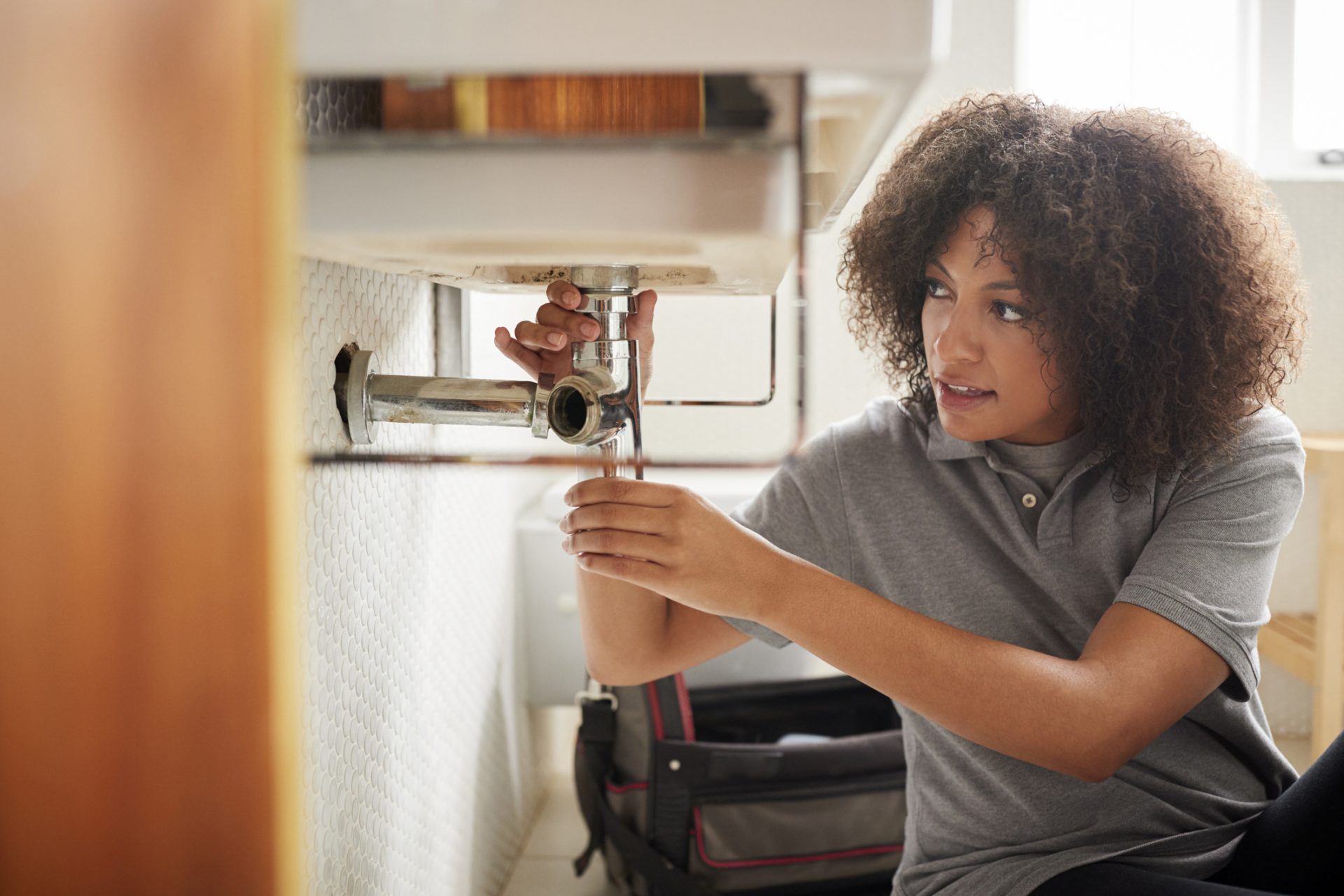
    Have a slow-draining sink? Skip the chemical drain cleaner and opt for a drain snake and a trusty plunger to clear the blockage. Here are some additional tips and tricks for dealing with clogged drains.

    Keep your HVAC system maintained

    Your home’s HVAC system is one of the most important components in keeping your home comfortable year-round. Annual professional inspections can save you money in the long run by detecting potential issues before they become costly repairs. Neglecting HVAC maintenance can lead to decreased energy efficiency, decreased indoor air quality, and potential safety hazards such as carbon monoxide leaks. To keep your heating and cooling systems in top shape, regularly change air filters, have professional inspections annually, and keep outdoor units free from debris.

    Fix a running toilet

    A toilet that’s constantly running wastes water and creates an annoying sound. You can easily fix this problem yourself without hiring a plumber. All you need to do is replace the flapper inside the toilet tank. Follow these simple steps to restore a peaceful and water-efficient bathroom.

    Turn off the water main

    Knowing the location of your home’s main water shut-off valve is crucial in an emergency. These valves can have either round wheel handles or lever-style handles. If you have a wheel-style handle, simply turn it to the right (clockwise) to shut off the water. For lever-style handles, turn the lever a one-quarter turn until it is perpendicular to the pipe. 

    If you’re planning on being away from home for an extended period of time, it’s a good idea to shut off the water in your house as a precaution against plumbing leaks.

    Check your windows and doors

    Doors and windows are also crucial components in maintaining optimal energy efficiency within your home. Regularly re-caulking any gaps can prevent drafts and keep your heating and cooling systems from overworking. Proper caulk application can even lead to energy savings of up to 20%.

    Clean refrigerator coils

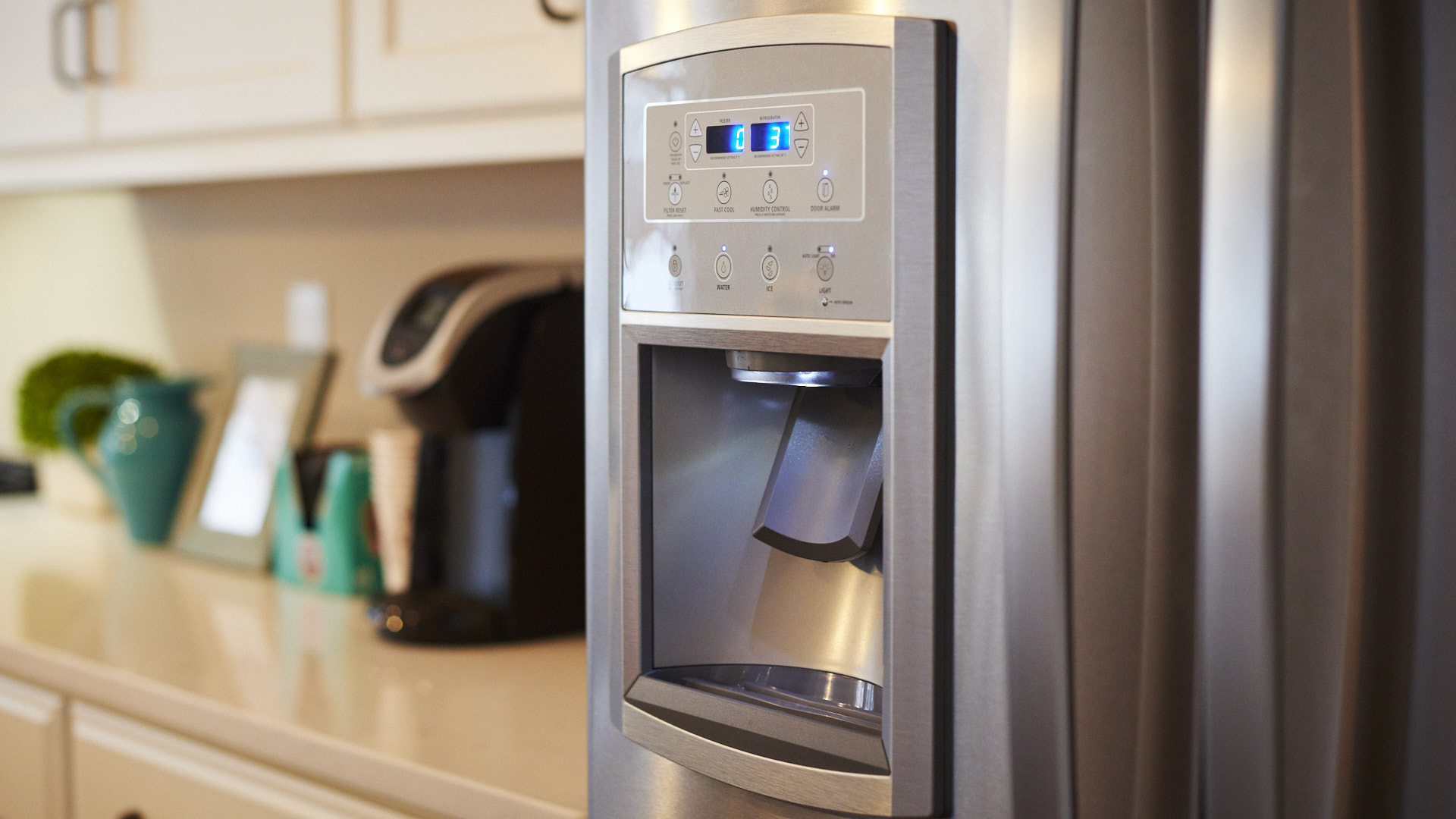
    Refrigerator maintenance is another area of home care that is often overlooked. Dirty coils can lead to decreased energy efficiency and even compressor failure. Clean your fridge’s coils twice a year with a specialized brush or vacuum attachment to keep your fridge running smoothly.

    Basic Home Maintenance Task Everyone Should KnowMaintain your lawn and yard

    Outdoor spaces are often overlooked when it comes to home maintenance, but important for keeping pests at bay and preventing landscaping damage. Common pests to look out for include mosquitoes, rodents, and termites. Regularly trimming bushes and trees and keeping outdoor areas clear of debris can go a long way in preventing damage to your home.

    When to call in the professionals

    Taking care of your home yourself creates an immense amount of pride, but there’s nothing wrong with calling for help when a fix is beyond your capabilities. If it’s a tricky job that’s beyond your expertise, it’s best to leave it to a professional. Not only will this ensure your safety, but it will also protect the value of your property in the long term and reduce your stress and frustration.

    Home maintenance is an essential part of being a homeowner. Regularly maintaining your home’s vital systems can help keep your home energy-efficient and protect against potentially costly repairs. It’s also important to know when to call in the professionals for additional help. By taking care of these basic home maintenance tasks, you’ll be able to enjoy your home for years to come.

    New homes by S&A Homes

    When you buy a S&A home, you don’t have to worry about being on your own. Our commitment to you extends far beyond the day you move into your new home. That’s why we offer our homeowner resource so you can keep your home in tip-top shape. Whether you have a warranty question, are looking for helpful maintenance advice or just want to access copies of post-settlement service checklists, you can find everything you need.

    Ready for a new home? We build new communities throughout Central and South-Central Pennsylvania, including build on your lot opportunities. Call 1-855-SAHome1 or visit SAHomeBuilder.com to learn more about our floorplans, available homes, and more.

  • How to Help Kids Adjust to a New School

    How to Help Kids Adjust to a New School

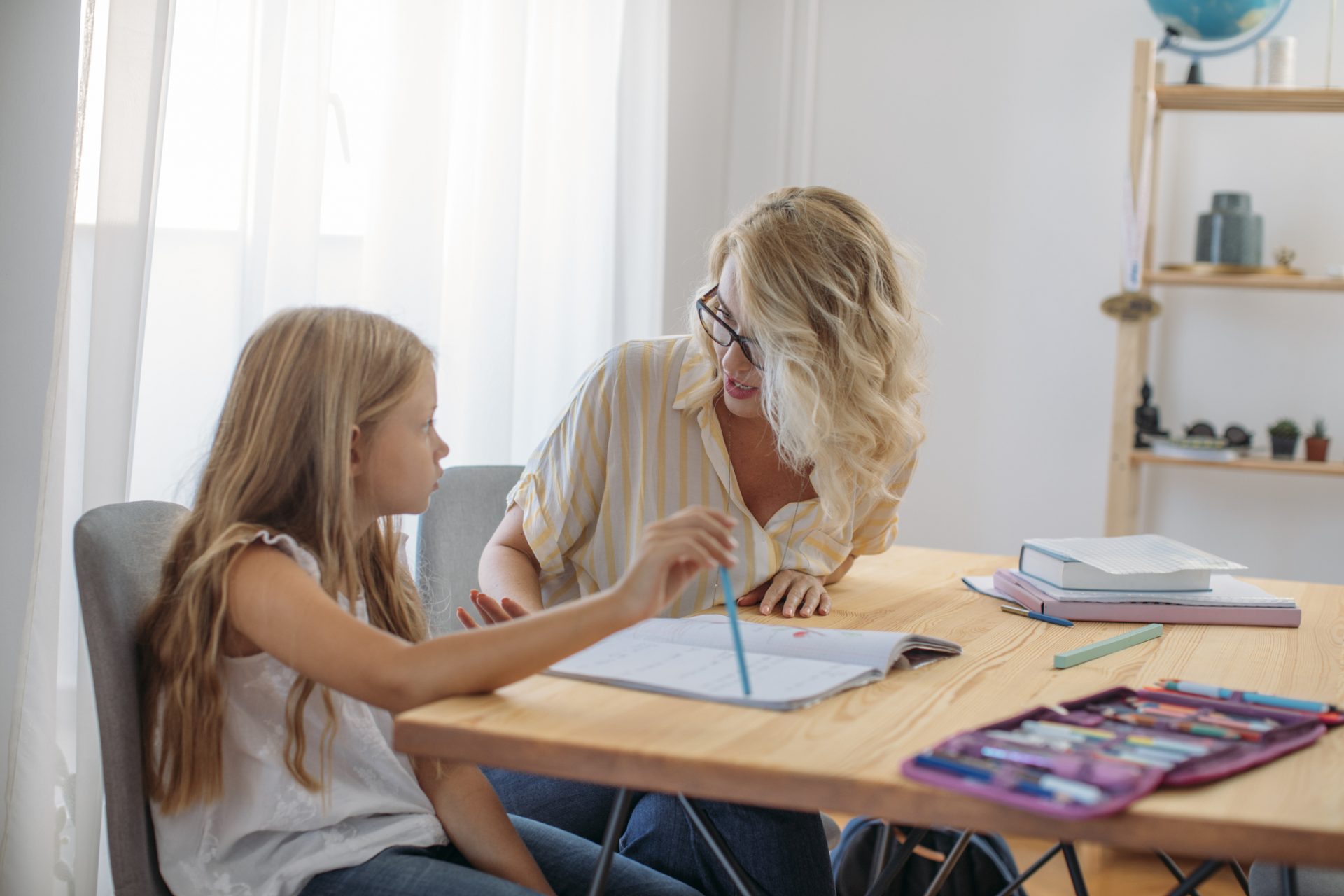
    How to Help Kids Adjust to a New SchoolMoving to a new home can be an exciting experience, but it can also be overwhelming, especially if you have school-aged children. The thought of transitioning to a new school can be frightening for kids, but there are things you can do as a parent to help make the process easier. Here are some tips to help your kids transition to a new school and ease any anxiety they may be experiencing.

    Start talking early

    Before you move, start talking to your kids about their new school. Talk about the positive changes that come with a new school such as new friends, activities, and experiences. Encourage your kids to ask questions, and address any concerns or fears they might have about the new school. Starting early can help ease anxiety as it gives kids time to mentally prepare for this big transition.

    Visit the school

    If possible, arrange a tour of the new school before your move. This will give your children the opportunity to familiarize themselves with the new environment. Talk to the principal, guidance counselor, and teachers so they can get insights on what to expect academically and socially. Take time to explore the campus with them; point out where their classrooms are, where the bathrooms are, and where they can access other amenities. This can help them feel more confident and less intimidated on their first day.

    How to Help Kids Adjust to a New SchoolGet involved in extracurricular activities

    Find activities that interest your child to allow them an opportunity to meet new friends that share similar interests. From sports to activity clubs to music programs, most schools offer a variety of extracurricular activities. By getting involved, you and your child can make new friends and build relationships with other families in the community.

    Communicate with teachers

    Communicating with your child’s new teacher is crucial in helping them transition smoothly. You can arrange a meeting with the teacher to discuss your child’s strengths, weaknesses, and learning styles. This can enable the teacher to understand your child better, provide appropriate academic support and make the transition easier.

    Establish a routine

    Keeping a routine is essential when transitioning to a new school. It gives kids a sense of familiarity and consistency, which can reduce anxiety and help them feel more in control. Make sure to keep meal times, bedtime, and study time consistent. This will also help your children focus on the new academic demands and retain the information more effectively.

    How to Help Kids Adjust to a New SchoolBe patient and listen

    Transitions can be tough for children, and they may experience a variety of emotions. Be patient with your children and listen to how they are feeling. Address their concerns and answer their questions honestly. Acknowledge that change can be challenging, but remind them of the opportunities that come with moving to a new place.

    Transitioning to a new school can be a difficult process for children, but there are ways you can help make it more manageable. Encourage your kids to get involved in the local community and extracurricular activities, maintain a routine, and communicate with their teachers. Remember to be supportive and provide an optimistic outlook for your children. With your help, your children can be successful in their new school, make new friends, and thrive in their new community.

    New construction homes by S&A Homes

    S&A Homes offers a variety of new home communities and floorplans in the most sought-after locations with proximity to great schools in Central and South-Central Pennsylvania. To learn more about the available home designs and quick move-in homes, call 1-855-SAHome1 or visit SAHomeBuilder.com.

  • Surprising Benefits of Downsizing Your Home

    Surprising Benefits of Downsizing Your Home

    Surprising Benefits of Downsizing Your HomeIn a society that often measures success by how big and luxurious your home is, downsizing may not seem like the most appealing option. But surprisingly, many people are choosing to move to smaller homes. Why? Because they have discovered the many benefits of downsizing. From saving money to simplifying your life, downsizing can be a liberating and joyful experience. So, if you’re considering a move to a smaller home but need some motivation, here are some surprising benefits you can experience from downsizing your home.

    Less clutter

    One of the main benefits of downsizing your home is that it forces you to declutter and get rid of items that you no longer need or use. This can be a liberating process as it allows you to let go of things that may have been weighing you down for years. Downsizing can also help you prioritize what’s important in your life and make it easier to enjoy the things that matter most.

    Lower costs

    A significant advantage of downsizing your home is that it can save you a lot of money. A smaller home means lower mortgage payments, lower utility bills, and less money spent on maintenance and repairs. You’ll also likely have less space to fill up with expensive furniture and decor items. This can be especially beneficial for those who are approaching retirement or who want to live a more frugal lifestyle.

    Surprising Benefits of Downsizing Your HomeMore quality time

    By downsizing your home, you may find you have more quality time to spend with your family and friends. With less space to clean and maintain, you’ll have more time to relax and enjoy your home. You may also find that downsizing your home brings your family closer together, promoting more communication and intimacy, as smaller homes encourage closer interaction and cooperation. With a smaller space, your family members will be encouraged to spend more time together in community spaces rather than locking themselves in their rooms.

    A more sustainable lifestyle

    Living in a smaller home can also be an environmentally friendly choice. A smaller home means using less energy to heat and cool your living space, which can help reduce your carbon footprint. You’ll also likely have less space to accumulate household items that are not very sustainable. By living in a smaller home, you are doing your part to protect the planet and create a more sustainable future.

    A greater sense of freedom and flexibility

    Downsizing your home can offer a greater sense of freedom and flexibility. With less space and fewer possessions to worry about, you’ll have more time and energy to pursue your passions and hobbies. You’ll also have more freedom to travel and explore the world, knowing that your home is secure and low-maintenance while you’re away.

    Surprising Benefits of Downsizing Your HomeImproved mobility

    For older adults or people with mobility issues, downsizing to a smaller home can be a game-changer. A smaller home means less space to navigate, making it easier to move around and access all parts of the home.

    Downsizing can help you to live the life you want, with fewer distractions and more joy. Whether you’re downsizing for an upcoming retirement, a change of lifestyle, or simply need a smaller space, downsizing your home offers a unique opportunity to start fresh and find joy in a simpler, more manageable way of living. If you are considering downsizing your home, take some time to weigh the pros and cons, and consider how it could benefit you and your family in the long term.

    S&A Homes new construction homes

    Whether you’re looking for a new home for retirement or simply prefer one with smaller square footage, we offer a variety of floorplan designs to fit every lifestyle. Contact S&A Homes at 1-855-SAHome1 or visit SAHomeBuilder.com to learn more about our new home communities and available quick move in homes throughout Central and South-Central Pennsylvania.

    Do you already have land in the area you’d like to build on? Check out our Build on Your Land program to learn about our building process.

  • Home Warranty vs. Home Insurance: What’s the Difference?

    Home Warranty vs. Home Insurance: What’s the Difference?

    Your home is your haven, the place where you and your loved ones feel safe and secure. However, disasters can strike at any time and cause damage that sometimes can be quite expensive to repair. Luckily, you can protect your home by getting the right insurance and warranty policies. Although you may have heard these terms before, do you know the difference between them?

    Many homeowners tend to mix up these policies. While they both protect your home in their respective ways, they serve different purposes. We’ll explain the key differences between home insurance and warranty and why getting both can be essential for your peace of mind and financial security.

    What is home insurance?

    Home insurance is a type of coverage that pays for damage to your home or belongings due to unexpected events such as fire, storms, and theft. It’s required by mortgage lenders and can also provide liability protection in case someone gets injured on your property.

    Home insurance policies cover damages to the physical structure of your home and your personal property like furniture, appliances, electronics, and other items. Depending on the policy, you may also be covered for loss of use or additional living expenses if your home becomes uninhabitable due to covered damage. It’s important to note that not all types of damage are covered by home insurance and some exclusions or limitations may apply.

    Home Warranty vs. Home Insurance: What's the Difference?What is a home warranty?

    A home warranty is a service contract that covers the repair or replacement of home appliances and systems that fail due to normal wear and tear. Commonly covered items include heating and cooling systems, plumbing, electrical, kitchen appliances, and water heaters.

    Unlike insurance, which covers unexpected events, a home warranty is designed to cover the costs of repairing or replacing items that are likely to break down over time due to regular use. Home warranty plans require an annual fee and may also require a service fee or deductible for each service call.

    Why you may need both home insurance and home warranty

    Home insurance and home warranty are different types of protection, but are complementary and can provide a comprehensive insurance plan for your home. Your insurance covers the structure and contents of your home, including any liability to any guests on your property. Your warranty helps manage the high costs of repairing or replacing appliances and systems that aren’t usually covered by insurance.

    Suppose a severe storm hits your home, causing flooding and damage to some of your belongings. In that case, your home insurance policy will step in to cover the damage, replacement, and repair costs.

    On the other hand, if your air conditioner or refrigerator suddenly breaks down due to normal wear and tear, the cost of repairs or replacement may be expensive. With a home warranty, you can get it fixed or replaced without paying the high cost out of pocket.

    Taking care of your home is essential for your comfort, safety, and financial stability. By understanding the differences, you can make informed decisions about the types of protection you need and ensure that your home is adequately covered. Keep in mind that every home and homeowner is different, so it’s important to compare policies and speak with a knowledgeable insurance agent or warranty provider to find the best options for your unique situation. With the right protection, you can relax and enjoy your home without worrying about unexpected repairs or damages.

    Home Warranty vs. Home Insurance: What's the Difference?Customer Care from S&A Homes

    At S&A Homes, we provide an unbeatable, fully transferable 10-year warranty for our homebuyers’ convenience and peace of mind. We have a dedicated Customer Care Department available to simplify the claims process and make sure nothing goes unnoticed. It’s one of the many reasons why we have one of the highest customer satisfaction rates in the homebuilding industry!

    Find Your New Home with S&A Homes

    We hope you’ll consider S&A Homes when you’re ready to make the move into a new construction home.  We invite you to learn more about new home opportunities from S&A Homes throughout Central and South-Central Pennsylvania. Call 1-855-SAHome1 or visit SAHomeBuilder.com to learn more about our new home communities, build on your lot opportunities, floorplans, and more.

  • How to Create a Multipurpose Space

    How to Create a Multipurpose Space

    How to Create a Multipurpose Space

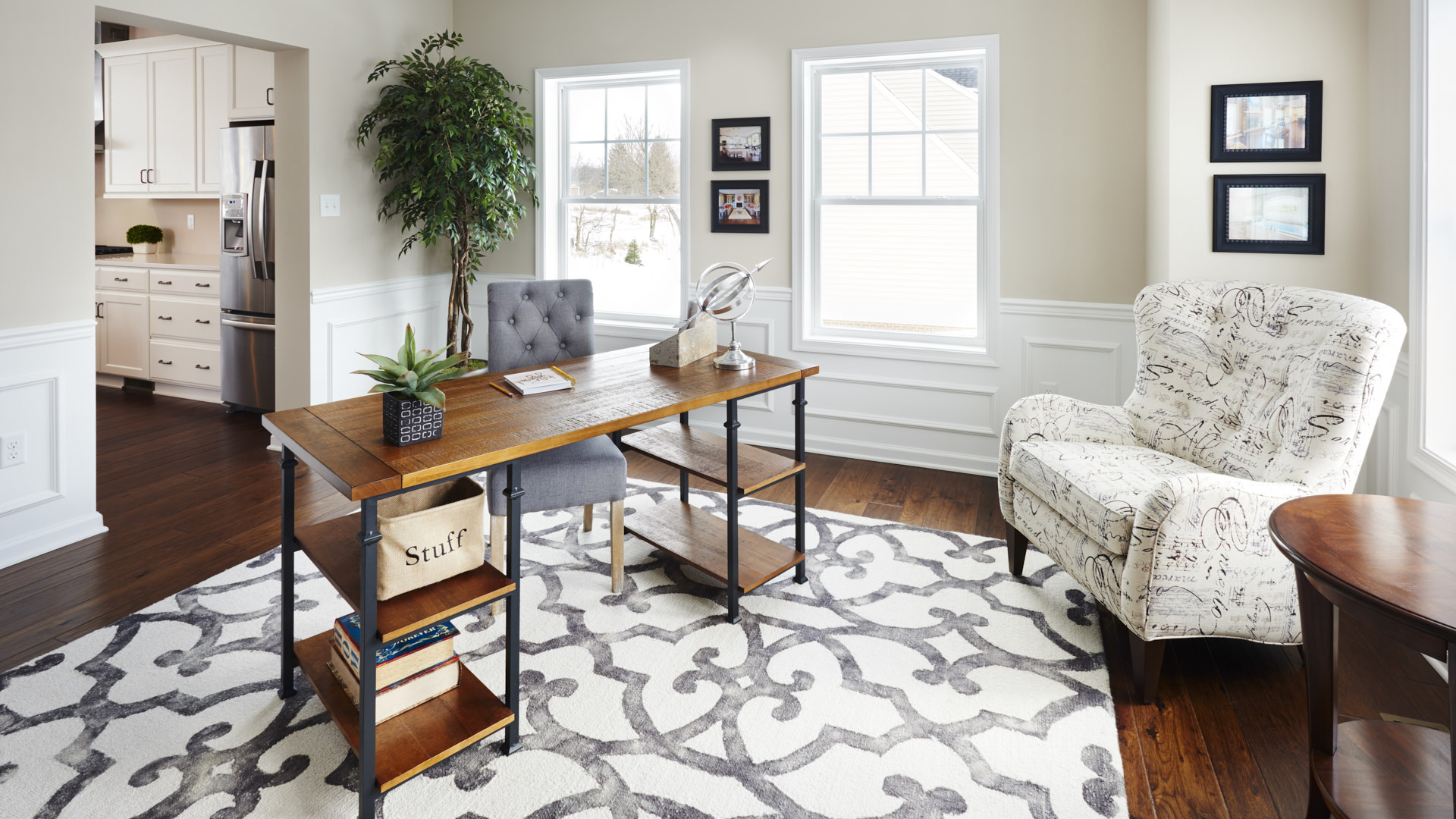
    Do you have a spare room in your home that you’re not quite sure how to utilize? Maybe it’s become a catch-all for miscellaneous household items or a neglected space that rarely sees any activity. Or perhaps you’re just not sure how to make the most of it. Fear not, because, with a little planning and creativity, you can easily transform that empty room into a functional, multipurpose space that meets all of your needs. Check out these top tips for creating a multipurpose room that works for you.

    Start with a plan

    Before diving headfirst into your project, take the time to create a plan. Create a list of all the potential uses and prioritize them based on their frequency. This will help you determine the most important features and furniture pieces you need to incorporate into the room. Will it be a home office, a workout room, a guest room, or all of the above? Consider the size of the room and how it can be divided to meet your needs.

    Choose versatile furniture

    When shopping for furniture for your new space, opt for versatile items that can serve multiple purposes. For example, a Murphy bed can transform a guest room into a functional office space. A storage ottoman can double as seating and stow away extra linens. And a large sectional sofa can be split into smaller pieces for a more flexible seating arrangement.

    How to Create a Multipurpose Space

    Opt for neutral color palettes

    Unlike specific room designs like a baby’s room or a home theater, multipurpose rooms should have a neutral color palette. Neutral colors like beige, grey, or white allow you to switch things up in the future when you want to change the room’s functionality. Muted colors provide a calm and relaxing atmosphere that works well with many room designs. You can add accent colors to make the space more vibrant, but make sure they complement each other.

    Select the right lighting

    The right lighting can make a big difference in the functionality and comfort of your multipurpose room. Make sure to invest in a variety of lighting options including overhead fixtures, table lamps, and floor lamps. Consider installing dimmers for flexible lighting options that can adjust the mood according to the activity.

    Create zones

    While a multipurpose room has many uses, one of the main ways to keep it organized and functional is by creating zones. This means dividing the room into separate areas based on their purpose, such as a workspace or a sleeping area. Use furniture arrangements, like area rugs to delineate these zones. Creating zones also helps to reduce clutter and keeps the space tidy.

    Don’t skimp on storage

    With a multipurpose room, it’s important to have plenty of storage options to keep everything organized and clutter-free. Consider built-in cabinetry, floating shelves, and storage benches to maximize the space. And don’t forget about creative storage solutions, like hidden storage compartments or under-bed storage boxes. This will make it easy to transform the room into something else when it is time for a change.

    Make it personal

    Your new multipurpose room should reflect your lifestyle and personality. Incorporate décor that you love and that inspires you, from throw pillows and wall art to rugs and curtains. And don’t shy away from adding personal touches, like family photos or mementos from your travels.

    How to Create a Multipurpose SpaceTest drive your space

    Once your new multipurpose room is complete, take the time to test drive it. Live in the space for a few weeks and evaluate how it’s working for you. Do you need additional lighting? More storage? A different seating arrangement? Tweak the details until you find the perfect balance of function and style.

    Creating a multipurpose room can be a daunting task, but with a little planning and effort, it’s possible to create a space that works for you and your family. By following these tips, you’ll be well on your way to creating a functional and stylish multipurpose room that you’ll love spending time in.

    Multipurpose spaces are a great way to customize your home to fit your family’s needs. Do you simply need more room? S&A Homes has several floorplans that offer offers flexible spaces so you can customize it to fit how you live.  Visit us at SAHomebuilder.com or call 1-855-SAHome1 to learn about our new home communities throughout Central and South-Central Pennsylvania.

  • Summer Grilling Safety Tips Everyone Should Know

    Summer Grilling Safety Tips Everyone Should Know

    Summer Grilling Safety Tips Everyone Should KnowSummer barbecues are a time-honored tradition and the perfect way to celebrate the season with family and friends. There’s nothing quite like the sizzle of meat on a hot grill during summer barbecue season. But it’s important to prioritize safety when it comes to outdoor cooking. From flare-ups to food poisoning, there are lots of potential hazards to avoid. To keep your grilling game strong and everyone safe, here are some essential barbeque safety tips to keep in mind this summer.

    Choose the Right Spot to Grill

    When setting up your grill, choose a level surface that’s at least 10 feet away from your home, trees, and low-hanging branches. Make sure your grill is stable and won’t tip over easily. Keep nearby flammable materials, such as gasoline or lighter fluid, safely stored and away from the area of the grill. Also, make sure to surround the grill with plenty of space to ensure that everyone is safe when visiting your barbecue.

    Clean the Grill Thoroughly

    A clean grill is a safer and more enjoyable grill. Before firing up the grill, make sure it is clean of old grease and residue, which can ignite and cause a fire. Inspect the grill grates, the drip pan, and the grease tray for any clogs or debris. Use a brush or scraper to clean the grates, and wipe the exterior with a damp cloth if necessary.

    After each use, scrape off any leftovers to prevent grease buildup that can cause a fire. This cleaning process can be done using scouring pads or a professional brush.

    Summer Grilling Safety Tips Everyone Should KnowStay by the Grill at All Times

    Turn on the grill only when someone is present. Never leave the grill unattended, even for a moment. A kiddo, pet, or inattentive friend can accidentally touch the hot grill and burn themselves or start a fire.

    Keep an Eye on Flare-Ups

    Flare-ups can happen at any time with a hot grill, so stay vigilant. If you see flames or excessive smoke occur, turn off the gas or move the meat to a cooler area of the grill. Use a spray bottle of water to put out minor flare-ups, but be careful not to douse the flames with water, which can make the flare-up worse. If flare-ups are frequent, clean the grates to remove excess grease from your last cookout.

    Keep a Fire Extinguisher Nearby

    Don’t be caught off guard in case of an emergency. Have a fire extinguisher on hand in case flames get out of control. Learn how to operate the fire extinguisher before the barbecue; you don’t want to figure it out when the time comes.

    Summer Grilling Safety Tips Everyone Should KnowPractice Safe Cooking Methods

    When cooking meat and poultry, use a meat thermometer to ensure it’s cooked to the recommended temperature. This will kill any harmful bacteria, preventing food poisoning. Keep foods refrigerated until ready to cook to avoid cross-contamination. Cook smaller pieces of meat over high heat, while larger pieces should be cooked over medium heat to avoid burning the outside while undercooking the inside.

    Close Up Shop Properly

    Once the cooking is done, properly shut down the grill. Turn off the fuel source and let the coals or grill grate cool down completely. Once the grill cools down, you can safely start to dissemble, clean, and put away any accessories you may have used.

    Barbequeing can be a fun and enjoyable experience for everyone but following these essential safety tips will make all the difference in having a great cookout and staying safe. Keeping these safety tips in mind, you’ll be a grill master in no time and can impress all your guests with your safe and delicious summer barbecues!

    If you’re planning on moving this summer, consider buying a new construction home from S&A Homes. Whether you purchase a home in one of our new home communities or build on your lot, you can rest assured that your home is built to the highest standards.

    To learn more about new home opportunities throughout Central and South-Central Pennsylvania, call 1-855-SAHOME1 or visit SAHomeBuilder.com.

  • Tips for a Truly Relaxing Staycation

    Tips for a Truly Relaxing Staycation

    Tips for a Truly Relaxing StaycationWhether you’re looking for a way to recharge your batteries or just need a break without the hassle of traveling, a staycation may be the perfect solution. Staycations have become increasingly popular over the past few years, but planning the perfect one can sometimes feel overwhelming. That’s why we’ve put together an ultimate guide to help you build the perfect staycation. So, kick back, relax, and get ready to learn how to make the most out of your time off.

    Plan Ahead

    Before your staycation begins, it’s important to make a plan. Start by creating an itinerary that includes nearby neighborhoods, local attractions, and activities. Take the time to research places that you’ve always wanted to visit but never had the chance. Consider taking a walking or hiking tour, visiting a nearby museum or art gallery, or taking a cooking class. Don’t forget to include some downtime in your itinerary too.

    Treat Your Home as an Adventure Destination

    It’s often possible to have an adventure experience right from your own home. Flea markets, thrift shops, and farmer’s markets can all be great places to start. You can also take a walk or bike ride in a nearby park or reserve. Get creative and think outside the box. Maybe you can try to learn a new skill like gardening or home improvement, or simply indulge yourself with some quality alone time.

    Tips for a Truly Relaxing StaycationDisconnect from Work

    To truly relax and enjoy your time off, you’ll need to disconnect from work. Turn off all work notifications and establish some boundaries to avoid checking emails or messages until you return to work. Let your colleagues know that you won’t be available during this time, so you can be fully present and enjoy yourself.

    Plan Easy Meals

    Hassle-free meals are the way to go during a staycation. You can plan to order takeout from your favorite restaurants or make meals ahead of time and freeze them for quick and easy meal prep. Plan your meals according to what you enjoy and what the entire family loves. Or try something new that you have always wanted to make but did not have the chance.

    Make it a Chore Free Weekend

    Try to avoid doing any random tasks or chores during your staycation. With some preparation, you can get your house in order beforehand. Clean your house, take care of laundry, and make your beds with fresh linens so you can be stress-free and concentrate only on relaxing and having quality time with your family.

    Tips for a Truly Relaxing StaycationSchedule Downtime

    Scheduling downtime is imperative to make sure that you’re not overwhelming your stay-at-home days. It may include reading, watching your favorite shows or movies, or just sitting outside and enjoying nature. Whatever you choose to do, make sure you give yourself plenty of time to unwind so you can go back to work feeling recharged and rejuvenated.

    Creating the perfect staycation doesn’t have to be complicated or costly. By following our guide and incorporating some creativity into your plan, you can build a customized staycation experience that will leave you feeling relaxed and recharged. Remember that the point of a staycation is to enjoy time at home or nearby and to take full advantage of the free time you have. So, make sure to plan ahead, disconnect from work, and seize the moment!

    S&A Homes is proud to build affordable new home communities throughout Central and South-Central Pennsylvania. We can also build on buyer-owned land through our Build on Your Own Land program. To learn more about our available inventory and communities, call S&A Homes at 855-SAHOME1 or contact us now.