Category: Tips

  • How to Find Your Interior Design Style

    How to Find Your Interior Design Style

    How to Find Your Interior Design Style

    Your home is your sanctuary—a place that reflects your personality, lifestyle, and what makes you happy. Figuring out your interior design style is the first step to creating a space that feels truly yours. But with so many styles out there, it can be tough to know where to begin.

    Whether you like clean, minimalist spaces, bold boho designs, or the classic charm of traditional decor, the key to finding your interior style isn’t about strict rules—it’s about discovering what feels right for you. This blog will help you explore popular design styles, identify your preferences, and combine elements to create a home you’ll love.

    A Guide to Interior Design Styles

    Before choosing your ideal style, it helps to understand the key features of popular interior design trends. Each style has a unique mix of furniture, colors, materials, and decor elements that make it stand out.

    Transitional Design

    Transitional design blends traditional elegance with a contemporary touch. It includes curved furniture, clean lines, and versatile materials like wood, steel, and lacquer. Accessories are kept minimal for a balanced look.

    Traditional Design

    Traditional design is all about timeless sophistication. It features dark wood furniture, rich fabrics like silk and velvet, and ornate details inspired by 18th and 19th-century English and French styles. Symmetry and grandeur are key elements.

    Minimalist Design

    Minimalist design, inspired by the Japanese mantra “less is more,” emphasizes clean lines, simple shapes, and neutral color schemes. Furniture is functional, often with hidden storage, to create a tidy and uncluttered space.

    Scandinavian Style

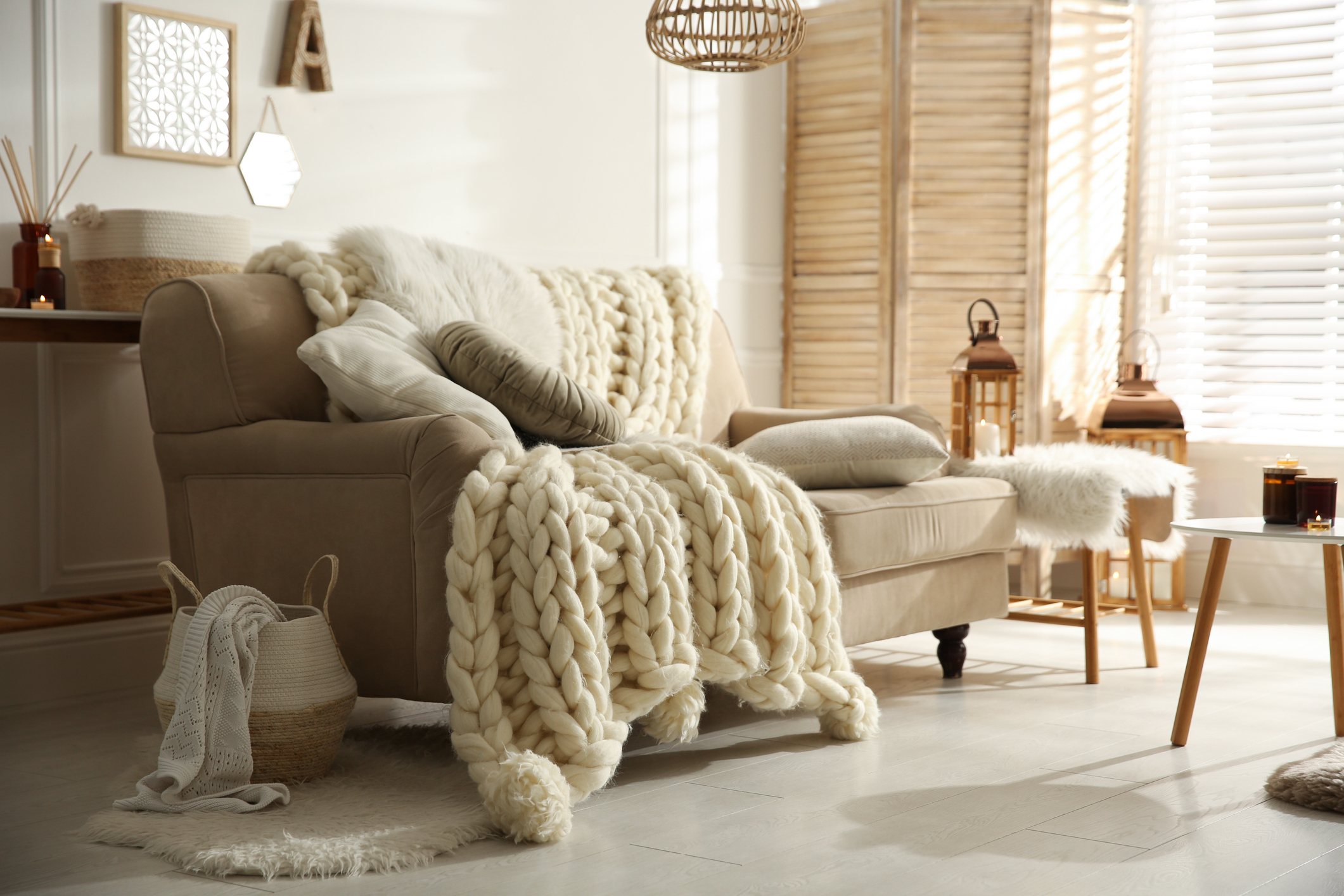
    Scandinavian design focuses on light, airy spaces with cozy touches. It features white walls, light woods, soft pastels, and simple, functional furniture. It embodies the concept of “hygge,” or cozy living.

    Mid-Century Modern

    Mid-century modern design is known for its sleek, retro-inspired furniture and vibrant colors. It often includes rich woods like teak and bold textiles, perfect for fans of clean lines and vintage charm.

    Bohemian

    Bohemian (boho) style is vibrant and eclectic, combining bold patterns, bright colors, and natural materials like rattan and bamboo. The focus is on layering textures and elements to create a relaxed, lived-in feel.

    These are just a few popular styles, with many others like art deco, industrial, coastal, and modern farmhouse. Explore them to find the one—or mix—that speaks to you.

    Understanding Your Preferences and Lifestyle

    Interior design is more than just how things look; it’s about creating a space that works for your life. Here’s how to figure out what suits you best.

    1. Discover What Inspires You

    Pay attention to the furniture, artwork, and spaces you love. Save images on Pinterest or Instagram, or create a mood board to gather your favorite styles and designs.

    2. Spot the Patterns

    Look through your saved inspiration and notice any common themes. Do you prefer clean, modern designs or cozy, layered textures? Are you drawn to neutral colors or bold, vibrant accents? Recognizing these patterns will help you identify your style.

    3. Consider Your Lifestyle

    Think about how you use your space:

    • Host frequent gatherings? Go for open layouts and durable furniture.
    • Decorating a small space? Choose multi-functional furniture with storage.
    • Have kids or pets? Pick stain-resistant and low-maintenance materials.

    Your home should make your life easier, not harder.

    4. Choose Colors and Materials You Love

    Do you prefer bright, airy spaces or dark, cozy ones? Are you drawn to sleek metals like chrome, or do you prefer rustic materials like reclaimed wood? Knowing your preferences will help you focus on a design style that feels right for you.

    5. Try a Quiz

    Still unsure? Online quizzes, like the Designer Society of America’s Interior Design Style quiz can be a quick and fun way to pinpoint the aesthetic that suits you.

    6. Follow Your Instincts

    At the end of the day, your style is about what makes you happy. Don’t be afraid to break the rules or mix different styles if it feels true to you.

    How to Find Your Interior Design Style

    Combining Styles to Match Your Personality

    Love more than one design style? No problem! Mixing styles can create a unique look that reflects who you are. Here’s how to do it without overwhelming your space:

    Start with a Main Style

    Pick one dominant style to set the tone for your space. This will act as your foundation. For example, you might love the simplicity of Scandinavian design but want to bring in bold Bohemian accents.

    Add Contrasting Elements

    Incorporate elements from other styles to add variety. For instance, pair mid-century modern furniture with industrial lighting, or add traditional moldings to a minimalist space.

    Keep It Cohesive

    To avoid a cluttered look, stick to a consistent color palette or material theme. Neutrals and natural materials can help tie everything together.

    Create Balance

    Make sure every style choice feels intentional. For example, an industrial coffee table can complement softer, modern furniture if the proportions are balanced.

    Resources for Further Inspiration and Guidance

    Finding your interior design style is a creative process that takes time, but there are tools and resources that can help along the way.

    • Social Media: Follow designers and influencers on Instagram or explore themed mood boards on Pinterest for inspiration.
    • Showrooms and Stores: Visit furniture stores, home décor shops, or model homes to see different styles and textures in person.
    • Mood Boards: Create a collection of pictures, swatches, and design elements that you like. Use tools like Canva or go old-school with a physical board.
    • Work with a Designer: Still unsure? A session with an interior designer can give you valuable insights to define your style.

    Make Your Home Uniquely You

    Your interior design style is an expression of your personality, preferences, and the life you want to create. Whether you’re drawn to modern simplicity, bohemian creativity, or a mix of styles, the goal is to design a space that resonates with you.

    Don’t rush the process! Take your time exploring, experimenting, and finding pieces that you love. After all, the best homes aren’t just beautiful; they tell a story.

    Ready to start fresh in a new home? S&A Homes builds new home communities throughout Central and South-Central Pennsylvania. Learn more about new home opportunities, including quick move-in homes and build on your land opportunities, by calling 1-855-SAHOME1 or visiting us online at SAHomeBuilder.com.
  • Should You Buy a Single-Family Home?

    Should You Buy a Single-Family Home?

    Should You Buy a Single-Family Home?

    Buying your first home is a big milestone, and for many, a single-family home feels like the ideal option. With its privacy, space, and the freedom to make it your own, it’s no surprise that many first-time buyers gravitate toward this choice.

    But is a single-family home the right fit for your lifestyle? In this blog, we’ll cover the main benefits and challenges of single-family homes, the financial factors to consider, and how to decide if this type of property suits your goals. By the end, you’ll have a better understanding of whether it’s the right choice for you.

    What is a Single-Family Home?

    A single-family home is a detached house built for one household. It includes both the house and the land it’s on, without shared walls, utilities, or entrances with other homes. This type of property provides privacy, more space, and full control over the home and yard, making it a great choice for families.

    Now that we’ve defined what a single-family home is, let’s explore its benefits.

    Benefits of Single-Family Homes

    Single-family homes are often seen as the gold standard for homeownership. Here are some reasons why they’re so popular:

    1. Privacy and Space

    A major benefit of a single-family home is privacy. Without shared walls or neighbors right next door, you can enjoy your space without worrying about noise. Single-family homes typically offer more interior and exterior space compared to condos or townhouses. Larger living areas, additional bedrooms, garages, and private yards are ideal for growing families or those with pets. If you anticipate your family expanding in the coming years, this extra space can be invaluable.

    2. Investment Potential

    Single-family homes usually increase in value more than other types of properties. Owning one helps you build equity, adding to your financial stability over time. By keeping the property in good condition and making smart upgrades, you can boost its market value even more.

    3. Freedom to Customize

    Unlike condos or homes in an HOA (Homeowners Association), single-family homes offer more freedom to make changes. Want to renovate the kitchen, add a deck, or rebuild the garage? It’s completely up to you. You can customize your home to fit your needs and style without any restrictions.

    4. Potential for Expansion

    As your family grows, a single-family home gives you room to expand. You can add a bedroom, finish the basement, or even build a second story. These homes offer the flexibility to adapt to your changing needs.

    Challenges of Owning a Single-Family Home

    While the benefits of single-family homes are attractive, there are some challenges worth thinking about before you take the plunge.

    1. Higher Costs and Maintenance

    Single-family homes usually come with higher upfront costs, including a larger down payment and closing fees. Ongoing expenses, such as property taxes, mortgage payments, insurance, and utility bills, also tend to be higher compared to other property types. Plus, all maintenance and repairs fall solely on you, which means budgeting for unexpected home repairs is essential. Unlike condos that may come with on-site staff to handle repairs, single-family homeowners must invest their own time, effort, or money in upkeep. For some, the time and effort required might outweigh the benefits.

    2. Potential Location Limitations

    Single-family homes are often found in suburban or rural areas, away from busy city centers. These locations usually provide more space and quiet but can mean longer commutes, fewer amenities, and limited public transit options.

    3. Lack of Shared Amenities

    Some condos and townhouse communities may have access to shared amenities like pools, gyms, or clubhouses. With a single-family home, these amenities typically aren’t included—you’ll need to add or build them yourself, which means extra costs.

    Should You Buy a Single-Family Home?

    Does a Single-Family Home Align With Your Lifestyle?

    Before deciding on a single-family home, ask yourself these questions to see if it’s the right choice for you:

    • Do I plan to stay in one place for a while? If you’re planning to stay in the same area for at least 5 to 7 years, buying a single-family home could make more financial sense compared to renting.
    • Am I ready for maintenance? Owning a home means taking care of repairs and upkeep. If you’re comfortable with DIY projects or hiring help, this responsibility might not feel overwhelming. If not, you may want to consider a property with less maintenance.
    • Do I need more privacy and space? Single-family homes are ideal if you want your own space without the noise or closeness of shared living.
    • Can I afford it? Make sure your budget can handle the costs of owning a home, including mortgage payments, taxes, and repairs.

    Is a Single-Family Home Right for You?

    Buying a single-family home is an exciting and personal decision. It gives you privacy, space, investment opportunities, and the freedom to make the house your own. However, it also comes with responsibilities, maintenance, and costs that need careful consideration.

    Before taking the next step, evaluate your finances, research your ideal location, and think about your long-term priorities. With this preparation, you’ll be ready to make a confident decision.

    When you’re ready to buy a new home, visit us at SAHomebuilder.com or call 1-855-SAHome1 to learn more about new home opportunities, including quick move-in homes. We offer a diverse selection of new construction homes throughout Central and South-Central Pennsylvania. Whether you buy in one of our new home communities or build on your land, we’re sure you’ll be able to find the home of your dreams. 

  • What Makes a Good Neighbor?

    What Makes a Good Neighbor?

    What Makes a Good Neighbor?Ever heard the saying, “A good neighbor is a priceless treasure”? Whether you’re new to the neighborhood or have lived there for years, the relationships you have with your neighbors can make a huge difference in how happy and connected you feel. But what does being a good neighbor really mean, and why does it matter?

    When neighbors show each other respect, kindness, and thoughtfulness, it creates a friendly, supportive community where everyone feels safe and welcome. If you’re a homeowner looking to connect more with those around you—or just want to set a positive example—this guide will break down what it takes to be a great neighbor, why it’s worth it, and some simple ways to make a difference in your community.

    The Key Qualities of a Good Neighbor

    1. Friendliness and Approachability

    A friendly attitude goes a long way in building connections. Being approachable and genuinely warm can break the ice even with the most reserved individuals. Greet your neighbors with a smile, wave hello when you see them, and make an effort to engage in small conversations when the opportunity arises.

    Friendly neighbors set the tone for positive relationships and create an inviting atmosphere within any community. Whether it’s offering a kind word or remembering someone’s name, these small gestures of friendliness can make all the difference.

    2. Respectfulness

    Respect is a foundational aspect of every successful relationship, including those with neighbors. It’s essential to respect their privacy, personal space, and lifestyle choices, such as religious beliefs or profession.

    Take the time to understand boundaries and cultural or personal differences. Avoid actions that might make neighbors uncomfortable (e.g., peering into their yard or consistently parking in their preferred spot). Your acknowledgment of personal boundaries fosters mutual respect.

    3. Maturity in Handling Differences

    Disagreements between neighbors happen, but good communication can turn them into chances to understand each other better. Whether it’s about a property line, a noisy pet, or a shared driveway, great neighbors tackle issues with respect and calmness. Instead of gossiping or arguing, they focus on finding solutions together. This approach builds trust and helps create stronger, lasting relationships.

    4. Trustworthiness and Reliability

    Trust is a two-way street in any relationship, and being a reliable neighbor is a great way to earn respect. Whether it’s grabbing your mail while you’re away or keeping an eye out for anything unusual, being trustworthy helps everyone feel safer. You don’t have to say “yes” to every favor, but being honest and following through on promises can go a long way in building a friendly, supportive community.

    5. Helpfulness and Willingness to Lend a Hand

    A good neighbor is always ready to lend a helping hand when you need it. Whether it’s pitching in with yard work, helping carry heavy packages, looking after pets while you’re away, or just keeping an eye on your place, these small acts of kindness go a long way in building strong community ties.

    6. Consideration of Noise Levels

    Noise is one of the biggest reasons neighbors don’t get along, so being mindful of noise levels is key to keeping the peace. Good neighbors think about how their actions might affect others—they turn the music down late at night, give a heads-up before hosting a big gathering, and make sure their pets aren’t causing a ruckus. Nobody loves a neighbor who throws loud parties or cranks up the music at the wrong time, so showing a little consideration and tackling noise issues openly can make the neighborhood a happier, more peaceful place for everyone.

    7. Tidiness and Cleanliness

    Keeping your property clean and tidy is a great way to show respect for your neighbors and community. Simple things like mowing the lawn, keeping your driveway clear, and taking out the trash properly go a long way in creating a safe and pleasant environment for everyone. After all, no one wants to live next to a messy yard or overflowing garbage bins! Being a thoughtful neighbor means taking care of your space and helping keep shared areas enjoyable and clutter-free.

    8. Taking the Long View and Community Focus

    Good neighbors think beyond their own homes. They know their actions can impact the whole neighborhood and look for ways to make a positive difference. Whether it’s joining a neighborhood cleanup, organizing fun events, or supporting local projects, they’re all about building a stronger, happier community together.

    What Makes a Good Neighbor?Why Being a Good Neighbor Matters

    Being a good neighbor isn’t just about getting to know the people next door—it’s about building a strong, connected community. Great neighborhoods are built on trust, mutual respect, and support between neighbors. Studies and reviews show that communities with active engagement are safer, happier, and even boost property values. When everyone pitches in, even just a little, neighborhoods become vibrant, welcoming places where people love to live.

    How to Be a Better Neighbor

    Want to become an exceptional neighbor? Here are actionable steps to start fostering a thriving community:

    Introduce Yourself and Stay Connected

    Just moved in or noticed a new family in the neighborhood? Take a moment to introduce yourself! Swap contact info and check in every now and then—it’s amazing how much a simple hello can brighten someone’s day.

    Be Respectful and Considerate

    Everyone appreciates a considerate neighbor. Be mindful of noise, respect boundaries, and value others’ time. Little gestures, like keeping things peaceful, go a long way in creating a happy neighborhood.

    Offer Help and Support

    Got a neighbor who could use some help? Whether it’s watering their plants while they’re away or pitching in with a quick task, these small acts of kindness can create strong, lasting bonds.

    Participate in Community Events

    Get involved in neighborhood events! Block parties, cleanups, or volunteer groups are all great ways to connect, have fun, and take pride in your community together.

    Keep Your Property Well-Maintained

    Taking care of your home and yard isn’t just about appearances—it helps keep the neighborhood safe, clean, and welcoming. A little effort goes a long way toward showing you care.

    Good Neighbors Make Great Communities

    Whether you want to build stronger connections in your neighborhood or make a great impression in a new one, being a good neighbor starts with small, thoughtful gestures. A friendly smile, lending a hand, or simply respecting boundaries can go a long way.

    At the heart of it, good neighbors don’t just make life better for themselves—they help create stronger, happier communities. Take a moment today to think about how you can bring these qualities to life and make your neighborhood an even better place for everyone!

    Ready to start your homebuying journey? S&A Homes offers a variety of new home communities and floorplans in the most sought-after locations in Central and South-Central Pennsylvania. We can also build your dream home on your land! For more details, visit www.sahomebuilder.com or call 1-855-SAHome1.

  • Designing a Family-Friendly Backyard

    Designing a Family-Friendly Backyard

    Designing a Family-Friendly Backyard. Playful father having fun with his daughter in the park in autumn.For families, the backyard can be so much more than just an outdoor space—it’s a personal oasis where memories are created, games are played, and bonds are strengthened. Whether you want a place for your kids to run wild, somewhere to host unforgettable summer barbecues, or a peaceful area to unwind with a cup of tea, a thoughtfully designed family-friendly backyard can meet your needs.

    Here’s how to create a backyard space that blends functionality, safety, and style. From planning the layout to choosing the right plants, you’ll find all the tips you need to transform your outdoor space into a haven for your family.

    Planning Your Backyard Space

    Designing the perfect family-friendly backyard starts with planning. Before jumping into the landscaping or buying playground equipment, consider the following steps to set the foundation for success.

    Assess Available Space and Functionality Needs

    First, take a good look at your outdoor area. Do you have a spacious yard that can fit multiple sections? Or are you working with a smaller setup where multi-functionality is key? Understanding the dimensions and limitations of your space will help guide your decisions.

    Ask yourself:

    • Is there space for a playset or trampoline?
    • Do I need to leave a section of grass open for kids to run around?
    • Where will the seating and dining areas fit in the layout?

    Another great approach is to sketch out the layout of your yard. This gives you a visual representation of the space, helping you decide what goes where.

    • Measure your yard to determine how much room you have to work with.
    • Identify existing features (like trees, slopes, and sun exposure) that can be integrated into your design.
    • Observe any constraints, such as limited space or privacy concerns.

    Considering the Needs and Interests of Family Members

    Every family is different, so consider what your unique household will use the space for. A truly family-friendly backyard caters to everyone.

    • For kids: Think play zones, outdoor games, or a dedicated space for drawing or crafts.
    • For adults: Comfortable seating areas, spaces for grilling and hosting gatherings, or even a fire pit for evening relaxation.
    • For pets: Include shaded spaces, a durable lawn surface where they can play, and fenced-off sections to keep them safe.

    Budgeting for the Project

    It’s easy to dream big, but keeping a realistic budget ensures your project stays manageable. Prioritize items that will create the largest impact. For example, a sandbox may not cost much but could be hours of entertainment for children. On the other hand, a pool or full outdoor kitchen might need considerable investment.

    Pro Tip: Phase your project over time. You don’t have to do everything at once—start with the essentials, like safety and play equipment, and build out your design as funds allow.

    Design Elements for a Family-Friendly Backyard

    When transforming your backyard, aim to balance function and fun. The following design components are essential for a family-friendly setup.

    Child-Safe Features and Play Areas

    Safety comes first when designing for families. Install enclosed spaces for younger kids with features like rubber mulch or play mats to offer soft landings. Physical boundaries, such as fences or gates, can keep children safe near pools, gardens, or other off-limits sections.

    Including play areas ensures your kids have a dedicated and safe space to burn off their endless energy.

    • Swing Sets and Slides: Swing sets are a classic choice, and many are available with add-ons like slides, climbing walls, and monkey bars to engage kids of different ages. Opt for wooden or metal sets with smooth finishes for added safety.
    • Sandboxes: For younger children, a sandbox is a great addition. Consider one with a cover to keep it clean when not in use. You can build it yourself or purchase a ready-made option.
    • Build a Fort or Treehouse: A fort or treehouse can be the ultimate backyard upgrade for older kids. Make sure to use durable materials and include features like handrails for safety.
    • DIY Play Spaces: Simple DIY additions like a chalkboard wall or a designated spot for water play can entertain kids for hours without breaking the bank.

    Designing a Family-Friendly Backyard. Family and Multiethnic Diverse Friends Gathering Together at a Garden Table. People Eating Grilled and Fresh Vegetables, Sharing Tasty Salads for a Big Family Celebration with Relatives.Comfortable Seating and Dining Spaces for Family Gatherings

    Your backyard isn’t just for the kids—it should also provide relaxation and entertainment spaces for adults and family gatherings.

    • Outdoor Seating Areas: Create a comfortable seating area with durable, weather-resistant furniture. Add cushions, throws, and a fire pit or outdoor heater to make it a cozy spot for evenings.
    • Dining Zone: For a seamless dining experience, set up an outdoor dining area complete with a table, chairs, and string lights to elevate the ambiance.
    • Multi-Purpose Deck or Patio: If space allows, a deck or patio can be a versatile hub in your backyard. Use it as a dining area, a space to host guests, or even a grilling station for family barbecues.

    Greenery and Landscaping Ideas

    The beauty of your backyard doesn’t have to come at the expense of usability. With the right landscaping, you can achieve a space that’s as stunning as it is practical.

    • Use Low-Maintenance Plants: If your kids love to explore, you don’t want a garden that takes hours to maintain. Consider drought-resistant plants that can withstand a little wear and tear. Some family-friendly options include lavender, daylilies, and boxwoods.
    • Create Pathways: Stone pavers or gravel paths not only add aesthetic appeal but also provide practicality, keeping more delicate planting areas protected and easy to walk through.
    • Add Vertical Elements: For smaller backyards, vertical gardening can save space while adding style. Consider climbing plants like ivy or a trellis covered with flowering vines. These vertical installations double as privacy screens or visual dividers.

    Maintenance Tips for a Family-Friendly Backyard

    To keep your backyard looking and functioning at its best, you’ll need to invest in regular upkeep.

    • Regular Cleaning and Upkeep of Children’s Play Areas: Kids’ play zones can get messy fast. Clean toys and equipment regularly to avoid buildup of dirt and germs. Check for wear and tear, ensuring everything remains safe for use.
    • Lawn Care and Plant Maintenance: Keep the grass trimmed and healthy by mowing regularly and treating it for pests. Prune shrubs and trees to prevent overgrowth and clear dead plants to maintain a tidy landscape.
    • Safety Checks for All Backyard Features: Conduct routine safety checks—inspect fences, gates, play equipment, and water features for wear, damage, or hazards. This step is especially important if your children are young or if you’re hosting gatherings.

    Create Memories in Your Family-Friendly Backyard

    A thoughtfully designed backyard does more than just increase your home’s curb appeal. It provides a space for kids and adults to bond, play, and create priceless memories. Whether your family enjoys evening barbecues, gardening together, or simply relaxing in the fresh air, your backyard can truly be the heart of your home.

    Ready to take the next step? We hope you’ll consider building your new home with S&A Homes. We have a long history of quality new construction homes throughout Central and South-Central Pennsylvania. You can build a new home from the ground up with us in one of our many new home communities or on your own land.

  • How to Set up Your Smart Home

    How to Set up Your Smart Home

    How to Set up Your Smart Home. Young woman using application in his smart homeSmart home technology has transformed how we interact with our living spaces, blending convenience, efficiency, and security in ways we never thought possible. From voice-controlled lighting to advanced home security systems, integrating “smart” into your home is easier and more rewarding than you might think.

    If you’re a homeowner looking to make the leap into smart home automation, this guide will walk you through the steps of setting up your smart home—from planning and choosing devices to tips for managing and upgrading your system.

    What is a Smart Home (and Why Should You Set One Up)?

    A smart home is a system of interconnected devices that communicate with each other to automate tasks, provide convenience, and improve energy efficiency. Using the internet, these devices are controlled remotely via smartphone apps, voice commands, or scheduled routines. Examples of smart home tech include smart thermostats, security cameras, and voice assistants like Amazon Alexa or Google Assistant.

    Think of it as turning your home into a tech-savvy hub that simplifies your daily life.

    Why Homeowners Love Smart Homes:

    • Convenience: Control your thermostat, lighting, or appliances with just a voice command or the tap of a finger on your smartphone. Smart homes offer unparalleled convenience designed around your life.
    • Energy Efficiency: Smart thermostats like the Nest Thermostat and smart lights help reduce energy consumption, which can significantly lower your utility bills. Devices optimize energy use by learning your habits and making automatic adjustments.
    • Enhanced Security: Smart cameras, doorbells like Ring, and motion detectors make it easier than ever to monitor your home. Receive real-time alerts, lock/unlock doors remotely, and have full control over your property’s security.
    • Customization: Whether it’s setting the perfect lighting for movie night or scheduling your coffee machine to start brewing at 7 am, smart home technology adapts to your unique preferences.
    • Future-Proofing: Smart homes are highly scalable. You can start with a few devices today and add more functionality as your needs grow.

    Planning Your Smart Home Setup

    Before you begin splurging on gadgets, it’s important to plan carefully. A strategic approach ensures your investment delivers maximum value.

    1. Assess Your Current Needs

    Determine which aspect of your home would benefit most from automation. Are you looking to boost security, save energy, or make everyday tasks easier? A clear goal will help you prioritize. For example, homeowners with large families may focus on energy-saving devices, while frequent travelers might opt for smart security gadgets.

    2. Set a Budget

    Smart tech comes in a wide range of prices. Start by listing your must-have devices and comparing costs across brands. Keep in mind that investing in quality, reputable brands will save you money in the long term as they’re more reliable and compatible with other devices.

    3. Choose the Right Smart Home Platform

    Selecting a smart home platform—such as Google Home, Amazon Alexa, or Apple HomeKit—creates the foundation for all your devices to work together seamlessly. Explore the features of each platform to see which aligns with your preferences (hint: if you’re an iPhone user, Apple HomeKit might feel more familiar).

    4. Prioritize Devices

    Start small and build gradually. For instance, a smart thermostat or a voice assistant (like Alexa) can serve as a great foundation that you can expand over time. Focus on devices that will offer immediate value based on your priorities.

    Essential Smart Home Devices to Get Started

    Now that you’ve got a plan in place, it’s time to think about the must-have devices for your smart home system. Here’s a breakdown of essential devices you might want to consider:

    1. Smart Thermostats

    A smart thermostat like Google Nest or Ecobee helps you control the temperature of your home efficiently. These devices learn your preferences over time and adjust settings to save energy while keeping your home comfortable.

    Key Benefit: Reduced heating and cooling costs with automated temperature management.

    2. Smart Lighting

    Features such as adjustable brightness, preset scenes, and voice control make smart lighting both fun and functional. Options like Philips Hue and LIFX allow you to control multiple lights with simple commands or through an app.

    Key Benefit: Ease of creating custom lighting scenes for relaxation, work, or entertaining guests.

    3. Smart Security Cameras

    Stay connected to your home even when you’re miles away. Brands like Arlo, Ring, and Wyze offer cameras that include motion detection and real-time notifications.

    Key Benefit: Added peace of mind with live monitoring and video recording features.

    4. Voice Assistants

    Voice assistants like Amazon Echo or Google Nest Hub act as the central control hub for your smart home. Use voice commands to control other devices, check the weather, or even play music.

    Key Benefit: Simplify everyday tasks with hands-free operation.

    5. Smart Plugs and Outlets

    Turn any regular device into a smart one with plugs from brands like TP-Link or Wemo. These plugs allow you to remotely turn devices like lamps or coffee makers on and off.

    Key Benefit: Affordable and easy starting point for any smart home.

    How to Set up Your Smart Home. Man using smart home app on smartphone. Smart home, house automation remote control concept.Managing Your Smart Home Like a Pro

    Once your smart home is up and running, managing it effectively will help you get the most out of your setup.

    • Use Apps for Full Control: Most devices come with their own app, but many smart-home platforms (like Alexa or Google Home) combine them into one view. Explore automation features to make devices work together seamlessly.
    • Master Voice Commands: Instead of reaching for your phone, use voice commands like “Turn off the living room lights” or “What’s the temperature inside?” for a more intuitive experience.
    • Create Custom Automations: One of the best parts of a smart home is automation. Use your app to set up routines or schedules. For example, program your lights to gradually brighten in the morning for a gentler wake-up. These automations not only save time but also help streamline daily life.
    • Consider Upgrades and Additions: Keep an eye out for upgrades or new devices that could complement your existing setup. For instance, smart sprinklers or blinds can enhance your home while making it more sustainable.
    • Stay Updated on Smart Home Trends: Follow industry news to learn about the latest updates in smart home technology. Devices are always becoming more efficient and affordable, so staying informed will keep your home ahead of the curve.

    Smart Home Security

    Smart homes are only as secure as the networks they rely on. With many connected devices, it’s important to prioritize security to protect against potential breaches.

    • Strong Passwords: Use unique, strong passwords for your devices and your Wi-Fi network. Consider using a password manager to keep track of them.
    • Enable Two-Factor Authentication (2FA): Add an extra layer of protection with 2FA, requiring both a password and a secondary verification to access your smart hub or apps.
    • Update Software Regularly: Always install firmware updates provided by manufacturers to patch security vulnerabilities.

    Turn Your Home into a Smart Home Right Now

    By moving toward a smart home, you’re not just keeping up with the latest technology—you’re improving energy efficiency, convenience, and even security in your everyday life. Setting one up isn’t as daunting as it may seem, and starting small with a few key devices is a great way to dip your toes into the trend.

    Are you ready to create the ultimate connected home? Start with what matters most to you, and build your way up—your smarter, more efficient home awaits!

    S&A Homes offers a variety of new home communities and floorplans in the most sought-after locations in Central and South-Central Pennsylvania. To learn more about the available home designs and quick move-in homes, call (855) SAHOME1 or visit SAHomeBuilder.com.

  • 5 Common Home Decorating Mistakes to Avoid (and How to Fix Them)

    5 Common Home Decorating Mistakes to Avoid (and How to Fix Them)

    5 Common Home Decorating Mistakes to Avoid (and How to Fix Them)Decorating your home is more than aesthetics—it shapes how you feel, interact, and live in your space every day. Your decor impacts mood, functionality, and even how guests experience your home. But even with the best intentions, it’s easy to make mistakes that can throw off the look and feel of your space.

    The good news? These common home decorating mistakes are easy to avoid when you know what to look for. If you’ve been looking at a room and thinking, something feels off, this guide is for you. We’ll explore five frequent errors homeowners make and share practical tips to create a home you love living in.

    1. Overcrowding Your Space

    One of the most common mistakes in decorating is overcrowding a room with too much furniture or decor. While it might feel tempting to fill every corner, it can end up making a space feel cramped and chaotic. Balance is key.

    Why Overcrowding is a Problem

    Trying to fit too much furniture and decor into one room can make your space feel claustrophobic and visually overwhelming. Plus, cluttered spaces are harder to clean and less functional overall.

    Strategies for Decluttering and Organizing

    • Adopt a “less is more” mindset: Focus on essential items that add value to the space.
    • Follow the “one in, one out” rule: Introduce a new piece only if you remove an older one.
    • Use smart storage solutions: Opt for furniture with built-in storage, like ottomans or bed frames with under-bed drawers. Create negative space: Not every corner or shelf needs to be adorned.
    • Implement daily decluttering: Allocate 10–15 minutes a day to put items back where they belong.

    2. Poor Lighting Choices

    Lighting is more than just a practical necessity—it’s a powerful design tool that can dramatically enhance or detract from a room’s charm. Yet, many homeowners overlook its importance.

    Why Poor Lighting is a Problem

    Lighting is often an afterthought, yet it’s one of the most important elements in creating a welcoming and functional home. Relying on a single light source, ignoring natural light, and using overly harsh or dim lighting can drastically affect the mood and usability of a room.

    Strategies for Improved Lighting

    • Layer your lighting: Combine ambient lighting (overhead), task lighting (desk lamps, under-cabinet), and accent lighting (wall sconces, table lamps).
    • Use dimmer switches: Install dimmer switches to control the lighting intensity and set the mood for different times of the day.
    • Opt for LED bulbs: They’re energy-efficient and available in various color temperatures to suit your style.
    • Embrace natural light: Opt for sheer curtains and strategically place mirrors to reflect light and enhance brightness.

    3. Ignoring Scale and Proportion

    Scale and proportion are critical elements that can make or break a room’s aesthetics. When items in your space feel too big, too small, or mismatched, the room loses its balance.

    Why Scale is Crucial for Visual Harmony

    A large sofa in a small living room dominates the space, while tiny decor pieces on a massive shelving unit can feel insignificant. Scale creates visual balance, ensuring all elements work harmoniously within the room.

    Tips for Getting Scale Right

    • Measure your room before buying furniture: Choose pieces that fit comfortably without overwhelming the space or leaving it feeling empty.
    • Mix sizes thoughtfully: Combine furniture and decor in varying sizes to create dynamic, balanced spaces. For example, pair a big sectional sofa with a sleek, minimalist coffee table.
    • Mind the ceiling height: Taller ceilings can accommodate taller furniture, while low-profile items work better in smaller rooms.

    4. Neglecting Color Schemes

    Color is one of the most defining aspects of any room—it sets the tone, influences the mood, and ties together all the elements in a space. However, many homeowners make the mistake of rushing into a color scheme without careful consideration.

    How Color Impacts a Room’s Atmosphere

    Colors affect how a room feels: neutral tones (beige, gray, white) create a calm and timeless atmosphere, warm colors (red, orange, yellow) add energy and vibrancy, and cool colors (blue, green, purple) evoke relaxation and serenity.

    Choosing colors that clash with the room’s purpose or other elements can upset the vibe you’re aiming for. For instance, while red might energize a room, it might feel overwhelming in a bedroom meant for relaxation.

    Tips for Selecting a Winning Color Scheme

    • Start with the room’s purpose: Consider how you want to feel in the space. Is it a lively social area, or a private retreat?
    • Pick a primary color and build around it: Use the 60-30-10 rule—60% for the primary color (walls/major furniture), 30% for a secondary color, and 10% for an accent color.
    • Test paint samples: Paint a swatch on the wall and observe how it looks at different times of day under different lighting conditions.

    A cohesive palette will instantly elevate your decor and make the room feel more harmonious.

    5 Common Home Decorating Mistakes to Avoid (and How to Fix Them)5. Lack of Personal Touch

    Your home should reflect your personality, yet many homeowners stick to generic decor that doesn’t feel unique or personal. This can make your space lack warmth or individuality. Your space might never feel like home if it doesn’t reflect your personality. Incorporating personal touches brings warmth and uniqueness to your decor.

    Leveraging Accessories to Transform Spaces

    Accessories are the finishing touch that gives your home personality and character. Pieces like throw pillows, rugs, artwork, and vases can inject color, texture, and personality into a space. They’re what make a house feel like a home.

    Use Accessories to Infuse Personality into Your Home

    • Use personal touches into your design: Display family photos or mementos from travels, or your own artwork.
    • Balance your style with overall design: If you love bold patterns, use them sparingly in accents like a rug, cushions, or curtains while keeping the rest of the space simple and cohesive.
    • Choose decor that tells your story: It could be as simple as a coffee table book on a topic you’re passionate about.

    Create a Home You Love

    Your home should reflect your taste, lifestyle, and personality—but it’s also essential to avoid common decorating missteps that could hinder your decor goals. Great decorating isn’t about filling a room with the most expensive pieces; it’s about making intentional choices that enhance the space and bring you joy. Take it one step at a time, and before you know it, you’ll have a home that feels like it was designed by a pro!

    Build new with S&A Homes

    S&A Homes offers a variety of new home communities and floorplans in the most sought-after locations in Central and South-Central Pennsylvania. To learn more about the available home designs and quick move-in homes, call 1-855-SAHOME1 or visit SAHomeBuilder.com.

  • How to Know You’re Ready to Buy a Home

    How to Know You’re Ready to Buy a Home

    How to Know You're Ready to Buy a HomeBuying a home is a dream for many, but how do you know if it’s the right time to make that leap? For first-time home buyers, gauging readiness can feel overwhelming, but recognizing clear signs that you’re prepared can make the process less intimidating and help you make a sound financial decision. This guide will help you identify the key signs that indicate you’re ready to buy a home. You’ll feel more confident in evaluating your situation and understanding if home ownership is right for you.

    Are You Financially Prepared for Homeownership?

    One of the clearest signs you’re ready to buy a home is financial stability. Owning a home is a long-term commitment, and having your finances in order will make the process smoother and less overwhelming. Here’s what to look for when assessing your financial readiness:

    Stable Income

    A steady source of income is essential for managing a mortgage and the costs of owning a home. If you’ve been in a stable job for at least a few years and can predict a consistent income moving forward, that’s a great indicator that you’re financially ready to buy a home.

    Lenders will also consider your income when determining how much mortgage you can afford. To increase your chances of approval, make sure you can demonstrate job consistency and a strong financial history.

    Debt Management

    You don’t need to be completely debt-free to buy a home but you should be able to comfortably manage any debt— like credit cards, student loans, or car payments, without being overstretched. That’s a strong sign you may be ready for the added expenses of a house.

    Try calculating your debt-to-income (DTI) ratio as lenders commonly use this metric: it’s your total monthly debt payments divided by your gross monthly income. Ideally, your DTI should be below 43% to qualify for a mortgage.

    Savings

    Homeownership isn’t just about affording the down payment (typically 3.5-20% of the home’s price). You’ll also need to prepare for:

    • Closing Costs (2-5% of the home price): Covering appraisals, inspections, and other fees.
    • Emergency Fund: A safety net to cover about three to six months’ worth of expenses in case of unexpected financial challenges.
    • Maintenance Fund: Regular upkeep can quickly add up, so plan an annual budget for repairs and upgrades—industry experts recommend 1-3% of the home’s value for yearly maintenance.

    Use online mortgage calculators to get a realistic estimate of what you can afford before house hunting. Having savings in place signals financial readiness, giving you a cushion for unexpected expenses once you’re a homeowner.

    Are You Emotionally and Mentally Prepared?

    Being financially ready is one thing; aligning your emotions and lifestyle is another. Homeownership requires a mindset shift, and being emotionally and situationally prepared is just as important as having the money to pay for it.

    Are You Committed to Staying in One Place?

    Do you find yourself dreaming of putting down roots? Are you tired of moving every year or negotiating leases? These feelings are strong indicators that you might be ready for a home. Owning a property brings stability and enables you to build a foundation in a community.

    Purchasing a home often makes more sense if you plan to stay in the same location for at least five years—both to justify the upfront costs and to allow your home to appreciate in value. 

    Lifestyle Alignment

    Does homeownership align with your current lifestyle and future goals? For example, if you’re starting a family and need more space or simply desire the freedom to renovate and truly make a home your own, buying a property might fit your needs.

    Alternatively, if you think your career could take you to a new city or country, buying a home might not make sense just yet. It’s crucial to match the home-buying decision with your personal and professional objectives.

    Do You Understand the Current Housing Market?

    Your financial situation might look great, but are market conditions favorable for buying? The housing market often fluctuates, so being aware of its status can help you make a strategic decision.

    Research Market Trends

    National averages don’t always reflect your local market. Research the broader trends but also take a closer look at your chosen area. Questions to ask include:

    • Are home prices rising, falling, or stabilizing in your location?
    • Is it a buyer’s or a seller’s market?
    • Are interest rates increasing or decreasing?

    Understanding these dynamics will help you gauge the best time to buy and what bargains (or compromises) you may need to anticipate.

    Understanding Affordability

    Can you afford the average home in your desired area? Tools like mortgage calculators can estimate the price range you can comfortably afford.

    Interest Rates Matter

    Low mortgage interest rates can save you tens of thousands of dollars over time. Keep an eye on rate trends and consider locking in rates when they’re favorable. This can make buying a home more affordable, even in higher-priced markets.

    How to Know You're Ready to Buy a HomeAre You Prepared for the Responsibilities of Homeownership?

    Owning a home extends far beyond paying your mortgage. The responsibilities that come with it are a vital indicator of whether you’re ready to own.

    Maintenance and Repairs

    Owning a home is an ongoing commitment. Unlike renting, when repairs magically happen (thanks to your landlord), it’s all on you as the homeowner. Here are some responsibilities you’ll need to prepare for:

    • Regular Maintenance: Keeping up with landscaping, HVAC servicing, and minor upgrades.
    • Emergency Repairs: Fixing a leaking roof or a broken furnace at a moment’s notice.
    • DIY vs. Professional Help: Understanding which issues you can handle yourself and when to call in the experts.

    If the prospect of home maintenance excites rather than intimidates you—and you’re willing to trade the convenience of calling a landlord for full control over your property—you’re emotionally ready to own a home.

    Financial Responsibilities

    Along with maintenance, remember that insurance, property taxes, and HOA fees (if applicable) will be non-negotiable parts of your expenses. Ensure these are part of your budget planning so you’re not caught off guard.

    Next Steps to Homeownership

    If you can identify with many of the signs above, congratulations—you may be ready to leap into homeownership! Owning a home is a significant milestone that can build stability, financial equity, and a lasting sense of accomplishment. Take the time to prepare thoughtfully, and you’ll be able to look back on your decision with pride—and maybe a little relief—as you settle into your new space.

    When you’re ready to buy a new home, visit us at SAHomebuilder.com or call 1-855-SAHome1 to learn more about new home opportunities, including quick move-in homes. We offer a diverse selection of new construction homes throughout Central and South-Central Pennsylvania. Whether you buy in one of our new home communities or build on your land, we’re sure you’ll be able to find the home of your dreams. 

  • A Simple Hosting Guide for Housewarming Parties

    A Simple Hosting Guide for Housewarming Parties

    A Simple Hosting Guide for Housewarming PartiesMoving into a new home is a significant milestone worth celebrating! A housewarming party helps you showcase your new space while strengthening connections with friends and family. But let’s face it—throwing a party can be overwhelming, especially if you’ve just finished unpacking. But don’t worry! Whether you’re a seasoned host or this is your first time, this guide will help you plan the perfect housewarming party.

    Planning Your Housewarming Party

    The first step in hosting a successful housewarming party is meticulous planning. Consider starting with choosing the right date and time. An afternoon or early evening event often works best, giving guests plenty of time to relax and mingle without feeling rushed. Plus, natural light can enhance your home’s features during a daytime gathering.

    Next, think about creating a guest list. While it might be tempting to invite everyone you know, consider the size of your new home and how many guests it can comfortably accommodate. Think about including neighbors as a way to start building a rapport. Remember, it’s better to have a smaller, more intimate gathering than to overcrowd your space.

    Finally, set a budget. Knowing how much you’re willing to spend will help guide decisions on food, drinks, and decorations. It’s possible to throw a fabulous party without breaking the bank; prioritize what matters most to you and allocate funds accordingly.

    Setting Up the Perfect Hosting Space

    Before the big day, take the time to organize and decorate your home. This doesn’t have to be elaborate—a clean and welcoming space is key. Start by decluttering and organizing your space. Clear away any moving boxes or items that might make the area feel cramped. A tidy environment looks better and creates a more relaxed atmosphere for your guests.

    Decorating doesn’t have to be elaborate. Simple touches like fresh flowers, scented candles, or string lights can create a warm and inviting ambiance. Focus on communal areas such as the living room, kitchen, and any outdoor spaces you’ll use. If you have a theme, incorporate those elements into your décor for a cohesive look.

    Make sure there’s enough seating for everyone. Arrange chairs and sofas in a way that encourages conversation and mingling. If you’re short on seating, consider renting extra chairs or using floor cushions for casual seating options.

    A Simple Hosting Guide for Housewarming PartiesCurate the Perfect Menu

    When it comes to planning the menu, simplicity is key. Aim for a mix of homemade and store-bought items to keep things simple yet satisfying. Think of finger foods, platters, and light bites that allow guests to mingle easily while they munch. Options like chips and dips, cheese boards, sliders, and mini quiches are crowd-pleasers. This will alleviate the pressure of serving everyone and encourage mingling among guests.

    For added flair, consider themed or seasonal menus. A summer housewarming could feature fresh salads and grilled items, while a winter gathering might call for hearty soups and warm bread. Tailor your menu to the time of year and your tastes.

    Remember to account for dietary restrictions among your guests. Offering a variety of options, including vegetarian or gluten-free dishes, ensures everyone can enjoy the spread. Labeling food items can also be helpful for guests with allergies or dietary preferences.

    If budget is a concern, don’t hesitate to make your housewarming party a potluck event. Invite guests to bring their favorite dish or beverage to share. This not only saves you time and money, but it also adds a personal touch to the celebration.

    Quench Thirsts with Style

    A great party often includes a selection of beverages for guests to enjoy. Offer a variety of alcoholic and non-alcoholic drinks to cater to all preferences. Wine, beer, and a few soft drinks are staples that cover most bases.

    Creating a signature housewarming drink can be a fun way to personalize your beverage menu. Choose a recipe that highlights your favorite flavors or represents your new home. Provide a card with the drink’s name and ingredients so guests know what they’re sipping.

    Infused waters with fruits and herbs, like lemon and mint, offer a refreshing alternative to soda and can enhance your party’s presentation.

    Set the Tone with Music

    Music sets the tone, so create a playlist that matches the mood of your party. If you’re not confident in your DJ skills, streaming services like Spotify offer ready-made playlists for any occasion. Just remember to keep the volume at a level where conversations can still be heard.

    Hosting with Ease: Advice for New Hosts

    Now that everything is in place, it’s time to enjoy your party. As a host, your role is to welcome and make guests feel comfortable. Greet each guest as they arrive and give them a quick tour of your new home.

    Throughout the event, circulate and engage with different groups. Keep an eye out for any guest who may need a refill or a fresh plate, and encourage interactions among your attendees. Remember, a relaxed host sets the tone for a relaxed party, so take deep breaths and enjoy the company of your loved ones.

    Post-Party Clean Up and Thank You Notes

    Once the last guest has left, it’s time to tackle the cleanup. Start by organizing leftover food and drinks, and proceed to tidy up clutter and debris. Having a cleanup plan and enlisting help from a friend or family member can make the task less challenging.

    Equally important is expressing gratitude to your guests. A simple thank you note goes a long way in showing appreciation. Whether handwritten or digital, a heartfelt message will leave a lasting impression and strengthen connections.

    Wrapping Up Your Housewarming Success

    Throwing a housewarming party is a wonderful opportunity to celebrate your new home and connect with loved ones. By following this guide, new homeowners can host a memorable event that showcases their space and style. Remember to enjoy the process and take each step as a chance to express your creativity and hospitality.

    Ready to start fresh in a new home? S&A Homes builds new home communities throughout Central and South-Central Pennsylvania. Learn more about new home opportunities, including quick move-in homes and build on your land opportunities, by calling call 1-855-SAHOME1 or visiting us online at SAHomeBuilder.com.
  • How Credit Scores Affect Your Mortgage Rate

    How Credit Scores Affect Your Mortgage Rate

    How Credit Scores Affect Your Mortgage RateBuying your first home is an exciting milestone. But before you can unlock the door to your new place, you’ll need to secure a mortgage. Your credit score is a key player in this process, determining how much you’ll pay in interest over the life of your loan. Let’s discuss what a credit score is, how it impacts your mortgage rate, and actionable tips first-time homebuyers can use to improve theirs before applying.

    What You Need to Know About Credit Scores

    At the heart of every financial decision, particularly when buying a home, is your credit score. Think of it as your financial report card. A credit score is a numerical expression based on an analysis of your credit files, representing your creditworthiness. It ranges between 300 and 850, with higher scores indicating better creditworthiness.

    Credit scores are calculated using several factors. Firstly, your payment history accounts for 35% of your score—it reflects your consistency in paying bills on time. Another key component is credit utilization, which makes up 30% of your score and indicates how much of your available credit you’re using. Other factors like the length of your credit history, new credit inquiries, and the mix of credit types also play a role.

    The significance of credit score ranges cannot be overstated. Generally, scores are categorized into five ranges—poor, fair, good, very good, and excellent. These categories directly impact your mortgage rate, influencing how much you’ll pay over the life of your loan. A higher credit score often translates to lower interest rates, saving you thousands of dollars in the long run.

    How Your Credit Score Impacts Mortgage Rates

    Your score plays a crucial role in determining your mortgage interest rate. Essentially, it tells lenders how much risk they’re taking on by lending you money. A high credit score typically results in lower interest rates, while a low score might mean higher rates.

    Consider this example to understand the impact. Suppose a person with an excellent score of 780 gets a mortgage rate of 6.5%, while someone with a fair score of 650 receives a rate of 7.5% on a $400,000 mortgage.

    The first person would have a monthly payment over a 30-year term would be approximately $2,528. Over the life of the loan, they would end up paying about $510,080 in interest alone. Conversely, the second person with the 650 score would face a higher monthly payment of about $2,797. Over the course of their loan, this equates to around $607,153 paid in interest. That’s a significant saving!

    Rates vary depending on the lender and your specific financial situation, but the takeaway is clear—a small increase in your credit score can significantly reduce your monthly payments and the total interest paid over the life of the loan. Understanding this can motivate first-time homebuyers to prioritize improving their scores before applying.

    Practical Tips to Improve Your Credit Score

    Improving your credit score can make a substantial difference in the mortgage rate you secure. Here are some practical tips to help boost your score:

    1. Check Your Credit Report: Mistakes on your credit report, such as incorrect account information or fraudulent charges, can negatively impact your score. Disputing these errors can quickly raise your score.
    2. Pay Your Bills on Time: Payment history accounts for 35% of your credit score, making it vital to pay all bills promptly. Setting up automatic payments or reminders can help you stay on top of due dates.
    3. Reduce Debt: Lowering your overall debt, especially on credit cards, can positively impact your score. Aim to keep your credit utilization (the amount of credit used compared to your credit limit) below 30% of your total credit limit.
    4. Avoid New Credit Applications: Each application for new credit can decrease your score by a few points, so be selective about when and where you apply for new credit accounts.

    Improvements in your credit score can start to reflect within a few months, but it might take longer to see significant changes. Consistency is key, and the earlier you start, the better your chances of securing a favorable mortgage rate.

    How Credit Scores Affect Your Mortgage RateTools and Resources for Tracking and Improving Your Credit Score

    Several tools and resources can help you monitor and improve your credit score:

    1. Credit Monitoring Services: Websites like Credit Karma and Experian offer free credit score monitoring and insights into how to improve your rating.
    2. Financial Advisers: Professionals can offer personalized advice tailored to your specific financial situation, guiding you on the path to improving your credit score.
    3. Educational Resources: Many online platforms provide guides and tips to help you understand and manage your credit effectively.

    Utilizing these resources can empower first-time homebuyers to take control of their credit scores, paving the way for more affordable mortgage options.

    Your credit score is a powerful tool that influences your ability to secure a favorable mortgage rate. For first-time homebuyers, understanding and improving this score is crucial to achieving homeownership with manageable payments.

    Taking proactive steps to enhance your credit score not only helps you secure a better mortgage rate but also sets a strong foundation for future financial success. By following the tips outlined in this guide and utilizing available resources, you can confidently approach the mortgage process with your best foot forward.

    If you’re ready to take the next step towards homeownership, consider seeking assistance from a financial adviser who can offer further guidance tailored to your needs. With the right preparation and knowledge, you’ll be well on your way to securing your dream home at an affordable rate.

    At S&A Homes, we work with a range of lenders and banks to find loan programs that fit your needs. Whether you’re interested in 100% USDA financing, an FHA loan, or a construction loan for your land, we’ve got you covered. We’re here to make your loan application and approval process as smooth as possible!

    We offer several new construction options for first-time buyers. You can build a new home from the ground up with us in one of our many new home communities or on your own land. If you want a new construction home without the wait, check out our quick move-in homes or our Streamline Series of plans. Call 1–855-SAHOME1 or visit www.SAHomeBuilder.com to learn more about our new home communities, floorplans, and more.

  • How to Buy Land to Build a New Home

    How to Buy Land to Build a New Home

    How to Buy Land to Build a New HomeThe dream of building a home from the ground up is an exciting venture for many aspiring homeowners. Unlike purchasing a pre-existing house, buying land allows for unparalleled customization and personal touches that reflect your unique vision, lifestyle, and needs. However, acquiring land to build on can be complex and daunting without proper guidance. There are several factors to consider, from choosing the perfect lot to understanding zoning laws and negotiating purchase terms. This comprehensive guide will walk you through each step of buying land so you can confidently build your new home.

    Choosing the Perfect Lot

    The location of your new home will influence your lifestyle for years to come. When selecting land, consider its proximity to work, schools, and amenities. The neighborhood’s safety, potential for growth, and overall vibe are also crucial factors. A well-located lot will enhance your quality of life and retain a good resale value.

    Size matters when it comes to lots, but bigger isn’t always better. Determine the size you need based on your desired home design and any additional features like gardens or pools. While a larger lot gives you more flexibility, it can also mean higher maintenance and landscaping costs. You should also consider the land’s topography; flat land may be easier to build on, while a hillside offers great views but may increase construction costs.

    Local regulations should never be overlooked. Before purchasing, investigate any zoning restrictions, setbacks, or easements that could impact your building plans. Knowing what’s allowed on your lot will prevent future headaches and ensure your vision aligns with local laws.

    Financing Your Land Purchase

    Securing financing for land can be different than obtaining a mortgage for a house. Many lenders view land as a riskier investment so you may face stricter requirements or higher interest rates. It’s wise to explore various options. Traditional mortgages may cover land and construction, while construction loans can offer tailored solutions. Some builders provide financing services, making managing costs easier and streamlining the process.

    Construction loans are designed to cover both the purchase of land and the costs associated with construction. These loans are typically available in two forms: single-close and dual-close. A single-close construction loan consolidates financing into one process, functioning like a line of credit with draws during construction. Once your home is finished and the Certificate of Occupancy is issued, this loan converts into a standard mortgage with terms like a 30-year fixed rate or an adjustable-rate mortgage (ARM), following Conventional Loan guidelines, although it’s not saleable to agencies like Fannie Mae or Freddie Mac. Transfer taxes in this case are levied on the combined value of the land and the dwelling. Conversely, a dual close involves an initial line of credit for up to 18 months, which requires refinancing into a permanent “end loan” upon completion. This scenario allows for adherence to Conventional Loan guidelines, making it saleable to Fannie Mae and Freddie Mac, and supports VA and FHA program refinance options. Transfer taxes are generally only applied to the initial land purchase, avoiding additional tax on the refinance phase. Understanding these distinctions helps you choose the financing that best fits your building project.

    Research is paramount when it comes to financing. Speak with multiple lenders to compare terms and interest rates. Don’t forget to factor in additional costs like insurance, taxes, and any necessary surveys. This preparation will help you budget accurately and avoid unpleasant financial surprises.

    How to Buy Land to Build a New HomeNavigating Zoning Laws and Building Codes

    Zoning laws dictate what can be built on a particular piece of land. They can govern everything from the type of structures allowed to how they can be used. Understanding these regulations is crucial to ensuring your dream home can legally be constructed on your chosen lot.

    Building codes are another critical component. These standards ensure that constructions are safe and meet minimum quality levels. They cover elements like electrical systems, plumbing, and structural integrity. It’s essential to familiarize yourself with these codes before beginning construction to avoid costly delays and modifications.

    Consulting with local authorities or a real estate attorney can clarify zoning laws and building codes. They can help you understand any restrictions and guide you through the necessary permits and approvals.

    Steps in the Land Acquisition Process

    The first step in acquiring land is conducting thorough research. Start by browsing listings online and visiting potential sites. Pay attention to the surrounding area, accessibility, and any visible challenges that might affect your building plans. Once you find a promising lot, it’s time to dig deeper.

    Contact the seller or a real estate agent to gather more information. This is your chance to ask about the land’s history, previous uses, and any existing contracts or agreements. Don’t hesitate to request a land survey if one hasn’t been done recently, as this will provide precise boundaries and highlight potential issues.

    Once you’re confident in your choice, it’s time to make an offer. Work with your agent or attorney to draft a proposal that includes contingencies for inspections and financing. If the offer is accepted, proceed with due diligence, including securing financing, and conducting necessary tests. Finally, you’ll close the deal, signing the necessary paperwork and assuming ownership of your new piece of land.

    Build New with S&A Homes

    Partnering with S&A Homes to build your dream home on your land offers a unique blend of expertise and customer-centric service. S&A Homes is renowned for our commitment to quality construction, making us a popular choice for many looking to build new in Central and South-Central Pennsylvania. We provide a dedicated team of professionals who guide you through every step of the process, from initial consultations to the final touches.

    By building with S&A Homes, you can create a home that aligns with your specific lifestyle needs and preferences. Our process begins with a thorough site evaluation to determine the best approach for your property’s unique characteristics. This ensures that your home meets your desires while complying with local regulations and environmental considerations.

    We offer a range of customizable floor plans, allowing you to select a design that matches your vision. Our design experts work closely with you to choose materials, finishes, and features that reflect your style while ensuring durability and efficiency.

    Your construction manager will regularly update you on the construction process and schedule and maintain open communication throughout the building experience. We prioritize keeping you informed and involved so you feel confident and supported throughout the build.

    Take the First Steps Toward Your Dream Home!

    Building a home on your own land is an opportunity to create a space that reflects your personality and meets your needs. While the process can be challenging, the rewards are immense. You’re not just constructing a house; you’re creating a home filled with memories and possibilities.

    Are you ready to build on your land? Let S&A Homes bring your dream home to life!

    Contact us for more information on our Build on Your Land program or to get a free quote.

    Don’t have your own land? That’s okay! Explore our new home communities located in Central and South-Central Pennsylvania.