Category: Tips

  • Holiday Home Security: Keeping Your Home Safe During the Festive Season

    Holiday Home Security: Keeping Your Home Safe During the Festive Season

    Holiday Home Security: Keeping Your Home Safe During the Festive SeasonThe holiday season is a time of joy, celebration, and togetherness. It’s when families gather, lights twinkle, and the spirit of the season fills the air. However, amidst the festivities, it’s crucial to remember that home security concerns tend to rise. With so many opportunities for travel and distraction, it’s easy for safety to slip down the priority list. Here are some essential tips to keep your home safe and secure throughout the holiday season.

    Tips for Securing Your Home

    Securing your home doesn’t have to be a daunting task. Here are some ways you can keep your home safe and secure:

    Use smart home technology: The rise of smart home technology has transformed how we approach security. With devices like smart locks, cameras, and alarm systems, keeping your home safe has never been easier. Smart locks allow you to control access from anywhere, ensuring that only trusted individuals enter your home. Meanwhile, smart cameras provide real-time surveillance, alerting you to any unusual activity even when miles away. Many smart home technologies offer automation features, such as scheduling lights to turn on or off at certain times, giving the impression that someone is always home.

    Secure entry points: The doors and windows are critical access points. Ensure all locks are in good working order and consider upgrading to deadbolts or smart locks. Reinforce sliding doors with a metal rod or dowel and check windows for vulnerabilities. For added peace of mind, use window sensors to alert you if a window is opened unexpectedly. You might also install motion-sensor lights around your property’s perimeter, deterring potential intruders.

    Safety measures for holiday decorations: Decorating your home for the holidays is a cherished tradition but comes with some risks. Start by selecting decorations that are labeled as flame-resistant or flame-retardant. Regularly inspect your lights for frayed wires or broken bulbs, replacing any damaged components. Finally, make sure decorations are securely fastened. Use hooks and clips designed for holiday displays to prevent pieces from falling or being blown away.

    Safely receive packages: To protect your deliveries consider alternative options such as smart lockers or secure delivery boxes. Some couriers also offer delivery alerts or allow you to specify a delivery window, ensuring your packages aren’t left unattended for long. Alternatively, consider sending deliveries to your workplace or a friend or family member who will be home to accept them. For high-value items, requiring a signature upon delivery adds an extra layer of security.

    Safety While Traveling

    Here are some tips for keeping your home safe when your holiday plans take you away from home.

    Make your home look lived-in: A vacant home is an open invitation to burglars. If you’re planning a trip, make your home look occupied. Use timers on lights or invest in smart bulbs that can be scheduled to turn on and off at different times. Have a friend or neighbor collect your mail and packages since an overflowing mailbox is a sure sign no one is home. If possible, arrange for someone to shovel snow or mow the lawn, maintaining the exterior of your home to appear as if life continues as usual.

    Watch what you post online: Social media can inadvertently inform potential intruders of your absence. Refrain from posting travel plans or sharing holiday photos in real-time. Instead, save those updates for when you return to avoid compromising your home’s security.

    Notify neighbors or authorities: Having a network of vigilant neighbors is invaluable. Inform them of your travel plans so they can watch for any unusual activity. Provide your contact information or the contact details of someone nearby in case of emergencies. For extended trips, consider informing local police or community watch programs about your absence. Many areas offer vacation checks as part of their services, adding an extra layer of security.

    Holiday Home Security: Keeping Your Home Safe During the Festive SeasonEnhanced Safety Measures

    Here are some additional steps you can take to keep your home safe all year long:

    Install a home security system: Investing in a home security system is one of the most effective ways to protect your property. Modern systems offer a range of features, from motion detectors to remote monitoring. Look for systems that include professional monitoring services, so you have support if an alarm is triggered. A visible security system acts as a deterrent, significantly reducing the likelihood of a break-in.

    Importance of lighting and landscaping: Proper lighting and strategic landscaping can deter potential burglars. Ensure your home’s exterior is well-lit with motion-activated lights. Illuminate pathways, entrances, and areas near windows. Trim back bushes and trees that could offer cover or access to the upper floors.

    The holiday season is a time for enjoyment and celebration, not worry and stress. By taking proactive steps to secure your home, you can focus on what truly matters—spending quality time with loved ones and creating cherished memories. Implementing these tips will significantly enhance your home’s security, providing peace of mind throughout the festive period.

    May your holidays be filled with peace, joy, and the comforting knowledge that your home is safe and sound.

    Celebrate the Holidays in an S&A Home

    S&A Homes is a proud builder of new construction homes and communities throughout Central and South-Central Pennsylvania. We invite you to learn more about our new home opportunities, whether building on your lot or buying a home in one of our new home communities. Call S&A Homes at 1-855-SAHome1 or contact us online to learn more about our available inventory and communities.

  • Preparing Kids for a Big Move

    Preparing Kids for a Big Move

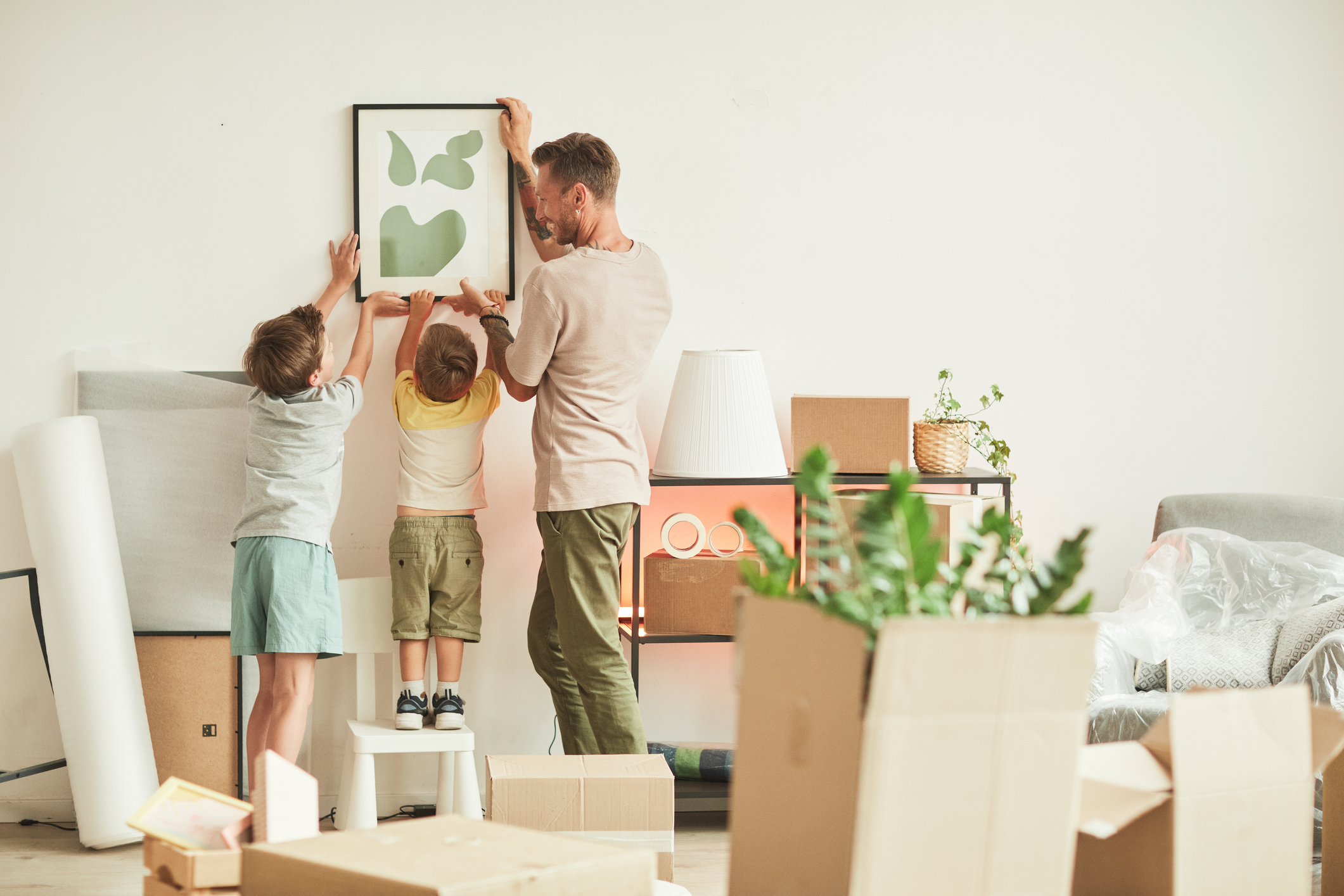
    Preparing Kids for a Big MoveMoving can be a stressful experience for anyone, but when you add children into the mix, it can become even more challenging. Leaving familiar surroundings and starting fresh in a new place can be overwhelming for kids. As parents, you want to prepare your children before the move to ensure a smooth transition. This guide provides practical tips to help your children feel excited and secure about their new home.

    Tips for Pre-Move Preparation

    Explain the Move to Kids Based on Their Age and Understanding: Communication is key to preparing your kids for a move. Be open and honest with them about why you are moving and what they can expect during the process. Their ability to understand and cope with a move varies with age so tailor your explanations to their level of understanding. Younger kids may need reassurance and simple reasons for the move, while older children might appreciate more detailed information.

    Be patient and understanding, as they may have mixed emotions about leaving their current home.

    Involve Them in the Process: One of the best ways to prepare your kids for a move is to involve them from the beginning. Take them with you when you go house hunting, let them help pack up their belongings, and give them a say in how their new room will be decorated. This will help them feel more connected to their new home and provide a sense of ownership over the move.

    Visiting the New Neighborhood and Home: Familiarity can significantly reduce anxiety. If possible, take your kids to the new neighborhood and home before the move. Visit nearby parks, playgrounds, schools, and other amenities so they can start getting familiar with their new surroundings. This can help them visualize their new life and build excitement about the change.

    Maintain Routines: Moving can disrupt your family’s normal routine, which can be unsettling for kids. Do your best to maintain as much of your routine as possible leading up to the move. Stick to the usual meal times, bedtime routines, and other familiar activities to provide stability during this period of change.

    Preparing Kids for a Big MovePacking Strategies for Families

    Efficient and Organized Packing: Packing can be chaotic, but it doesn’t have to be. Start by gathering packing supplies early and labeling boxes. Use different colored markers or stickers for each room to make unpacking straightforward. Encourage your kids to pack their belongings in kid-friendly boxes with fun labels. This involvement gives them a sense of responsibility and makes the task more enjoyable.

    Sort Through Belongings with Kids: Moving is an excellent opportunity to declutter and organize. Involve your children in sorting through their belongings. Ask them to decide what to keep, donate, or discard. This helps reduce the volume of items to be moved and teaches kids valuable lessons in decision-making and responsibility. Make it fun by turning it into a game or challenge.

    Pack a “First-Night Box”: The first night in a new home can be unsettling, especially for children. Prepare a “first-night box” with essentials for each family member. Include pajamas, toothbrushes, favorite toys, books, snacks, or other comfort items.

    Transitioning to the New Home

    Plan Moving Day to Minimize Stress: Moving day can be chaotic, but planning can minimize stress. Arrange for childcare if possible, or assign specific tasks to keep older kids engaged. Keep them occupied during the move with snacks, drinks, and entertainment. Keeping the day as calm and organized as possible will help your kids feel secure and less overwhelmed.

    Set Up Kids’ Rooms First: When you arrive at your new home, prioritize setting up your kids’ rooms first. This gives them a familiar space where they can retreat amidst all the chaos of unpacking. Set up their room in a similar layout and display familiar items like toys or pictures. Allow them to participate in arranging their new room to make it feel like their own.

    Preparing Kids for a Big MoveAfter the Move: Settling In

    Establish New Routines: Once you’ve settled into your new home, establish new routines that work well for everyone in the family. Set up regular schedules for meals, bedtime, and other daily activities as soon as possible. This consistency helps children adjust to their new environment and feel secure.

    Stay Positive: Children often take cues from their parents on how to react to different situations. Kids are more likely to approach the move with positivity and optimism if you do as well. Emphasize the exciting aspects of moving – exploring a new neighborhood or making new friends – rather than focusing on what they may have left behind.

    Give Them Time: Adjusting to a new home can take time for both children and adults. Be patient with your kids as they navigate this transition period and give them plenty of time to settle into their new surroundings at their own pace. Encourage them to express their feelings about the move openly and offer reassurance whenever needed.

    Moving with kids can be challenging, preparing them ahead of time can make the process smoother for everyone involved. Remember each child is different, so be flexible and adapt these tips to suit your family. With patience, love, and support, your kids will soon feel right at home in their new house.

    Ready to make your move? S&A Homes offers a diverse selection of home designs to accommodate a variety of home buyers throughout Central and South-Central Pennsylvania. Learn more about our new homes, including quick move-in homes and build on your land opportunities, by calling 1-855-SAHOME1 or visiting us online at SAHomeBuilder.com.

  • How to Choose the Right Home Builder

    How to Choose the Right Home Builder

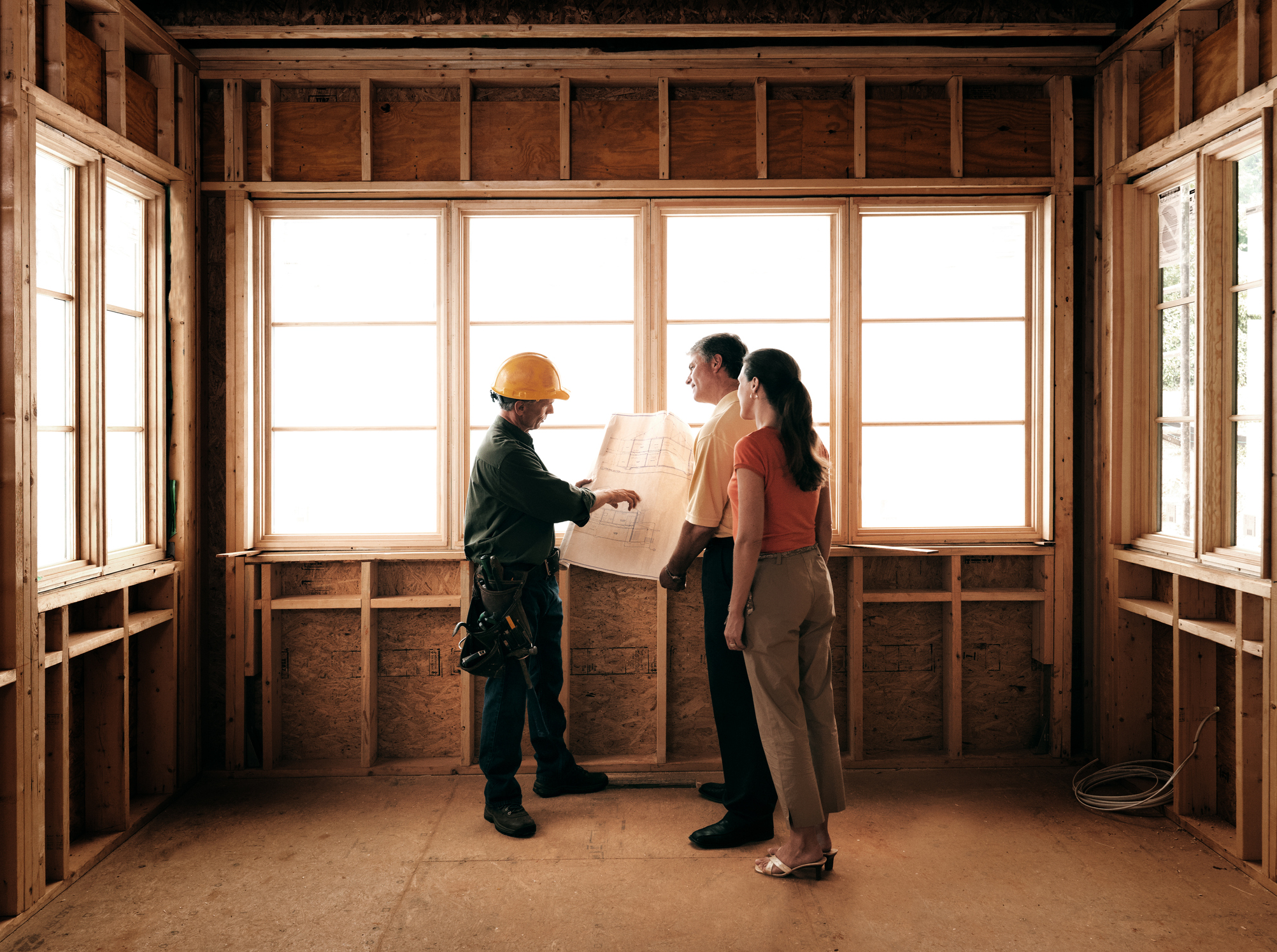
    How to Choose the Right Home BuilderDeciding to build a new home is an exciting adventure, but it can also be overwhelming. Choosing the right homebuilder is one of the most important decisions you’ll make. The builder you choose will be responsible for turning your vision into reality, making it essential to pick someone reliable and skilled.

    With so many options out there, it can be overwhelming to know where to start. From understanding your needs to making the final decision, we’ve got you covered with practical tips and questions to ask along the way.

    Understanding Your Needs

    Before you start looking for a homebuilder, it’s important to understand what you need and want in your new home. This step will help guide your search and ensure you find a builder who meets your expectations.

    Define Your Priorities: Consider what matters most to you in a new home. Do you need multiple bedrooms for a growing family, or are you looking for a cozy space for two? Consider your lifestyle and how the house will fit into it. Make a list of must-haves and nice-to-haves to keep you focused.

    Consider Future Needs: Your needs might change, so try thinking ahead. If you’re planning to expand your family or work from home in the future factor that into your plans. A builder who understands your long-term vision can help create a home that grows with you.

    Budget Constraints: It’s easy to get carried away with dreams of a perfect home, but it’s important to stay realistic about your budget. Determine how much you can afford to spend and stick to it. Having a clear budget will also help you find builders within your price range.

    Here are some of our most asked questions from S&A buyers.

    Researching Potential Homebuilders

    Finding the right homebuilder requires some research. This step will help you create a shortlist of builders that align with your preferences and budget and have a track record of delivering quality homes.

    Online Research: Start by searching online for homebuilders in your area. Look at their websites or portfolios and check if they have any accolades or awards. This will give you an idea of their style, quality of work, and reputation in the industry.

    Local Reviews and Recommendations: Ask friends, family, and colleagues if they have any recommendations. Local real estate agents can also be a valuable source of information. Personal recommendations often provide honest insights that you won’t find online.

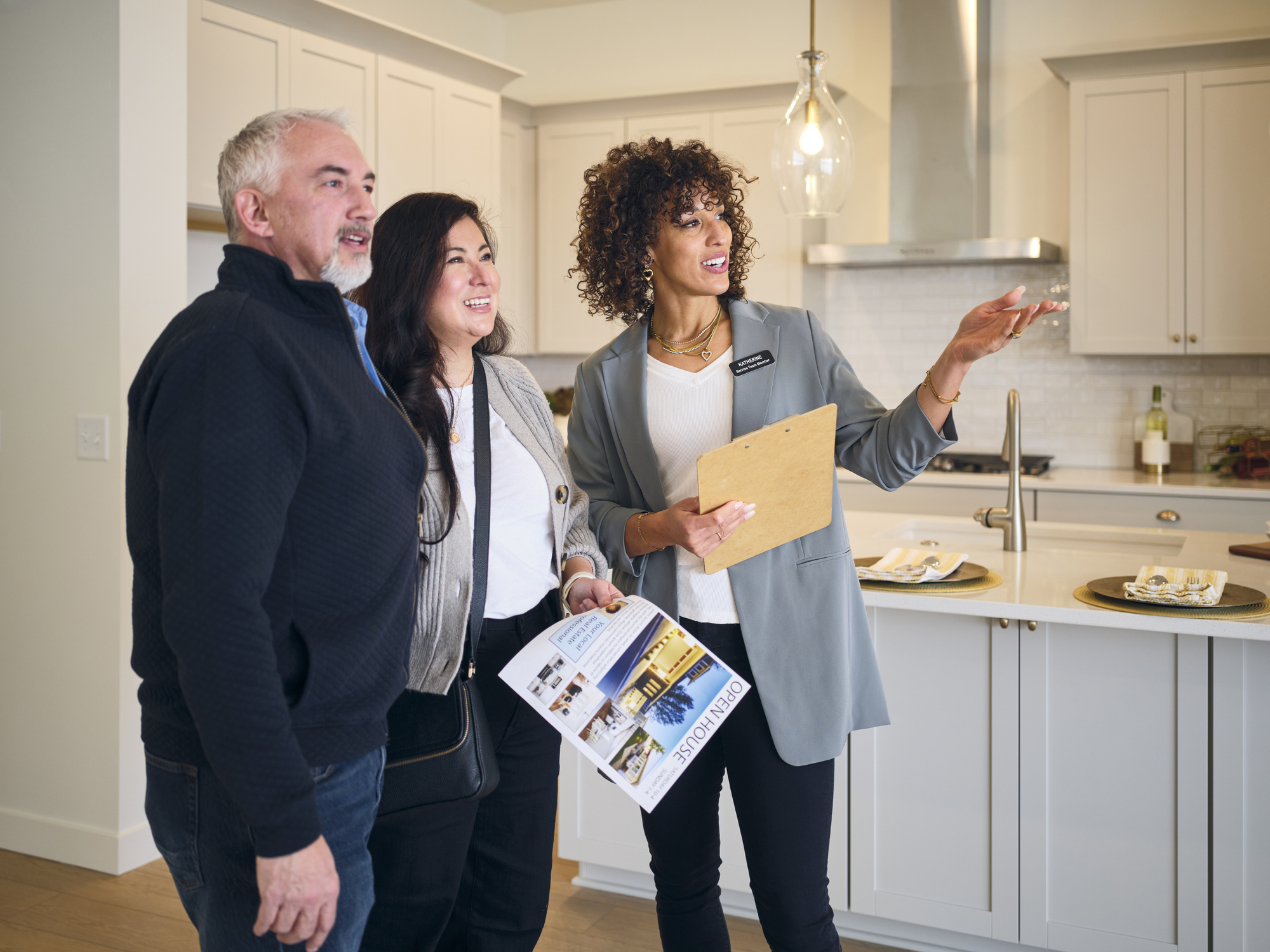
    Visit Model Homes and Open Houses: One of the best ways to get a feel for a builder’s work is by visiting model homes they have built. Take note of the quality of craftsmanship, materials used, and overall design aesthetic. Pay attention to details such as finishes, fixtures, and layout to see if it meets your expectations. Don’t be afraid to ask questions about the building process and what customization options are available.

    How to Choose the Right Home BuilderAssessing Homebuilder Portfolios

    Once you’ve narrowed down your list of potential builders, take the time to review their portfolios. This step will help you assess the quality and style of their work.

    Review Past Projects: Look at the builder’s past projects to see if their style matches your vision. Pay attention to the variety of homes they’ve built and whether they can handle different architectural styles.

    Quality of Workmanship: Examine the quality of workmanship in their completed homes. Are the finishes clean and precise? Is there evidence of cutting corners? High-quality builders take pride in their work and pay attention to the smallest details.

    Client Satisfaction: Check for testimonials and reviews from past clients. Were they satisfied with the final product? Did the builder address any issues promptly and professionally? Happy clients are a good indicator of a reliable builder.

    Meeting with Homebuilders

    Meeting with potential homebuilders is a crucial step in the selection process. This is your opportunity to ask questions and gauge whether they’re the right fit for your project.

    Key Questions to Ask:

    Prepare a list of questions to ask during your meetings. Here are some important ones to consider:

    • How many years of experience do you have in homebuilding?
    • What is your estimated timeline for completion?
    • How do you handle changes or modifications during the building process?
    • What steps do you take to ensure quality and safety?

    Communication Style: Pay attention to how the builder communicates. Are they responsive and clear in their answers? Good communication is essential for a smooth building process, so choose someone who listens to your concerns and keeps you informed.

    Understanding Their Process: Ask the builder to walk you through their building process. This will give insight into how they manage projects and handle any challenges that may arise. A transparent builder with a well-defined process is more likely to deliver a successful project.

    Ask about Warranty and Customer Service: A good builder will stand behind their work with a solid warranty and excellent customer service. Inquire about what kind of warranty they offer on their homes and how they handle any issues that may arise after closing. It’s important to feel confident that your builder will be there to address any concerns or repairs promptly.

    Here are some additional qualities to look for when selecting a new home builder.

    Making the Final Decision

    After thorough research and evaluation, it’s time to make the final decision. This step involves weighing all factors and choosing the builder who best meets your needs and expectations.

    Recap the Selection Process: Review all the information you’ve gathered during your research. Consider the builder’s experience, quality of work, communication style, and client feedback. Make a list of pros and cons for each builder to help with your decision.

    Consider value over price: While cost is an important factor when choosing a home builder, it shouldn’t be the only consideration. Consider factors such as quality of work, reputation, experience, and customer service in addition to pricing. Investing in a reputable builder may save you money in the long run by avoiding costly repairs or renovations.

    Trust Your Instincts: While data and research are important, you should trust your instincts. If you feel comfortable and confident with a particular builder, that’s a positive sign. Building a home is a significant investment, so choose someone you trust.

    Choosing the right home builder for your new construction home is one of the most important decisions you’ll make as a new home buyer. Following these tips and asking the right questions improve the chances your home’s construction goes smoothly from start to finish. With the right builder, you’ll be well on your way to creating a home that perfectly fits your vision and lifestyle.

    Ready to start your homebuilding journey? Visit www.SAHomeBuilder.com to learn more about our amazing new home opportunities throughout Central and South-Central Pennsylvania. Whether you choose to build in one of our communities or on your lot, you can be confident in our unwavering commitment to building quality homes.

  • Easy Ways to Make Your Home Sustainable

    Easy Ways to Make Your Home Sustainable

    Easy Ways to Make Your Home SustainableAs homeowners, we all want to do our part in helping the environment. One simple way to positively impact is by making our homes eco-friendlier and sustainable.

    Making your home eco-friendly doesn’t have to be complicated or expensive. There are simple changes you can make that will benefit the planet and save you money. In this blog post, we will explore some easy changes you can implement in your home to make it more sustainable and environmentally friendly.

    Why Energy Conservation Matters

    Energy conservation isn’t just about cutting costs; it’s a vital step towards protecting our environment. Residential energy use accounts for a significant portion of greenhouse gas emissions, contributing heavily to climate change. Homeowners hold the power to drive change by making simple yet effective modifications to how they use energy.

    You can reduce your environmental impact and improve your home’s comfort levels by adopting some energy-efficient practices. Imagine living in a space that’s cozy, sustainable, and eco-friendly, where the benefits extend beyond financial savings to include healthier indoor air quality and reduced demand for natural resources. These small changes can collectively make a significant difference!

    Identifying Energy-Wasting Habits

    Before we tackle solutions, it’s important to recognize the habits that lead to unnecessary energy consumption. Identifying these areas can help you target your efforts more effectively and see faster results in energy savings.

    One of the primary culprits in energy wastage is leaving appliances and electronics plugged in when they’re not in use. Known as “vampire energy,” this can account for up to 10% of your electricity bill. Chargers, televisions, and computers left on standby mode continue to draw power, increasing your overall energy use without you realizing it.

    Another common practice is inefficient lighting. Many households still rely on traditional incandescent bulbs, which consume more electricity and have shorter lifespans compared to their energy-efficient counterparts. Switching to LED or CFL bulbs can significantly reduce the energy used for lighting.

    Heating and cooling systems are another major area of energy loss, especially if your home isn’t properly insulated. Air leaks and poor insulation mean your HVAC system has to work harder to maintain a comfortable temperature, leading to increased energy consumption and higher bills.

    Easy Ways to Make Your Home SustainableUpgrade to Energy-Efficient Appliances

    Replacing old appliances with energy-efficient models is one of the most impactful changes you can make. Look for appliances with the ENERGY STAR label, which signifies that they meet strict efficiency criteria set by the EPA.

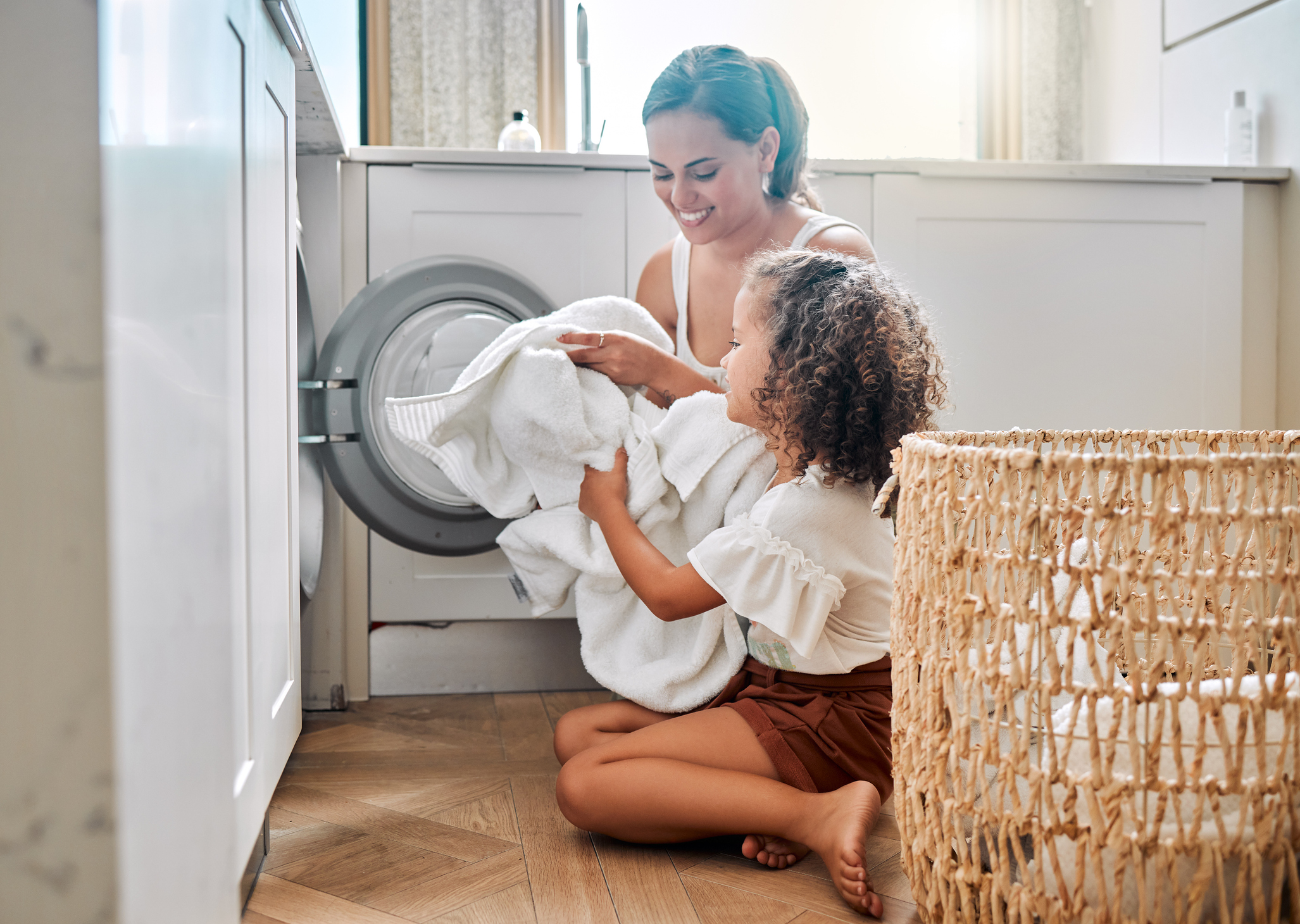
    Energy-efficient refrigerators, washing machines, and dishwashers use less energy and water than older models. While the initial investment might be higher, the savings on your utility bills will quickly offset the cost. Many local programs offer rebates for purchasing energy-efficient appliances, making the switch even more affordable.

    Consider upgrading your HVAC system. Modern systems are designed to operate more efficiently and can drastically cut down your energy consumption. If a full replacement isn’t feasible, maintaining your current system through regular servicing can improve its efficiency and lifespan.

    Improve Home Insulation

    Proper insulation is crucial for maintaining energy efficiency in your home. It minimizes heat loss in the winter and keeps your home cooler in the summer, reducing the need for constant heating or cooling.

    Start by insulating your attic, as this is where most heat escapes. Consider adding weather stripping or caulking around doors and windows to seal any gaps where air might leak. Replacing old windows with double-glazed ones can also significantly enhance your home’s insulation properties.

    Don’t forget about your floors and walls. Adding insulation to these areas can further prevent energy loss. Simple home improvements like using thick rugs or hanging heavy curtains can also help retain heat during colder months.

    Use Smart Home Technology

    Smart home technology offers innovative solutions for managing energy use more efficiently. These devices allow you to control and monitor your energy consumption so you’re only using energy when you need it.

    Smart thermostats are a great starting point. They learn your schedule and adjust the heating or cooling accordingly, optimizing your home’s energy use. This reduces waste while maintaining comfort levels without constant manual adjustments.

    Smart plugs and power strips help eliminate vampire energy. They can be programmed to turn off devices when not in use or during specific times of the day, ensuring no device is drawing power unnecessarily.

    Additionally, smart lighting systems offer the ability to control lights remotely. You can set timers, adjust brightness, and even change colors, all while saving energy. These systems can also integrate with voice assistants, making energy management convenient and seamless.

    Implement Lifestyle Changes

    While upgrading appliances and improving insulation are effective, small lifestyle changes can lead to significant energy savings. These habits are easy to adopt and can make a substantial difference over time.

    Be mindful of how you use lighting. Make it a habit to turn off lights when leaving a room, and utilize natural daylight whenever possible. Rearranging furniture to take advantage of sunlight can reduce the need for artificial lighting during the day.

    Consider reducing water heater settings. Lowering the temperature by just a few degrees can save a lot of energy. Additionally, washing clothes in cold water and taking shorter showers can further reduce energy use and water wastage.

    Be proactive about unplugging devices that aren’t in use. Power down computers, unplug chargers, and turn off televisions rather than leaving them on standby. These actions can help minimize vampire energy and lower your electricity bill.

    Easy Ways to Make Your Home SustainableWrapping Up Your Sustainable Energy-Saving Journey

    Incorporating energy-saving tips into your home benefits the environment and enhances your quality of life. By reducing energy consumption, you can enjoy lower utility bills, a more comfortable living space, and the pride of contributing to a sustainable future.

    Taking these steps may seem challenging but these small changes can lead to significant results. Start with one or two adjustments and gradually implement more as you become comfortable with the process.

    Discover Energy Efficient Homes with S&A Homes

    If you want to embrace a more sustainable lifestyle, consider a new home from S&A Homes. Our energy-efficient eHomes are designed with the environment and your comfort in mind, helping you save money while reducing your carbon footprint. With cutting-edge energy-efficient systems, excellent insulation, and smart technology, these eco-friendly homes make living green stylish, and accessible. Find out more about our innovative eHomes and start imagining your greener future by visiting S&A Homes or give us a call at 1-855-SAHOME1.

  • Making the Most of Your Model Home Tour: Tips for New Construction Homebuyers

    Making the Most of Your Model Home Tour: Tips for New Construction Homebuyers

    Making the Most of Your Model Home Tour: Tips for New Construction HomebuyersWhen purchasing a new construction home, touring a model home can be an exciting and informative experience. Model homes are designed to showcase the best features of a builder’s work and give potential buyers a feel for what their future home could look like. However, there are a few things you should consider to get the most out of your model home tour. From asking the right questions to paying attention to detail, here are some tips to help you have the best experience possible.

    Do Your Research

    Before you even step foot inside a model home, it’s important to do your research. Familiarize yourself with the builder’s website and floor plans so you know what to expect. This will help you ask more informed questions during your tour and ensure you don’t miss any key features. Look up reviews online, check out photos of completed homes by the builder, and familiarize yourself with the options available.

    What to Prepare Before the Tour

    Preparation is the first step to ensuring a successful model home tour. First, create a checklist of items to bring along. A camera or smartphone is indispensable for capturing photos and videos, helping you remember details later. A notepad and pen are also essential for jotting down notes, questions, and observations. Note any design elements or features that stand out to you, as well as any questions you may have for the builder or sales representative. These might include inquiries about customization options, neighborhood amenities, and estimated completion times.

    When touring multiple model homes from different builders, it can be helpful to create a checklist or rating system to keep track of what you liked and didn’t like about each one. This will make it easier for you to compare homes later on and determine which best fits your needs and preferences.

    Having these items ready will not only make your tour more productive but also help you stay focused and organized.

    Understanding the Layout and Features

    When touring a model home, it’s not just about admiring the decor; you need to visualize yourself living in the space. Pay close attention to the layout and how it would fit your lifestyle. Are the rooms spacious enough for your needs? Will your furniture fit in each room? Is the kitchen functional and accessible? Assess the flow between different areas of the home and imagine daily activities like cooking, entertaining, and relaxing.

    Think about the overall design and whether it aligns with your style and preferences. Also, consider the placement of windows and the amount of natural light each room receives. A well-lit home can improve your mood and reduce energy costs. Take note of features that stand out, like built-in storage, smart home technology, or outdoor living spaces. These features can significantly enhance your living experience.

    Assessing Quality and Craftsmanship

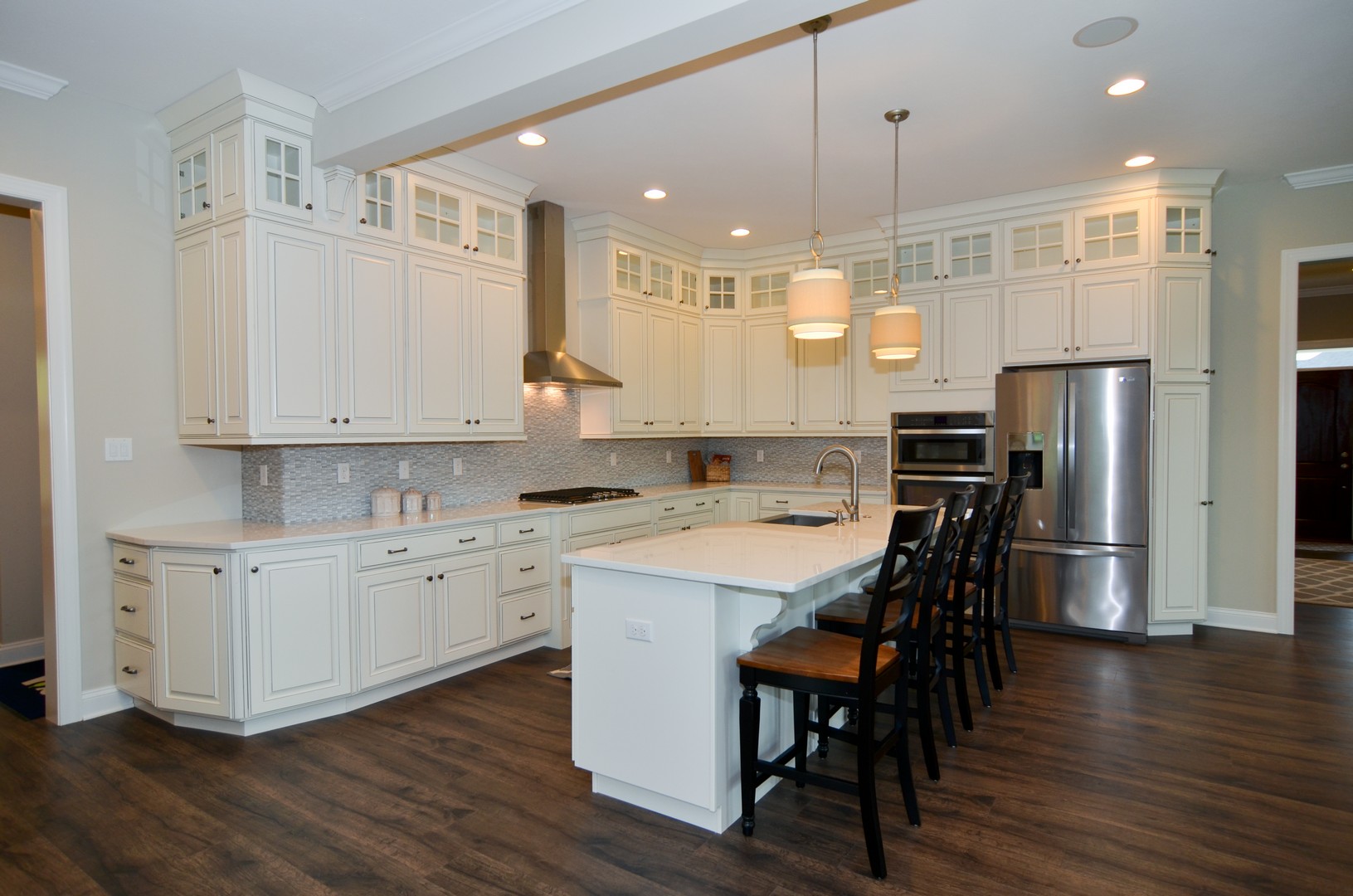
    Quality and craftsmanship are critical factors when evaluating a model home. Start by examining the materials used in construction. Are they durable and high-quality? Look at the cabinets, countertops, flooring, and fixtures. High-quality materials not only look better but also last longer. Do the finishes match your style preferences? These details can make a difference in your overall satisfaction with your new home.

    Next, inspect the workmanship. Pay attention to the finishings; well-done finishings indicate attention to detail and superior craftsmanship. Don’t be afraid to open cabinets, closets, and doors to check for smooth operation. Take the time to scrutinize the quality and craftsmanship to avoid future disappointments.

    Evaluating the Home’s Energy Efficiency

    Energy efficiency is a crucial consideration for new construction homebuyers. Energy-efficient homes are better for the environment but save you money on utility bills. During your tour, look for features such as energy-efficient windows, insulation, and appliances. Ask the builder about the home’s Energy Star rating or other certifications that indicate high energy efficiency standards.

    Inquire about the heating, ventilation, and air conditioning (HVAC) systems. Modern, energy-efficient HVAC systems can greatly enhance indoor comfort and reduce energy consumption. Also, check if the home incorporates renewable energy sources like solar panels or geothermal heating.

    Understanding these features can help you make an informed decision and ensure long-term savings and sustainability.

    Making the Most of Your Model Home Tour: Tips for New Construction HomebuyersAsking the Right Questions

    Engaging with the builder or sales representative is an important part of the model home tour. Don’t be afraid to ask questions during your model home tour. The sales representative is there to help guide you through the process and provide information about the home and community. Prepare a list of questions to ask during your visit. Key questions might include:

    • What customization options are available?
    • Are there any additional costs for upgrades?
    • What are the community amenities?
    • What is the estimated timeline for construction and move-in?
    • Anything that is important to you

    Ask about the builder’s warranty and post-construction support. A reliable builder will offer comprehensive warranties and be readily available for any follow-up queries or concerns.

    This is your opportunity to gather as much information as possible. Don’t hesitate to speak up if something isn’t clear or you want more details about a particular feature.

    The Importance of Multiple Visits

    One visit to a model home may not be enough to gather all the information you need. Consider scheduling multiple visits to get a comprehensive understanding of the home and community. During subsequent visits, focus on different aspects such as the neighborhood, noise levels, and traffic patterns.

    Observe how the home feels at different times of the day. A home that feels bright and airy in the morning may feel cramped and dark in the afternoon. Multiple visits also allow you to ask follow-up questions and clarify any doubts.

    By making multiple visits, you can ensure you’re making a well-informed decision and ultimately find the perfect home for your needs.

    Making the Most of Your Model Home Tour: Tips for New Construction HomebuyersTake Your Time

    Remember to take your time during the model home tour. Don’t rush through each room just to get it over with; instead, take in all the details and immerse yourself in the experience. It’s worth taking the time (and multiple visits) so you make the right decision.

    Touring a model home is an exciting opportunity for new construction homebuyers to see firsthand what their potential future home could look like. Keep these key considerations in mind so you have the best experience possible and can confidently choose your new home when it’s time.

    New Construction Homes by S&A Homes

    Ready to take the next step? We hope you’ll consider building your new home with S&A Homes. We have a long history of quality new construction homes throughout Central and South-Central Pennsylvania. We offer several new construction options for first-time buyers. You can build a new home from the ground up with us in one of our many new home communities or on your own land.

    If you want a new construction home without the wait, check out our quick move-in homes or our Streamline Series of plans. Our Streamline collection of plans has the same construction quality that S&A Homes is known for with a faster build time. Call 1–855-SAHOME1 or visit www.SAHomeBuilder.com to learn more about our new home communities, floorplans, and more.

  • Create an Organized and Functional Kitchen

    Create an Organized and Functional Kitchen

    Create an Organized and Functional KitchenCreating an organized and functional kitchen is a game-changer. Imagine walking into your kitchen and everything has its place. No more hunting for that elusive spatula, and no more overstuffed drawers. An organized kitchen not only makes cooking more enjoyable but also significantly enhances your home’s functionality and aesthetics. Here are some top tips for creating an organized and functional kitchen that will not only look great but also make your daily cooking routine a breeze.

    Understanding Your Kitchen Space

    Assessing Layout and Storage: Before you start organizing, take a good look at your kitchen’s layout. Identify the flow of movement from the sink to the stove to the refrigerator. This is commonly known as the kitchen work triangle and is essential for efficient meal prep. Assess your current storage solutions—is there enough space for everything? If not, you may need to rethink how you use your cabinets and drawers.

    Identifying High-Traffic Zones: Certain areas in your kitchen will naturally see more activity. These high-traffic zones, like the counter space next to the stove or the area around the sink, should be easily accessible and free of clutter. A well-organized high-traffic zone can make your kitchen much more efficient.

    Evaluating Current Organization Systems: Take stock of your current organization systems. Are they working for you? If you find yourself constantly digging through cluttered drawers or struggling to find what you need, it’s time for a change. Evaluate what’s working and what’s not to make a game plan for a more organized space.

    Decluttering and Organizing

    Tips for Efficient Use of Space: Decluttering is the first step towards an organized kitchen. Start by emptying your cabinets and drawers and sorting items into categories—keep, donate, and discard. Keep only what you regularly use and love. Once you’ve decluttered, you’ll have a clearer idea of how much storage space you actually have.

    Utilizing Vertical Space: Don’t forget about vertical space. Install shelves on empty walls to store cookbooks, spices, or decorative items. Magnetic knife strips can free up drawer space while keeping your knives within reach. Pot racks are another excellent way to utilize vertical space for bulky items like pots and pans. This will help keep your countertops clear of clutter while still keeping essential items within reach.

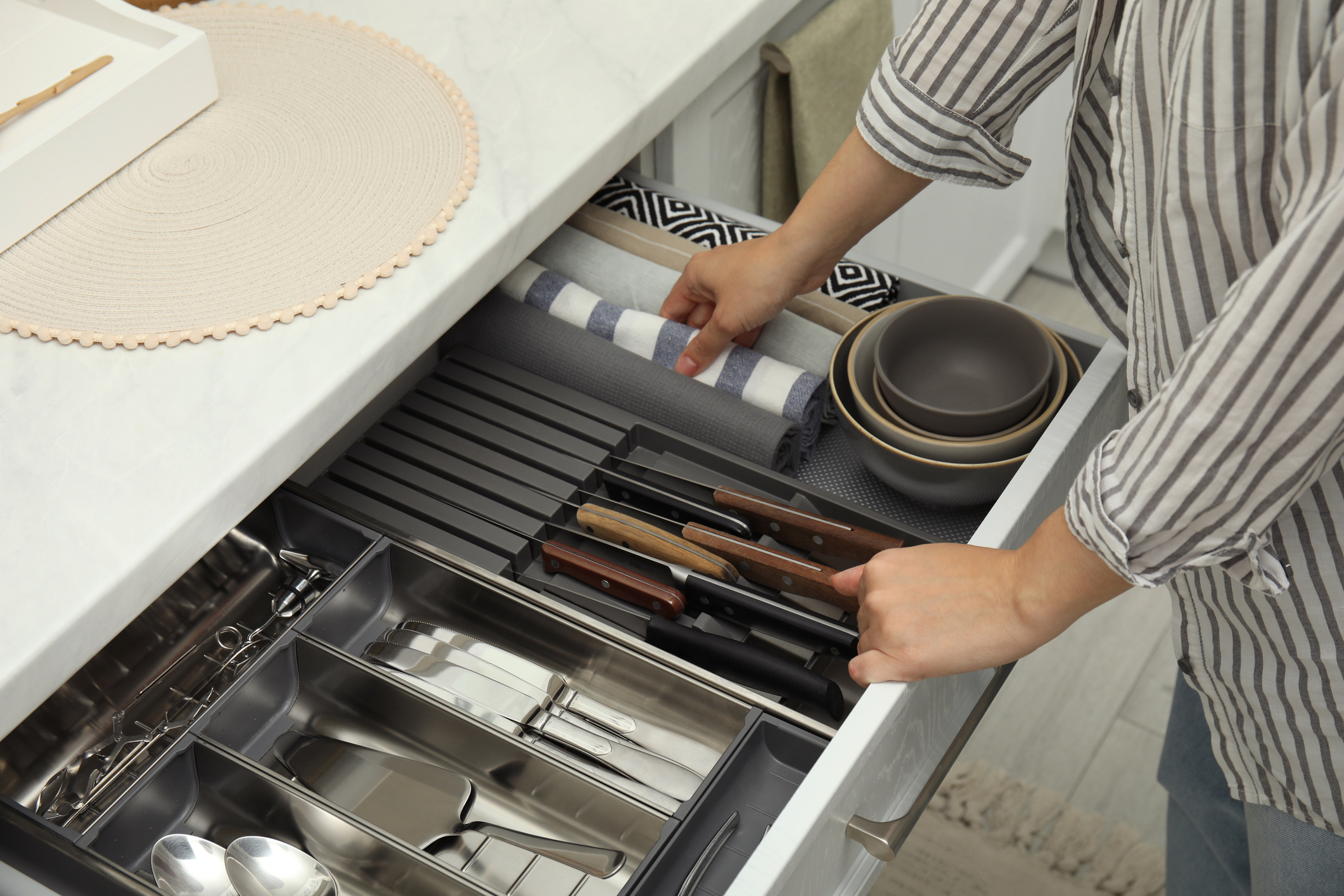
    Drawer and Cabinet Organizers: Drawer and cabinet organizers can make a world of difference in maintaining an orderly kitchen. Use drawer dividers for utensils and cutlery. Add pull-out shelves to deep cabinets to make items at the back more accessible. Lazy Susans can be a great addition to pantries or corner cabinets for easy access to condiments and spices.

    Functional Kitchen Design

    Incorporating Essential Tools and Appliances: A functional kitchen design goes beyond just organization; it includes the right tools and appliances to make cooking a breeze. Invest in high-quality appliances that suit your cooking style. Whether it’s a powerful blender for smoothies or a stand mixer for baking, having the right tools can make your kitchen more functional.

    Zoning Your Kitchen: Create zones in your kitchen to streamline tasks. For example, designate a baking zone with all your baking supplies like flour, sugar, and mixing bowls. A coffee station with mugs, coffee beans, and a grinder can make your morning routine more pleasant. Zoning helps in keeping everything you need for a specific task close at hand.

    Ergonomic Considerations: Consider ergonomics to make your kitchen more comfortable to work in. Store frequently used items at eye level to avoid constant bending and stretching. Ensure that your countertops are at a comfortable height for meal prep. Ergonomically designed kitchens can make cooking less of a chore and more of a joy.

    Maintenance and UpkeepCreate an Organized and Functional Kitchen

    Keeping Your Kitchen Organized Long-Term: Once you’ve achieved your dream kitchen organization, maintaining it is crucial. Regularly declutter and reorganize to ensure that your kitchen remains functional. Make it a habit to return things to where they belong immediately after use. Consistency is key to long-term maintenance.

    Routine Cleaning and Upkeep: Routine cleaning is essential for a well-organized kitchen. Set aside time each week to wipe down surfaces, clean out the refrigerator, and organize your pantry. Regular upkeep prevents clutter from building up and keeps your kitchen looking its best.

    Creating an organized and functional kitchen doesn’t have to be overwhelming or expensive. By following these tips and implementing some simple changes, you can transform your kitchen into a space that works for you.

    We hope you’ll consider S&A Homes when you’re ready to buy your new home. We offer a diverse selection of home designs to accommodate a variety of home buyers throughout Central and South-Central Pennsylvania. Learn more about new home opportunities from S&A Homes, including quick move-in homes and build on your land opportunities, by calling call 1-855-SAHOME1 or visiting us online at SAHomeBuilder.com.

  • Sweet Dreams: A Guide to Refreshing Your Bedroom

    Sweet Dreams: A Guide to Refreshing Your Bedroom

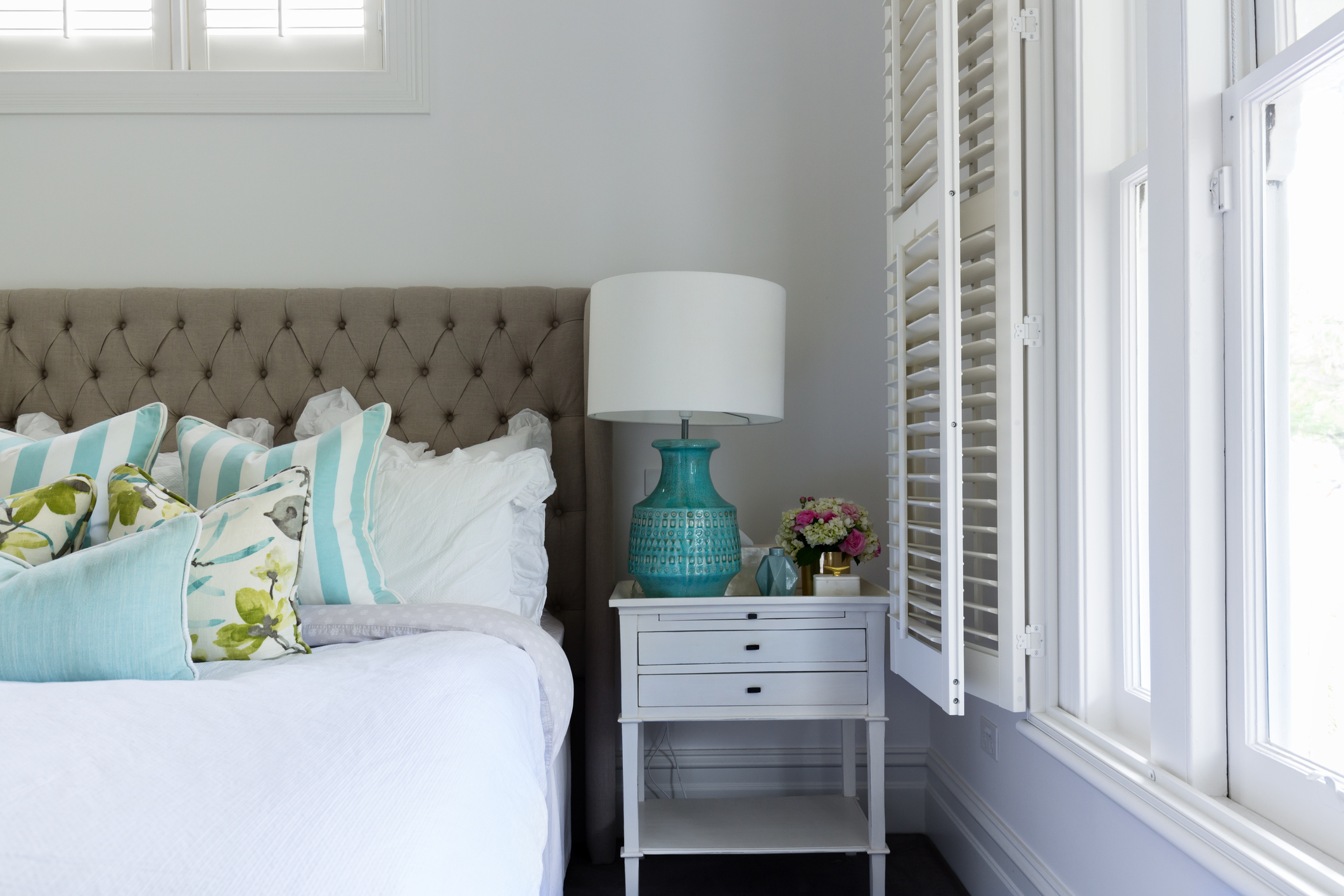
    Sweet Dreams: A Guide to Refreshing Your Bedroom. Interior details of a master bedroom bedside tableYour bedroom should be a sanctuary, a place to relax and recharge. But if it feels more like a dated dorm room than a serene retreat, it might be time for a refresh. Ready to breathe new life into your bedroom without breaking the bank? We’ve got you covered. Here are some tips for refreshing your bedroom so you can create a cozy and inviting retreat that reflects your style.

    Budgeting for a Bedroom Refresh

    Setting a Realistic Budget

    First things first, determine how much you’re willing to spend. Review your finances and set a budget that won’t strain your wallet. Remember, a bedroom makeover doesn’t have to be expensive to be effective. Break down the total amount into categories like furniture, decor, and paint, so you know exactly where your money will go.

    Prioritizing Your Spending

    Once you have a budget, prioritize the elements that make the biggest impact. Sometimes, something as simple as new bedding can change the whole look and feel of a room. Decide what’s most important to you—whether it’s a new mattress for better sleep or a fresh coat of paint for a more modern look—and allocate funds accordingly.

    Quick Wins for a Bedroom Makeover

    Declutter and deep clean

    The first step in refreshing any space is to declutter. Go through your belongings and get rid of anything you no longer need or use. This will make your room look cleaner and more organized and make it easier to see what items you already have that can be repurposed or used differently.

    After decluttering, take the time to give your bedroom a thorough cleaning. Remove clutter, dust surfaces, vacuum floors, and wash bedding to create a fresh canvas for your updates. A clean space will instantly feel more inviting and relaxing.

    Rearrange furniture

    Another way to refresh your bedroom without spending money is to rearrange your furniture layout. Try moving your bed to a different wall or swapping out nightstands for a new look. You’d be surprised at how much of a difference a new furniture layout can make in transforming the vibe of your room.

    Update your bedding

    A quick way to give your bedroom an instant facelift is by updating bedding and accessories. Swap out old throw pillows for new ones in different colors or patterns, invest in a cozy duvet cover, or add a plush area rug for added comfort underfoot. Look for sales or clearance items to save money on high-quality bedding. These small changes can make a big impact on the overall look and feel of your room.

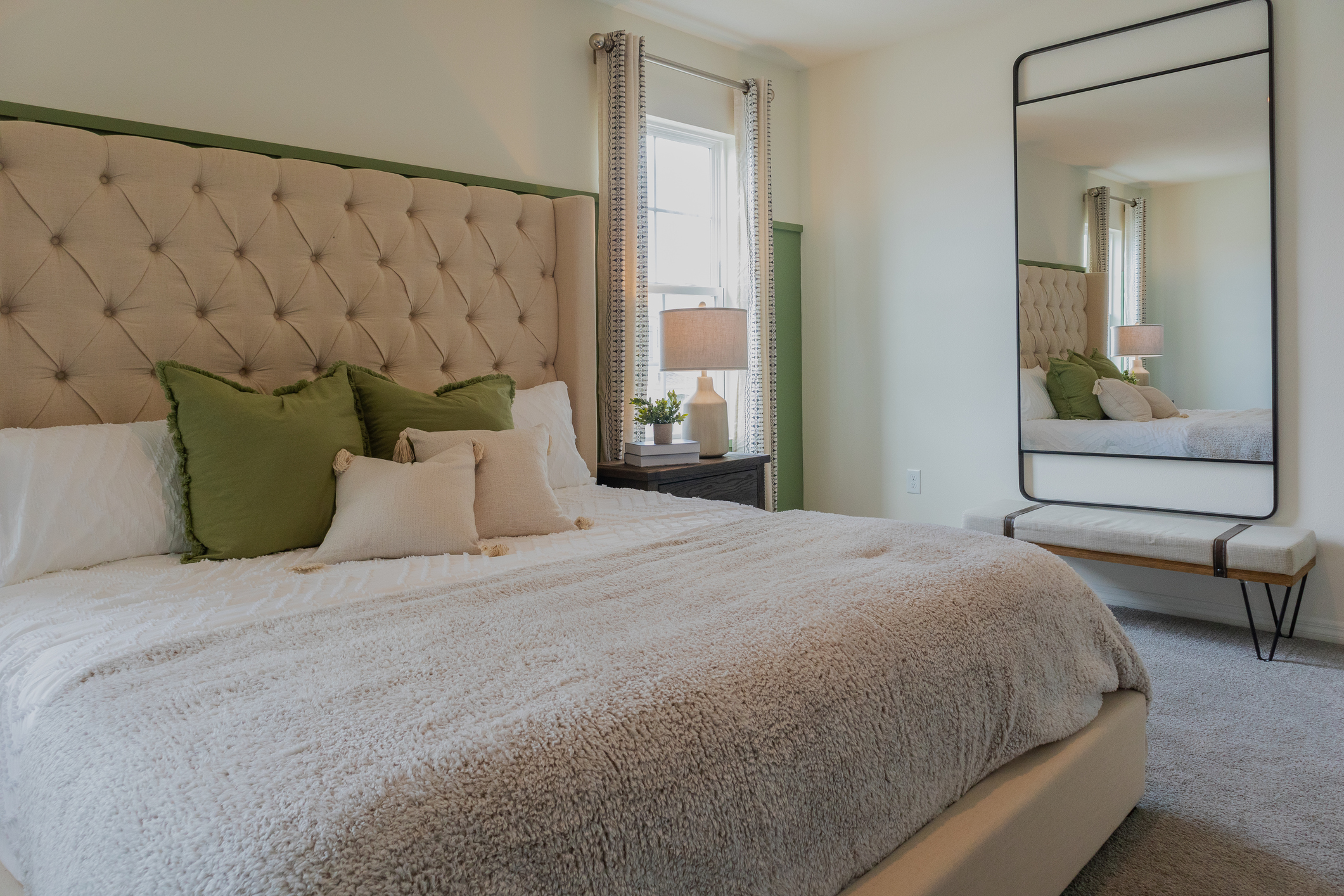
    Sweet Dreams: A Guide to Refreshing Your Bedroom. Luxury master bedroom with tufted upholstered headboard with window and night standAdd greenery

    Plants are an affordable way to bring life and color into your bedroom. Consider adding potted plants or fresh flowers to brighten up the space and improve air quality. If you don’t have a green thumb, there are plenty of low-maintenance options available that require minimal care. Not only do plants add visual interest, but they also have mood-boosting benefits that can enhance your overall well-being.

    Update your lighting

    Lighting can make or break a room’s ambiance. Swap out old, outdated fixtures for modern ones that offer better illumination and style. Dimmable light fixtures can help set the mood for relaxation at night while providing task lighting during the day. You can find affordable lighting options at thrift stores or discount retailers.

    Personalize with artwork

    Infuse personality into your bedroom by hanging artwork or photographs that speak to you. Whether it’s a gallery wall of family photos or an abstract painting that inspires you, art can add color and character to your space. Mix and match frames for an eclectic look or choose pieces that complement each other for a cohesive design.

    Treat yourself to new accessories

    Finally, treat yourself to some new accessories that will elevate the look of your bedroom. Consider adding a stylish area rug, decorative mirrors, or statement curtains to tie everything together. Small details like knobs on dressers or drawer pulls can also make a big difference in refreshing the overall aesthetic of the room.

    Tips for Sustainable Bedroom Refreshes

    Recycling Old Furniture

    Before you toss out that old dresser, consider giving it a new life. A fresh coat of paint or new hardware can make an old piece feel brand new. Repurposing existing items not only saves money but also reduces waste.

    Choosing Sustainable Materials

    Opt for eco-friendly materials whenever possible. Bamboo, reclaimed wood, and organic textiles are great choices. These materials not only look good but also have a smaller environmental footprint.

    Shopping Second-Hand

    Thrift stores, consignment shops, and online marketplaces are treasure troves for unique finds. You can often score high-quality items at a fraction of the cost, all while being kind to the planet.

    Refreshing your bedroom doesn’t have to be expensive or time-consuming. By implementing some simple tips and tricks, you can transform your space into a cozy retreat that reflects your individual style and personality. Whether you’re working with a tight budget or have some extra cash to spare, these ideas are sure to help you create a refreshed bedroom that feels like home sweet home every time you walk through the door.

    Build new with S&A Homes

    S&A Homes offers a variety of new home communities and floorplans in the most sought-after locations in Central and South-Central Pennsylvania. To learn more about the available home designs and quick move-in homes, call 1-855-SAHome1 or visit SAHomeBuilder.com.

  • When is the Best Time to Buy a New Home?

    When is the Best Time to Buy a New Home?

    When is the Best Time to Buy a New Home? Young happy couple and an agent in a new propertyBuying a home is one of the biggest decisions you will make in your lifetime. It’s not just about finding the right property, but also about timing your purchase correctly. Many factors come into play when deciding when to buy a house, from market conditions to personal circumstances. Each season offers unique advantages and challenges. Let’s explore the different reasons to buy in specific seasons and how they can impact your home-buying experience.

    The Influence of Seasons on Real Estate

    Understanding how seasons affect the real estate market can give you an edge in your home-buying journey. From inventory levels to market competition, each season brings its own set of conditions that can influence your decision-making process.

    Spring: The Season of Renewal in Real Estate

    Spring is synonymous with new beginnings, and is one of the most popular times for home sales. That’s why it’s commonly known as the “home-buying season.” The market is bustling with buyers entering the market after hibernating during the winter months. This can create a competitive environment for buyers, but it also means more inventory to choose from. Another benefit of buying in spring is warmer weather and longer days, making it easier to view properties and attend open houses.

    Summer: Ideal for Families and Settling In

    Summer is a popular time for families to buy a home. It’s easier to move and settle into a new neighborhood before the new school year begins. Homes often look their best in summer, with blooming gardens and well-maintained lawns adding to curb appeal. This increased demand can drive prices up, but it also means more options for buyers as sellers try to attract

    Fall: A Season of Opportunity

    Fall can be an excellent time for first-time buyers and those looking for a good deal. The market starts to cool after the busy summer months, leading to less competition and potentially lower prices. Sellers who have had their homes on the market all summer may also be more motivated to negotiate on price. Inventory may start to decrease as winter approaches, so act fast if you find a home you love. Another bonus: the cooler temperatures make it comfortable for house hunting and moving.

    Winter: Bargains and Less Competition

    Winter is often considered the off-season in real estate, but it can be a hidden gem for savvy buyers. While fewer options may be available, buyers willing to brave the winter months can take advantage of less competition and potentially lower prices from sellers eager to make a deal. Lenders may also be less busy during this time of year, which could speed up the mortgage approval process. If you’re considering a new construction home, some builders also offer year-end incentives to entice buyers.

    When is the Best Time to Buy a New Home? Ecstatic couple holding keys to new homeThe Best Time to Buy Depends on You

    While each season offers distinct advantages, the best time to buy ultimately depends on your personal situation and readiness. Take into account factors such as your financial stability, job security, and long-term goals before making a decision. If you’re not ready yet but are considering buying in the future, use this time wisely by saving money for down payment or improving your credit score. If you’re looking for more homebuyer information, we have an entire collection of homebuying tips on our blog.

    If you’re ready to take the next step in your home-buying journey, we hope you’ll consider S&A Homes. We offer a diverse selection of new construction homes throughout Central and South-Central Pennsylvania. Whether you buy in one of our new home communities or build on your land, we’re sure you’ll be able to find the home of your dreams.

    Visit us online at SAHomeBuilder.com or call 1-855-SAHome1 to learn more about new home opportunities, including quick move-in homes.

  • Inexpensive Ways to Make Your Home Look Expensive

    Inexpensive Ways to Make Your Home Look Expensive

    Inexpensive Ways to Make Your Home Look ExpensiveCreating a luxurious living space doesn’t have to drain your bank account. With a few strategic design choices, you can transform your home into a haven of elegance and style without spending a fortune. The key to achieving a high-end look lies in understanding the basics, incorporating clever design strategies, and tapping into your creativity. Here’s how you can elevate your home decor while keeping your budget intact.

    Understanding the Basics of Home Decor

    The foundation of any great interior design project is a solid understanding of design principles. Consider color schemes, lighting, and furniture arrangement as your starting blocks. Neutral color palettes often evoke a sense of luxury, serving as a perfect backdrop for highlighting other elements. Lighting, both natural and artificial, can dramatically alter the mood and perception of space. Arranging your furniture to maximize flow and functionality is equally important.

    Declutter and Organize

    A cluttered space can make even the most expensive decor look cheap and uninviting. Take the time to declutter your home by getting rid of unnecessary items and organizing your belongings in stylish storage solutions. Keep surfaces clean and minimalist to create a polished and sophisticated look that exudes luxury.

    Incorporate High-Low Design Strategies

    One of the most effective approaches to achieving a luxurious look for less is the high-low design strategy. This involves mixing high-end pieces with more affordable finds. Invest in statement pieces that draw attention, such as a plush sofa or an exquisite dining table, and balance these with budget-friendly accessories and accents. The contrast not only adds interest but also makes your high-end pieces stand out even more.

    DIY Projects and Upcycling

    DIY projects offer a unique opportunity to add personal flair to your home decor. From creating custom wall art to refurbishing an old piece of furniture, your options are limitless. Upcycling, or repurposing items, is not only environmentally friendly but also a budget-conscious way to inject character into your space. Think creatively—turn old jars into chic vases or refresh wooden chairs with a new coat of paint.

    Updating Lighting

    Lighting can have a huge impact on the overall look and feel of a room. By updating old, outdated lighting fixtures with more modern and stylish options, you can instantly elevate the ambiance of your space. Consider adding statement chandeliers or pendant lights to create a luxurious atmosphere without spending a lot of money.

    Natural light is also key in creating an inviting atmosphere so make sure to keep windows clean and unobstructed.

    Inexpensive Ways to Make Your Home Look ExpensiveAccessorizing for Impact

    Metallic accents like gold, silver, or brass can instantly elevate the look of any space and give it a more luxurious feel. Add metallic touches through accessories like vases, picture frames, or candle holders for an elegant and sophisticated vibe. You can also mix different metals for a modern and eclectic look that feels curated and intentional.

    You don’t have to spend a fortune on original artwork to give your home an expensive feel. Look for affordable prints or posters from local artists or online retailers that complement your decor style. Additionally, investing in quality accessories like decorative vases, sculptures, or candles can add sophistication and personality to your space.

    Accessories play a crucial role in tying your room’s aesthetic together. However, it’s not just about what you display but how you display it. Grouping decor items in threes, varying heights, and textures, and incorporating mirrors to reflect light and create depth are all tricks of the trade. Remember, less is often more; choose quality over quantity to avoid clutter.

    Harnessing the Power of Paint and Textiles

    Never underestimate the transformative power of paint and textiles. A fresh coat of paint can breathe new life into a room, and choosing the right color can make all the difference. Painting walls in neutral tones such as white, beige, or grey can help create a sophisticated backdrop for your decor while making the space feel larger and more airy.

    Similarly, textiles—rugs, curtains, throw pillows—add warmth, texture, and layers to a space. Opt for rich fabrics like velvet, silk, or linen that instantly add a touch of luxury to any room. Look for affordable options at discount stores or online retailers that offer designer-inspired pieces at a fraction of the cost.

    Inexpensive Ways to Make Your Home Look ExpensiveCreating the Illusion of Space

    Space is a luxury in itself. You can make a room appear larger and more open with a few design tricks. Utilize light colors, transparent materials, and strategic furniture placement to enhance the sense of space. Mirrors are a great way to add depth and light to a room, making it feel more spacious and upscale. Place large mirrors strategically across from windows to reflect natural light, creating a bright and airy atmosphere.

    Elevating your home decor to reflect a luxurious aesthetic doesn’t require a hefty investment. By mastering the basics of home decor, employing high-low design tactics, tackling DIY projects, accessorizing smartly, leveraging the power of paint and textiles, and maximizing the illusion of space, you can create a stunning living environment that looks much more expensive than it actually is. The essence of luxury is found in the details and the thoughtfulness of your design choices. So go ahead and give these budget-friendly ideas a try to make your home decor look more expensive without breaking the bank!

    Ready to start fresh in a new home? S&A Homes builds new home communities throughout Central and South-Central Pennsylvania. Learn more about new home opportunities, including quick move-in homes and build on your land opportunities, by calling call 1-855-SAHOME1 or visiting us online at SAHomeBuilder.com.

  • Getting Your Outdoor Space Ready for Summer

    Getting Your Outdoor Space Ready for Summer

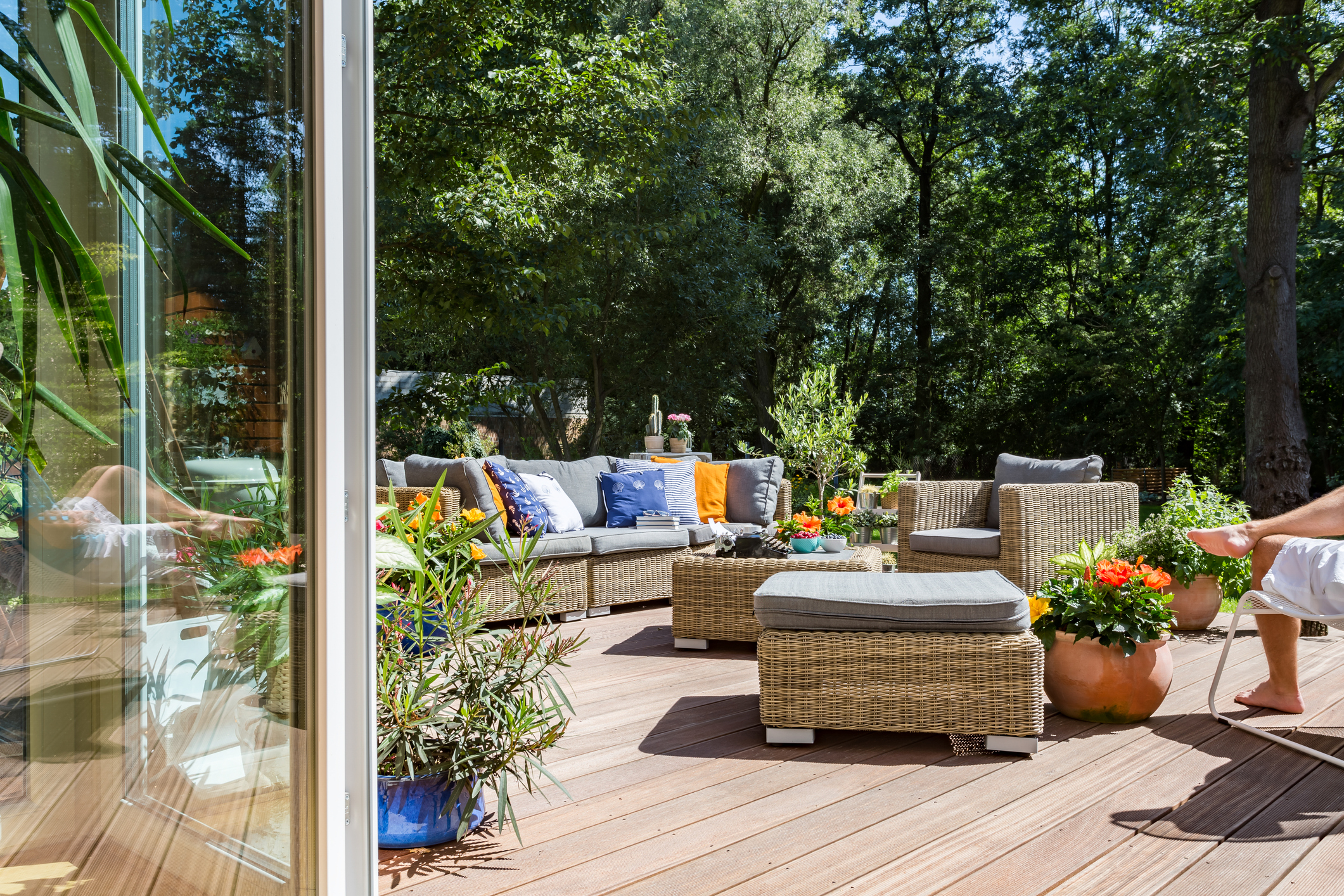
    Getting Your Outdoor Space Ready for SummerAs the days get longer and the weather gets warmer, it’s time to start thinking about getting your outdoor space ready for summer. Whether you’re planning on hosting barbecues, relaxing in the sun, or enjoying a quiet evening under the stars, having an inviting and functional outdoor space is key. There are a few key things to keep in mind to make sure your outdoor area is prepared for all the fun that summer brings. Here are some useful tips and tricks to help you transform your backyard into a summer oasis.

    Assess your space

    Before you can implement any grand design or start shopping for that perfect chaise lounge, it’s essential to take a step back and evaluate the space you have. Size, sunlight, and existing features like trees and fencing are all key factors that will influence your summer layout.

    Size Does Matter: Your space’s dimensions will determine the type and number of elements you can comfortably add. Compact spaces might require multi-functional furniture, while a larger yard can accommodate various areas for dining, lounging, and play.

    Sunlight: Take note of the patterns of sunlight in your outdoor area. This will help you decide on the best spot for an evening lounge, or where a summery breakfast nook will receive the morning rays.

    Work with What You’ve Got: If you have a beautiful tree or a natural stone wall, center your design around these existing features. They not only add aesthetic value but can also serve practical purposes like shade or natural division of space.

    Clean and declutter

    After assessing your space, the next step is to clean and declutter. Remove any debris, leaves, and clutter that may have accumulated over the winter months. Sweep off patios and walkways, clean furniture cushions, and organize any outdoor toys or equipment. A clean and clutter-free space will not only look more inviting but will also make it easier to enjoy your time outdoors without distractions.

    Getting Your Outdoor Space Ready for SummerCheck your furniture

    Before you start using your outdoor furniture regularly, take some time to inspect it for any damage or wear and tear. Tighten screws, oil hinges, replace broken pieces if necessary, and give everything a good clean. If your furniture has cushions or fabric covers, consider washing them or replacing them with new ones for a fresh look. Investing in quality outdoor furniture covers can also help protect your pieces from the elements when not in use.

    If your furniture is looking worn or outdated, consider investing in some new pieces that’s not only stylish but also durable enough to withstand the elements. Opt for furniture made of materials such as teak, cedar, or metal that are sturdy and weather-resistant. For smaller spaces, folding or stackable furniture can be a great space-saving option. Cushions and throws in outdoor fabrics will add a hint of luxury and make your space cozier. Consider daybeds, hammocks, and cozy chairs for the ultimate relaxation.

    Add some greenery

    One of the easiest ways to spruce up your outdoor space is by adding some greenery. Planting flowers, shrubs, or even small trees can instantly brighten up your yard and create a more welcoming atmosphere. Consider adding hanging baskets, potted plants, or a vertical garden for those with limited space. Don’t forget to water regularly and trim back any overgrown plants to keep everything looking neat and tidy. Not only will adding greenery enhance the aesthetic appeal of your outdoor space, but it can also help create a peaceful and relaxing atmosphere.

    Create comfortable zones

    To make the most of your outdoor space this summer, consider creating different zones for various activities. Whether you want an area for dining al fresco, lounging in the sun, or gathering around a fire pit at night, having designated spaces can help maximize functionality and comfort. Use rugs, throw pillows, outdoor lighting, and other accessories to define each zone and add personality to your outdoor living area.

    Upgrade lighting

    Don’t let the fun stop when the sun goes down! Extend the usability of your outdoor space into the evening hours by adding lighting elements such as string lights, lanterns, torches, or solar-powered fixtures. You can also install motion-sensor lights for added security and convenience.

    Getting Your Outdoor Space Ready for SummerCreate shade

    While soaking up the sun can be enjoyable, it’s important to have some shade options available in your outdoor space to protect yourself from harsh sunlight. Consider adding umbrellas, awnings, pergolas, shade sails or even trees to provide shade in different areas of your backyard. This will not only make spending time outdoors more comfortable but also help protect you from harmful UV rays.

    Stay organized

    Finally, staying organized is key to maintaining a functional and enjoyable outdoor space throughout the summer months. Invest in storage solutions like deck boxes, sheds, or cabinets to keep gardening tools, pool supplies, toys, cushions, and other items neatly stowed away when not in use. Regularly decluttering and organizing will not only make it easier to find what you need but also prevent your outdoor space from becoming overwhelmed with clutter.

    With these tips in mind, you’ll be well on your way to transforming your outdoor space into a summer oasis where you can relax, entertain guests, and enjoy all that the warm weather has to offer. If you take the first steps today, you’ll be ready to welcome summer with arms wide open.

    New construction homes by S&A Homes

    Dreaming of a new home with backyard space? S&A Homes offers a diverse selection of home designs for a variety of home buyers. Learn more about new home opportunities throughout Central and South-Central Pennsylvania, including quick move-in homes and build on your land opportunities, by calling 1-855-SAHOME1 or visiting us online at SAHomeBuilder.com.