Category: Tips

  • Prequalification vs. Preapproval: What’s the Difference?

    Prequalification vs. Preapproval: What’s the Difference?

    For first-time homebuyers or even seasoned buyers, navigating the world of mortgages can be overwhelming. One of the key steps in the homebuying process is getting prequalified or preapproved for a mortgage. While these terms may sound similar, they actually have distinct differences that can impact your home buying journey. We’ll explain the differences between prequalification vs. preapproval so you can better understand what each entails and how they can benefit you on your path to homeownership.

    What is prequalification?

    In essence, mortgage prequalification is a preliminary assessment to determine how much home you can afford. This stage typically involves providing a lender with an overview of your financial history, including income, assets, debt, and expenses. The lender uses this information to give you an estimated mortgage amount you might be able to receive.

    The process of prequalification

    Prequalification requires minimal documentation unlike the more rigorous preapproval process. It can often be done online or over the phone. It’s a quick and relatively easy way to gain insight into your potential buying power, without the lender pulling your credit report or scrutinizing your financial details.

    Is prequalification worthwhile?

    Prequalification is beneficial for setting initial expectations and guiding your home search. It provides a ballpark figure for affordability. It’s important to remember that it isn’t a guarantee or commitment from the lender. The estimated mortgage you receive is only as accurate as the information you provided. Any adjustments to your finances or the property you intend to purchase can alter this figure significantly.

    Key criteria for prequalification

    The key criteria for prequalification focus on your creditworthiness and financial health. Here are the elements that typically come into play:

    • Credit score
    • Debt-to-income ratio
    • Down payment amount
    • Employment history

    Prequalified vs. Preapproved: What's the Difference?Understanding the preapproval process

    Preapproval is the next step in the mortgage application process and is significantly more detailed than prequalification. It requires more paperwork and a thorough review of your finances by the lender.

    Benefits of preapproval

    One of the primary advantages of preapproval is that it signals to sellers that you are a committed and capable buyer. It helps set you apart in a competitive market. Since many of the necessary steps have already been completed, closing may be quicker and smoother. Preapproval also provides a more precise mortgage amount to guide your house-hunting efforts.

    Limitations of preapproval

    While preapproval is more stringent than prequalification, it is still not a guarantee of a loan. The lender may need to verify the information you provide and take a closer look at your financial situation before extending actual mortgage approval.

    Criteria for preapproval

    Preapproval criteria may include those assessed for prequalification, as well as more extensive documentation such as:

    • W-2s
    • Bank statements
    • Tax returns
    • Additional assets

    Comparing prequalification vs. preapproval

    The main difference between prequalification and preapproval lies in their level of scrutiny and reliability. Prequalification is more of an estimate based on self-reported information without verification from the lender. On the other hand, preapproval involves a more thorough review of your finances by the lender.

    Another key difference is that preapproval carries more weight in terms of making offers on homes. Sellers are more likely to consider offers from buyers who are already preapproved for a mortgage since it shows that they have gone through a rigorous screening process.

    Choosing between prequalification and preapproval

    When it comes to choosing between prequalification and preapproval, it’s important to consider your individual circumstances. Prequalification may be enough if you are just starting out in your home search and want to get an idea of what you can afford. However, if you are ready to make an offer on a home or want to stand out in a competitive market, getting preapproved may give you an edge.

    It’s also worth noting that while both prequalification and preapproval can give you an estimate of how much you can borrow, neither guarantees final approval for a mortgage. Once you have found a home and made an offer, the lender will conduct additional checks before issuing final approval for the loan. These checks may include verifying employment status, appraising the property value, and conducting further underwriting reviews.
    Prequalified vs. Preapproved: What's the Difference?Understanding the difference between prequalification vs. preapproval for a mortgage is crucial in ensuring that you are well-equipped to navigate the homebuying process successfully. While both processes involve assessing your financial situation to determine how much you can borrow, they differ in terms of depth and commitment from both parties involved. By taking the time to get either prequalified or preapproved before house hunting, you can streamline your search process and show sellers that you are serious about purchasing their property. So whether you opt for prequalification or go all-in with preapproval, knowing where you stand financially will ultimately help make your homebuying experience smoother and more efficient.

    Partner with S&A Homes on your new home

    When it comes to financing your home, there is no such thing as a one-size-fits-all solution. That is why S&A Homes is committed to making your home-buying process as simple and worry-free as possible. We partner with a variety of lenders and banks to ensure we can offer loan programs that are tailored to each purchaser’s needs. Learn more about our financing solutions.

    S&A Homes. We offer a diverse selection of home designs to accommodate a variety of home buyers throughout Central and South-Central Pennsylvania. Learn more about new home opportunities, including quick move-in homes and build on your land opportunities, by calling call 1-855-SAHOME1 or visiting us online at SAHomeBuilder.com.

  • How to Unpack After a Big Move

    How to Unpack After a Big Move

    How to Unpack After a Big MoveMoving into a new home is an exciting time, but the process of unpacking can often feel overwhelming. With boxes piled high and belongings scattered everywhere, it’s easy to feel stressed and unsure of where to start. However, with some strategic planning and organization, unpacking after a big move can be a smooth and efficient process. Here are seven tips for how to unpack after a big move that will help you settle into your new space quickly and efficiently.

    Create a plan

    Instead of randomly opening boxes and hoping for the best, create a plan for how you want to tackle the unpacking process. You can start by focusing on one room at a time or by prioritizing certain areas of your home. Consider setting up essential spaces like the kitchen, bathroom, and bedrooms first before moving on to other rooms. Having a clear plan in place will help keep you organized and on track as you work through each box.

    Start with the essentials

    Before you dive into unpacking all of your boxes, make sure to prioritize the essentials. When unpacking, focus on unpacking essential items first. These are items that you will need right away, such as toiletries, bedding, kitchen essentials, and clothes. Unpacking these items will help make your new space feel more like home and provide some comfort during the transition period.

    Unpack room by room

    Instead of trying to tackle everything at once, take it one room at a time. Start with the most frequently used rooms like the kitchen, bedroom, and bathroom before moving on to less essential spaces like the guest room or office. This approach allows you to fully complete one space before moving on to the next, preventing unfinished projects from piling up.

    Declutter as you go

    Moving is the perfect opportunity to declutter and get rid of items you no longer need or use. As you unpack each box, take the time to assess whether each item is worth keeping or if it’s time to let it go. Donate or sell items that no longer serve a purpose in your new home to make the unpacking process easier and more streamlined.

    How to Unpack After a Big MoveSet up systems for organization

    To maintain order in your new home long-term, consider setting up organizational systems as you unpack. As you unpack, think about how you want to organize each area of your home and invest in storage solutions that will help keep things tidy. Whether it’s investing in bins and baskets or creating designated spaces for specific items, having systems in place will make it easier to maintain order over time.

    Take breaks when needed

    Unpacking can be physically and mentally draining, so don’t forget to take breaks when needed. Listen to your body and mind and permit yourself to step away from the boxes for a little while if you start feeling overwhelmed. Stay hydrated, nourished, and well-rested while tackling tasks little by little instead of trying to do everything at once. Remember that Rome wasn’t built in a day! Taking breaks will help prevent burnout and allow you to come back refreshed and ready to tackle more unpacking later on.

    Don’t rush the process

    While it’s important to get settled into your new home quickly, don’t feel pressured to unpack everything in one day. Give yourself permission to take things slow and work at a pace that feels comfortable for you. By allowing yourself time to adjust gradually, you’ll reduce stress and increase the likelihood of creating an organized living space that truly reflects your personality.

    How to Unpack After a Big MoveCelebrate small victories

    Moving is no small feat, so don’t forget to celebrate small victories along the way as you unpack after your big move. Whether it’s finally finding that missing pair of socks or setting up your bed frame without any hiccups, take the time to acknowledge your accomplishments throughout the process. Celebrating these moments will help boost morale and keep motivation high as you continue settling into your new home.

    Unpacking after a big move doesn’t have to be stressful or overwhelming if approached strategically and thoughtfully. Remember that settling into a new home takes time; don’t rush yourself through the process but instead enjoy making your new space feel like home. So take a deep breath, roll up your sleeves, and start unpacking with confidence knowing that these tips will help you turn this new house into your home.

    Ready to make your move into a new home?  S&A Homes offers a diverse selection of home designs to accommodate a variety of home buyers throughout Central and South-Central Pennsylvania. Learn more about new home opportunities from S&A Homes, including quick move-in homes and build on your land opportunities, by calling call (855) SAHOME1 or visiting us online at SAHomeBuilder.com.
  • Spring Cleaning Tips for a More Organized Home

    Spring Cleaning Tips for a More Organized Home

    Spring Cleaning Tips for a More Organized HomeSpring is finally here! And with the warmer weather comes the perfect opportunity to tackle all those cleaning and organizing tasks you’ve been putting off. If you’re feeling overwhelmed, don’t worry – we’ve got you covered. From decluttering your space to creating a cleaning schedule, these spring cleaning tips will leave you with a more organized home that’s easier to maintain year-round.

    Start with a plan

    Before you dive headfirst into spring cleaning, take some time to create a plan of attack. Make a list of all the areas you want to clean and organize, and prioritize them based on importance. This will help you stay focused and avoid feeling overwhelmed. You don’t have to clean the entire house in a single weekend. You can stretch the tasks out into manageable chunks so you’re more likely to complete it and not lose steam halfway through.

    Declutter first

    Decluttering is often the first step in every list of tips for cleaning and organizing – for good reason! Decluttering creates a clean foundation to build your organization system on. Go through each room in your home and assess what items are no longer needed or used. Donate or sell anything that’s still in good condition, and dispose of anything that’s broken or beyond repair. Not only will this make your home look cleaner and more organized, but it will also free up valuable storage space for items that you actually use.

    Clean from top to bottom

    Now that you’ve removed some items in your home, it’s time to clean. A helpful tip is to start at the top and work your way down. Dust ceiling fans and light fixtures first before moving on to surfaces like countertops and tables. Finally, vacuum or sweep floors last. Cleaning from top to bottom reduces the chances of needing to reclean a surface because it got a little messy when cleaning something else.

    Spring Cleaning Tips for a More Organized HomeInvest in storage solutions

    Investing in storage solutions can make a huge difference in how your home looks and feels. Whether you need to add shelving to your closet or install new cabinets in your garage, finding the right storage solutions for your space can help keep everything tidy and organized. Look for creative storage solutions like hanging baskets, under-bed storage containers, and over-the-door organizers to maximize every inch of space. Pro tip: wait to shop for storage until after decluttering. You’ll save time and money buying only what you need and not what you think you’ll need.

    Use labels

    Labels can be an incredibly useful tool for keeping your home organized. Whether you’re labeling bins in your pantry or drawers in your office, clear labels make it easy to find what you need quickly and efficiently. Plus, if everyone in your household knows where everything belongs, it will be much easier to maintain an organized space over time.

    Take advantage of digital tools

    In today’s digital age, there are plenty of tools available to help keep you organized beyond just pen and paper lists! Utilize apps like Trello, Notion, or Evernote for tracking tasks or creating shopping lists.

    Don’t forget about outside spaces

    Spring is also an excellent time to organize outdoor spaces like patios, decks, and garages. Sweep away debris, hose down furniture and surfaces, and store winter items like shovels and snow blowers.

    Spring Cleaning Tips for a More Organized HomeCreate a cleaning schedule

    Creating a cleaning schedule can help keep your home clean and organized throughout the year. Start by making a list of all the tasks that need to be done on a daily, weekly, monthly, and seasonal basis. Then assign each task to a specific day or week on your calendar. By breaking down larger tasks into smaller ones and scheduling them out over time, you’ll be able to stay on top of your cleaning without feeling overwhelmed.

    Spring cleaning may seem overwhelming at first, but with the right tools and techniques, you can turn it into a fun and rewarding experience. Not only will a thorough cleaning make your home look and feel better, but it can also improve your overall mood and well-being. By following these tips for decluttering and organizing your home this spring, you’ll be well on your way to a more organized space that will bring joy and peace of mind all year round.

    Find your new home with S&A Homes

    S&A Homes offers a variety of new home communities and floorplans in the most sought-after locations in Central and South-Central Pennsylvania. To learn more about the available home designs and quick move-in homes, call 1-855-SAHOME1 or visit SAHomeBuilder.com.

  • How to Make House Hunting Easier

    How to Make House Hunting Easier

    How to Make House Hunting EasierHouse hunting is an exciting, yet overwhelming experience, especially if you’re a first-time homebuyer. It requires a lot of time, effort, and patience. But with the right approach and mindset, you can make the process easier and more manageable. We’ll explore some tips and tricks that will help you navigate the home buying journey with ease.

    Determine your budget

    Before you start looking for houses, it’s important to determine your budget. This will help you narrow down your search, save time in the long run, and avoid falling in love with a home out or your price range. You should consider how much you are willing to spend on a house, including mortgage payments, property taxes, insurance, and maintenance costs. You can use online calculators or get pre-approved for a mortgage. A mortgage preappoval gives you an idea of what your budget and shows sellers that you’re a serious buyer and can give you an edge over other potential buyers. Here are some other reasons to consider getting a mortgage preappoval.

    Create a wish list

    Before you start browsing through homes, take some time to determine the must-have and nice-to-have features in your new home. Consider things like location, number of bedrooms and bathrooms, square footage, yard size, and proximity to schools or public transportation. This will help you stay focused on what’s important to you and avoid getting distracted by properties that don’t meet your criteria.

    How to Make House Hunting EasierWork with a real estate agent

    A good real estate agent can make all the difference when it comes to finding your dream home. They have access to multiple listings that may not be available online and can negotiate on your behalf during the buying process. Choose an agent who has experience in the area where you want to buy and has experience working with buyers in your price range.

    Use online resources

    There are plenty of online resources that can make house hunting easier. Websites like Zillow or Realtor.com allow you to browse properties from the comfort of your own home and filter results based on your preferences. You can also use these sites to research neighborhoods, view photos of homes, and compare prices.

    Take notes and pictures

    Take detailed notes during each showing so you remember what stood out (positive or negative) about each property. Taking pictures or videos of the house can also be helpful when you reference your notes later.

    Schedule showings strategically

    Don’t waste time viewing properties that won’t work for you; schedule showings strategically by grouping houses that meet similar criteria on the same day or weekend so that you can compare them side-by-side while everything is fresh in your mind.

    How to Make House Hunting EasierBe patient

    House hunting can be a long process and it’s important to be patient. It might take several months to find your dream home. Don’t get discouraged if you don’t find the perfect property right away. Remember that this is an investment that will impact your life for many years to come, so it’s okay to take your time and make sure you’re making the right decision.

    Finding your new home doesn’t have to be intimidating or overwhelming. With these tips, you can make the process easier and more enjoyable. By following these steps, you’ll be well on your way to finding the perfect home for you and your family.

    New construction homes by S&A Homes

    S&A Homes offers a variety of new home communities and floorplans in the most sought-after locations in Central and South-Central Pennsylvania. We can also build your dream home on your land! For more details, visit www.sahomebuilder.com or call 1-855-SAHOME1.

  • How Paint Colors Affect Your Mood

    How Paint Colors Affect Your Mood

    How Paint Colors Affect Your MoodHave you ever walked into a room and felt an immediate sense of calm or excitement? This could be due to the color of the room! Believe it or not, the color of a room can greatly affect our moods and emotions. The psychology behind color is a fascinating topic and can be used to create the desired atmosphere in each room of your home. Let’s explore the fascinating relationship between paint colors and mood, and provide tips for selecting the right colors for each room in your house.

    Understanding How Colors Affect Mood

    Color psychology is the study of how colors affect human emotions and behavior. Each color has its own unique properties that can evoke specific emotions. For example, studies have shown that blue can create a sense of calmness and trust, while red can increase energy and excitement. Yellow can promote happiness and optimism, while green encourages relaxation and balance. That’s why those big consumer brands spend so much time selecting their brand colors! Understanding the psychology behind colors can help you determine what mood you want to create in each room of your home.

    Choosing the Right Colors for Each Room

    When it comes to selecting colors for each room in the house, consider the purpose of the space. You should choose colors that match the activities that occur in those spaces.

    Bedrooms: Bedrooms are for relaxation so light and soft colors such as blue, green, or lavender are ideal for creating a peaceful and tranquil environment.

    How Paint Colors Affect Your MoodKitchens/Dining: The kitchen is the heart of the home, where family and friends gather, so warm colors such as red, yellow, or orange can help to stimulate appetites, conversations and create a cheerful atmosphere. If you want some more neutral, whites, beige, or soft blues are great options.

    Living Rooms:  The living room, for example, is a space where people gather to relax and socialize. A warm and inviting color like beige, warm grays, or light blue can create a welcoming atmosphere. On the other hand, a bright color like orange or red can create a lively and energetic environment.

    Bathrooms:  Soft colors are great for bathooms. They tend to be more relaxing and can flatter your kin tone. Colors like ivory, pale pinks or peach, light blues or greens can create a spa-like atmosphere and encourage relaxation.

    Home Office/Study: Opt for colors that can inspire creativity and productivity. Yellows can help perk you up while shades of blue and green can help you focus.

    Tips for Using Color in Small Spaces

    When selecting paint colors for your home, it is also important to consider the size of the room. While a large room can handle bolder colors, smaller rooms benefit from lighter colors that can create an illusion of space. Choose light colors like pale pink, sky blue, or butter yellow, for a charming and cozy atmosphere. Soft colors can also be used to add dimension or interest to a smaller space. Consider adding some depth to your walls by combining two complementary colors in a single room.

    Experiment With Different Shades

    When selecting paint colors, it’s a wise idea to sample different shades before making a final decision. This way, you can observe how the color appears in different lighting conditions and different areas of the room. Because light affects how our eyes perceive colors, it’s necessary to look at the color under natural daylight and the artificial lighting in your space. Make a judgement based on the color’s effect on your mood before committing to your final selection.

    How Paint Colors Affect Your MoodConsider Your Current Decor

    Also consider the existing decor and furniture in each room when selecting paint colors. You want the paint color to complement and enhance the other pieces in the room, not clash with them. If you have neutral furniture, a bold wall color can add a pop of personality to the room. Alternatively, if you have a lot of patterned or colorful decor, a more neutral wall color can create a calming backdrop for the various patterns and colors.

    Understanding the psychology behind paint color can make it easier to create a canvas that’s in tune with your home’s style and the ambiance you want to achieve. Using the tips we’ve provided, you can choose the right paint color for your spaces that enhance the mood of each room and promote positive feelings.

    New Construction Homes by S&A Homes

    S&A Homes offers a variety of new home communities and floorplans in the most sought-after neighborhoods in Central and South-Central Pennsylvania. Learn more about new home opportunities, including quick move-in homes and build on your land opportunities, by calling call 1-855-SAHome1 or visiting us online at SAHomeBuilder.com.

  • Prepare Now to Buy Later

    Prepare Now to Buy Later

    Prepare Now to Buy LaterBuying a home is one of the biggest and most important decisions you’ll ever make. It signifies a new chapter in your life and is a major milestone. However, it’s not a decision that should be taken lightly. It requires a lot of preparation to make sure everything goes smoothly.

    Whether you’re a first-time homebuyer or a seasoned pro, there are several things you need to consider before starting your search. If you’re planning to buy a new home in the next year, here are some things to do to prepare to be ready to buy.

    Take stock of your finances

    Before you begin searching for your dream home, it is important to know exactly where you stand financially. This means checking your credit score, assessing your debt-to-income ratio, and reviewing your budget. Your credit score plays an important role in whether you’ll be approved for a mortgage and what interest rate you’ll be offered. The better your score, the more likely you are to get approved and receive favorable terms. Take the time to review your credit report and identify any errors or areas that need improvement.

    Save for a down payment

    A sizable down payment can help you secure a better mortgage interest rate and lower monthly payments. Start saving as early as possible to ensure you have enough money saved for a down payment. Consider setting up a separate savings account specifically for your down payment, so you’re not tempted to spend the money on other things.

    Prepare Now to Buy LaterStart researching neighborhoods

    Knowing the local real estate market is essential when buying a new home. Spend some time researching the neighborhoods you’re interested in and tracking the prices of similar homes to get a sense of what is a fair price. You can do this by browsing online real estate listings, attending open houses, and talking to local real estate agents. This will help you to understand the market trends and how they may impact your home-buying experience.

    Determine your must-haves

    While it’s important to keep an open mind when looking for your dream home, it’s equally important to determine your deal-breakers. This can help you avoid making a decision that you’ll regret later on. Consider what you need to have in a home, such as square footage, number of bedrooms, or outdoor space, and what you would like to have.

    Get pre-approved for a mortgage

    Getting pre-approved for a mortgage before you start house hunting can save you time and money in the long run. It can also make your offer more attractive to sellers as it demonstrates that you are a serious buyer. Contact your bank or a mortgage lender to get pre-approved to get a clear understanding of what you can afford. You may also want to consider getting prequalified, which is a simpler process that can give you a general idea of what you can afford.

    Build up your emergency fund

    Owning a home comes with many unexpected expenses, from repairs to sudden job loss. Building up an emergency fund can help you weather these unexpected costs without putting you in financial jeopardy. Aim to save at least three to six months’ worth of living expenses as a cushion.

    Prepare Now to Buy LaterStart house hunting

    Finally, it’s time to start house hunting. Armed with your pre-approval and knowledge of the local market, you can start touring homes and attending open houses. Don’t feel like you have to rush into making an offer. Take your time and find a home that meets your needs and is within your budget.

    Buying a new home is an exciting and significant milestone in your life, but requires preparation. By preparing ahead of your home search, you’ll be in a much stronger position for a home purchase in the next year.

    New homes for sale by S&A Homes

    S&A Homes offers a diverse selection of home designs to accommodate a variety of home buyers throughout Central and South-Central Pennsylvania. When you’re ready to buy your new home, we hope you’ll consider S&A Homes.

    Learn more about new home opportunities from S&A Homes, including quick move-in homes and build on your land opportunities, by calling call (855) SAHOME1 or visiting us online at SAHomeBuilder.com.

  • Deciding What to Keep When Moving: A Guide for Homebuyers

    Deciding What to Keep When Moving: A Guide for Homebuyers

    Deciding What to Keep When Moving: A Guide for HomebuyersMoving to a new home can be exciting, but the process of packing and deciding what to keep and what to leave behind can be overwhelming. Especially if you have years’ worth of belongings to sort through!

    Whether downsizing, expanding, or relocating to a different area, deciding what to keep when moving can feel like a puzzle. You might be tempted to pack everything and sort it out later, but this approach only creates more work and stress. To make your move as smooth and stress-free as possible, here are some tips and tricks for deciding what to keep when moving.

    Evaluate your new home’s size and layout

    One of the challenges of moving is fitting all your belongings into your new home. Before you start packing, it’s essential to consider the size and layout of your new home. Take measurements of your new home, and determine where your furniture and appliances will fit. Also, think about what items work well in your new space and what might not. This step enables you to make more informed decisions about what to keep and what to replace in your new home.

    Make a priority list

    Making a priority list will help you determine what to keep based on your needs, sentimental value, and personal preferences. Start by categorizing your belongings into essential, non-essential, and sentimental items. Essential items are those that you need for everyday living, like clothing, furniture, and kitchen appliances. Non-essential items are things like books, decor, or sports equipment. Sentimental items include things that have a significant emotional value to you, like family heirlooms or photographs.

    Deciding What to Keep When Moving: A Guide for HomebuyersConsider sentimental value

    Sentimental value can make it difficult to decide what to keep when moving. Items such as family heirlooms, old photographs, and childhood toys can hold a lot of emotional significance. However, it’s important to be realistic about what you can and can’t keep. Take photos of sentimental items or gift them to family and friends who would love to have them. This will help you preserve the memories while also reducing the amount of items you’ll need to pack.

    Get rid of duplicates and unused items

    Moving is an excellent opportunity to get rid of items you no longer use or need. If you have duplicates of the same item, such as a toaster, blender, or vacuum cleaner, decide which one to keep. If you haven’t used an item in over a year, it’s time to let it go. Donate gently used items to charity or sell them online using websites such as eBay, Facebook Marketplace, or Craigslist. If you have items that are beyond repair or no longer useful, dispose of them responsibly.

    Consider external storage

    If you’re struggling to decide what to keep, consider renting a storage unit. This will give you extra time to decide what to do with your belongings. It’s also a good option if you have sentimental items that you don’t want to get rid of, but don’t have space for in your new home.

    Deciding What to Keep When Moving: A Guide for HomebuyersAsk for help

    Don’t be afraid to ask for help. Moving can be overwhelming, but it doesn’t have to be. Ask a friend or family member to help you make the difficult decisions.

    Moving can be a stressful process, but it doesn’t have to be. By following these steps, you can make the transition to your new home easier and start your new life in your new home with peace of mind.

    Move into a new S&A home

    Ready to make your own move? S&A Homes offers a diverse selection of home designs to accommodate a variety of home buyers throughout Central and South-Central Pennsylvania. Learn more about our new homes, including quick move-in homes and build on your land opportunities, by calling (855) SAHOME1 or visiting us online at SAHomeBuilder.com.
  • Holiday Decorating When Your Home is for Sale

    Holiday Decorating When Your Home is for Sale

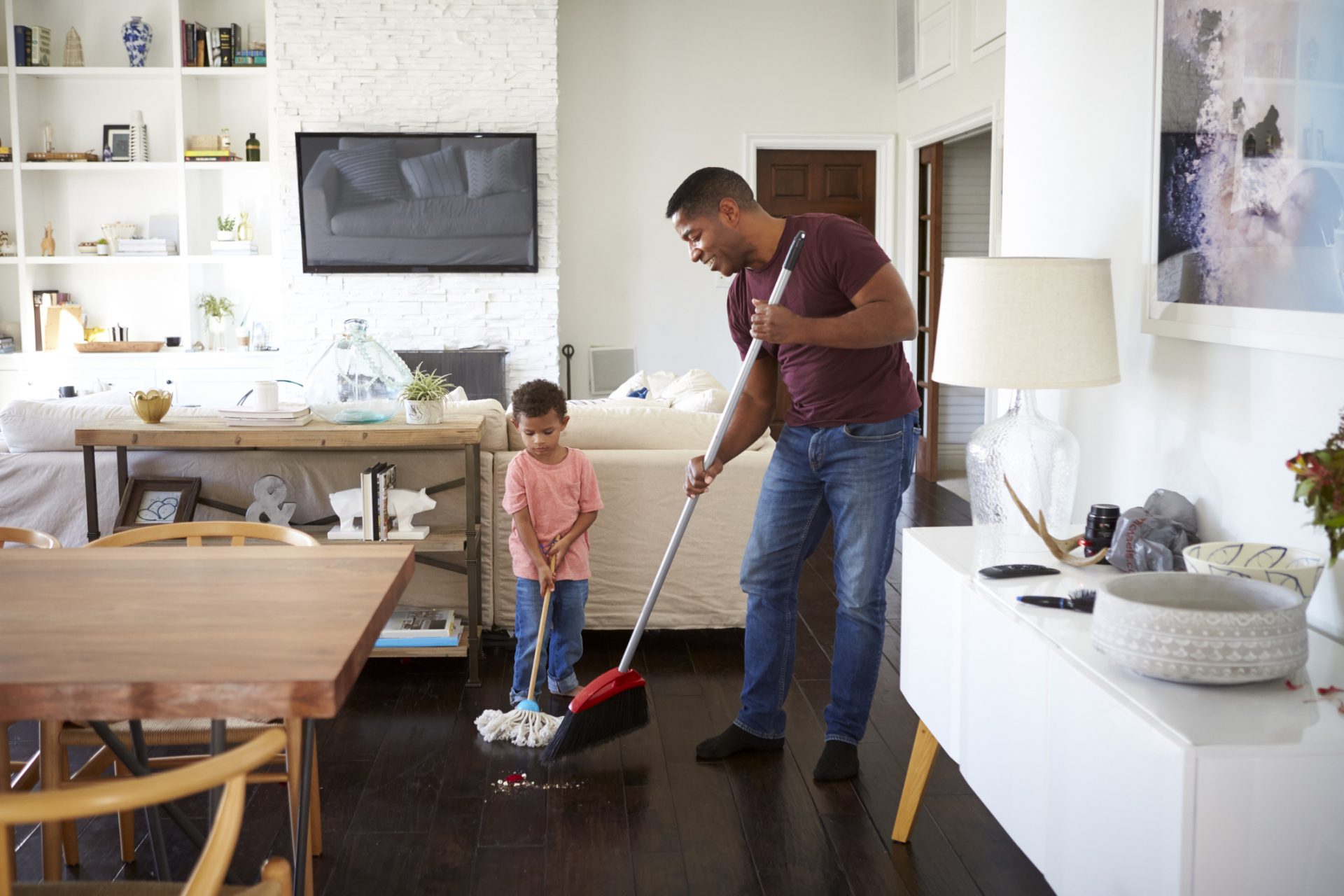
    Holiday Decorating When Your Home’s for SaleThe holiday season is upon us once again, and many homeowners are already busy preparing their homes for the festivities. However, if you’re currently in the process of selling your home, decorating for the holidays can be a bit of a challenge. You don’t want to scare away potential buyers with over-the-top holiday decor, but you also want to create a warm and inviting atmosphere. In fact, with the right ideas and steps, you can create a warm and inviting atmosphere that will impress potential buyers. Here are some of the best tips and tricks for decorating your home for the holidays while it’s on the market.

    Be mindful of the space you have

    The first thing you need to consider is the space available in your home. Adding decorations to a room that’s filled with a lot of furniture might make the space look even smaller. Be mindful of the amount and size of decorations you put up and consider removing some items to avoid overcrowding your home.

    Keep it simple

    When it comes to holiday home staging, less is more. Avoid the temptation to go overboard with decorations so you don’t put off potential buyers. Keep your decorations simple and minimal; stick to classic and timeless décor that will appeal to everyone. Minimal holiday decorations will allow potential buyers to visualize the space as their own and not be overwhelmed by your personal touch.

    Holiday Decorating When Your Home’s for SaleRemove clutter

    Holiday decorating often involves a lot of stuff, but when you are trying to sell your home, the last thing you want is clutter. You want your home to look spacious and clutter-free to prospective buyers. Instead, be strategic with your holiday décor. Only use a few select pieces to create a warm and inviting atmosphere without overcrowding your space with excess decorations. You want potential buyers to focus on the beauty of your home, not the excess clutter.

    Stick to a neutral theme

    While you may celebrate the holidays with religious decorations, it’s best to avoid them when your home is for sale. It’s important to remember that not everyone celebrates the same holidays. Opt for non-denominational decorations that will complement your home’s style and appeal to a wider range of buyers.

    Highlight your home’s best features

    Use your decorations to highlight your home’s best features. If you have an amazing fireplace, highlight it with some simple decorations instead of overwhelming it. Or, if your home has an impressive front door, use a wreath or garland to accentuate it. Focus on highlighting your home’s features rather than drawing attention away from them.

    Don’t forget curb appeal

    Don’t forget about the exterior of your home. Create a warm welcome for potential buyers with festive lights, a wreath or garland, and winter-friendly planters. A little bit of effort can go a long way when it comes to the outside of your home.

    Put away gifts

    There’s nothing like seeing a pile of wrapped presents under the tree. But if you’re selling your home during the holidays, it’s best to keep those to a minimum. You don’t want to risk a gift going missing during showings. If you want to display gifts, consider wrapping a few empty boxes and keeping your real gifts stored safely away.

    Holiday Decorating When Your Home’s for SaleDecorating your home for the holidays while it’s on the market can be a challenge, but it’s not impossible. These tips will help you create a warm and inviting atmosphere that will impress potential buyers without overwhelming them.

    Home for the holidays with S&A Homes

    Ready to start making memories in a new home? S&A Homes offers a diverse selection of home designs to accommodate a variety of home buyers throughout Central and South-Central Pennsylvania. Learn more about new home opportunities from S&A Homes, including quick move-in homes and build on your land opportunities, by calling (855) SAHOME1 or visiting us online at SAHomeBuilder.com.
  • The Benefits of Rearranging Your Furniture

    The Benefits of Rearranging Your Furniture

    The Benefits of Rearranging Your FurnitureHave you ever found yourself getting bored with your room’s layout? Maybe you’re looking for ways to revamp your living space without breaking the bank. Or maybe you’re just in the mood to switch things up a bit. Whatever your reason may be, rearranging your room can be a powerful tool to refresh your living space.

    In fact, research has found that rearranging furniture can have positive effects on our mental and emotional well-being. Here are seven reasons why rearranging your room can be mentally and physically beneficial.

    Boost your creativity

    If you’ve ever hit a creative block, rearranging your room can be the perfect remedy. When you rearrange furniture and décor, you see things from a different perspective. This change in perspective helps stimulate new ideas, bring about a change in energy, and boost creativity.

    Increase productivity

    A well-organized living space can help increase productivity. Understanding where everything is and how to navigate your living space efficiently can make it easier to get things done. When you move things around, you learn new ways to organize your space which can ultimately make you more productive.

    Enhance your mood

    The state of your physical space can have a direct impact on your mood. Rearranging your room can provide an instant mood boost, allowing you to feel refreshed and reinvigorated. It’s essential to create a space that helps you feel comfortable, especially with all the extra time we are spending at home.

    The Benefits of Rearranging Your FurnitureImprove quality of sleep

    The quality of sleep we experience is essential for our overall physical and mental health. Your bed placement, for instance, could have an impact on how well you sleep. Consider moving your bed to different areas of the room for an improved sleep experience. Making changes to your surroundings can create a more relaxing environment and improve your sleep habits.

    Encourage positive change

    Changing your living space can help encourage positive change in other areas of your life. If you want to develop better habits or create new ones, rearranging your space can inspire you to begin making those changes.

    Save money

    Rearranging your room doesn’t need to involve extensive home renovation or buying new furniture. With just a little bit of creativity, you can create a new look by rearranging your existing furniture or decor. Instead of buying new items, you can work with what you have to create a new and interesting living space.

    The Benefits of Rearranging Your FurnitureImprove social interactions

    Did you know rearranging your living space can improve social interaction? Hosting friends and family in a different space can create a new atmosphere and dynamic. It can also help explore social circles with new seating arrangements or activity spaces.

    Rearranging your room can make you feel refreshed and renew your outlook on daily living. By making small changes, you can have a significant impact on your mood, style, and overall home decor. Take some time to assess your current living space, examine how best to improve its functionality, and have fun creating your own unique layout.

    New homes by S&A Homes

    Rearranging your room is a great way to update your home to better fit your needs. However, if you simply need a new home, give us a call. S&A Homes is proud to build affordable new home communities throughout Central and South-Central Pennsylvania. Visit us at SAHomebuilder.com or call 1-855-SAHome1 to learn about our available homes and our Build on Your Own Land program.

  • Saving for a House During the Holidays

    Saving for a House During the Holidays

    We'll share some tips that can help you save money during the holiday season and stay on track toward your home-buying goals.It’s the most wonderful (and expensive) time of the year— the holiday season. This season is often associated with spending money, from buying gifts to traveling to see loved ones. However, if you’re currently saving up for a new house, it can be challenging to balance your holiday expenses with your financial goals.

    Thankfully, with a bit of planning and discipline, it’s possible to enjoy the holidays while still saving for your dream home. We’ll share some tips that can help you save money during the holiday season and stay on track toward your home-buying goals.

    Discuss your plans with others

    Let your family and friends in on your plan for saving for a house during the holidays. Explain that going all-out this holiday season might not be feasible because you’re prioritizing your home-buying goals. Instead, suggest different ways to celebrate that won’t break the bank. Your loved ones will understand and support your decision. Be prepared to give them a gentle reminder of your goals if they stray from your plans.

    Create a realistic budget

    The first step in saving money during the holidays is to set a budget for your holiday spending. List all the things you need to purchase, e.g. gifts, decorations, and food. Then assign a specific dollar amount to each category. Be realistic about what you can afford and avoid overspending. This is one of the most effective ways to keep track of your spending and avoid making unnecessary purchases.

    Earn extra cash

    Consider taking on a part-time job or freelance work during the holiday season. Many employers offer seasonal work during this time, and it’s an excellent opportunity to earn extra cash. Alternatively, you can sell items you no longer need, such as clothing, electronics, or furniture, and use the proceeds to save for your new home.

    We'll share some tips that can help you save money during the holiday season and stay on track toward your home-buying goals.Maximize your savings

    The holiday season is a great time to find deals and discounts on gifts and decorations. Take the time to research prices and compare them across different retailers. Look for sales, coupons, and promo codes that can help you save money. Shopping online can also be a great way to find deals and avoid the crowds at the mall. You can also use a cashback app or credit card that offers rewards for purchases to save extra cash.

    Downsize your holiday celebration

    The holiday season is filled with parties and gatherings. They can be expensive whether you’re hosting or attending as a guest. If you’re usually a host, consider hosting a smaller, more intimate gathering with your closest friends and family. If your social calendar fills up, consider limiting the number of parties you attend. This way, you can enjoy the holiday spirit without breaking the bank.

    Choose inexpensive gift options

    Another way to save money is to choose less expensive gift options. Homemade gifts, sentimental items, or even a thoughtful card can make the perfect gift. You can also consider doing a Secret Santa or drawing names to buy gifts for one person instead of everyone in a group.

    We'll share some tips that can help you save money during the holiday season and stay on track toward your home-buying goals.Stay motivated

    Saving money during the holiday season may seem daunting, but remember that every little bit counts. It’s still important to set aside funds for your down payment, closing costs, and other home-buying expenses. Set aside a certain amount of money each week or month for your down payment, and avoid using that money for anything else. If you’re struggling to save money, consider making adjustments to your budget or finding ways to increase your income. The holiday season is only temporary but your dream of homeownership is a long-term goal.

    Saving for a house during the holiday season doesn’t have to be daunting or discouraging. By following these tips, you can still enjoy the season while also staying on track for achieving your financial goals. Remember, every little bit of savings counts, and staying disciplined can pay off big in the end when you’re ready to purchase your dream home.

    New homes by S&A Homes

    Whether you’re looking to buy new this year or in the future, we hope S&A Homes becomes your builder of choice. We have a long history of building quality new construction homes in communities located in desirable neighborhoods throughout Central and South-Central Pennsylvania. Call 1-855-SAHOME1 or visit SAHomeBuilder.com to learn more about our new home communities, quick move-in homes, and build on your lot opportunities.