Category: Tips

  • Tips for Creating Meaningful Holiday Traditions with Your Family

    Tips for Creating Meaningful Holiday Traditions with Your Family

    Tips for Creating Meaningful Holiday Traditions with Your FamilyThe holidays are all about traditions; from the classic movie marathons to Grandma’s famous apple pie recipe. While keeping these timeless traditions alive is important, sometimes you need to make new family traditions that fit with the times and personalities of your individual family. Starting a new tradition can be challenging, but with a little creativity and effort, you can create something truly special and memorable. In this blog, we’ll explore some tips and ideas for creating new holiday family traditions that can bring everyone together and enrich your family’s holiday experience.

    Identify what matters to you and your family.

    The first step in creating new traditions is to reflect on what matters most to you and your family. What values do you want to instill in your children? What activities or events bring you joy and a sense of belonging? What kind of atmosphere do you want to cultivate in your home? Once you have a clear idea of your priorities, you can brainstorm ideas for traditions that align with them. For example, if family time is important to you, you could have a weekly game night or movie night. If you value community involvement, you could organize a neighborhood potluck or volunteer at a local charity together. Or if you love cooking and trying new foods, perhaps you could start a new tradition of having a family potluck or trying a new holiday recipe each year.

    Find inspiration

    While it’s easy to feel overwhelmed when thinking about creating new traditions, it’s important to remember that it’s okay to borrow ideas from others. You can find inspiration anywhere from Pinterest to friends or family members who already have established traditions. Some ideas can include a family game night, a cookie-baking competition, a craft day, or even a read-aloud session. Consider trying new activities and hobbies that everyone in your family can participate in during the holiday season.

    Get everyone involved

    Starting a new tradition is much more fun and successful when you involve your family and friends. Ask them for input on what they’d like to do or what they think would be a fun new tradition to add. Maybe they have a hobby or activity that they’re passionate about that could become a new tradition. Or maybe they have a cherished memory from their childhood that could inspire a new tradition. Whatever it is, involving others in the process will create a sense of shared ownership and excitement.

    Start small and build gradually

    When it comes to new traditions, less is often more. It’s better to start with one or two new traditions and build on them over time than to overwhelm yourself and your family with too many new activities. Starting small also gives you the chance to fine-tune and adjust the new tradition as needed, ensuring that it feels right to everyone involved. As you get more comfortable, you can add new activities or events to your calendar.

    Tips for Creating Meaningful Holiday Traditions with Your FamilyIncorporate your home and surroundings

    As a homeowner, you have the advantage of being able to use your home and surroundings as a canvas for your traditions. You could set up a special corner or room in your house for a particular activity or decoration, such as a Christmas tree or a wall of family photos. You could also incorporate your outdoor space, such as a garden or patio, into your traditions. By making your home a part of your traditions, you can create a sense of continuity and belonging that extends beyond the event itself.

    Keep it flexible

    As much as we might like to plan and control everything about our traditions, it’s important to keep them flexible and adaptable. Life happens, schedules change, and unexpected events occur. If you’re too rigid about your new tradition, it might become a source of stress rather than joy. Instead, approach your new tradition with a sense of flexibility and openness. If the weather doesn’t cooperate or someone gets sick, be willing to adjust the plan or postpone the activity. The point of traditions is to create meaningful moments, not to follow a set of rules.  You may discover that some traditions become beloved parts of your family’s life, while others fizzle out or need tweaking. Don’t be discouraged by failure or change. Instead, view it as a learning experience and an opportunity to refine your traditions to better suit your family’s needs.

    Mix old and new elements

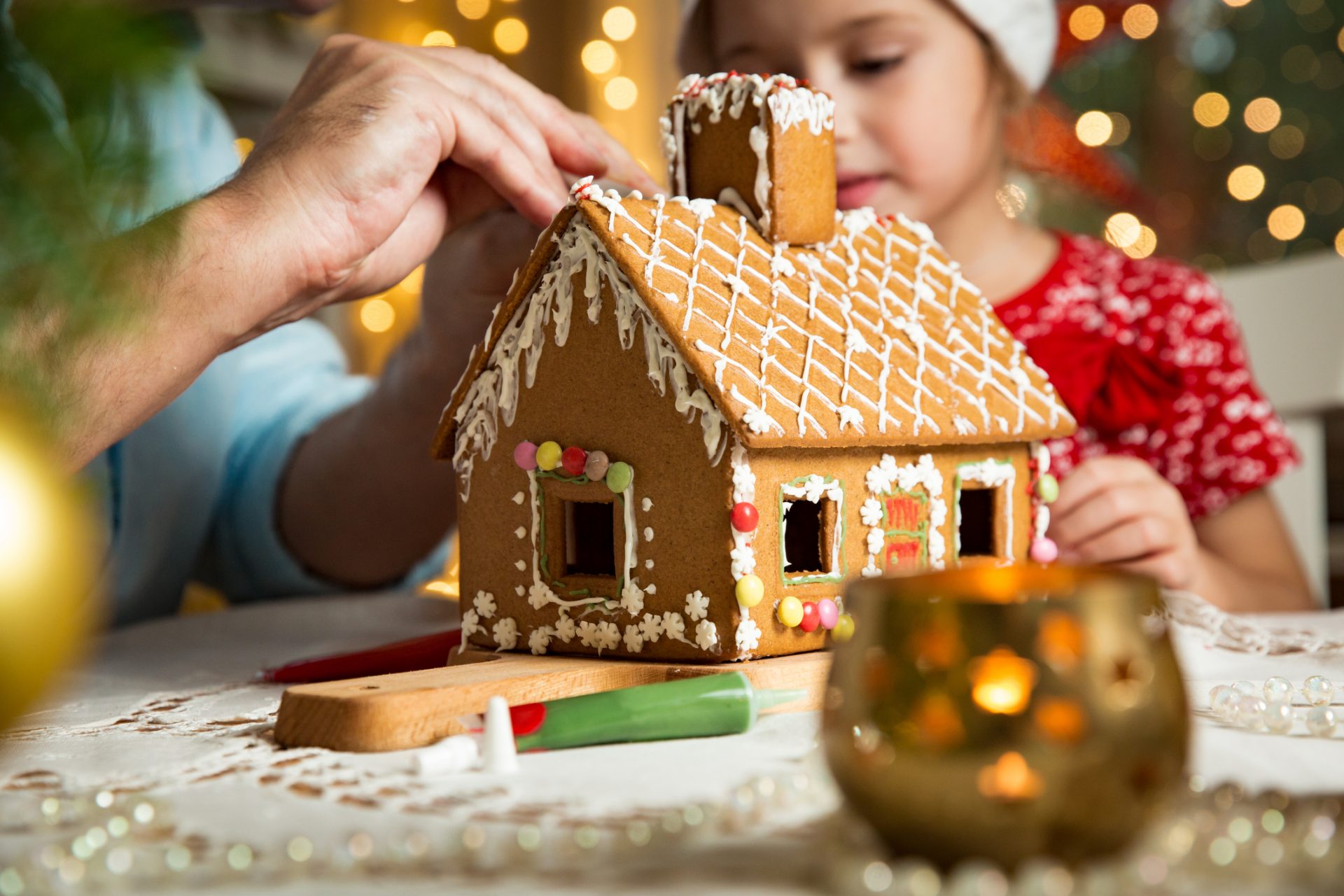
    Just because you’re starting new traditions doesn’t mean you have to abandon all of your old ones. In fact, you could incorporate elements of your old traditions into your new ones, either by adapting them to fit the current context or by combining them with new elements. For example, if your family has a long-standing tradition of baking cookies during the holidays, you could add a twist by making them into a cookie-decorating party with friends or by incorporating a new cookie recipe every year. By blending old and new elements, you can honor your family’s past while embracing the present and future.

    Tips for Creating Meaningful Holiday Traditions with Your FamilyEmbrace the imperfections

    Perfection isn’t the goal when it comes to traditions. In fact, imperfections can often make a tradition more memorable and special. Perhaps your first attempt at a new tradition doesn’t go exactly as planned, but it becomes a funny story that you retell every year. Or maybe you start a new tradition that turns out to be less popular than you thought, but it becomes a reminder to stay open to new ideas and experiences. Embrace the imperfections and use them as opportunities to learn and grow. The most important thing is that you’re spending time together as a family and creating memories that will last a lifetime.

    The holidays are a time for celebrating with family and creating new memories that last a lifetime. Creating new traditions is a great way to bring everyone closer together and make the season feel extra special. Let the spirit of the season guide you toward creating new and meaningful traditions that bring joy and happiness to your family.

    Build new traditions in an S&A home

    S&A Homes is a proud builder of new construction homes and communities throughout Central and South-Central Pennsylvania. We invite you to learn more about our new home opportunities, whether building on your lot or buying a home in one of our new home communities. Call S&A Homes at 1-855-SAHome1 or contact us online to learn more about our available inventory and communities.

  • Must Have Home Features for Entertaining

    Must Have Home Features for Entertaining

    Must Have Home Features for EntertainingFor many homeowners, entertaining guests is a regular part of their social life. From family and friends to colleagues and neighbors, there’s always someone to host and entertain. If you’re buying a home and plan on entertaining regularly, there are certain features you should consider. Not only can they make your home more functional, but they can also enhance the overall entertaining experience for you and your guests. Here are some must-have home features for entertaining that you should keep in mind when house hunting.

    Welcoming entry or foyer

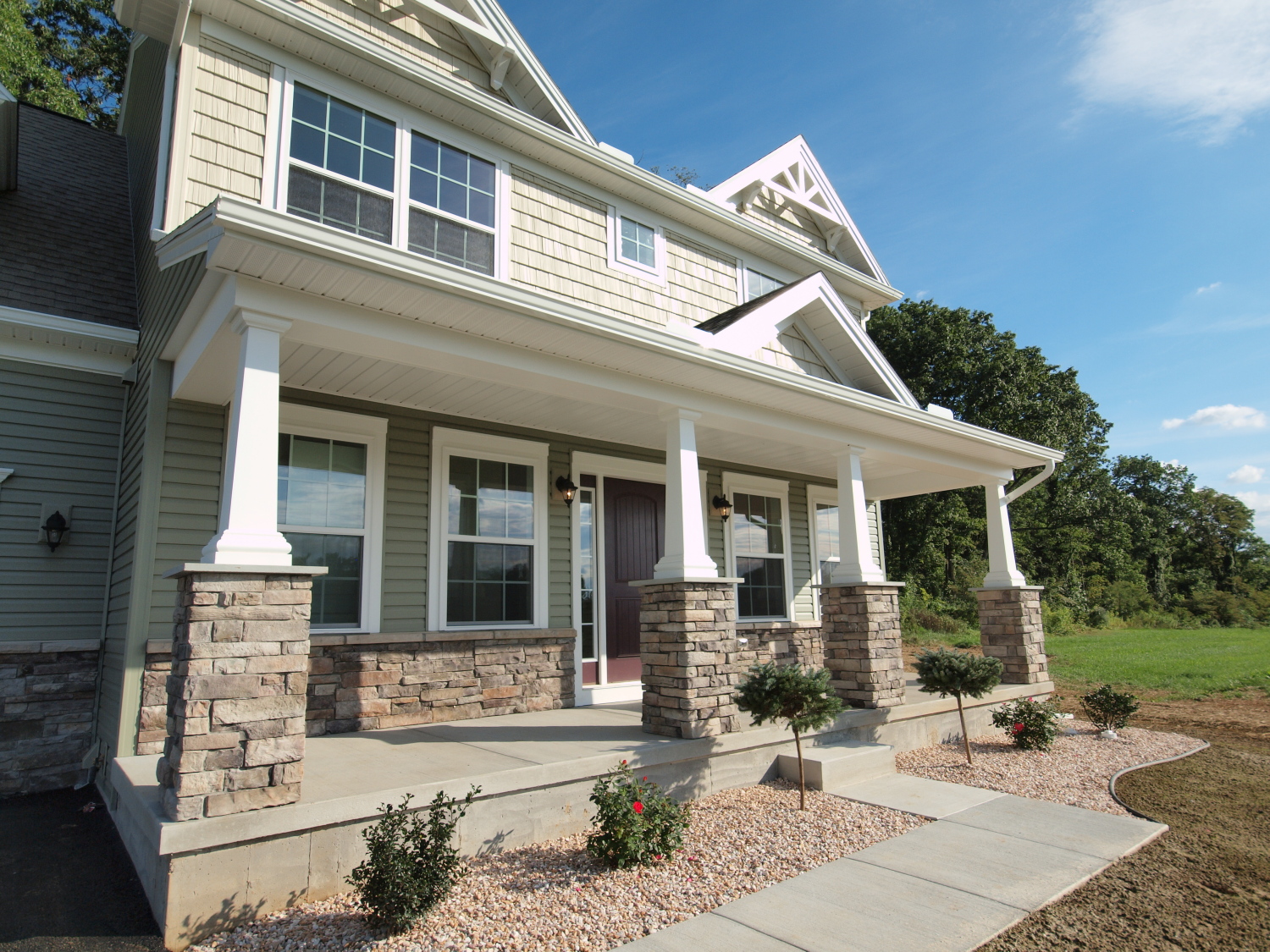
    Avoid a front door traffic jam by providing a spacious entryway for your arriving guests. Give them room to comfortably remove their coats, exchange greetings, and make themselves at home. To make things even better, find an entryway with enough space to move around and well-lit for a warm and inviting atmosphere. And don’t forget about the exterior! Look for a canopy or covering to shelter your visitors from any unexpected rain or snow.

    Coat closet

    Having a coat closet near the main entrance is a lifesaver for stowing away your guests’ coats and bags. Not only does it keep these items out of sight, but it also adds a touch of organization to your space. If the entryway is on the larger side, consider stylish wall hooks or a trendy coat tree.

    Open floor plan

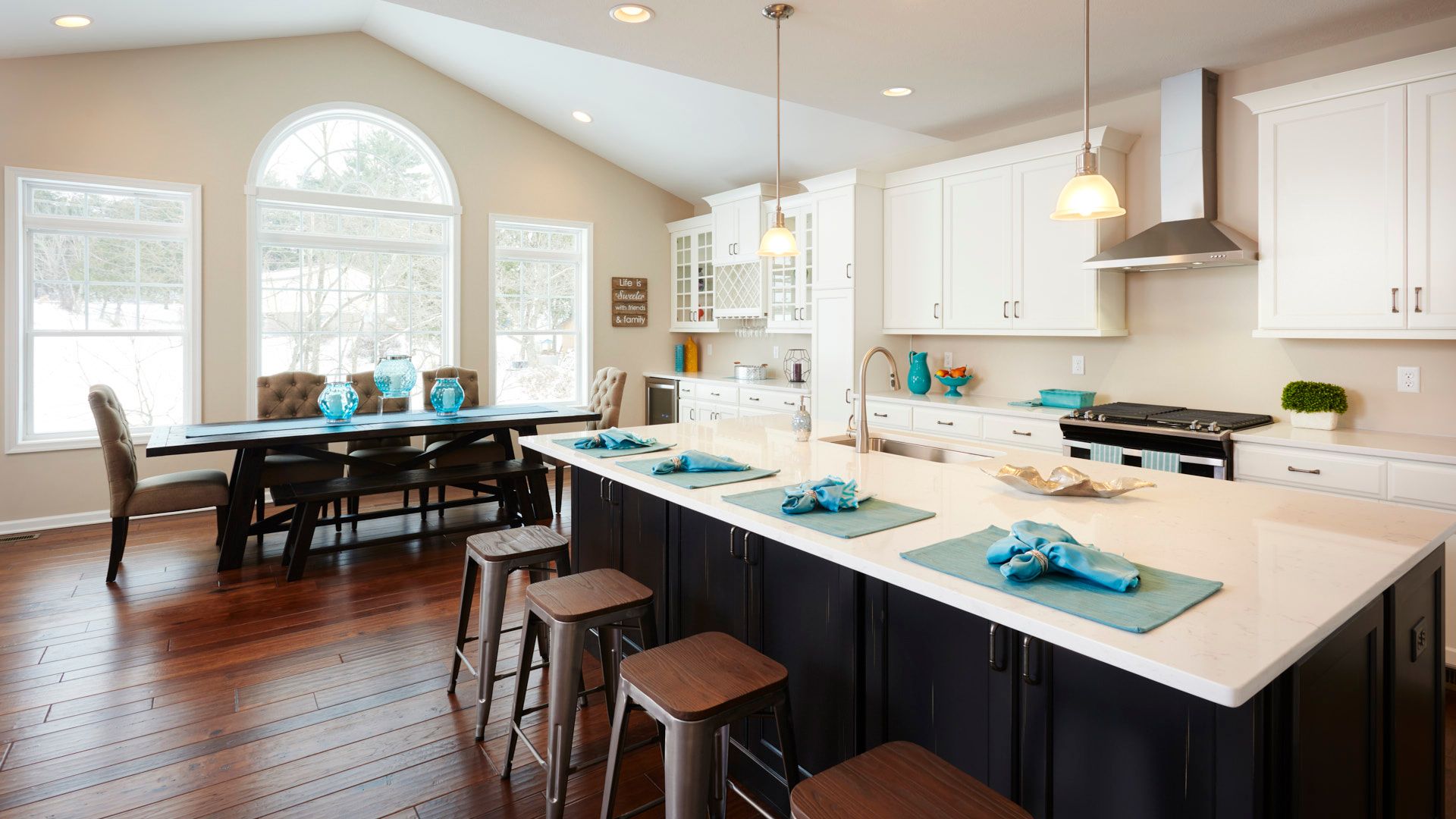
    An open floor plan is an essential feature of any home meant for entertaining. This type of layout allows guests to easily flow from one room to another without feeling cramped or confined. An open floor plan also creates a more social and inviting atmosphere, making your guests feel welcome and relaxed. Look for a home with a spacious living and dining area that can accommodate your guests comfortably. An open-plan living room will allow your guests to sit, relax, and chat while you’re preparing meals or drinks.

    Must Have Home Features for EntertainingOutdoor living spaces

    If you plan on entertaining during the warmer months, outdoor space is a must-have feature. Bonus points: an outdoor entertainment area can also increase the value of your home. Look for a home that has an outdoor entertainment space that can easily accommodate your guests. It can be a patio, deck, or backyard where guests can mingle and enjoy the outdoors. Make sure the space is easily accessible from the indoor entertaining area to encourage guests to spend time outside.

    Guest rooms

    If you’re going to entertain regularly, having a guest room can be a great addition. This will allow your guests to stay over without having to travel home late at night. Look for a home that has a guest room or additional space that can be used as a guest room. Having a comfortable place for your guests to sleep will make them feel more welcome and encourage them to come back.

    Storage space

    Hosting a party requires a lot of equipment, from serving platters and utensils to extra seating and decor. Having ample storage space is essential to keep your home organized and clutter-free. When viewing potential homes, make sure there are enough cabinets, closets, and storage areas to accommodate all of your entertaining needs.

    First-floor bathroom

    Depending on the size of your home, a bathroom or powder room on the first-floor is another essential feature. A main floor bathroom makes it easy for guests to find and use and keeps them from wandering around upstairs. Keep the bathroom stocked with essentials like toilet paper, paper towels, and a soap dispenser for their convenience.

    Must Have Home Features for EntertainingSmart home automation

    Home automation allows you to control the environment of your home, including lighting, heating, entertainment, and security, from your smartphone or tablet. This feature can make it easier to prepare for guests, adjust the lighting to create the right ambiance and control the entertainment. It can be a valuable asset when entertaining, allowing you to focus on your guests and not the logistics of running your home.

    Buying a home with entertaining in mind requires careful consideration of several key features. Whether you’re hosting a small gathering or a big celebration, these must-have features above can make all the difference.

    New construction homes by S&A Homes

    Are you looking for a larger home so you can host the next family get together? S&A Homes offers a diverse selection of home designs with many of the must-have entertaining features like open floorplans. Learn more about new home opportunities throughout Central and South-Central Pennsylvania, including quick move-in homes and build on your land opportunities, by calling 1-855-SAHOME1 or visiting us online at SAHomeBuilder.com.

  • The Pet Parent’s Guide to Buying a Home

    The Pet Parent’s Guide to Buying a Home

    The Pet Parent's Guide to Buying a HomeBuying a home is a big decision, and for pet parents, it can come with additional challenges. While searching for the perfect home, you want to make sure that it not only checks all the boxes for you but that it also accommodates your furry friends’ needs. As a pet owner, you also need to consider their safety, convenience, and comfiness. To help you find the perfect home for both you and your pet, here’s a pet parent’s guide to buying a home that covers the four things you should consider before making a purchase.

    Outdoor space

    If you have a dog, a secure outdoor space and a fenced yard are vital features when choosing a new home. Pets need an area to play, run, and exercise without any restrictions. If the home doesn’t have a fenced-in yard, check if it’s possible to build one. Fencing the full perimeter of the yard will ensure that your pet is contained within the set boundaries and away from hazardous environments and busy roads.

    Flooring

    When considering a new home, take a close look at the flooring. Flooring can have a considerable impact on your pet’s mobility and health, as well as your cleaning efforts. Some flooring options, such as hardwood or tile, can scratch easily when pets run around or nails get too long. If you do choose hardwood or tile, be sure to have appropriate nail trimming and take other preventative measures to preserve the flooring. Carpet, on the other hand, can be great for cushioning your pet’s paws and is less prone to scratches. These flooring options will not only stand up to wear and tear but also help to keep your home cleaner and free from animal-related odors.

    The Pet Parent's Guide to Buying a HomeNeighborhood

    When looking for a new home, the location and neighborhood are as important to your pet as they are to you. The proximity of parks, trails, and green spaces can provide an ideal place for dogs to run and play. A pet-friendly neighborhood is also essential in ensuring your pet’s safety. Check to see if your potential new neighborhood has a high traffic volume, leash laws, and policies regarding pets, as they will impact your dog’s or cat’s lifestyle immensely.

    Home layout and living spaces

    Living spaces are essential when purchasing a new home, not just for humans, but also for pets. Pet parents should consider their furry friends’ size, age, and needs when deciding on a living space in a new home. Consider a home layout that offers a balance of open space and private areas for your furry friends. Are there spaces where your pets can retreat to when they want some alone time? Are there stairs that your pets might have difficulty navigating? Is there enough space to store your pets’ food, toys, and other items? Choose a new home that balances the needs of your pet with practicality and convenience for yourself.

    The Pet Parent's Guide to Buying a HomeBuying a home with pets can be a daunting task, but by considering these four factors, you’ll be able to find a pet-friendly home that suits both your needs and the needs of your furry friends. With careful consideration and research, you’ll find the perfect home for you and your pets to enjoy together.

    Still looking for a new home? Try S&A Homes

    Ready for a new home that’s perfect for you and your furry family members? S&A Homes offers a variety of new home communities and floorplans in the most sought-after locations in Central and South-Central Pennsylvania. We can also build your dream home on your own land! For more details, visit www.sahomebuilder.com or call 1-855-SAHOME1.

  • Essential Tips for Creating the Perfect Teen Bedroom

    Essential Tips for Creating the Perfect Teen Bedroom

    Essential Tips for Creating the Perfect Teen BedroomIf you have a teenager, then you know how important their bedroom is to them. It is a space where they can relax, hang out with friends, do homework, and express their personality. But creating the perfect teen bedroom is no easy task. You need to find the right balance between function and style while making sure your teen is happy with the end result. Not sure where to start? Here are some useful tips for creating a comfortable and stylish teen bedroom your teen will love.

    Get your teen involved

    The first and most important tip is to involve your teenager in the process. Let them be an active participant in the design process so they feel more invested in their room. Discuss their favorite colors, themes, and styles. Ask what they like and dislike and build the design around their answers.

    Make sure it’s functional

    Your teen’s bedroom serves many purposes so it needs to be both functional and stylish. Create zones or areas where they can study, relax, enjoy hobbies, and hang out with friends. Position furniture in layout that supports the main activities they’ll do there: invest in a comfortable bed and quality desk, and set up some small chairs for conversation or reading – whatever they enjoy doing most.

    Focus on storage and organization

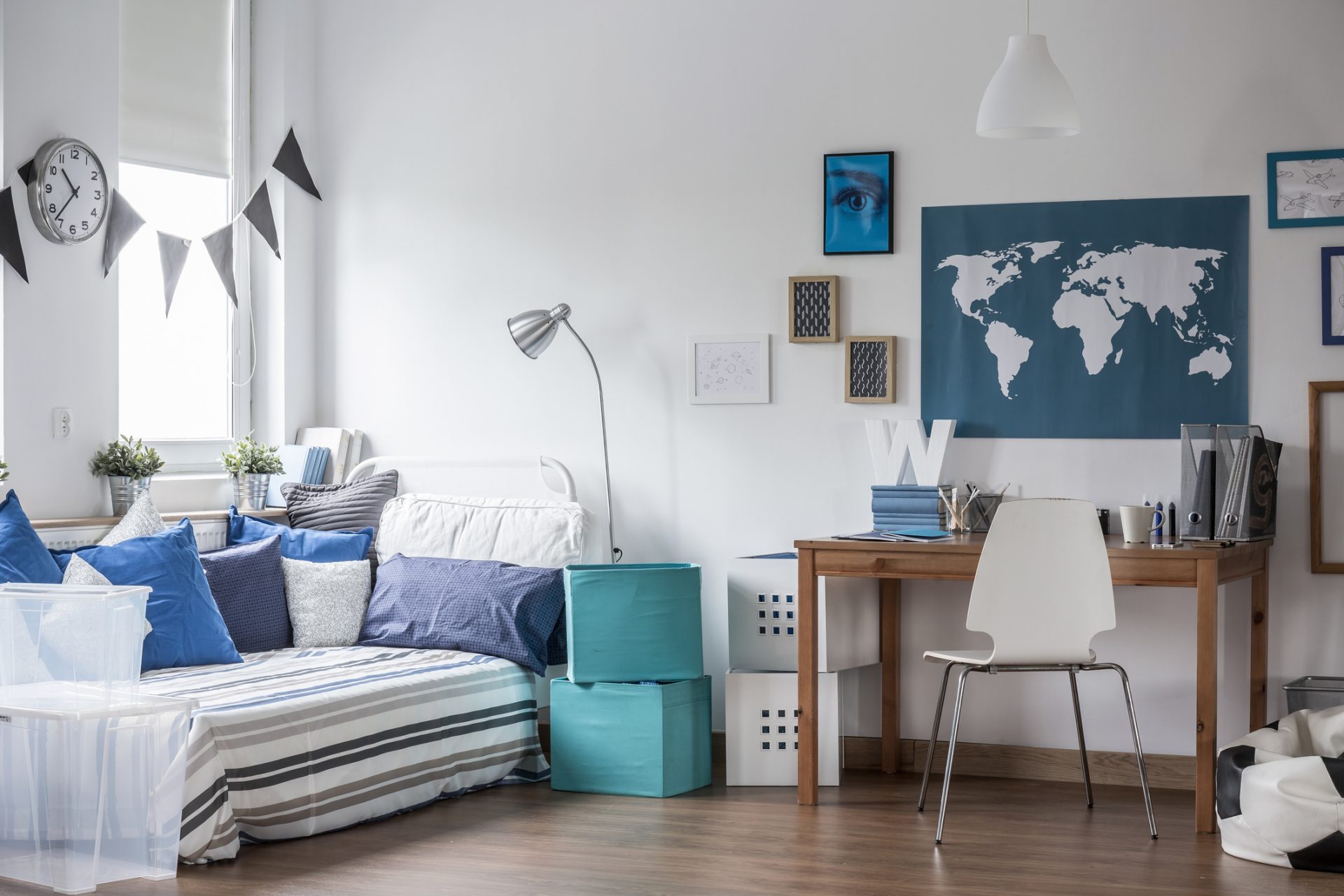
    Horizontal view of designed teenage boy room


    A messy, cluttered bedroom can cause stress and anxiety. It’s important to focus on storage and organization during the design phase. Make sure the room has plenty of storage options like shelves, racks, and drawers to keep everything organized and tidy. A well-organized bedroom can also help your teenager keep track of their belongings, making their life (and yours) easier.

    Choose the right colors

    When it comes to color, let your teen have some input. After all, they are the ones who will be spending the most time in the room. It’s important to create a color palette that is pleasing to your teen, while also being easy on the eyes. Pastels, neutrals, and bright colors all work well in a teenage bedroom. It’s okay to place limits on the range of colors they can choose from; that way you’re not stuck painting the room an unpleasing color. If you do override their preferred color choice, offer alternative ways to work that color into their room in other ways, like accessories or bed linens.

    Add some personal touches

    Your teen’s bedroom should be a reflection of their personality and style. Let your teen express their creativity by decorating the bedroom walls with their favorite posters, photos, and artwork. You can also incorporate trendy decor elements like rugs, and throw pillows, and quirky and unique decor items like neon signs or funky light fixtures.

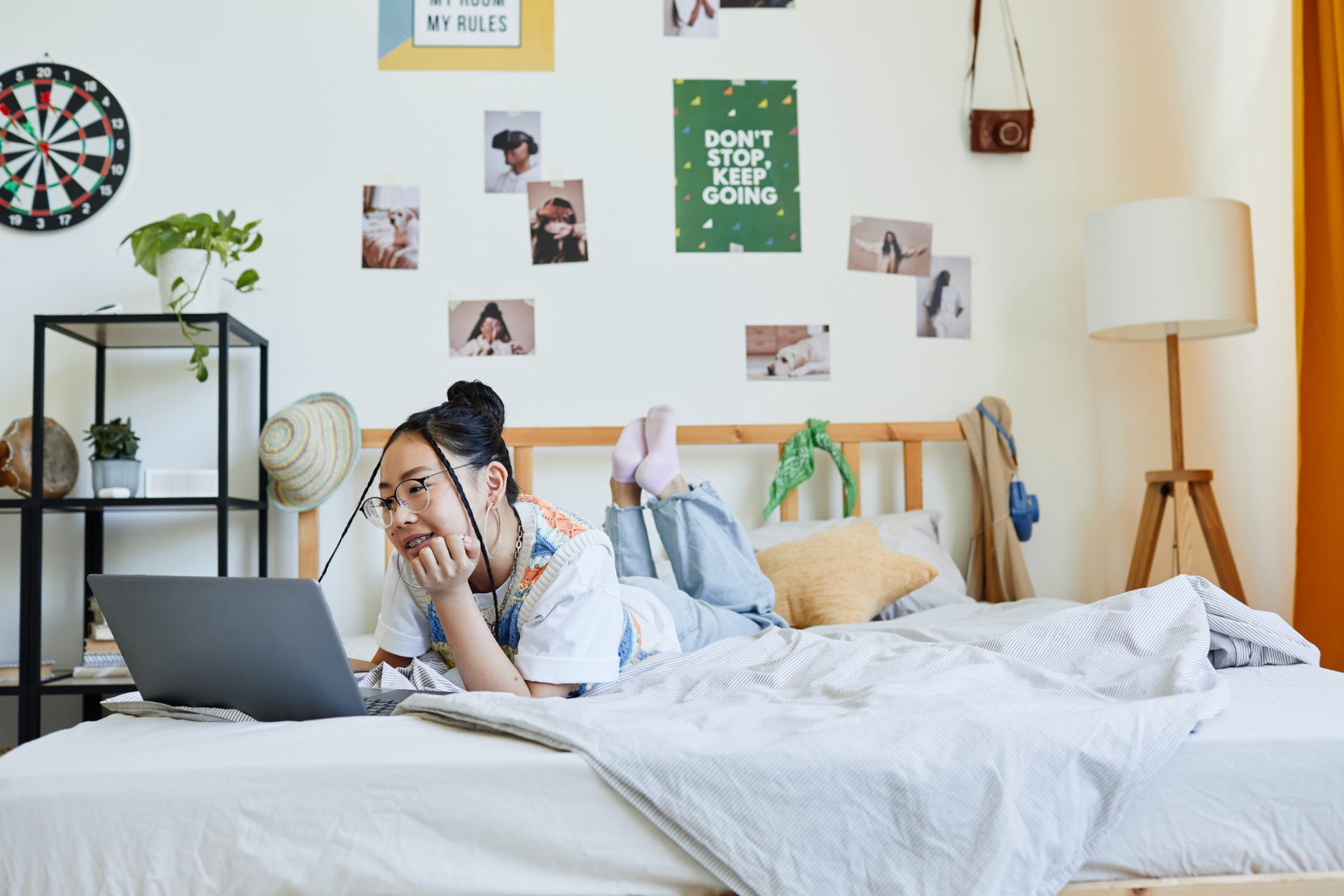
    Portrait of teenage Asian girl using laptop on bed in cozy room interior, copy space

    Take the long-term view

    It’s important to remember that teenagers grow up quickly and their interests change with age. When it comes to designing the perfect teen bedroom, keeping the long-term view in mind is vital. Choose furniture and accessories that are durable and adaptable, and that would work well in a more adult environment. Avoid going overboard with faddish trends and remember to keep it stylish but simple.

    Creating a perfect teen bedroom is all about finding the balance between function and style. By incorporating these tips and tricks, you can create a space that offers comfort, practicality, and style, and can grow with them into adulthood.

    New homes from S&A Homes

    S&A Homes offers a variety of new home communities and floorplans in the most sought-after neighborhoods in Central and South-Central Pennsylvania. Learn more about new home opportunities from S&A Homes, including quick move-in homes and build on your land opportunities, by calling call 1-855-SAHOME1 or visiting us online at SAHomeBuilder.com.

  • Babyproofing Your New S&A Home

    Babyproofing Your New S&A Home

    Babyproofing Your New S&A HomeBecoming a new parent is an exciting and joyful experience, but it also comes with lots of responsibilities. As new parents, you want to make sure your little one is safe and secure, especially in their own home. It’s important to keep an eye on your child’s every move, but it’s even more important to take the necessary steps to babyproof your home to prevent accidents and injuries.

    If you’re a new parent of a newborn or about to become one, babyproofing your house should be at the top of your to-do list. Here are some helpful tips to effectively babyproof your house.

    Look at your home from a baby’s point of view

    The first step towards baby-proofing your house is to step into the shoes of your little one. It’s time to think like a baby and see your home from their perspective. Get down on your hands and knees and crawl around your house. Look for any hazards that might pose a threat to a curious infant – like sharp corners of tables, loose cords, or poisonous items.

    Clear the clutter

    Babies are curious little creatures, and if there is any clutter around the house, they will find a way to get into it. So make sure you keep your house as clutter-free as possible. Place low-lying items, such as plants or small decorations, and sharp objects out of reach.

    Secure furniture and appliances

    Tipping of furniture or appliances can cause serious injuries to babies and toddlers. Make sure all heavy items are anchored or secured to the wall. You can buy wall anchors in a hardware store and attach them to the back of furniture with screws. This will prevent the furniture from tipping over your baby if they are trying to climb up or pull themselves up on it.

    Childproof cabinets and drawers

    Once your baby becomes mobile, they will naturally want to explore every corner and cabinet. This means that you’ll need to secure cabinets and drawers so that they can’t open them. You can install latches on cabinet doors that your baby can’t reach or customize your drawers with childproof locks to keep your little explorers out.

    Babyproofing Your New S&A HomeCover electrical outlets and cords

    Electrical outlets and cords pose a significant risk to babies. Cover all electrical outlets with safety plugs, which are widely available at big box department stores or hardware stores and online. Keep cords out of your baby’s reach and secure them to the wall using cord covers.

    Install safety gates

    As babies turn into toddlers and start to walk, they become more mobile, curious, and accident-prone. Installing safety gates at the top and bottom of your stairs and in any rooms that are off-limits to your baby is a crucial safety step. A safety gate will prevent your little one from climbing stairs or accessing areas that could be hazardous like the kitchen.

    Keep medicine out of reach

    One of the biggest mistakes many parents make is leaving medicine bottles within reach of their little ones. It’s crucial to keep all medicines, prescriptions, and vitamins out of reach. It’s best to install a safety lock on a medicine cabinet or move it to a high shelf that’s out of reach or locked.

    Babyproofing Your New S&A HomeKeep an eye open for potential hazards

    Babyproofing isn’t a set-it-and-forget-it thing. As your baby grows and develops new skills, you should continue to look around your home and identify potential hazards. Each family’s living environment is different so it’s important to create an individual safety plan that fits your family’s lifestyle.

    Welcoming a newborn baby is an exciting yet exhausting time for new parents. One of the most crucial aspects of taking care of your little one is ensuring their safety. Baby-proofing your home can be a simple task if you know what to look for. By following these tips mentioned above, you’ll be well on your way to making your home a safe haven for your baby.

    New homes by S&A Homes

    If you’re looking for a new home for your growing family, we hope you’ll consider S&A Homes. We offer a variety of new home communities and floorplans in the most sought-after locations. We can also build your dream home on your own land! For more details, visit us at SAHomebuilder.com or call 1-855-SAHome1 to learn about our new home communities throughout Central and South-Central Pennsylvania.

  • Prepare Your Home for Fall and Winter

    Prepare Your Home for Fall and Winter

    Prepare Your Home for Fall and WinterAs the leaves start changing colors and the weather gets chilly, everyone knows that fall and winter are just around the corner. For many people, this means packing up their summer clothes, putting away the pool toys, and preparing for the upcoming cold season. But have you thought about getting your home ready for fall and winter? As the temperature drops, the changes inside your home will be your first line of defense, protecting you and your family from the harsh elements. Here are some tips to get your home prepared.

    Check your heating system

    Your home’s HVAC system plays a huge role in keeping your house warm and comfortable. Before the temperature drops, it’s important to get an HVAC maintenance check-up. A professional technician can address any issues that could affect your system’s efficiency. Getting your HVAC system checked can prevent further damages that could lead to more costly repairs down the line. Don’t forget to replace air filters and consider a programmable thermostat to help you save money on your heating bill.

    Seal your windows and doors

    Drafty windows and doors can cause a significant loss in heat, leading to increased bills. You don’t want heat escaping through any drafty spots in your home. Check your windows, doors, and even electrical outlets for cracks or gaps that might be letting in the cold air. If you find any issues, add weather stripping or caulking to seal up the leaks. This will keep the heat inside where it belongs, making your home cozy and warm.

    Prepare Your Home for Fall and WinterPrepare for storms

    Power outages during winter storms can leave you without heat, water, or electricity for days. Make sure to have candles, matches, canned food, and a manual can opener in a safe place. You might also consider investing in a reliable generator or an alternative power source such as solar panels.

    Get your yard ready

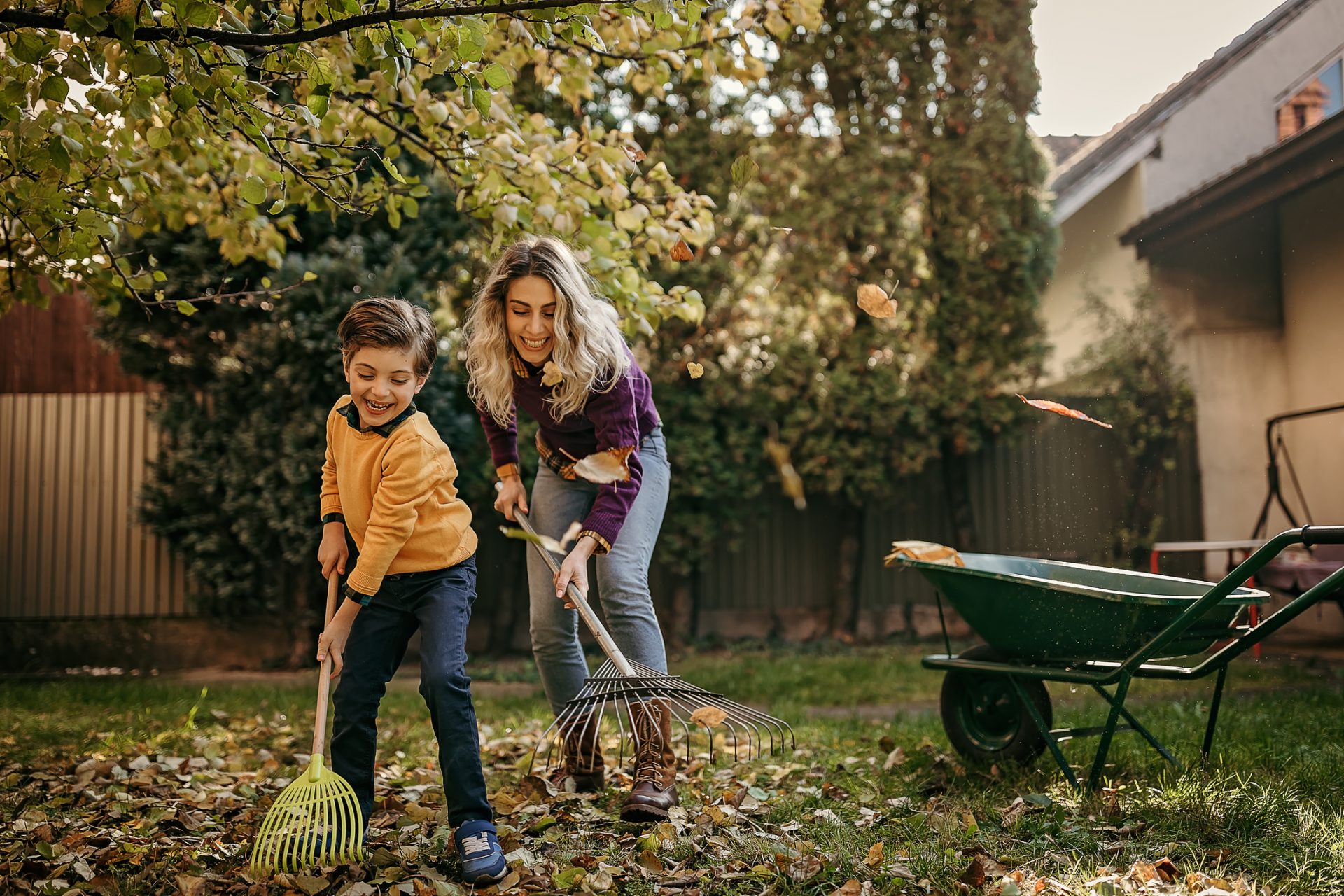
    To prepare for the winter months, it’s essential to get your yard ready too. Rake leaves to prevent mold and mildew buildup and clear dead branches or debris from the yard to avoid damage from heavy snow or ice. Prune your trees and shrubs before the first frost to help them survive the winter season and put away outdoor furniture. By doing so, you’re making sure your yard is ready to tackle any seasonal changes that come its way.

    Protect your pipes

    Frozen pipes are every homeowner’s worst nightmare. Pipes burst frequently, causing water damage and expensive repairs. Before the cold weather hits, drain and disconnect outdoor hoses and faucets to prevent water from freezing inside pipes. Consider adding extra insulation to your pipes in unheated areas of your home like the garage.

    Prepare Your Home for Fall and WinterCheck your gutters

    Fall and winter are traditionally months with high precipitation, making it vital to ensure your gutters and downspouts are clean before the season starts. If left unattended, clogged gutters can cause damage to the roof, siding, and foundation of your home. Make sure to clean the gutters properly so water flows away from your home. You can also install a gutter guard to prevent debris from clogging them.

    Preparing your home for the fall and winter seasons is essential to staying cozy, saving money on heating bills, and being safe from potentially dangerous weather conditions. Consider these top tips to keep your house in good shape and make sure you’ll be ready for whatever Mother Nature throws your way.

    Buy a new home with S&A Homes this Fall

    S&A Homes is proud to build affordable new home communities throughout Central and South-Central Pennsylvania. We can also build on buyer-owned land through our Build on Your Own Land program. To learn more about our available inventory and communities, call S&A Homes at 855-SAHOME1 or contact us now.

  • Basic Home Maintenance Tasks Everyone Should Know

    Basic Home Maintenance Tasks Everyone Should Know

    Basic Home Maintenance Task Everyone Should KnowOwning a home is a dream for many of us, but it also requires a certain degree of responsibility. One of the most important aspects of homeownership is taking care of your property. Keeping up with basic home maintenance is an essential part of ensuring that your house remains comfortable and structurally sound. In this blog post, we’ll be discussing 13 basic home maintenance tasks everyone should know to be a more self-sufficient homeowner.

    Change your air filters

    Air filters are responsible for trapping dust, allergens, and other debris, which can affect the air quality in your home. Changing your air filter regularly can improve your indoor air quality and help your HVAC system run more efficiently. It’s recommended to change your air filters every 90 days, or more frequently if you have pets or allergies.

    Check for water leaks

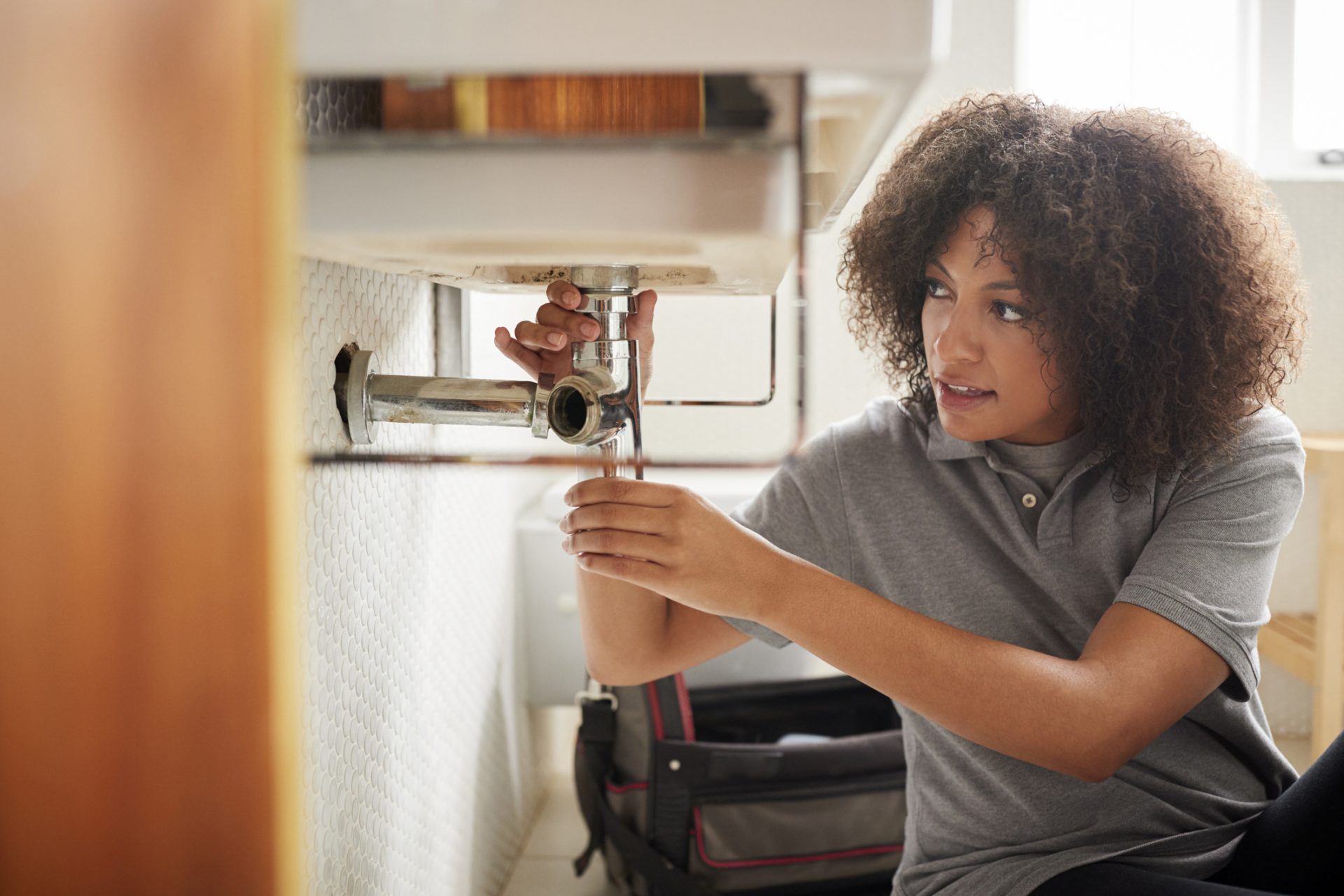
    Leaks can go unnoticed for a long time, causing significant damage to your home. Make a point of regularly checking for leaks in your pipes, sinks, and toilets to prevent any potential damage.

    Maintain your gutters

    When your gutters get clogged, water cannot flow properly away from your home, causing water damage to your roof, walls, and foundation. Regular cleaning and maintenance will prevent damage and prolong the lifespan of your gutters. Inspect and clean your gutters and downspouts twice a year to prevent costly repairs down the line. For long-term gutter health, consider installing gutter guards or screens to prevent debris from accumulating.

    Test your smoke and carbon monoxide detectors

    Smoke and carbon monoxide detectors are crucial for protecting your home and your family from potentially deadly hazards. Monthly checks can detect malfunctioning detectors before it’s too late. Replace batteries yearly and test alarms regularly to ensure they’re functioning properly.

    Reset the circuit breaker

    When you overload your electrical circuits, everything connected to that circuit will shut off. Thankfully this is an easy fix: check your breaker box in your home and check the grid of breakers. You might notice that one is switched to the “OFF” position or has a red marker window, indicating that it has been tripped. To fix the issue, start by turning off all the lights and appliances that are connected to that specific breaker. Then, flip the tripped breaker back to the “ON” position.

    Basic Home Maintenance Task Everyone Should KnowUse a caulk gun

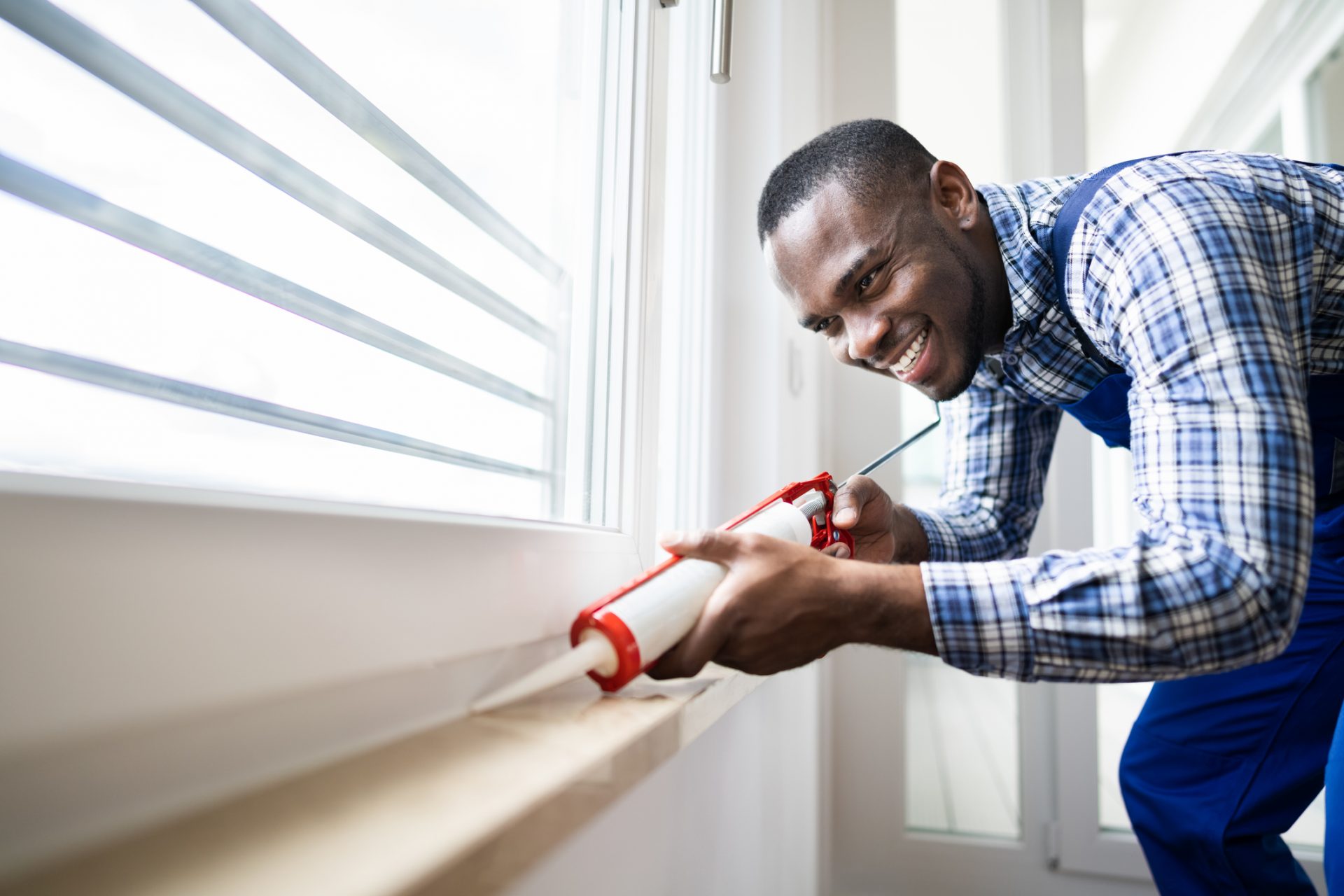
    Fixing a small piece of caulk around your bathroom sink is easy and can prevent water damage. With just a tube of caulk and a caulk gun (an affordable investment), you can do it yourself. Simply cut the tube at a 45° angle, load it into the caulk gun, and carefully apply the caulk to fill in the missing area around the sink. Smooth it out and let it dry.

    Clear your drains

    Have a slow-draining sink? Skip the chemical drain cleaner and opt for a drain snake and a trusty plunger to clear the blockage. Here are some additional tips and tricks for dealing with clogged drains.

    Keep your HVAC system maintained

    Your home’s HVAC system is one of the most important components in keeping your home comfortable year-round. Annual professional inspections can save you money in the long run by detecting potential issues before they become costly repairs. Neglecting HVAC maintenance can lead to decreased energy efficiency, decreased indoor air quality, and potential safety hazards such as carbon monoxide leaks. To keep your heating and cooling systems in top shape, regularly change air filters, have professional inspections annually, and keep outdoor units free from debris.

    Fix a running toilet

    A toilet that’s constantly running wastes water and creates an annoying sound. You can easily fix this problem yourself without hiring a plumber. All you need to do is replace the flapper inside the toilet tank. Follow these simple steps to restore a peaceful and water-efficient bathroom.

    Turn off the water main

    Knowing the location of your home’s main water shut-off valve is crucial in an emergency. These valves can have either round wheel handles or lever-style handles. If you have a wheel-style handle, simply turn it to the right (clockwise) to shut off the water. For lever-style handles, turn the lever a one-quarter turn until it is perpendicular to the pipe. 

    If you’re planning on being away from home for an extended period of time, it’s a good idea to shut off the water in your house as a precaution against plumbing leaks.

    Check your windows and doors

    Doors and windows are also crucial components in maintaining optimal energy efficiency within your home. Regularly re-caulking any gaps can prevent drafts and keep your heating and cooling systems from overworking. Proper caulk application can even lead to energy savings of up to 20%.

    Clean refrigerator coils

    Refrigerator maintenance is another area of home care that is often overlooked. Dirty coils can lead to decreased energy efficiency and even compressor failure. Clean your fridge’s coils twice a year with a specialized brush or vacuum attachment to keep your fridge running smoothly.

    Basic Home Maintenance Task Everyone Should KnowMaintain your lawn and yard

    Outdoor spaces are often overlooked when it comes to home maintenance, but important for keeping pests at bay and preventing landscaping damage. Common pests to look out for include mosquitoes, rodents, and termites. Regularly trimming bushes and trees and keeping outdoor areas clear of debris can go a long way in preventing damage to your home.

    When to call in the professionals

    Taking care of your home yourself creates an immense amount of pride, but there’s nothing wrong with calling for help when a fix is beyond your capabilities. If it’s a tricky job that’s beyond your expertise, it’s best to leave it to a professional. Not only will this ensure your safety, but it will also protect the value of your property in the long term and reduce your stress and frustration.

    Home maintenance is an essential part of being a homeowner. Regularly maintaining your home’s vital systems can help keep your home energy-efficient and protect against potentially costly repairs. It’s also important to know when to call in the professionals for additional help. By taking care of these basic home maintenance tasks, you’ll be able to enjoy your home for years to come.

    New homes by S&A Homes

    When you buy a S&A home, you don’t have to worry about being on your own. Our commitment to you extends far beyond the day you move into your new home. That’s why we offer our homeowner resource so you can keep your home in tip-top shape. Whether you have a warranty question, are looking for helpful maintenance advice or just want to access copies of post-settlement service checklists, you can find everything you need.

    Ready for a new home? We build new communities throughout Central and South-Central Pennsylvania, including build on your lot opportunities. Call 1-855-SAHome1 or visit SAHomeBuilder.com to learn more about our floorplans, available homes, and more.
  • Common Mistakes to Avoid When Buying a New Home

    Common Mistakes to Avoid When Buying a New Home

    Common Mistakes to Avoid When Buying a New HomeBuying a home for the first time is exciting, but it can also be overwhelming. In the process of finding the perfect place, many first-time homebuyers make costly mistakes that can be easily avoided with a little information and preparation. From skipping the pre-approval process to overlooking hidden costs, there are many ways to derail the dream of homeownership. If you’re in the market for your first home, read on to learn about the 6 common first-time home buyer mistakes and how you can avoid them.

    Not getting pre-approved for a mortgage

    Before you start shopping for homes, you need to know how much you can afford. Getting pre-approved for a mortgage will give you a clear idea of what your budget is, so you don’t waste time looking at homes that are out of reach. Plus, if you find a home you love, you’ll be ready to make an offer and beat out other buyers who haven’t been pre-approved.

    Failing to stick to your budget

    One of the biggest mistakes you can make when buying a new home is to go over budget. It’s crucial to have a budget in mind and stick to it when deciding on a property. Be realistic about what you can afford, including the down payment, closing costs, and the monthly mortgage payment as well as other expenses (more on this later). Before you start looking for a house, get pre-approved for a loan so that you know exactly what you can afford.

    Common Mistakes to Avoid When Buying a New Home
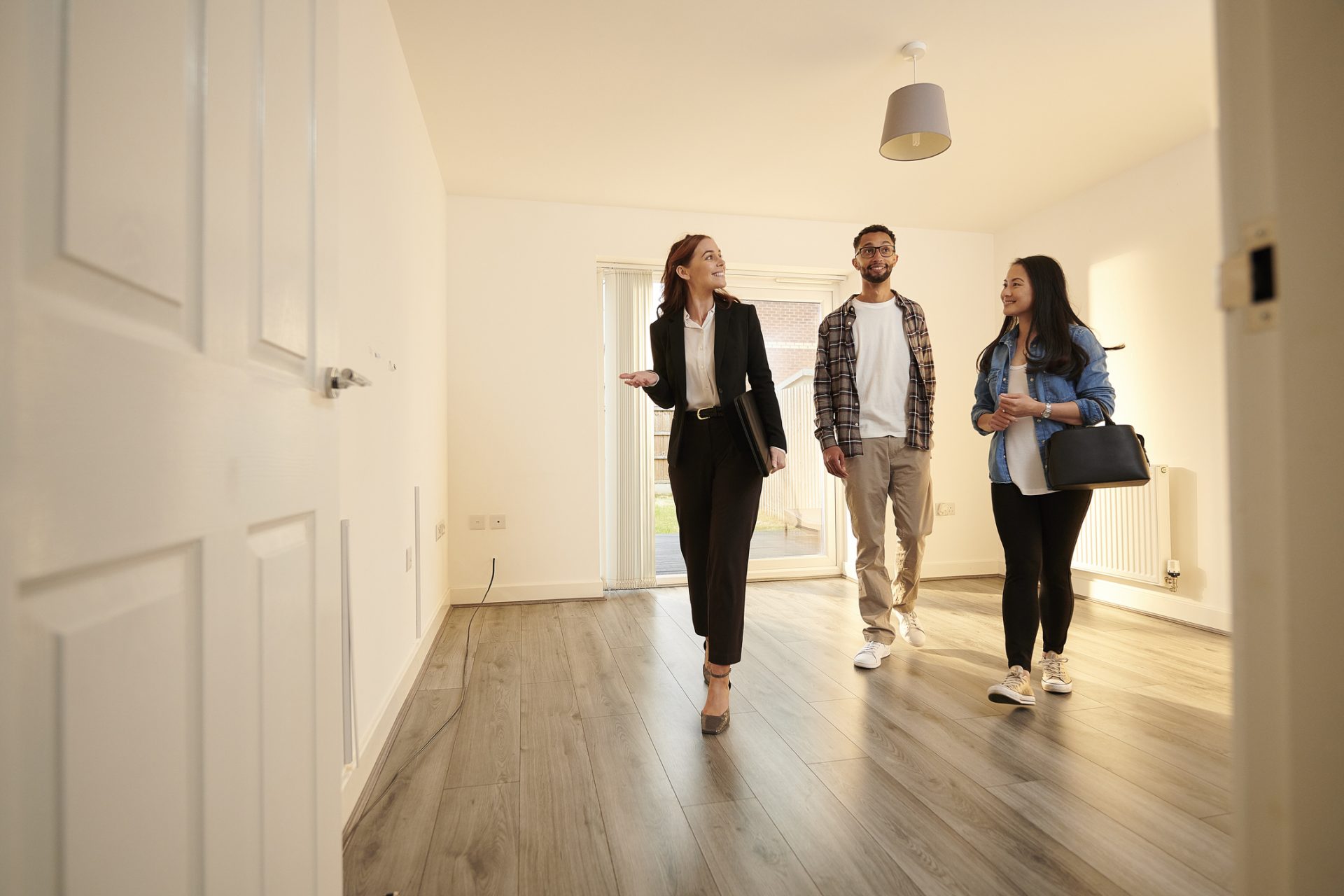
    Real estate agent with couple shaking hands closing a deal

    Not considering the full cost of owning a home

    Buying a home is not just about the sales price. There are additional costs that come with owning a home, such as property taxes, insurance, utility bills, and maintenance expenses. Failing to account for these additional costs can lead to financial stress and put a strain on your budget. When you are calculating your budget, make sure to include these expenses so you know exactly what you can afford.

    Neglecting researching the neighborhood

    Another common mistake is buying a new home in a neighborhood that you are not familiar with. It’s essential to research the area and make sure that it is a good fit for you and your family. You should also check out the local schools, amenities, and parks. Not knowing the neighborhood can lead to major issues down the line.

    Not considering resale value

    While you might be focused on finding a home that suits your current needs, it’s important to think about the resale value in the future. Your circumstances might change, and you might need to sell the home in the future. So, keep in mind the location, neighborhood, and features that could impact the value of the property in the future.

    Common Mistakes to Avoid When Buying a New HomeMaking emotional decisions

    It’s easy to get emotionally attached to a home you love, especially if it’s your first. But don’t let your emotions cloud your judgment. Just because a house is beautiful or is in a desirable location doesn’t mean it’s the right fit for you. Don’t let your emotions cloud your judgment, and take your time in making a decision that’s right for you. And don’t be afraid to walk away if the deal doesn’t make sense.

    Buying your first home is a big decision and it’s important to do your due diligence during the homebuying process. Following these tips will get you ready to tackle the homebuying process with confidence and mistakes. Knowledge is power when it comes to buying a new home. So do your research so you can be better equipped to make informed decisions and find the perfect home that will suit your needs for years to come.

    S&A Homes: Built where you live

    Ready to make the leap into homeownership? S&A Homes offers a diverse selection of home designs to accommodate a variety of home buyers throughout Central and South-Central Pennsylvania. Learn more about new home opportunities from S&A Homes, including quick move-in homes and build on your land opportunities, by calling 1-855-SAHOME1 or visiting us online at SAHomeBuilder.com.

  • How to Help Kids Adjust to a New School

    How to Help Kids Adjust to a New School

    How to Help Kids Adjust to a New SchoolMoving to a new home can be an exciting experience, but it can also be overwhelming, especially if you have school-aged children. The thought of transitioning to a new school can be frightening for kids, but there are things you can do as a parent to help make the process easier. Here are some tips to help your kids transition to a new school and ease any anxiety they may be experiencing.

    Start talking early

    Before you move, start talking to your kids about their new school. Talk about the positive changes that come with a new school such as new friends, activities, and experiences. Encourage your kids to ask questions, and address any concerns or fears they might have about the new school. Starting early can help ease anxiety as it gives kids time to mentally prepare for this big transition.

    Visit the school

    If possible, arrange a tour of the new school before your move. This will give your children the opportunity to familiarize themselves with the new environment. Talk to the principal, guidance counselor, and teachers so they can get insights on what to expect academically and socially. Take time to explore the campus with them; point out where their classrooms are, where the bathrooms are, and where they can access other amenities. This can help them feel more confident and less intimidated on their first day.

    How to Help Kids Adjust to a New SchoolGet involved in extracurricular activities

    Find activities that interest your child to allow them an opportunity to meet new friends that share similar interests. From sports to activity clubs to music programs, most schools offer a variety of extracurricular activities. By getting involved, you and your child can make new friends and build relationships with other families in the community.
    Communicate with teachers

    Communicating with your child’s new teacher is crucial in helping them transition smoothly. You can arrange a meeting with the teacher to discuss your child’s strengths, weaknesses, and learning styles. This can enable the teacher to understand your child better, provide appropriate academic support and make the transition easier.

    Establish a routine

    Keeping a routine is essential when transitioning to a new school. It gives kids a sense of familiarity and consistency, which can reduce anxiety and help them feel more in control. Make sure to keep meal times, bedtime, and study time consistent. This will also help your children focus on the new academic demands and retain the information more effectively.

    How to Help Kids Adjust to a New SchoolBe patient and listen

    Transitions can be tough for children, and they may experience a variety of emotions. Be patient with your children and listen to how they are feeling. Address their concerns and answer their questions honestly. Acknowledge that change can be challenging, but remind them of the opportunities that come with moving to a new place.

    Transitioning to a new school can be a difficult process for children, but there are ways you can help make it more manageable. Encourage your kids to get involved in the local community and extracurricular activities, maintain a routine, and communicate with their teachers. Remember to be supportive and provide an optimistic outlook for your children. With your help, your children can be successful in their new school, make new friends, and thrive in their new community.

    New construction homes by S&A Homes

    S&A Homes offers a variety of new home communities and floorplans in the most sought-after locations with proximity to great schools in Central and South-Central Pennsylvania. To learn more about the available home designs and quick move-in homes, call 1-855-SAHome1 or visit SAHomeBuilder.com.

  • 9 Ways to Reduce Stress from Buying a Home

    9 Ways to Reduce Stress from Buying a Home

    9 Ways to Reduce Stress from Buying a HomeBuying a home is an exciting milestone for many first-time homebuyers, but it can also be a stressful process. From finding the perfect home to securing financing, there are several steps that can cause anxiety for potential homeowners. However, with the right tips and guidance, you can reduce the stress of home buying and enjoy the excitement of this significant life event. In this guide, we’ll share some tips on reducing the stress of home buying for first-time and seasoned homebuyers.

    Educate Yourself on the Home Buying Process

    One of the main sources of stress for first-time homebuyers is feeling overwhelmed and anxious about the homebuying process. The best way to combat this is by educating yourself on the process before you begin. Research different neighborhoods and schools, learn the difference between fixed and adjustable rate mortgages, and familiarize yourself with the various fees and costs associated with home buying. By understanding the process, you’ll be able to anticipate potential roadblocks and feel more confident in your decision-making.

    Get Pre-Approved for Financing

    Financing is one of the most significant factors in the homebuying process. Getting pre-approved for a mortgage will give you a better idea of your budget and help you identify homes within your price range. This will also give you an advantage in the competitive housing market, as sellers will take you more seriously if you’ve already been pre-approved. While the mortgage process can be lengthy and tedious, getting pre-approved early on can reduce the stress of uncertainty and provide peace of mind.

    Set Realistic Expectations

    When you are looking to buy a home, set realistic expectations. Remember that no house is perfect, and there will always be compromises. It is crucial to develop a realistic list of your needs and wants for your ideal home. Your real estate agent can help you narrow down your search, manage your expectations, and find the best properties that meet your criteria.

    9 Ways to Reduce Stress from Buying a HomeFocus on Your Priorities

    When we daydream about buying a house, we tend to envision a home with lots of amenities like an infinity pool or a big, beautiful garden. While these are great, your purchase decision should be based on priorities. Prioritize the important features that meet your needs, like the number of bedrooms, proximity to your job, schools, and other facilities. Focus on your priorities instead of getting caught up in an elaborate photo of a house that may not meet your needs.

    Be Flexible

    Being flexible with time is crucial when purchasing a house. Home buying may take longer than anticipated, and sometimes your perfect home may slip away from your hands. Sometimes it’s necessary to compromise on a few things when finding the perfect home. Even if your dream home isn’t available at the moment, don’t give up. Keep checking websites, join online groups, and staying in contact with your agent can help you stay updated with the latest developments.

    Take Your Time

    Don’t rush the homebuying process. Take your time to research the neighborhoods you’re interested in, and tour properties with your agent. Buying a home can be a significant investment, and rushing the process can lead to regrets later on.

    Be Prepared for the Unexpected

    Despite your best efforts to be prepared, unexpected things can still happen. Realize that a few hitches may arise during the homebuying process. However, by maintaining an open mind, flexibility, and a positive attitude, you can get through these situations with less stress and frustration. Be prepared for surprises, delays, and additional costs that can arise.

    9 Ways to Reduce Stress from Buying a HomeTake Care of Yourself During the Process

    Home buying can be a time-consuming and emotional process, so it’s essential to take care of yourself during this time. Take breaks when needed, prioritize self-care activities like exercise and meditation, and rely on your support system. It’s essential to manage your emotional well-being, so you’re not overwhelmed by the experience. By taking care of yourself, you’ll be better equipped to handle any difficulties and enjoy the excitement of finding your dream home.

    Trust the Process

    Finally, trust the process. While feeling anxious during the homebuying process is natural, remember that you’re not alone. There are many people involved in the transaction, from your real estate agent to your builder to your lender. Everyone is working toward the same goal: to help you find the right home. Trust that the professionals you’ve chosen to work with will guide you through the process and help you make the best decision for your budget and lifestyle.

    Home buying can be an overwhelming experience, but it doesn’t have to be. By following these tips, you can reduce the stress of homebuying and enjoy the excitement of finding your dream home. Remember, this is a significant life event, and with the right guidance and support, you can make it a memorable and enjoyable experience.

    New Construction Homes by S&A Homes

    Whether you’re looking for your starter home or forever home, S&A Homes offers a diverse selection of home designs to accommodate a variety of home buyers throughout Central and South-Central Pennsylvania. Learn more about new home opportunities from S&A Homes, including quick move-in homes and build on your land opportunities, by calling call 1-855-SAHOME1 or visiting us online at SAHomeBuilder.com.