Blog

  • How to Create a Multipurpose Space

    How to Create a Multipurpose Space

    How to Create a Multipurpose Space

    Do you have a spare room in your home that you’re not quite sure how to utilize? Maybe it’s become a catch-all for miscellaneous household items or a neglected space that rarely sees any activity. Or perhaps you’re just not sure how to make the most of it. Fear not, because, with a little planning and creativity, you can easily transform that empty room into a functional, multipurpose space that meets all of your needs. Check out these top tips for creating a multipurpose room that works for you.

    Start with a plan

    Before diving headfirst into your project, take the time to create a plan. Create a list of all the potential uses and prioritize them based on their frequency. This will help you determine the most important features and furniture pieces you need to incorporate into the room. Will it be a home office, a workout room, a guest room, or all of the above? Consider the size of the room and how it can be divided to meet your needs.

    Choose versatile furniture

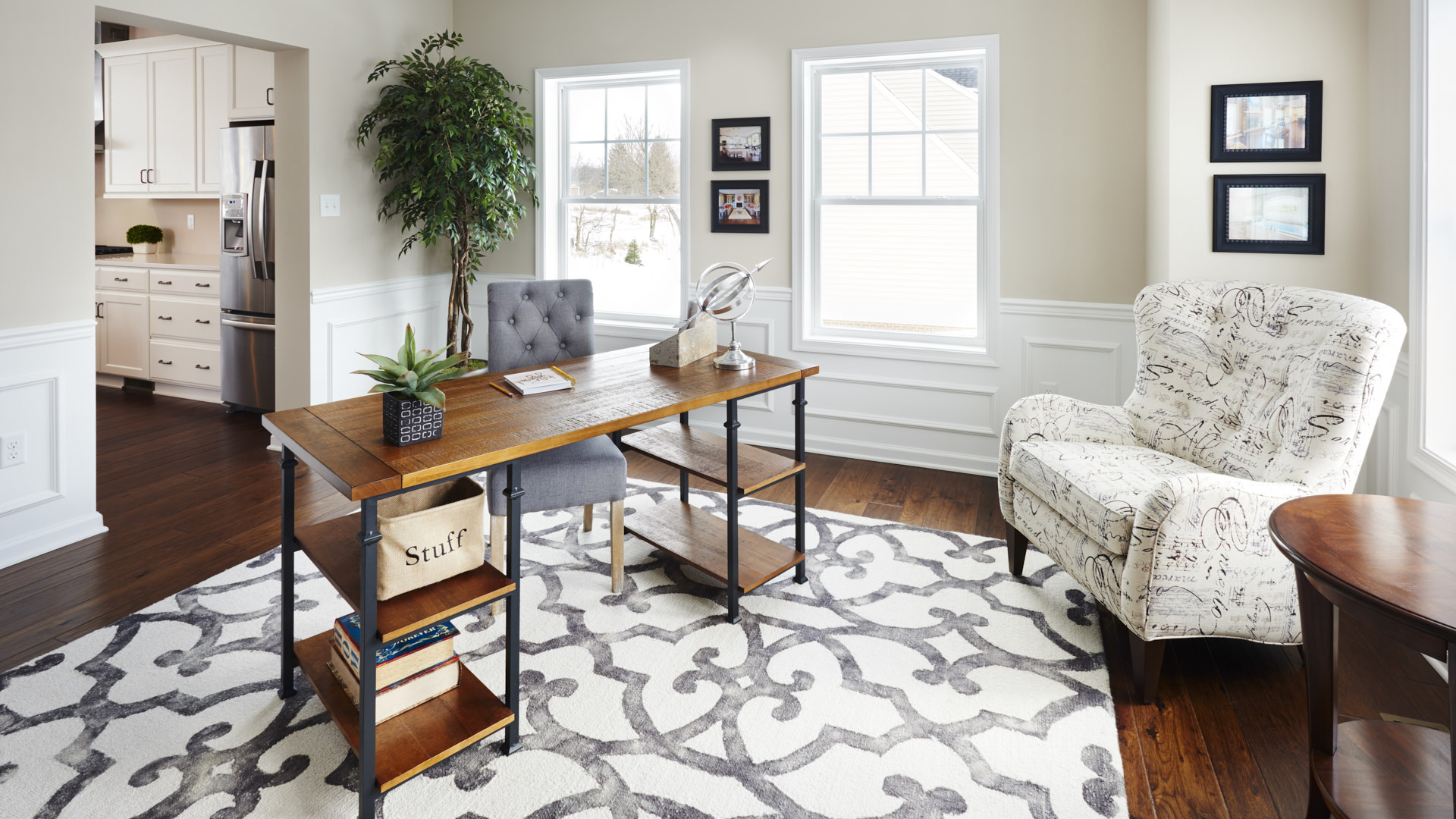
    When shopping for furniture for your new space, opt for versatile items that can serve multiple purposes. For example, a Murphy bed can transform a guest room into a functional office space. A storage ottoman can double as seating and stow away extra linens. And a large sectional sofa can be split into smaller pieces for a more flexible seating arrangement.
    How to Create a Multipurpose Space

    Opt for neutral color palettes

    Unlike specific room designs like a baby’s room or a home theater, multipurpose rooms should have a neutral color palette. Neutral colors like beige, grey, or white allow you to switch things up in the future when you want to change the room’s functionality. Muted colors provide a calm and relaxing atmosphere that works well with many room designs. You can add accent colors to make the space more vibrant, but make sure they complement each other.

    Select the right lighting

    The right lighting can make a big difference in the functionality and comfort of your multipurpose room. Make sure to invest in a variety of lighting options including overhead fixtures, table lamps, and floor lamps. Consider installing dimmers for flexible lighting options that can adjust the mood according to the activity.

    Create zones

    While a multipurpose room has many uses, one of the main ways to keep it organized and functional is by creating zones. This means dividing the room into separate areas based on their purpose, such as a workspace or a sleeping area. Use furniture arrangements, like area rugs to delineate these zones. Creating zones also helps to reduce clutter and keeps the space tidy.

    Don’t skimp on storage

    With a multipurpose room, it’s important to have plenty of storage options to keep everything organized and clutter-free. Consider built-in cabinetry, floating shelves, and storage benches to maximize the space. And don’t forget about creative storage solutions, like hidden storage compartments or under-bed storage boxes. This will make it easy to transform the room into something else when it is time for a change.

    Make it personal

    Your new multipurpose room should reflect your lifestyle and personality. Incorporate décor that you love and that inspires you, from throw pillows and wall art to rugs and curtains. And don’t shy away from adding personal touches, like family photos or mementos from your travels.
    How to Create a Multipurpose SpaceTest drive your space

    Once your new multipurpose room is complete, take the time to test drive it. Live in the space for a few weeks and evaluate how it’s working for you. Do you need additional lighting? More storage? A different seating arrangement? Tweak the details until you find the perfect balance of function and style.

    Creating a multipurpose room can be a daunting task, but with a little planning and effort, it’s possible to create a space that works for you and your family. By following these tips, you’ll be well on your way to creating a functional and stylish multipurpose room that you’ll love spending time in.

    Multipurpose spaces are a great way to customize your home to fit your family’s needs. Do you simply need more room? S&A Homes has several floorplans that offer offers flexible spaces so you can customize it to fit how you live.  Visit us at SAHomebuilder.com or call 1-855-SAHome1 to learn about our new home communities throughout Central and South-Central Pennsylvania.

  • Budgeting for New Homeowners: What to Expect

    Budgeting for New Homeowners: What to Expect

    Budgeting for New Homeowners: What to ExpectBecoming a homeowner is such a rewarding moment, but it’s also a significant financial responsibility. Apart from paying for your mortgage, several expenses need to be factored into your budget to maintain and protect your property. 

    We’ll discuss some often-overlooked expenses you should include in your budget for the first year of homeownership. By understanding these costs, you can start planning and budgeting accordingly, ensuring you maintain your property and successfully navigate your first year as a homeowner.

    Mortgage Payment

    The first bill you’ll need to budget for is your mortgage payment. A mortgage payment is made up of four main parts: principal, interest, taxes, and insurance. The principal pays down your loan amount while interest covers the cost of borrowing, including your interest rate and remaining balance. The amount of interest you pay is determined by your interest rate and your loan balance. 

    Budgeting for New Homeowners: What to ExpectTaxes and Insurance

    The third component of your mortgage payment is taxes. Property taxes is one of the significant expenses that come with owning a home. Taxes are usually based on your home’s value, location, and local tax rates. These taxes can be due quarterly or annually, depending on where you live.

    The final part of your mortgage payment includes insurance. Homeowners insurance is required to protect your property in case of theft, natural disasters, or accidents. The cost of your premium will vary depending on factors such as your location, the age of your home, and the level of coverage you want. Remember that insurance policies cover different types of losses, so make sure to read and understand the terms of your policy.

    If your down payment was less than 20%, your lender may require private mortgage insurance (PMI). This insurance protects your lender in case you are unable to repay your mortgage. This amount is typically added to your mortgage payment.

    You have two options for paying your property taxes and home insurance. The first option is to pay them yourself directly. You will need to figure out how much to set aside each month to cover these costs. The second option is to establish an escrow account with your lender to manage these payments. Each mortgage payment will add 1/12th of the total annual bill to cover these costs and will issue payment when they’re due. 

    Utilities

    Utility bills such as electricity, water, and gas make up a significant portion of homeownership expenses. You should anticipate higher utility costs than when renting, especially if you have a larger home or more family members. When budgeting for your first year, take note of the average utility bills in your area and leave some cushion for fluctuations.

    Home Maintenance and Repairs

    As a homeowner, it’s your responsibility to keep your property in good condition. This means setting aside money for routine maintenance and repairs like cleaning gutters, mowing the lawn, fixing a leaky faucet, and so on. You should also be prepared for unexpected repairs like a damaged roof or plumbing issues. A general rule of thumb is to set aside 1-2% of your home’s value for maintenance costs.

    When you purchase a new home with S&A Homes, we provide our buyers an express 10-year limited warranty on their new home so you can enjoy peace of mind.

    Homeowners Association Fees

    If you live in a neighborhood with a homeowner’s association (HOA), you will likely be required to pay a monthly or annual fee. These fees are used to maintain shared community areas, such as parks, playgrounds, and pools.

    Budgeting for New Homeowners: What to ExpectHome Improvement

    Finally, while it may not be necessary in the first year, any home improvements, such as remodeling your kitchen or adding an extra bathroom, need to be included in your budget for the long term. These types of projects can be costly, so consider the costs, benefits, and long-term goals before making any home improvements. Setting aside money over time will make sure you have the funds available when it’s time for updates.

    The first year of homeownership can be both exciting and challenging. However, it’s essential to understand that homeownership comes with financial responsibilities and costs. As a homeowner, you should be prepared to budget for the full cost of homeownership. These expenses can add up quickly, so it’s vital to plan accordingly and avoid financial surprises. With careful budgeting, you can manage these expenses stress-free and enjoy the benefits of homeownership.

    New Construction Homes by S&A Homes

    S&A Homes is proud to build affordable new home communities throughout Central and South-Central Pennsylvania. We invite you to learn more about our new home opportunities, whether building on your lot or buying a home in one of our new home communities. Call S&A Homes at 1-855-SAHome1 or contact us online to learn more about our available inventory and communities.

  • Summer Grilling Safety Tips Everyone Should Know

    Summer Grilling Safety Tips Everyone Should Know

    Summer Grilling Safety Tips Everyone Should KnowSummer barbecues are a time-honored tradition and the perfect way to celebrate the season with family and friends. There’s nothing quite like the sizzle of meat on a hot grill during summer barbecue season. But it’s important to prioritize safety when it comes to outdoor cooking. From flare-ups to food poisoning, there are lots of potential hazards to avoid. To keep your grilling game strong and everyone safe, here are some essential barbeque safety tips to keep in mind this summer.

    Choose the Right Spot to Grill

    When setting up your grill, choose a level surface that’s at least 10 feet away from your home, trees, and low-hanging branches. Make sure your grill is stable and won’t tip over easily. Keep nearby flammable materials, such as gasoline or lighter fluid, safely stored and away from the area of the grill. Also, make sure to surround the grill with plenty of space to ensure that everyone is safe when visiting your barbecue.

    Clean the Grill Thoroughly

    A clean grill is a safer and more enjoyable grill. Before firing up the grill, make sure it is clean of old grease and residue, which can ignite and cause a fire. Inspect the grill grates, the drip pan, and the grease tray for any clogs or debris. Use a brush or scraper to clean the grates, and wipe the exterior with a damp cloth if necessary.

    After each use, scrape off any leftovers to prevent grease buildup that can cause a fire. This cleaning process can be done using scouring pads or a professional brush.

    Summer Grilling Safety Tips Everyone Should KnowStay by the Grill at All Times

    Turn on the grill only when someone is present. Never leave the grill unattended, even for a moment. A kiddo, pet, or inattentive friend can accidentally touch the hot grill and burn themselves or start a fire.

    Keep an Eye on Flare-Ups

    Flare-ups can happen at any time with a hot grill, so stay vigilant. If you see flames or excessive smoke occur, turn off the gas or move the meat to a cooler area of the grill. Use a spray bottle of water to put out minor flare-ups, but be careful not to douse the flames with water, which can make the flare-up worse. If flare-ups are frequent, clean the grates to remove excess grease from your last cookout.

    Keep a Fire Extinguisher Nearby

    Don’t be caught off guard in case of an emergency. Have a fire extinguisher on hand in case flames get out of control. Learn how to operate the fire extinguisher before the barbecue; you don’t want to figure it out when the time comes.

    Summer Grilling Safety Tips Everyone Should KnowPractice Safe Cooking Methods

    When cooking meat and poultry, use a meat thermometer to ensure it’s cooked to the recommended temperature. This will kill any harmful bacteria, preventing food poisoning. Keep foods refrigerated until ready to cook to avoid cross-contamination. Cook smaller pieces of meat over high heat, while larger pieces should be cooked over medium heat to avoid burning the outside while undercooking the inside.

    Close Up Shop Properly

    Once the cooking is done, properly shut down the grill. Turn off the fuel source and let the coals or grill grate cool down completely. Once the grill cools down, you can safely start to dissemble, clean, and put away any accessories you may have used.

    Barbequeing can be a fun and enjoyable experience for everyone but following these essential safety tips will make all the difference in having a great cookout and staying safe. Keeping these safety tips in mind, you’ll be a grill master in no time and can impress all your guests with your safe and delicious summer barbecues!

    If you’re planning on moving this summer, consider buying a new construction home from S&A Homes. Whether you purchase a home in one of our new home communities or build on your lot, you can rest assured that your home is built to the highest standards.

    To learn more about new home opportunities throughout Central and South-Central Pennsylvania, call 1-855-SAHOME1 or visit SAHomeBuilder.com.

  • Wedding or New Home? Savings Tips for Both

    Wedding or New Home? Savings Tips for Both

    Wedding or New Home? Savings Tips for BothAre you dreaming of both a perfect wedding and a new house to start your lives together, but feel overwhelmed by the idea of saving for both at the same time? Fear not! It’s completely possible, and we’re here to help you achieve both of those goals without sacrificing your financial stability. Read along as we guide you through some tips on how to save for both your dreams simultaneously.

    Choose a priority

    Planning a wedding and buying a house are both exciting, but before you start saving, it’s important to figure out what matters most to you and your partner. What’s your top priority? Are you both more excited about saying “I do” or putting down roots in a new home? And what percentage of your income are you willing to put towards these goals? If you both want a big blow out wedding, you should consider a longer timeline for buying a new home. If buying a new home is your priority, consider planning for a smaller, more intimate wedding or hosting a larger celebration later.

    Start Saving Early

    The key to successful money management for a home and a wedding is starting early. The earlier you begin, the longer you have to save for both dreams. Have a conversation with your partner about the timeline of your goals and how you both will achieve them together. How much house can you actually afford? And how much can you budget for the big day? Once you’re both are on the same page, you can make a plan to save for both dreams.

    Wedding or New Home? Savings Tips for BothWork Out a Budget

    It’s essential to be smart and realistic with your budget when saving for a new home and wedding. Determine how much you want to spend for each, and stick with it. Review your monthly expenses carefully and cut out the expenses that you can live without. Small changes like eating out less often or curbing your online shopping habit can add up over time and give you the extra savings that you need.

    Maintain Separate Savings Accounts

    Instead of having a single savings account, create a separate account for your wedding and home savings. This will allow you to track your progress towards each goal more effectively and prevent you from accidentally using money intended for one for the other.

    Reduce Your Debt

    While saving for a down payment and your upcoming wedding, it’s essential to keep a check on your outstanding debts. Work on paying off as much debt as possible and avoid taking on any new debts. Any outstanding monthly debts can hinder your savings aims, making money management for your upcoming wedding and home much more difficult.

    Wedding or New Home? Savings Tips for BothLook for Savings Opportunities

    Start looking into various cost-saving approaches that you can use to reduce your expenses. Consider having a smaller, more intimate wedding day or choosing a home in a more affordable location or with fewer amenities or bedrooms. Work with reputable vendors that fall within your budget and keep a lookout for sales on decor, wedding dresses, and suits that fit your budget.

    Calculate Your Total Cost of Ownership

    When it comes to purchasing a home, it’s vital to calculate your total cost of ownership. This includes the home price, mortgage interest, insurance, taxes, maintenance, utilities, and any other potential expenses that come with homeownership. This way, you can make an informed decision on how much house you can afford and avoid incurring unmanageable debt.

    Saving for both a wedding and a home might seem like a daunting task, but it’s completely possible with some planning and budgeting. Remember, in several years, you’ll be looking back on your big day, and the day you bought your first home and any extra effort will be worth it.

    New Construction Homes by S&A Homes

    We hope you’ll consider S&A Homes when you’re ready to make the move into a new construction home. S&A Homes has a long history of building quality new construction homes in new home communities located in desirable neighborhoods throughout Central and South-Central Pennsylvania. Call 1-855-SAHome1 or visit SAHomeBuilder.com to learn more about our new home communities, floorplans, and more.

  • Tips for a Truly Relaxing Staycation

    Tips for a Truly Relaxing Staycation

    Tips for a Truly Relaxing StaycationWhether you’re looking for a way to recharge your batteries or just need a break without the hassle of traveling, a staycation may be the perfect solution. Staycations have become increasingly popular over the past few years, but planning the perfect one can sometimes feel overwhelming. That’s why we’ve put together an ultimate guide to help you build the perfect staycation. So, kick back, relax, and get ready to learn how to make the most out of your time off.

    Plan Ahead

    Before your staycation begins, it’s important to make a plan. Start by creating an itinerary that includes nearby neighborhoods, local attractions, and activities. Take the time to research places that you’ve always wanted to visit but never had the chance. Consider taking a walking or hiking tour, visiting a nearby museum or art gallery, or taking a cooking class. Don’t forget to include some downtime in your itinerary too.

    Treat Your Home as an Adventure Destination

    It’s often possible to have an adventure experience right from your own home. Flea markets, thrift shops, and farmer’s markets can all be great places to start. You can also take a walk or bike ride in a nearby park or reserve. Get creative and think outside the box. Maybe you can try to learn a new skill like gardening or home improvement, or simply indulge yourself with some quality alone time.

    Tips for a Truly Relaxing StaycationDisconnect from Work

    To truly relax and enjoy your time off, you’ll need to disconnect from work. Turn off all work notifications and establish some boundaries to avoid checking emails or messages until you return to work. Let your colleagues know that you won’t be available during this time, so you can be fully present and enjoy yourself.

    Plan Easy Meals

    Hassle-free meals are the way to go during a staycation. You can plan to order takeout from your favorite restaurants or make meals ahead of time and freeze them for quick and easy meal prep. Plan your meals according to what you enjoy and what the entire family loves. Or try something new that you have always wanted to make but did not have the chance.

    Make it a Chore Free Weekend

    Try to avoid doing any random tasks or chores during your staycation. With some preparation, you can get your house in order beforehand. Clean your house, take care of laundry, and make your beds with fresh linens so you can be stress-free and concentrate only on relaxing and having quality time with your family.

    Tips for a Truly Relaxing StaycationSchedule Downtime

    Scheduling downtime is imperative to make sure that you’re not overwhelming your stay-at-home days. It may include reading, watching your favorite shows or movies, or just sitting outside and enjoying nature. Whatever you choose to do, make sure you give yourself plenty of time to unwind so you can go back to work feeling recharged and rejuvenated.

    Creating the perfect staycation doesn’t have to be complicated or costly. By following our guide and incorporating some creativity into your plan, you can build a customized staycation experience that will leave you feeling relaxed and recharged. Remember that the point of a staycation is to enjoy time at home or nearby and to take full advantage of the free time you have. So, make sure to plan ahead, disconnect from work, and seize the moment!

    S&A Homes is proud to build affordable new home communities throughout Central and South-Central Pennsylvania. We can also build on buyer-owned land through our Build on Your Own Land program. To learn more about our available inventory and communities, call S&A Homes at 855-SAHOME1 or contact us now.

  • Helpful Tips for Selling a Home When You Have Pets

    Helpful Tips for Selling a Home When You Have Pets

    Helpful Tips for Selling a Home When You Have Pets

    If you’re a pet-loving homeowner planning to sell your house, you might think that having your furry companions around would attract more buyers. However, having a pet isn’t actually a selling point. While the majority of buyers and sellers are pet owners, buyers want to envision themselves and their own furry friends in the home, not someone else’s.

    So how can you showcase your home in the best possible way while still keeping your pets out of the picture? Check out these helpful tips for presenting your home in its most appealing light.

    Declutter

    One of the most crucial steps in preparing your home for sale as a pet owner is decluttering and deep cleaning. Get your home ready for potential buyers by decluttering and hiding any evidence of your pets. Put away litter boxes and half-chewed toys, move crates and beds out of sight, and stash food and water bowls in the back of your pantry. And don’t forget to ask your real estate photographer to do the same – you don’t want potential buyers to get distracted by pet accessories in your listing photos. Let your home shine and attract the right buyer by keeping it pet-free during showings.

    Deep Clean

    Whether you have pets or not, your home deserves a good deep clean. Over time, floors, baseboards, walls, and upholstery can be neglected. If you’re busy or need a little help, consider hiring a house cleaning service. Or, if you’re feeling industrious, roll up your sleeves and tackle pet stains and odors yourself. The Humane Society has some great pet-safe tips for removing pet odors and stains.

    Be sure to give all your soft furnishings a thorough wash, including slipcovers, quilts, comforters, curtains, and throw pillows. And if you have carpets, invest in a professional steam clean before you start showing your home to remove any stains, hair, or lingering smells.

    Helpful Tips for Selling a Home When You Have Pets

    Eliminate Odors

    Because we become used to how our homes smell, we may not notice a pet smell like someone walking into your home for the first time will. A dirty or smelly home is not very appealing to potential buyers. This isn’t something you should try “fixing” with just scented candles or fragranced air fresheners. Deep cleaning can remove a lot of unpleasant odors in soft textiles that could turn off a potential buyer. Replace furnace air filters and consider using an air purifier with HEPA filters to absorb particles that can lead to odors like pet dander and allergens. Between showings, use pet-specific deodorizers or enzyme cleaners to neutralize smells.

    Repair Pet Damage

    While pets bring joy and comfort, you may not notice the wear and tear they can leave behind. However, when it’s time to sell, even small damage can turn off potential buyers and make them question your property’s upkeep. Give your home a critical eye and seek out any damage your pet may have caused. Whether scratched floors or chewed curtains, it’s important to either repair or conceal these blemishes before opening your doors to visitors.

    Helpful Tips for Selling a Home When You Have Pets

    Check Your Backyard

    If you have a dog, chances are you spend some time in your backyard. You should also assess your yard for damage. Fill any holes, repair garden damage, and get rid of any pet waste. This will boost your curb appeal and make your home a welcoming sight for potential buyers. If you have a fenced-in pet area, highlight it as a selling point to pet lovers. Just ensure it’s cleaned and safe for your furry friends and visitors alike.

    Get Away on Showing Days

    If you can, try to have a sitter or friend take your pets for the day when you have an open house or showing. This will ensure that your pets are safe and make your home more welcoming to potential buyers who may not be pet owners. You can take a walk with your dog and enjoy a day out and away from home, which can relax both you and your pets.

    Selling a home as a pet owner can seem overwhelming but with these simple steps, it doesn’t have to be. By preparing your home for sale in advance, it is possible to minimize stress while keeping your furry friends happy. Remember that a clean, decluttered, and pet-proof home is more attractive to potential buyers. By following these tips, you can showcase your home’s best assets and ensure a smooth selling process.

    We hope you’ll consider S&A Homes when you’re ready to make the move into a new construction home. We’re proud to build affordable new home communities throughout Central and South-Central Pennsylvania. We have floorplans for every stage in life, whether you purchase a home in one of our new home communities or build on your lot. To learn more about our available inventory and communities, call S&A Homes at 1-855-SAHome1 or contact us online.
  • Buying Again: Tips for Second-Time Homebuyers

    Buying Again: Tips for Second-Time Homebuyers

    Buying Again: Tips for Second-Time HomebuyersSecond-time homebuyers may find buying a home again can be a thrilling experience. With the lessons learned from the first time around, you can now make more informed decisions and choose a property that meets your particular needs. However, the process can still be overwhelming, especially with so many options available.

    Whatever your reasons for making a repeat purchase, it’s important for second-time homebuyers to consider a few key factors before making your next move.

    Work with an experienced loan officerBuying Again: Tips for Second-Time Homebuyers

    While you have navigated the homebuying process before, things have certainly changed since you last bought a home. One of the most obvious are home prices and mortgage rates have increased over the years. You may also run into different loan qualification requirements as well. An experienced loan officer will be able to explain these changes and provide insight into managing multiple transactions at once.

    Save for the down payment

    Saving for a down payment is a universal experience for all homebuyers. However, second-time homebuyers have a clear advantage: money from your first home sale can provide financial help. Whether it’s enough to cover the entire down payment or provide a good amount, knowing you’ll have this influx of cash available can be a big help. 

    Get preapproved for a loan

    Preapproval is critical for second-time homebuyers. It gives you a clear understanding of what you can afford to spend on your new home. Prepare your financial documents, including your tax returns, pay stubs, and bank statements, and then shop around for preapproval offers. Remember to compare lenders and select the one that offers the best terms and rates.

    Consider your selling options

    If you’re not keeping your current home as an investment property, you’ll need to buy and sell at the same time. Ideally, this process would be seamless however, the ups and downs of the real estate market mean that second-time homebuyers can find the process can be unpredictable. Maybe find your new home faster than expected or your buyer withdraws at the last moment. This can potentially mean carrying double mortgage payments, which can take a toll on your budget and finances.

    If you’re not sure you want to risk carrying two mortgages, here are a couple of alternative options:

    Sell first, then buy

    Selling your home first allows you to use the proceeds of the sale towards your new home. You’ll have the luxury of time to review offers and negotiate the best option instead of rushing to close in a specific timeframe. However, this may require multiple moves as you’ll need an interim place to stay while looking for your new home. If your buyers have some flexibility, consider adding a rent-back agreement where you’ll pay the buyers rent for a month or two while finalizing the purchase of your new home.

    Buy first, then sell

    Buying first and then selling allows you to find the right home before leaving yours. You’ll only need to move once and may be able to slowly move items over. However, you may need to carry two mortgages for a short time. To mitigate the extra cost, you can make an offer that’s contingent on the sale of your home. If you’re certain your current home will sell quickly, you can also ask to push out the closing date of your new home. This will give you time to sell your home and recoup the proceeds that you can use towards the purchase of your new home.

    Deerfield model home under a blue skySecond-time homebuyer? Find a new home with S&A Homes

    Buying a home for second-time homebuyers is an exciting opportunity to upgrade your living arrangements and invest in your future. With these tips in mind, you can confidently negotiate a deal that meets your budget and makes your dream home a reality.

    To learn more about the new home process and new home communities throughout Central and South-Central Pennsylvania, contact S&A Homes at 1-855-SAHome1 or visit SAHomeBuilder.com.


  • Turning Your House into a Home

    Turning Your House into a Home

    Turning Your House into a HomeMoving into a new house can be one of the most exciting moments of a homeowner’s life. On one hand, you get to start fresh in a new space, but on the other hand, it can be challenging to create a sense of belonging in an unfamiliar place. Whether you’re a seasoned mover or a first-time homeowner, it’s essential to make your new space feel like home. Here are some practical tips on how to create a sense of belonging in your new home.

    Unpack and assess

    Unpacking is the first step in making your new space feel like home. However, it’s crucial to prioritize essential items like toiletries, clothes, and kitchen essentials. Start by unpacking these items first so that you can have the basic necessities in your new space. After that, focus on arranging your furniture. Setting up your bed, sofa, and dining table can help in creating a sense of familiarity and comfort. Once the furniture is in place, start utilizing the space efficiently. Invest in storage solutions for closets, kitchen cabinets, and shelves to keep your new space tidy.

    Personalize your spaceTurning Your House into a Home

    Personalizing a space can make it feel more comfortable, especially when it comes to incorporating items that reflect your personality. That’s why it’s such a crucial step in creating a sense of home. Consider ways to make a space reflect your style and tastes, like adding decorative items such as throw pillows, curtains, and plants that complement the color scheme of your new place. Incorporating sentimental items like family photos, heirlooms, and souvenirs that remind you of happy moments can create a warm and nostalgic feeling. This is a great opportunity to mix and match items and create a unique space that feels like you.

    Hang meaningful artwork

    Artwork can add life and meaning to your space and make it feel more like home. Choose pieces that resonate with you or have personal meaning. It doesn’t have to be expensive. You can find beautiful artwork online or at local stores.

    Create cozy places

    Creating cozy areas where you can relax and unwind after a long day can help make your home feel warm and inviting. A great way to create a cozy atmosphere is to incorporate soft textures such as blankets, rugs, and pillows. Consider designating an area in your house for activities like reading, meditation, or even game nights. You can also set the mood with ambient lighting, scented candles, and music to create a cozy and inviting ambiance.

    Establish a daily routine

    Establishing a daily routine can help create a sense of normalcy in your new space. Routines can make your home feel more comfortable and reduce stress levels. You don’t need to make it complicated. It can be as simple as making your bed every morning and brewing a cup of coffee or tea to start the day.

    Turning Your House into a HomeInvite friends and family

    Social connections can make your home feel warmer and more social. One of the best ways to make the most of your new place is to invite friends and family over, whether for a small gathering or a big celebration. Spending time with loved ones will create memories that will help your new space feel like an essential part of your life.

    Making your new house feel like home is a journey. It takes time, effort, and creativity to achieve a sense of belonging in an unfamiliar place. However, by following the steps mentioned above, you can create a warm and inviting atmosphere that will make your new house feel like home. Settling into a new home is a journey, not a destination. Be patient, enjoy the process, and soon you’ll be feeling cozy, relaxed, and happy in your new home.

    Find your new home with S&A Homes

    S&A Homes offers a variety of new home communities and floorplans in the most sought-after locations in Central and South-Central Pennsylvania. To learn more about the available home designs and quick move-in homes, call 1-855-SAHOME1 or visit SAHomeBuilder.com.

  • A Beginner’s Guide to Mortgages

    A Beginner’s Guide to Mortgages

    A Beginner's Guide to MortgagesBuying a home is an exciting time, but it can also be overwhelming – especially when it comes to mortgages. Knowing all the details of mortgages can seem daunting, and it’s important to understand them before speaking to lenders or signing any contracts. Here is everything a first-time homebuyer needs to know about mortgages.

    What is a mortgage?

    A mortgage is a loan that you take out from a lender in order to purchase a home. Your interest rate is based on your credit score and financial history. This determines how much you must pay each month. Mortgages typically last for 15 or 30 years, depending on the loan agreement.

    Different types of mortgages

    There are two main categories of mortgages based on how the interest rates behave:

    • A fixed-rate mortgage is a type of loan where the interest rate remains the same throughout the life of the loan. This means that your monthly payments will remain consistent, providing you with a sense of stability.
    • An adjustable-rate mortgage may start with a lower interest rate, but the rate can change over time, which can cause your monthly payments to fluctuate.

    Types of loan programs

    There are several types of loan programs, which can either have fixed or adjustable rates. The most common loan types include:

    • Conventional loans meet certain underwriting standards and follow specific rules set by the U.S. government but are not backed by the government like some of the other loan types. While there are different types of conventional loans, most require a credit score of at least 620 and a down payment of 3% or more. Conventional loans can be a good option for those who have strong credit but don’t necessarily qualify for other types of loans, like FHA or VA loans.
    • FHA loans are insured by the Federal Housing Administration. These loans are beneficial for first-time homebuyers who may not have substantial savings for a down payment. FHA loans require a lower down payment than conventional loans and often have lower credit score requirements.
    • A VA loan is a special type of mortgage available to veterans and military service members and some surviving spouses. These loans are backed by the Department of Veterans Affairs and offer competitive interest rates and no down payment requirements.
    • USDA loan is a loan that is guaranteed by the US Department of Agriculture and is available to people in rural areas who meet certain income requirements.

    Each type of loan has its own rates, qualifications, and terms. It’s important to research each one thoroughly to make sure it fits your budget and lifestyle.

    What a mortgage payment includes

    Mortgage payments are a large commitment and understanding what exactly is included in them each month can seem daunting. Every payment you make on your mortgage involves some combination of the amount owed, interest charges, and other costs – all designed to help get that dream home paid off over time.

    • Principal: the principal means two things. First, it denotes the original amount you borrow. Second, it refers to the amount still owed after each payment.
    • Interest: this is the amount you pay your lender for providing your mortgage. Part of your mortgage payment will go towards interest.
    • Property taxes: your lender may collect part of your property tax bill each month and set it aside in an escrow account to pay your annual property tax. If they don’t offer this, then you’ll be responsible for paying your property tax.
    • Homeowners insurance: homeowners insurance provides financial protection against unexpected catastrophes like fires, storms, and accidents. Many lenders require it as part of a mortgage agreement. Some may tuck it away as a portion of each payment into an escrow account so that when premiums are due, they’ll be handled without any hassle on your end.
    • Mortgage insurance: if your down payment is less than 20%, you may have to pay for mortgage insurance. This helps protect your lender from a potential default on the loan and comes in two forms: private mortgage insurance (PMI) for conventional loans or FHA mortgage insurance for loans backed by the FHA. PMI can eventually be canceled when your home equity increases while FHA has its own set of conditions that can last throughout the life of the loan.

    A Beginner's Guide to MortgagesFinding the right lender

    When it comes time to apply for a mortgage, the most important step is finding the right lender. It’s essential to shop around and compare various lenders’ interest rates, fees, and repayment terms before making any decisions. If you’re working with a new home builder, it may be worth checking to see if they have preferred lenders. These lenders have a working relationship with specific builders and can streamline the financing process.

    Qualifying for a mortgage

    In order to qualify for a mortgage, you need excellent credit, stable employment history and proof that you can repay the loan over time. The lender will look at your income level, debt-to-income ratio, savings history, job stability and other factors as part of their due diligence process. They may also require additional documentation such as tax returns or bank statements.

    Applying for your loan

    Once you have chosen the right lender and determined which type of loan best suits your needs – it’s time to apply! The application process usually involves filling out some paperwork and submitting documents such as pay stubs or tax forms that show proof of income.  Pay off prior debts before applying. This could result in lower interest rates or better terms overall.

    Understanding all aspects of financing can seem intimidating at first glance! Be sure that you do thorough research when looking into all types of mortgages so that you get one that fits both present-day needs as well as long-term goals like retirement plans or future investments in mind.

    A Beginner's Guide to MortgagesPartner with S&A Homes

    We know there’s no such thing as a one-size-fits-all solution, especially when it comes to financing your home. That’s why we partner with a variety of lenders and banks to ensure that we are able to offer loan programs that are specifically tailored to each purchaser’s needs. Contact us today to learn more about our home financing solutions.

    S&A Homes offers a variety of new home communities and floorplans in the most sought-after locations in Central and South-Central Pennsylvania. We can also build your dream home on your own land! For more details, visit www.sahomebuilder.com or call 1-855-SAHOME1.

  • Simple Ways to Create a Happier Home

    Simple Ways to Create a Happier Home

    Simple Ways to Create a Happier HomeMost people want a happier home: a place that feels comfortable, inviting, and cozy. Creating a happier home environment is not only beneficial for you, but also for everyone who spends time in your home. Here are five ways to make your home feel happier.

    Use natural light

    Natural light has been found to have numerous benefits and can help to boost your mood. Open curtains and blinds to let natural light into your home throughout the day, and consider adding mirrors to rooms that don’t receive enough natural light. Using natural light can also reduce your energy bills by cutting down on the amount of artificial lighting you use.Simple Ways to Create a Happier Home

    Declutter

    Do you have mail, random tchotchkes, and more covering every surface in your home? Does the thought of that make your shoulders tense? There’s a reason why! Our physical environment can significantly impact our mental state. A cluttered home can cause anxiety, stress, and unease, making it challenging to find a calmer state of mind. Decluttering not only reduces stress but also helps improve the clarity of thought, giving you space to breathe and think more clearly.

    Add greenery

    Adding plants to your home can significantly boost your mood and make your home feel more welcoming. Plants purify the air, remove toxins, and release oxygen, which can improve your overall well-being. Consider adding plants to your living room, bedroom, and bathroom, and watch as your home transforms into a lush, tranquil haven.

    Play with colors

    With the right mix of colors, you can make your home feel more cheerful and inviting. Choose colors that you love and that make you feel happy. Color influences mood, so consider incorporating bright colors like yellow or orange for a more cheerful environment or calming colors like green or blue for a more tranquil feel. You can also experiment by adding pops of color with throw pillows, rugs, or artwork.

    Simple Ways to Create a Happier HomeMake space for hobbies

    Your hobbies and interests can provide an escape from the stress of daily life. By making space for your hobbies at home, you can make your home feel more welcoming and personal. Set up an art studio, carve out space for a music room, or create a reading nook. Having a designated space for your hobbies can help you focus and enjoy your time at home.

    Use relaxing scents

    Scent can be a powerful mood changer. The right scent can make your home feel more inviting and relaxing. Consider using essential oils, candles, and incense to fill your home with pleasant scents like lavender, peppermint, or lemon. Scented candles can also create a cozy atmosphere, perfect for evenings at home.

    Show gratitude for your space

    Taking a moment to be thankful for our homes can bring a positive perspective and an attitude of contentment. Gratitude for life’s little moments and having a cozy place to land can help increase our overall level of satisfaction.

    Making your home feel happier can help improve your overall wellness and create a place you look forward to spending time in. With a few small changes, you can transform your home into an inviting and warm space for everyone to enjoy. Remember, a happy home means a happy life.

    If you’re looking for a new home in Central or South-Central Pennsylvania, visit us at SAHomeBuilder.com or call 1-855-SAHome1 to learn more about our new home communities and available quick move-in homes.