Tag: decorating tips

  • Simple Ways to Make Your Large Room Feel Cozy

    Simple Ways to Make Your Large Room Feel Cozy

    Simple Ways to Make Your Large Room Feel Cozy

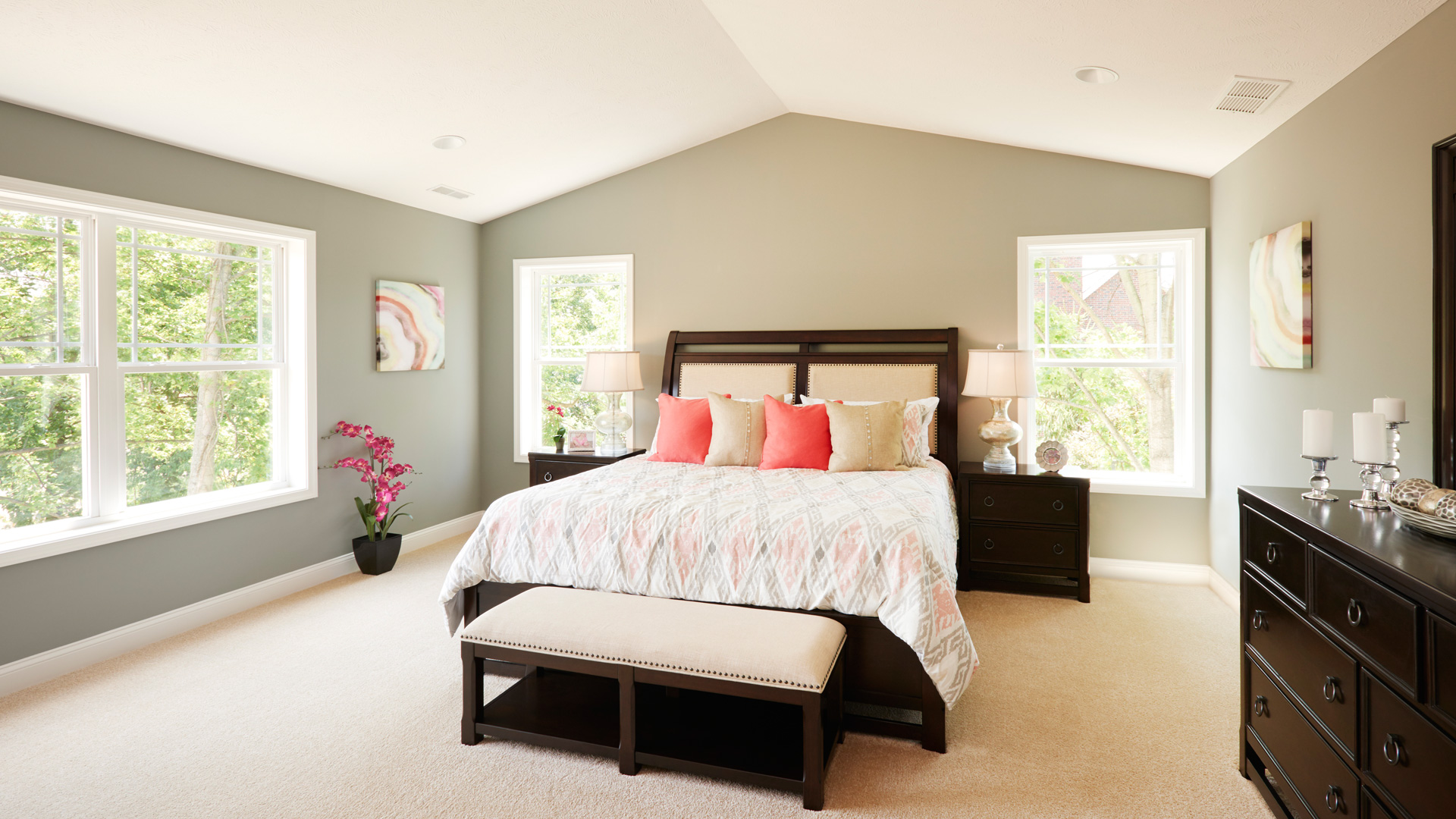
    If you’re wondering how to make a large room feel cozy, you’re not alone. Living in a home with an open floor plan or soaring ceilings often seems like the dream. We imagine airy, expansive spaces perfect for hosting gatherings and enjoying a sense of freedom. But once you’re living in it, that grand room can feel less like a dream and more like a cavernous, cold hall. Sound bounces off the walls, furniture seems to float aimlessly, and it’s hard to feel snug in a space that feels more like a lobby than a living room.

    The great news is that you don’t need to build new walls to solve this. With a few strategic design choices, you can transform your big room into an inviting sanctuary. Discover practical and effective ways to make a large room feel cozy, warm, and inviting.

    Divide and Conquer with Zones

    One of the best strategies for how to make a large room feel cozy is breaking the space into intentional zones. The single biggest mistake in a large room is pushing all the furniture against the walls. This creates a vast, awkward void in the center and makes the space feel disconnected. The solution is to think of your large room as a collection of smaller, functional spaces or “zones.”

    Float Your Furniture to Create a Core

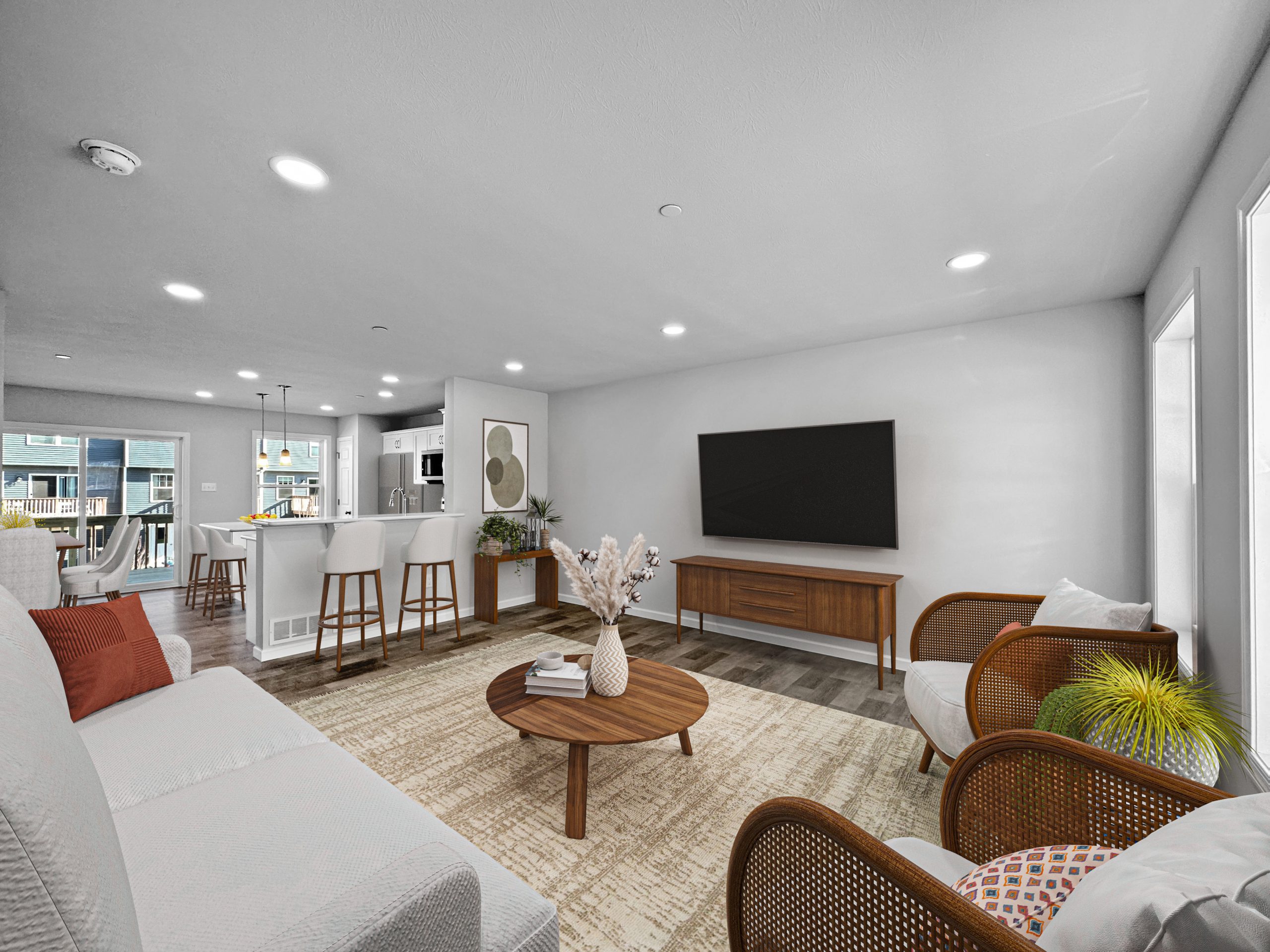
    Floating your seating area is one of the simplest ways to make a large room feel cozy without adding clutter. Start by creating a primary seating area. Pull your sofa and chairs away from the walls and group them closer together. The goal is to arrange the seating so people can have a conversation without raising their voices. A coffee table should be within easy reach of every seat, anchoring the arrangement. This creates a focused center of gravity for the room.

    Designate Secondary Activity Areas

    Once your main conversation hub is set, look at the remaining space and give it a job. By creating different destinations within the larger landscape, you eliminate that “dead space” feeling.

    • Create a Reading Nook: An empty corner is the perfect spot for a solitary retreat. Add a comfortable armchair, a small side table, and a dedicated floor lamp. This turns an overlooked area into a purposeful destination.
    • Establish an Entertainment Zone: If your room is long, you might dedicate one end to watching TV. A console table or a low bookshelf placed behind the sofa can act as a subtle divider, visually separating this zone without blocking sightlines.
    • Add a Game or Work Space: A small round table with a couple of chairs can become a spot for board games or puzzles. You could also place a desk behind your sofa to carve out a home office that feels connected yet distinct.

    Anchor Your Zones with Area Rugs

    If furniture creates the zones, area rugs are what define them. On hard surfaces like wood or tile, furniture can feel like it’s drifting in an ocean of empty floor. Rugs are essential when learning how to make a large room feel cozy because they visually anchor your space.

    Size Is Everything

    When choosing a rug for a large room, think big. A small rug will look like a postage stamp and only emphasize how much empty floor is left. As a rule of thumb, your area rug should be large enough for at least the front legs of all your main furniture pieces to rest on it. This creates a unified and intentional island of comfort.

    Layer for Extra Warmth and Depth

    For an extra dose of coziness, try layering your rugs. Start with a large, neutral base rug made of a natural fiber like jute or sisal. This can cover a significant portion of the floor. Then, place a smaller, softer, and more patterned rug on top, such as a vintage wool or faux fur rug. This adds physical warmth underfoot and a visual depth that makes the space feel more curated and lived-in.

    Lower the Ceiling with Smart Lighting

    High ceilings are a beautiful architectural feature, but they can make a room feel impersonal. Smart lighting plays a major role in how to make a large room feel cozy by lowering the perceived height of the room.

    Forget the “Big Light”

    Relying only on a single overhead fixture or recessed ceiling lights is a fast track to a sterile, cold environment. This top-down lighting casts harsh shadows and emphasizes the vast, empty space above your head.

    Create Pools of Warm Light

    Instead, focus on creating a lower “horizon” of light at eye level. Use a combination of floor lamps and table lamps to create focused pools of warm light where you live and relax. This draws your attention to the inhabited part of the room and lets the high ceilings fade into soft shadows. An oversized chandelier or a large pendant light hung low over your main seating area can also help fill that vertical void and visually connect the ceiling to the furniture below.

    Use Warm-Toned Bulbs

    The color temperature of your lightbulbs makes a massive difference. Avoid cool white or “daylight” bulbs (often 5000K or higher), which can make a room feel like a hospital. Instead, choose “soft white” or “warm white” bulbs (around 2700K to 3000K). This will cast a golden, cozy glow that mimics the feeling of candlelight or a fireplace.

    Soften the Surfaces with Textures and Textiles

    If you want to know how to make a large room feel cozy, start by softening the space with approachable textures and textiles. Hard surfaces like drywall, glass, and bare floors reflect sound, which is why large rooms can have an unpleasant echo. To combat this, you need to introduce soft materials that absorb sound and add physical warmth.

    • Dress Your Windows: Naked windows contribute to a cold feeling. Install floor-to-ceiling curtains in heavy fabrics like velvet, thick linen, or lined cotton. Even when open, the fabric panels will absorb sound and soften the room’s hard edges.
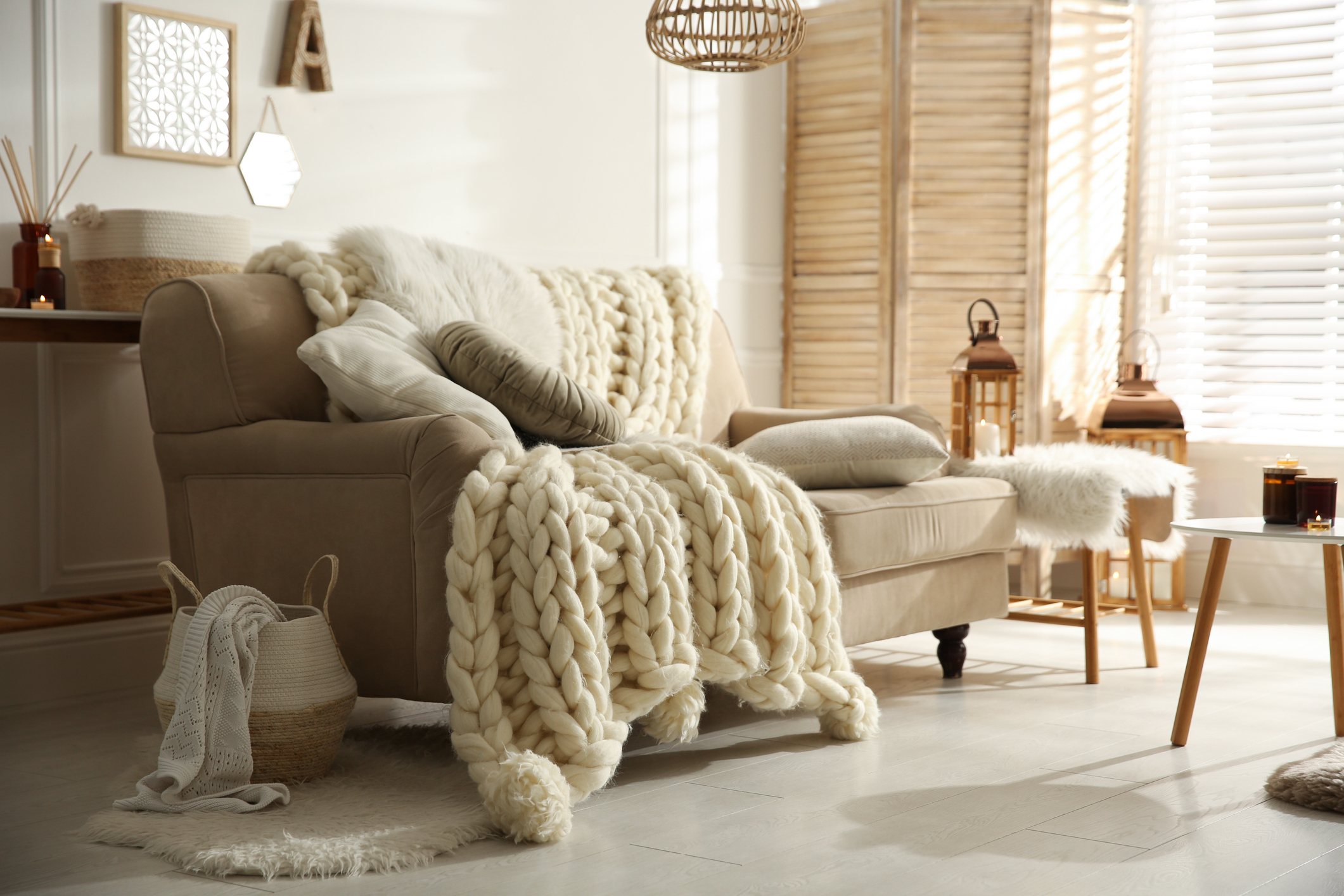
    • Pile on Pillows and Throws: Be generous with your textiles. Load up your sofas with throw pillows in a variety of fabrics—knits, faux fur, and velvet all work well. Drape chunky knit blankets over chairs and keep a basket of extra throws nearby. These items signal comfort to the brain.
    • Choose Upholstered Furniture: Opt for a fabric ottoman instead of a glass coffee table. Choose fabric lampshades over metal ones. The more soft surfaces you introduce, the quieter and cozier the room will become.
    • Bring in Plants: Plants are living texture. Large potted trees, like a Fiddle Leaf Fig or a tall palm, are perfect for filling empty corners and adding organic shapes that soften a boxy room. They bring a life and vibrancy that furniture alone cannot.

    Use Color to Your Advantage

    While white walls are classic, they can feel stark and endless in a massive room with lots of natural light. The right color strategy can make the space feel more enveloping.

    Embrace Darker Hues

    Don’t be afraid of moody colors. Darker paint colors are a surprisingly effective way to make a large room feel cozy and visually intimate. A deep navy, charcoal gray, or warm terracotta can make the walls feel like they are closer to you, creating an instant cocoon-like effect. If painting the whole room feels too bold, try a two-tone effect by painting just the bottom third of the wall a darker color to ground the space.

    Go Big with Art

    Just as a small rug gets lost, tiny picture frames will be swallowed by a large wall. You need art that matches the scale of the room. A massive canvas or a large-scale tapestry can instantly warm up a cold wall. Alternatively, create a gallery wall by grouping several smaller frames together to form a single, large visual unit.

    Simple Changes with Big Impacts

    Making a large space feel cozy is not about filling it with clutter; it’s about strategic layering and intentional choices. With just a few thoughtful changes, you’ll see how easy it is to make a large room feel cozy, warm, and welcoming. Start with one small change: pull your sofa away from the wall this weekend, or swap out your lightbulbs for a warmer tone. You’ll be surprised how quickly the atmosphere shifts from cold and cavernous to comfortable and inviting.

    Ready to find your dream home? Visit SAHomebuilder.com or call 1-855-SAHome1 to explore a wide range of new homes, including quick move-in options. We offer diverse new construction homes across Central and South-Central Pennsylvania. Whether you prefer one of our new home communities or want to build on your own land, we’ll help you find the perfect home to match your vision.
  • 5 Common Home Decorating Mistakes to Avoid (and How to Fix Them)

    5 Common Home Decorating Mistakes to Avoid (and How to Fix Them)

    5 Common Home Decorating Mistakes to Avoid (and How to Fix Them)Decorating your home is more than aesthetics—it shapes how you feel, interact, and live in your space every day. Your decor impacts mood, functionality, and even how guests experience your home. But even with the best intentions, it’s easy to make mistakes that can throw off the look and feel of your space.

    The good news? These common home decorating mistakes are easy to avoid when you know what to look for. If you’ve been looking at a room and thinking, something feels off, this guide is for you. We’ll explore five frequent errors homeowners make and share practical tips to create a home you love living in.

    1. Overcrowding Your Space

    One of the most common mistakes in decorating is overcrowding a room with too much furniture or decor. While it might feel tempting to fill every corner, it can end up making a space feel cramped and chaotic. Balance is key.

    Why Overcrowding is a Problem

    Trying to fit too much furniture and decor into one room can make your space feel claustrophobic and visually overwhelming. Plus, cluttered spaces are harder to clean and less functional overall.

    Strategies for Decluttering and Organizing

    • Adopt a “less is more” mindset: Focus on essential items that add value to the space.
    • Follow the “one in, one out” rule: Introduce a new piece only if you remove an older one.
    • Use smart storage solutions: Opt for furniture with built-in storage, like ottomans or bed frames with under-bed drawers. Create negative space: Not every corner or shelf needs to be adorned.
    • Implement daily decluttering: Allocate 10–15 minutes a day to put items back where they belong.

    2. Poor Lighting Choices

    Lighting is more than just a practical necessity—it’s a powerful design tool that can dramatically enhance or detract from a room’s charm. Yet, many homeowners overlook its importance.

    Why Poor Lighting is a Problem

    Lighting is often an afterthought, yet it’s one of the most important elements in creating a welcoming and functional home. Relying on a single light source, ignoring natural light, and using overly harsh or dim lighting can drastically affect the mood and usability of a room.

    Strategies for Improved Lighting

    • Layer your lighting: Combine ambient lighting (overhead), task lighting (desk lamps, under-cabinet), and accent lighting (wall sconces, table lamps).
    • Use dimmer switches: Install dimmer switches to control the lighting intensity and set the mood for different times of the day.
    • Opt for LED bulbs: They’re energy-efficient and available in various color temperatures to suit your style.
    • Embrace natural light: Opt for sheer curtains and strategically place mirrors to reflect light and enhance brightness.

    3. Ignoring Scale and Proportion

    Scale and proportion are critical elements that can make or break a room’s aesthetics. When items in your space feel too big, too small, or mismatched, the room loses its balance.

    Why Scale is Crucial for Visual Harmony

    A large sofa in a small living room dominates the space, while tiny decor pieces on a massive shelving unit can feel insignificant. Scale creates visual balance, ensuring all elements work harmoniously within the room.

    Tips for Getting Scale Right

    • Measure your room before buying furniture: Choose pieces that fit comfortably without overwhelming the space or leaving it feeling empty.
    • Mix sizes thoughtfully: Combine furniture and decor in varying sizes to create dynamic, balanced spaces. For example, pair a big sectional sofa with a sleek, minimalist coffee table.
    • Mind the ceiling height: Taller ceilings can accommodate taller furniture, while low-profile items work better in smaller rooms.

    4. Neglecting Color Schemes

    Color is one of the most defining aspects of any room—it sets the tone, influences the mood, and ties together all the elements in a space. However, many homeowners make the mistake of rushing into a color scheme without careful consideration.

    How Color Impacts a Room’s Atmosphere

    Colors affect how a room feels: neutral tones (beige, gray, white) create a calm and timeless atmosphere, warm colors (red, orange, yellow) add energy and vibrancy, and cool colors (blue, green, purple) evoke relaxation and serenity.

    Choosing colors that clash with the room’s purpose or other elements can upset the vibe you’re aiming for. For instance, while red might energize a room, it might feel overwhelming in a bedroom meant for relaxation.

    Tips for Selecting a Winning Color Scheme

    • Start with the room’s purpose: Consider how you want to feel in the space. Is it a lively social area, or a private retreat?
    • Pick a primary color and build around it: Use the 60-30-10 rule—60% for the primary color (walls/major furniture), 30% for a secondary color, and 10% for an accent color.
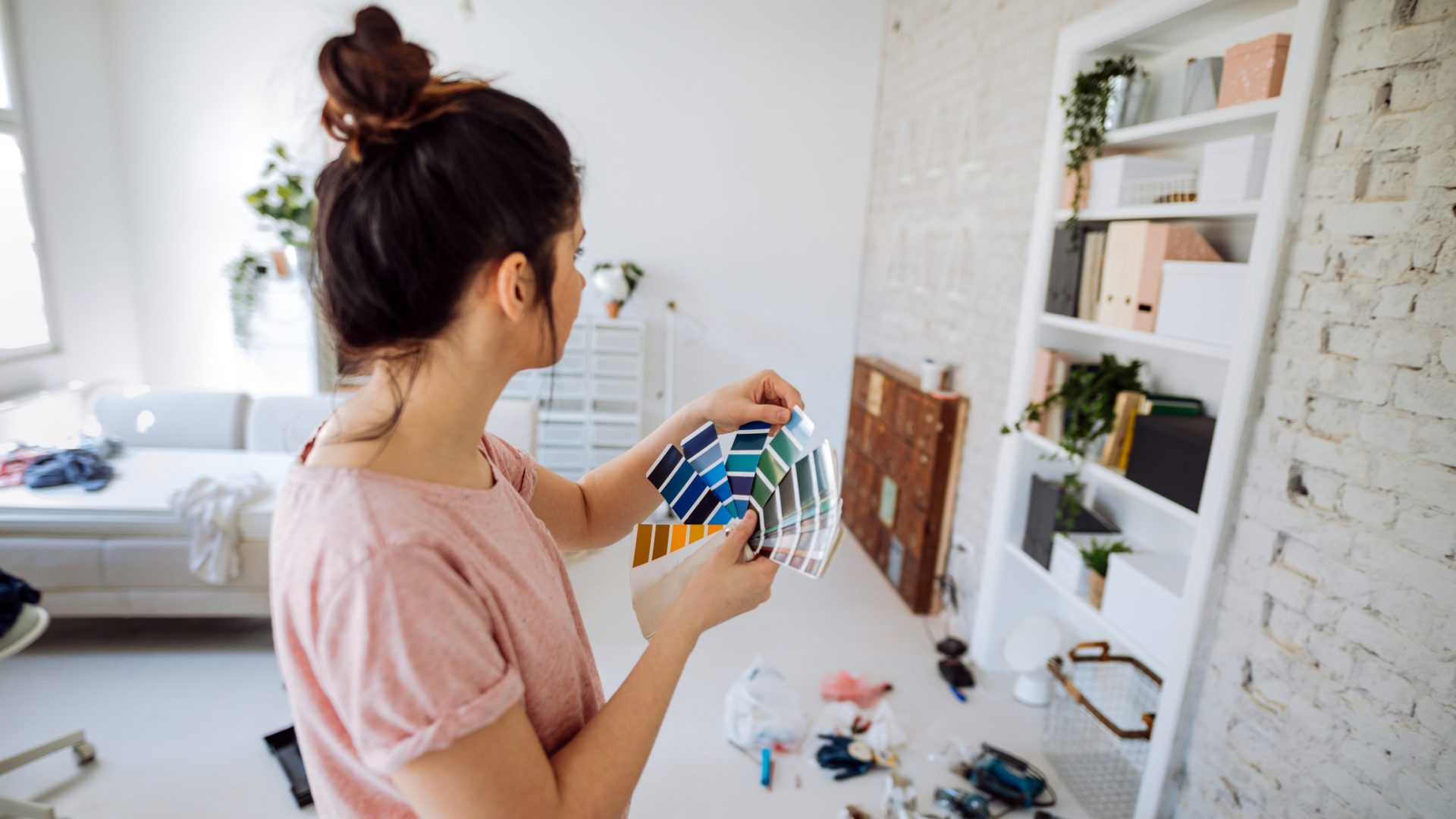
    • Test paint samples: Paint a swatch on the wall and observe how it looks at different times of day under different lighting conditions.

    A cohesive palette will instantly elevate your decor and make the room feel more harmonious.

    5 Common Home Decorating Mistakes to Avoid (and How to Fix Them)5. Lack of Personal Touch

    Your home should reflect your personality, yet many homeowners stick to generic decor that doesn’t feel unique or personal. This can make your space lack warmth or individuality. Your space might never feel like home if it doesn’t reflect your personality. Incorporating personal touches brings warmth and uniqueness to your decor.

    Leveraging Accessories to Transform Spaces

    Accessories are the finishing touch that gives your home personality and character. Pieces like throw pillows, rugs, artwork, and vases can inject color, texture, and personality into a space. They’re what make a house feel like a home.

    Use Accessories to Infuse Personality into Your Home

    • Use personal touches into your design: Display family photos or mementos from travels, or your own artwork.
    • Balance your style with overall design: If you love bold patterns, use them sparingly in accents like a rug, cushions, or curtains while keeping the rest of the space simple and cohesive.
    • Choose decor that tells your story: It could be as simple as a coffee table book on a topic you’re passionate about.

    Create a Home You Love

    Your home should reflect your taste, lifestyle, and personality—but it’s also essential to avoid common decorating missteps that could hinder your decor goals. Great decorating isn’t about filling a room with the most expensive pieces; it’s about making intentional choices that enhance the space and bring you joy. Take it one step at a time, and before you know it, you’ll have a home that feels like it was designed by a pro!

    Build new with S&A Homes

    S&A Homes offers a variety of new home communities and floorplans in the most sought-after locations in Central and South-Central Pennsylvania. To learn more about the available home designs and quick move-in homes, call 1-855-SAHOME1 or visit SAHomeBuilder.com.

  • Inexpensive Ways to Make Your Home Look Expensive

    Inexpensive Ways to Make Your Home Look Expensive

    Inexpensive Ways to Make Your Home Look ExpensiveCreating a luxurious living space doesn’t have to drain your bank account. With a few strategic design choices, you can transform your home into a haven of elegance and style without spending a fortune. The key to achieving a high-end look lies in understanding the basics, incorporating clever design strategies, and tapping into your creativity. Here’s how you can elevate your home decor while keeping your budget intact.

    Understanding the Basics of Home Decor

    The foundation of any great interior design project is a solid understanding of design principles. Consider color schemes, lighting, and furniture arrangement as your starting blocks. Neutral color palettes often evoke a sense of luxury, serving as a perfect backdrop for highlighting other elements. Lighting, both natural and artificial, can dramatically alter the mood and perception of space. Arranging your furniture to maximize flow and functionality is equally important.

    Declutter and Organize

    A cluttered space can make even the most expensive decor look cheap and uninviting. Take the time to declutter your home by getting rid of unnecessary items and organizing your belongings in stylish storage solutions. Keep surfaces clean and minimalist to create a polished and sophisticated look that exudes luxury.

    Incorporate High-Low Design Strategies

    One of the most effective approaches to achieving a luxurious look for less is the high-low design strategy. This involves mixing high-end pieces with more affordable finds. Invest in statement pieces that draw attention, such as a plush sofa or an exquisite dining table, and balance these with budget-friendly accessories and accents. The contrast not only adds interest but also makes your high-end pieces stand out even more.

    DIY Projects and Upcycling

    DIY projects offer a unique opportunity to add personal flair to your home decor. From creating custom wall art to refurbishing an old piece of furniture, your options are limitless. Upcycling, or repurposing items, is not only environmentally friendly but also a budget-conscious way to inject character into your space. Think creatively—turn old jars into chic vases or refresh wooden chairs with a new coat of paint.

    Updating Lighting

    Lighting can have a huge impact on the overall look and feel of a room. By updating old, outdated lighting fixtures with more modern and stylish options, you can instantly elevate the ambiance of your space. Consider adding statement chandeliers or pendant lights to create a luxurious atmosphere without spending a lot of money.

    Natural light is also key in creating an inviting atmosphere so make sure to keep windows clean and unobstructed.

    Inexpensive Ways to Make Your Home Look ExpensiveAccessorizing for Impact

    Metallic accents like gold, silver, or brass can instantly elevate the look of any space and give it a more luxurious feel. Add metallic touches through accessories like vases, picture frames, or candle holders for an elegant and sophisticated vibe. You can also mix different metals for a modern and eclectic look that feels curated and intentional.

    You don’t have to spend a fortune on original artwork to give your home an expensive feel. Look for affordable prints or posters from local artists or online retailers that complement your decor style. Additionally, investing in quality accessories like decorative vases, sculptures, or candles can add sophistication and personality to your space.

    Accessories play a crucial role in tying your room’s aesthetic together. However, it’s not just about what you display but how you display it. Grouping decor items in threes, varying heights, and textures, and incorporating mirrors to reflect light and create depth are all tricks of the trade. Remember, less is often more; choose quality over quantity to avoid clutter.

    Harnessing the Power of Paint and Textiles

    Never underestimate the transformative power of paint and textiles. A fresh coat of paint can breathe new life into a room, and choosing the right color can make all the difference. Painting walls in neutral tones such as white, beige, or grey can help create a sophisticated backdrop for your decor while making the space feel larger and more airy.

    Similarly, textiles—rugs, curtains, throw pillows—add warmth, texture, and layers to a space. Opt for rich fabrics like velvet, silk, or linen that instantly add a touch of luxury to any room. Look for affordable options at discount stores or online retailers that offer designer-inspired pieces at a fraction of the cost.

    Inexpensive Ways to Make Your Home Look ExpensiveCreating the Illusion of Space

    Space is a luxury in itself. You can make a room appear larger and more open with a few design tricks. Utilize light colors, transparent materials, and strategic furniture placement to enhance the sense of space. Mirrors are a great way to add depth and light to a room, making it feel more spacious and upscale. Place large mirrors strategically across from windows to reflect natural light, creating a bright and airy atmosphere.

    Elevating your home decor to reflect a luxurious aesthetic doesn’t require a hefty investment. By mastering the basics of home decor, employing high-low design tactics, tackling DIY projects, accessorizing smartly, leveraging the power of paint and textiles, and maximizing the illusion of space, you can create a stunning living environment that looks much more expensive than it actually is. The essence of luxury is found in the details and the thoughtfulness of your design choices. So go ahead and give these budget-friendly ideas a try to make your home decor look more expensive without breaking the bank!

    Ready to start fresh in a new home? S&A Homes builds new home communities throughout Central and South-Central Pennsylvania. Learn more about new home opportunities, including quick move-in homes and build on your land opportunities, by calling call 1-855-SAHOME1 or visiting us online at SAHomeBuilder.com.

  • How Paint Colors Affect Your Mood

    How Paint Colors Affect Your Mood

    How Paint Colors Affect Your MoodHave you ever walked into a room and felt an immediate sense of calm or excitement? This could be due to the color of the room! Believe it or not, the color of a room can greatly affect our moods and emotions. The psychology behind color is a fascinating topic and can be used to create the desired atmosphere in each room of your home. Let’s explore the fascinating relationship between paint colors and mood, and provide tips for selecting the right colors for each room in your house.

    Understanding How Colors Affect Mood

    Color psychology is the study of how colors affect human emotions and behavior. Each color has its own unique properties that can evoke specific emotions. For example, studies have shown that blue can create a sense of calmness and trust, while red can increase energy and excitement. Yellow can promote happiness and optimism, while green encourages relaxation and balance. That’s why those big consumer brands spend so much time selecting their brand colors! Understanding the psychology behind colors can help you determine what mood you want to create in each room of your home.

    Choosing the Right Colors for Each Room

    When it comes to selecting colors for each room in the house, consider the purpose of the space. You should choose colors that match the activities that occur in those spaces.

    Bedrooms: Bedrooms are for relaxation so light and soft colors such as blue, green, or lavender are ideal for creating a peaceful and tranquil environment.

    How Paint Colors Affect Your MoodKitchens/Dining: The kitchen is the heart of the home, where family and friends gather, so warm colors such as red, yellow, or orange can help to stimulate appetites, conversations and create a cheerful atmosphere. If you want some more neutral, whites, beige, or soft blues are great options.

    Living Rooms:  The living room, for example, is a space where people gather to relax and socialize. A warm and inviting color like beige, warm grays, or light blue can create a welcoming atmosphere. On the other hand, a bright color like orange or red can create a lively and energetic environment.

    Bathrooms:  Soft colors are great for bathooms. They tend to be more relaxing and can flatter your kin tone. Colors like ivory, pale pinks or peach, light blues or greens can create a spa-like atmosphere and encourage relaxation.

    Home Office/Study: Opt for colors that can inspire creativity and productivity. Yellows can help perk you up while shades of blue and green can help you focus.

    Tips for Using Color in Small Spaces

    When selecting paint colors for your home, it is also important to consider the size of the room. While a large room can handle bolder colors, smaller rooms benefit from lighter colors that can create an illusion of space. Choose light colors like pale pink, sky blue, or butter yellow, for a charming and cozy atmosphere. Soft colors can also be used to add dimension or interest to a smaller space. Consider adding some depth to your walls by combining two complementary colors in a single room.

    Experiment With Different Shades

    When selecting paint colors, it’s a wise idea to sample different shades before making a final decision. This way, you can observe how the color appears in different lighting conditions and different areas of the room. Because light affects how our eyes perceive colors, it’s necessary to look at the color under natural daylight and the artificial lighting in your space. Make a judgement based on the color’s effect on your mood before committing to your final selection.

    How Paint Colors Affect Your MoodConsider Your Current Decor

    Also consider the existing decor and furniture in each room when selecting paint colors. You want the paint color to complement and enhance the other pieces in the room, not clash with them. If you have neutral furniture, a bold wall color can add a pop of personality to the room. Alternatively, if you have a lot of patterned or colorful decor, a more neutral wall color can create a calming backdrop for the various patterns and colors.

    Understanding the psychology behind paint color can make it easier to create a canvas that’s in tune with your home’s style and the ambiance you want to achieve. Using the tips we’ve provided, you can choose the right paint color for your spaces that enhance the mood of each room and promote positive feelings.

    New Construction Homes by S&A Homes

    S&A Homes offers a variety of new home communities and floorplans in the most sought-after neighborhoods in Central and South-Central Pennsylvania. Learn more about new home opportunities, including quick move-in homes and build on your land opportunities, by calling call 1-855-SAHome1 or visiting us online at SAHomeBuilder.com.

  • Holiday Decorating When Your Home is for Sale

    Holiday Decorating When Your Home is for Sale

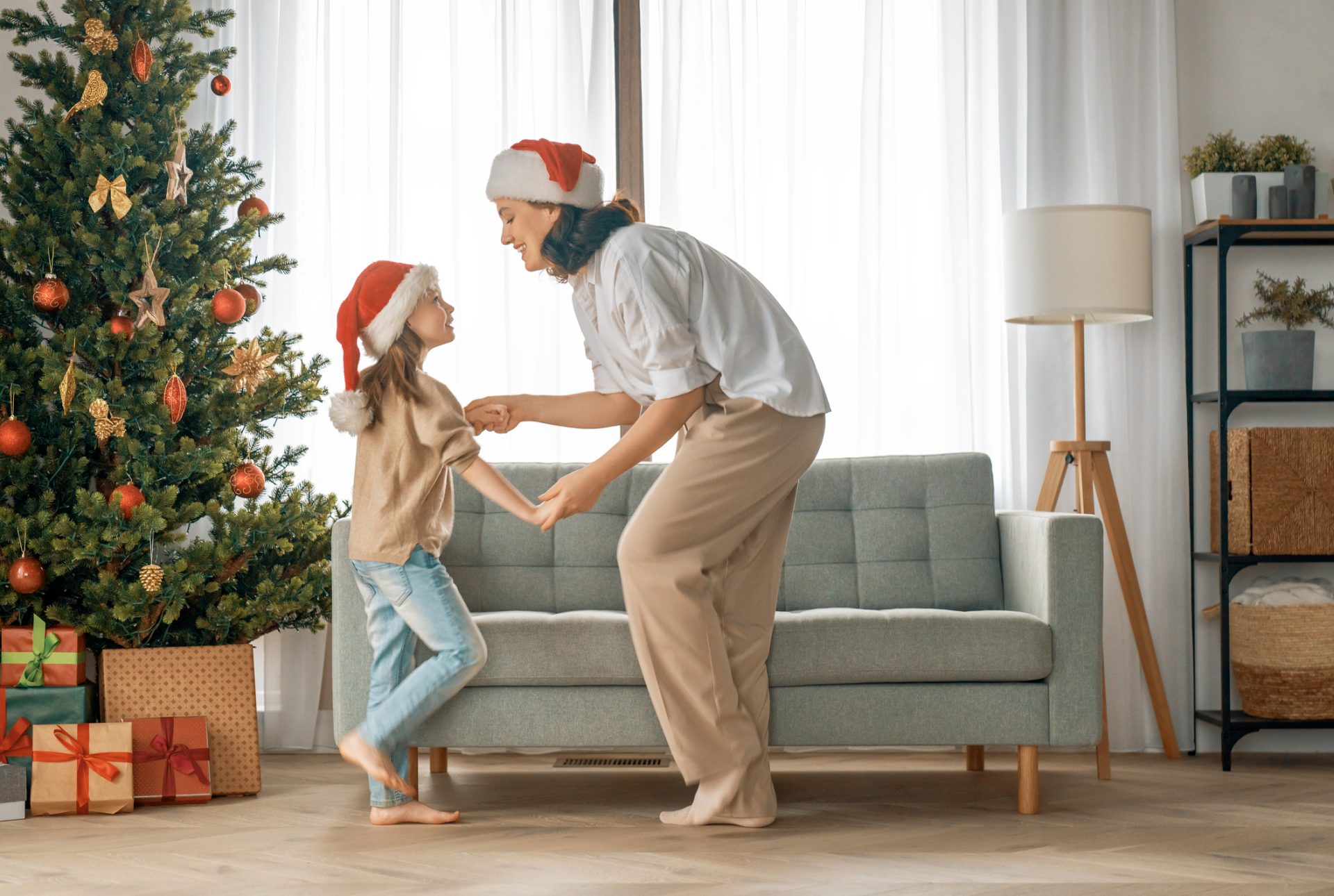
    Holiday Decorating When Your Home’s for SaleThe holiday season is upon us once again, and many homeowners are already busy preparing their homes for the festivities. However, if you’re currently in the process of selling your home, decorating for the holidays can be a bit of a challenge. You don’t want to scare away potential buyers with over-the-top holiday decor, but you also want to create a warm and inviting atmosphere. In fact, with the right ideas and steps, you can create a warm and inviting atmosphere that will impress potential buyers. Here are some of the best tips and tricks for decorating your home for the holidays while it’s on the market.

    Be mindful of the space you have

    The first thing you need to consider is the space available in your home. Adding decorations to a room that’s filled with a lot of furniture might make the space look even smaller. Be mindful of the amount and size of decorations you put up and consider removing some items to avoid overcrowding your home.

    Keep it simple

    When it comes to holiday home staging, less is more. Avoid the temptation to go overboard with decorations so you don’t put off potential buyers. Keep your decorations simple and minimal; stick to classic and timeless décor that will appeal to everyone. Minimal holiday decorations will allow potential buyers to visualize the space as their own and not be overwhelmed by your personal touch.

    Holiday Decorating When Your Home’s for SaleRemove clutter

    Holiday decorating often involves a lot of stuff, but when you are trying to sell your home, the last thing you want is clutter. You want your home to look spacious and clutter-free to prospective buyers. Instead, be strategic with your holiday décor. Only use a few select pieces to create a warm and inviting atmosphere without overcrowding your space with excess decorations. You want potential buyers to focus on the beauty of your home, not the excess clutter.

    Stick to a neutral theme

    While you may celebrate the holidays with religious decorations, it’s best to avoid them when your home is for sale. It’s important to remember that not everyone celebrates the same holidays. Opt for non-denominational decorations that will complement your home’s style and appeal to a wider range of buyers.

    Highlight your home’s best features

    Use your decorations to highlight your home’s best features. If you have an amazing fireplace, highlight it with some simple decorations instead of overwhelming it. Or, if your home has an impressive front door, use a wreath or garland to accentuate it. Focus on highlighting your home’s features rather than drawing attention away from them.

    Don’t forget curb appeal

    Don’t forget about the exterior of your home. Create a warm welcome for potential buyers with festive lights, a wreath or garland, and winter-friendly planters. A little bit of effort can go a long way when it comes to the outside of your home.

    Put away gifts

    There’s nothing like seeing a pile of wrapped presents under the tree. But if you’re selling your home during the holidays, it’s best to keep those to a minimum. You don’t want to risk a gift going missing during showings. If you want to display gifts, consider wrapping a few empty boxes and keeping your real gifts stored safely away.

    Holiday Decorating When Your Home’s for SaleDecorating your home for the holidays while it’s on the market can be a challenge, but it’s not impossible. These tips will help you create a warm and inviting atmosphere that will impress potential buyers without overwhelming them.

    Home for the holidays with S&A Homes

    Ready to start making memories in a new home? S&A Homes offers a diverse selection of home designs to accommodate a variety of home buyers throughout Central and South-Central Pennsylvania. Learn more about new home opportunities from S&A Homes, including quick move-in homes and build on your land opportunities, by calling (855) SAHOME1 or visiting us online at SAHomeBuilder.com.

  • Essential Tips for Creating the Perfect Teen Bedroom

    Essential Tips for Creating the Perfect Teen Bedroom

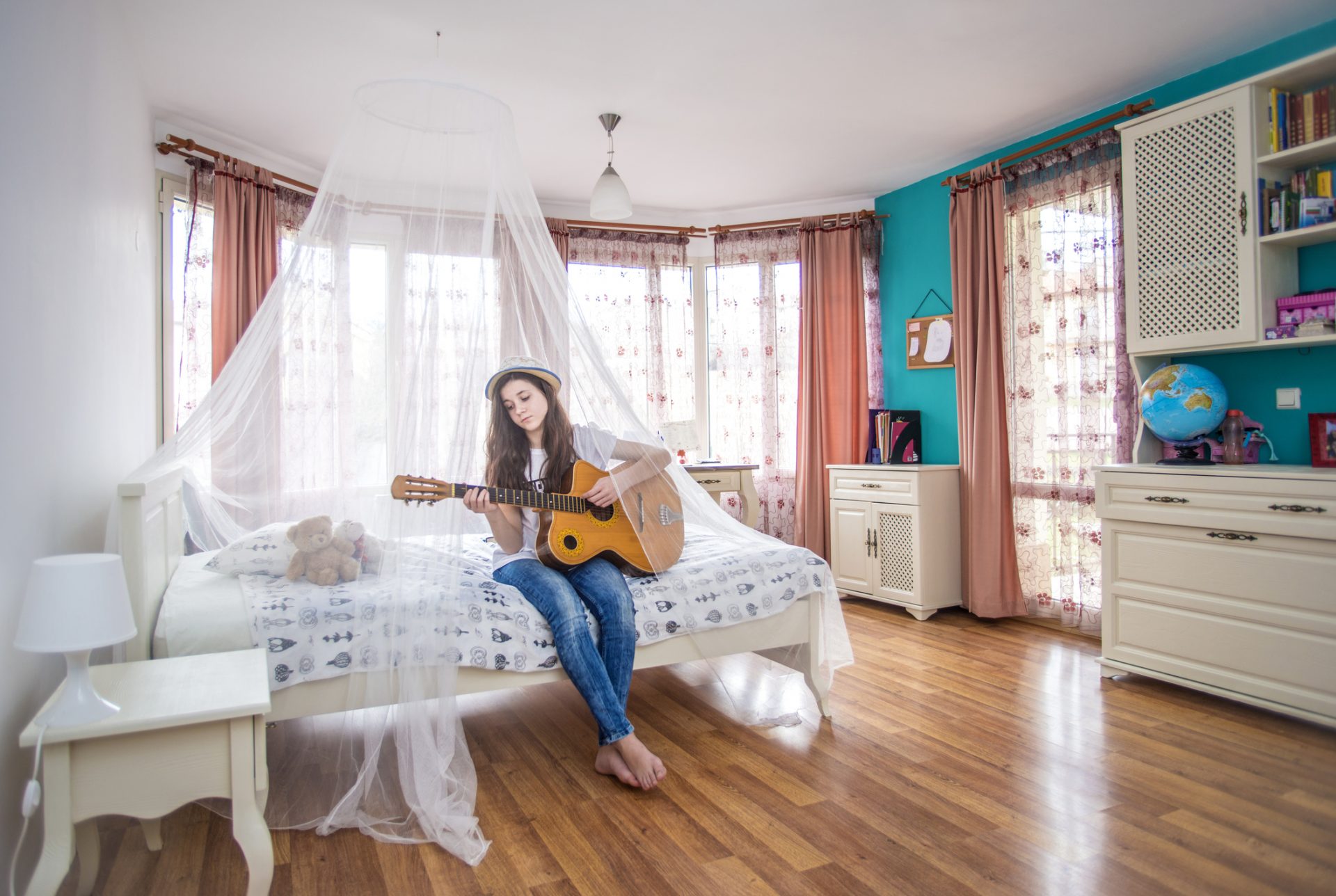
    Essential Tips for Creating the Perfect Teen BedroomIf you have a teenager, then you know how important their bedroom is to them. It is a space where they can relax, hang out with friends, do homework, and express their personality. But creating the perfect teen bedroom is no easy task. You need to find the right balance between function and style while making sure your teen is happy with the end result. Not sure where to start? Here are some useful tips for creating a comfortable and stylish teen bedroom your teen will love.

    Get your teen involved

    The first and most important tip is to involve your teenager in the process. Let them be an active participant in the design process so they feel more invested in their room. Discuss their favorite colors, themes, and styles. Ask what they like and dislike and build the design around their answers.

    Make sure it’s functional

    Your teen’s bedroom serves many purposes so it needs to be both functional and stylish. Create zones or areas where they can study, relax, enjoy hobbies, and hang out with friends. Position furniture in layout that supports the main activities they’ll do there: invest in a comfortable bed and quality desk, and set up some small chairs for conversation or reading – whatever they enjoy doing most.

    Focus on storage and organization

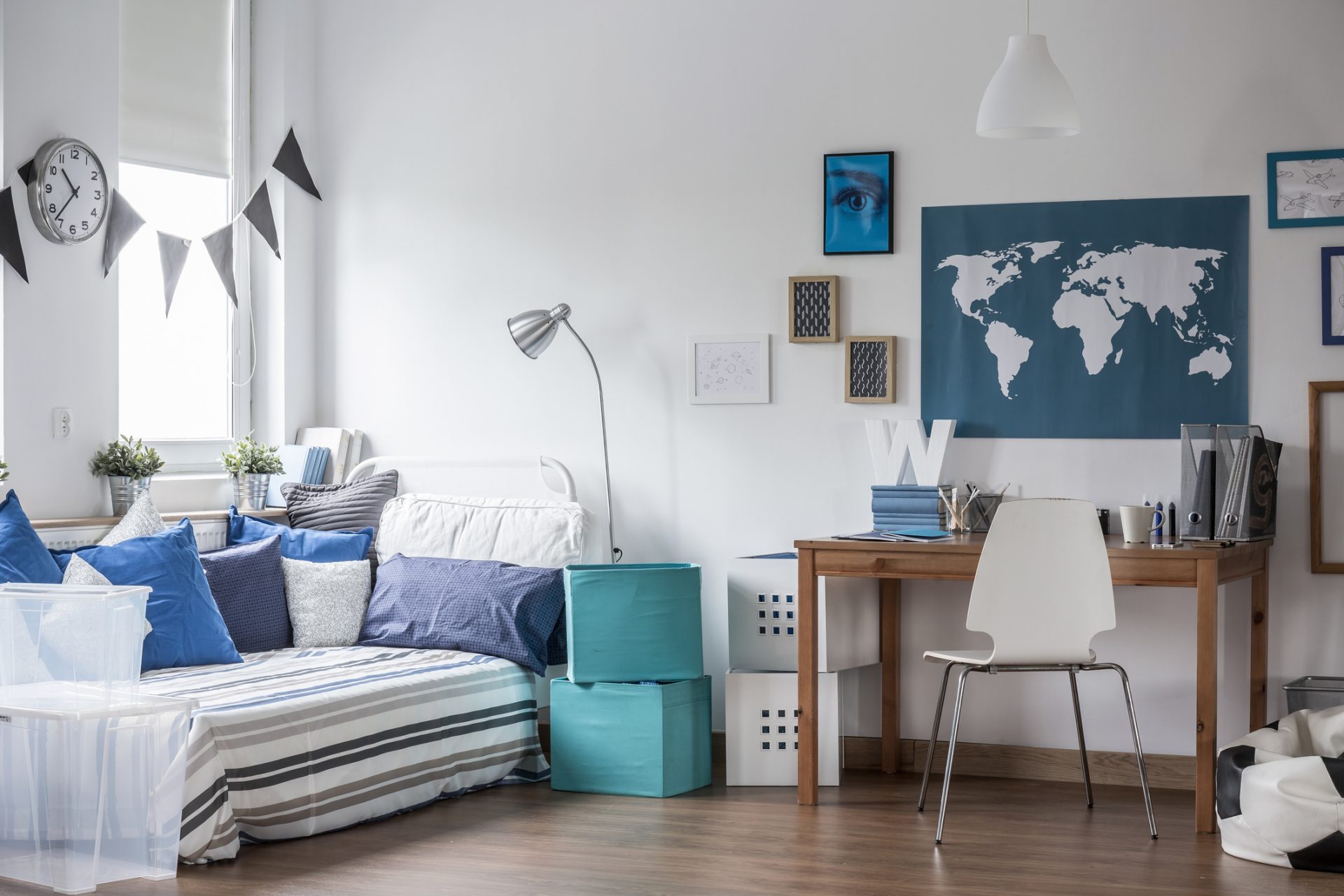
    Horizontal view of designed teenage boy room


    A messy, cluttered bedroom can cause stress and anxiety. It’s important to focus on storage and organization during the design phase. Make sure the room has plenty of storage options like shelves, racks, and drawers to keep everything organized and tidy. A well-organized bedroom can also help your teenager keep track of their belongings, making their life (and yours) easier.

    Choose the right colors

    When it comes to color, let your teen have some input. After all, they are the ones who will be spending the most time in the room. It’s important to create a color palette that is pleasing to your teen, while also being easy on the eyes. Pastels, neutrals, and bright colors all work well in a teenage bedroom. It’s okay to place limits on the range of colors they can choose from; that way you’re not stuck painting the room an unpleasing color. If you do override their preferred color choice, offer alternative ways to work that color into their room in other ways, like accessories or bed linens.

    Add some personal touches

    Your teen’s bedroom should be a reflection of their personality and style. Let your teen express their creativity by decorating the bedroom walls with their favorite posters, photos, and artwork. You can also incorporate trendy decor elements like rugs, and throw pillows, and quirky and unique decor items like neon signs or funky light fixtures.

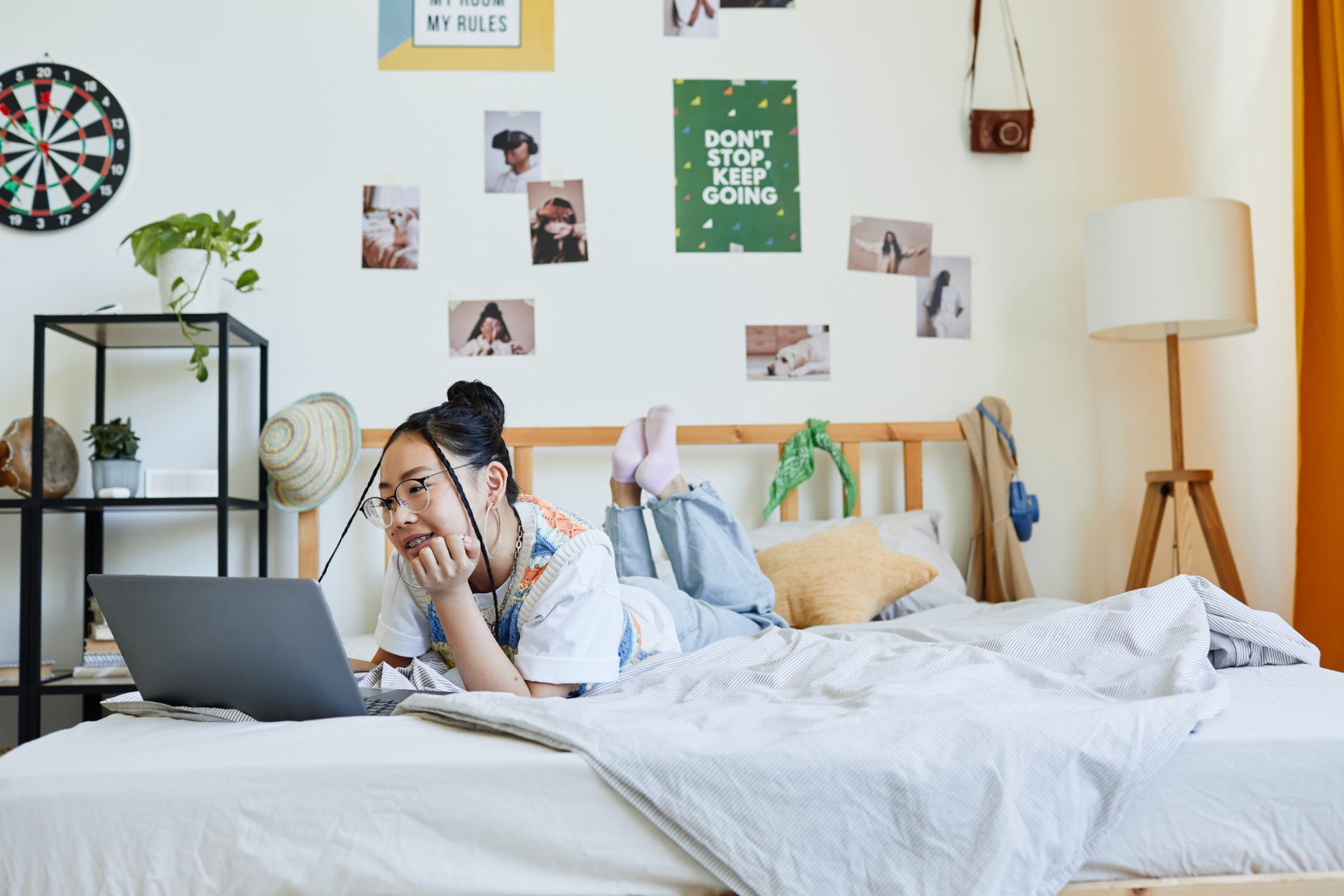
    Portrait of teenage Asian girl using laptop on bed in cozy room interior, copy space

    Take the long-term view

    It’s important to remember that teenagers grow up quickly and their interests change with age. When it comes to designing the perfect teen bedroom, keeping the long-term view in mind is vital. Choose furniture and accessories that are durable and adaptable, and that would work well in a more adult environment. Avoid going overboard with faddish trends and remember to keep it stylish but simple.

    Creating a perfect teen bedroom is all about finding the balance between function and style. By incorporating these tips and tricks, you can create a space that offers comfort, practicality, and style, and can grow with them into adulthood.

    New homes from S&A Homes

    S&A Homes offers a variety of new home communities and floorplans in the most sought-after neighborhoods in Central and South-Central Pennsylvania. Learn more about new home opportunities from S&A Homes, including quick move-in homes and build on your land opportunities, by calling call 1-855-SAHOME1 or visiting us online at SAHomeBuilder.com.

  • How to Create a Multipurpose Space

    How to Create a Multipurpose Space

    How to Create a Multipurpose Space

    Do you have a spare room in your home that you’re not quite sure how to utilize? Maybe it’s become a catch-all for miscellaneous household items or a neglected space that rarely sees any activity. Or perhaps you’re just not sure how to make the most of it. Fear not, because, with a little planning and creativity, you can easily transform that empty room into a functional, multipurpose space that meets all of your needs. Check out these top tips for creating a multipurpose room that works for you.

    Start with a plan

    Before diving headfirst into your project, take the time to create a plan. Create a list of all the potential uses and prioritize them based on their frequency. This will help you determine the most important features and furniture pieces you need to incorporate into the room. Will it be a home office, a workout room, a guest room, or all of the above? Consider the size of the room and how it can be divided to meet your needs.

    Choose versatile furniture

    When shopping for furniture for your new space, opt for versatile items that can serve multiple purposes. For example, a Murphy bed can transform a guest room into a functional office space. A storage ottoman can double as seating and stow away extra linens. And a large sectional sofa can be split into smaller pieces for a more flexible seating arrangement.

    How to Create a Multipurpose Space

    Opt for neutral color palettes

    Unlike specific room designs like a baby’s room or a home theater, multipurpose rooms should have a neutral color palette. Neutral colors like beige, grey, or white allow you to switch things up in the future when you want to change the room’s functionality. Muted colors provide a calm and relaxing atmosphere that works well with many room designs. You can add accent colors to make the space more vibrant, but make sure they complement each other.

    Select the right lighting

    The right lighting can make a big difference in the functionality and comfort of your multipurpose room. Make sure to invest in a variety of lighting options including overhead fixtures, table lamps, and floor lamps. Consider installing dimmers for flexible lighting options that can adjust the mood according to the activity.

    Create zones

    While a multipurpose room has many uses, one of the main ways to keep it organized and functional is by creating zones. This means dividing the room into separate areas based on their purpose, such as a workspace or a sleeping area. Use furniture arrangements, like area rugs to delineate these zones. Creating zones also helps to reduce clutter and keeps the space tidy.

    Don’t skimp on storage

    With a multipurpose room, it’s important to have plenty of storage options to keep everything organized and clutter-free. Consider built-in cabinetry, floating shelves, and storage benches to maximize the space. And don’t forget about creative storage solutions, like hidden storage compartments or under-bed storage boxes. This will make it easy to transform the room into something else when it is time for a change.

    Make it personal

    Your new multipurpose room should reflect your lifestyle and personality. Incorporate décor that you love and that inspires you, from throw pillows and wall art to rugs and curtains. And don’t shy away from adding personal touches, like family photos or mementos from your travels.

    How to Create a Multipurpose SpaceTest drive your space

    Once your new multipurpose room is complete, take the time to test drive it. Live in the space for a few weeks and evaluate how it’s working for you. Do you need additional lighting? More storage? A different seating arrangement? Tweak the details until you find the perfect balance of function and style.

    Creating a multipurpose room can be a daunting task, but with a little planning and effort, it’s possible to create a space that works for you and your family. By following these tips, you’ll be well on your way to creating a functional and stylish multipurpose room that you’ll love spending time in.

    Multipurpose spaces are a great way to customize your home to fit your family’s needs. Do you simply need more room? S&A Homes has several floorplans that offer offers flexible spaces so you can customize it to fit how you live.  Visit us at SAHomebuilder.com or call 1-855-SAHome1 to learn about our new home communities throughout Central and South-Central Pennsylvania.

  • Setting Up a Stress-Free Zone in Your S&A Home

    Setting Up a Stress-Free Zone in Your S&A HomeWith most people still spending so much time at home and the added stress of being around each other more than usual, cabin fever is sure to be setting in by now. Unless previously intended, dining areas are now being used for makeshift home offices, bedrooms are classrooms and living areas are home gyms. (more…)

  • Implementing Modern Color Styling in Your New S&A Home

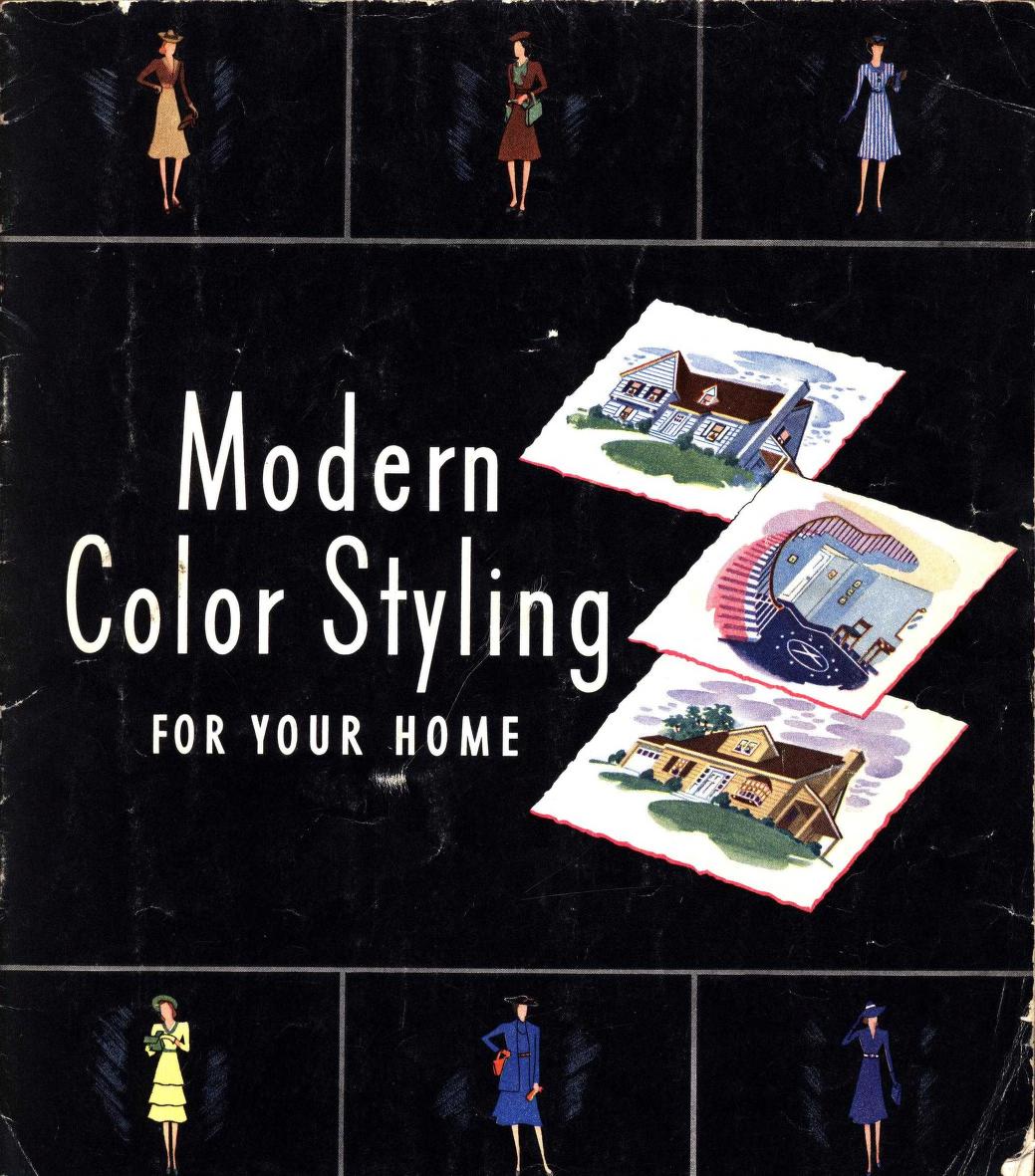
    Implementing Modern Color Styling in Your New S&A HomeTrends come and go, and vintage style is making a comeback when it comes to styling homes! Deemed “modern color styling” when originally published in 1935, an archived Lowes Brothers Paints and Varnishes article highlights many style points that are growing in popularity in today’s homes and color schemes. (more…)