Tag: homebuying tips

  • How to Know You’re Ready to Buy a Home

    How to Know You’re Ready to Buy a Home

    How to Know You're Ready to Buy a HomeBuying a home is a dream for many, but how do you know if it’s the right time to make that leap? For first-time home buyers, gauging readiness can feel overwhelming, but recognizing clear signs that you’re prepared can make the process less intimidating and help you make a sound financial decision. This guide will help you identify the key signs that indicate you’re ready to buy a home. You’ll feel more confident in evaluating your situation and understanding if home ownership is right for you.

    Are You Financially Prepared for Homeownership?

    One of the clearest signs you’re ready to buy a home is financial stability. Owning a home is a long-term commitment, and having your finances in order will make the process smoother and less overwhelming. Here’s what to look for when assessing your financial readiness:

    Stable Income

    A steady source of income is essential for managing a mortgage and the costs of owning a home. If you’ve been in a stable job for at least a few years and can predict a consistent income moving forward, that’s a great indicator that you’re financially ready to buy a home.

    Lenders will also consider your income when determining how much mortgage you can afford. To increase your chances of approval, make sure you can demonstrate job consistency and a strong financial history.

    Debt Management

    You don’t need to be completely debt-free to buy a home but you should be able to comfortably manage any debt— like credit cards, student loans, or car payments, without being overstretched. That’s a strong sign you may be ready for the added expenses of a house.

    Try calculating your debt-to-income (DTI) ratio as lenders commonly use this metric: it’s your total monthly debt payments divided by your gross monthly income. Ideally, your DTI should be below 43% to qualify for a mortgage.

    Savings

    Homeownership isn’t just about affording the down payment (typically 3.5-20% of the home’s price). You’ll also need to prepare for:

    • Closing Costs (2-5% of the home price): Covering appraisals, inspections, and other fees.
    • Emergency Fund: A safety net to cover about three to six months’ worth of expenses in case of unexpected financial challenges.
    • Maintenance Fund: Regular upkeep can quickly add up, so plan an annual budget for repairs and upgrades—industry experts recommend 1-3% of the home’s value for yearly maintenance.

    Use online mortgage calculators to get a realistic estimate of what you can afford before house hunting. Having savings in place signals financial readiness, giving you a cushion for unexpected expenses once you’re a homeowner.

    Are You Emotionally and Mentally Prepared?

    Being financially ready is one thing; aligning your emotions and lifestyle is another. Homeownership requires a mindset shift, and being emotionally and situationally prepared is just as important as having the money to pay for it.

    Are You Committed to Staying in One Place?

    Do you find yourself dreaming of putting down roots? Are you tired of moving every year or negotiating leases? These feelings are strong indicators that you might be ready for a home. Owning a property brings stability and enables you to build a foundation in a community.

    Purchasing a home often makes more sense if you plan to stay in the same location for at least five years—both to justify the upfront costs and to allow your home to appreciate in value. 

    Lifestyle Alignment

    Does homeownership align with your current lifestyle and future goals? For example, if you’re starting a family and need more space or simply desire the freedom to renovate and truly make a home your own, buying a property might fit your needs.

    Alternatively, if you think your career could take you to a new city or country, buying a home might not make sense just yet. It’s crucial to match the home-buying decision with your personal and professional objectives.

    Do You Understand the Current Housing Market?

    Your financial situation might look great, but are market conditions favorable for buying? The housing market often fluctuates, so being aware of its status can help you make a strategic decision.

    Research Market Trends

    National averages don’t always reflect your local market. Research the broader trends but also take a closer look at your chosen area. Questions to ask include:

    • Are home prices rising, falling, or stabilizing in your location?
    • Is it a buyer’s or a seller’s market?
    • Are interest rates increasing or decreasing?

    Understanding these dynamics will help you gauge the best time to buy and what bargains (or compromises) you may need to anticipate.

    Understanding Affordability

    Can you afford the average home in your desired area? Tools like mortgage calculators can estimate the price range you can comfortably afford.

    Interest Rates Matter

    Low mortgage interest rates can save you tens of thousands of dollars over time. Keep an eye on rate trends and consider locking in rates when they’re favorable. This can make buying a home more affordable, even in higher-priced markets.

    How to Know You're Ready to Buy a HomeAre You Prepared for the Responsibilities of Homeownership?

    Owning a home extends far beyond paying your mortgage. The responsibilities that come with it are a vital indicator of whether you’re ready to own.

    Maintenance and Repairs

    Owning a home is an ongoing commitment. Unlike renting, when repairs magically happen (thanks to your landlord), it’s all on you as the homeowner. Here are some responsibilities you’ll need to prepare for:

    • Regular Maintenance: Keeping up with landscaping, HVAC servicing, and minor upgrades.
    • Emergency Repairs: Fixing a leaking roof or a broken furnace at a moment’s notice.
    • DIY vs. Professional Help: Understanding which issues you can handle yourself and when to call in the experts.

    If the prospect of home maintenance excites rather than intimidates you—and you’re willing to trade the convenience of calling a landlord for full control over your property—you’re emotionally ready to own a home.

    Financial Responsibilities

    Along with maintenance, remember that insurance, property taxes, and HOA fees (if applicable) will be non-negotiable parts of your expenses. Ensure these are part of your budget planning so you’re not caught off guard.

    Next Steps to Homeownership

    If you can identify with many of the signs above, congratulations—you may be ready to leap into homeownership! Owning a home is a significant milestone that can build stability, financial equity, and a lasting sense of accomplishment. Take the time to prepare thoughtfully, and you’ll be able to look back on your decision with pride—and maybe a little relief—as you settle into your new space.

    When you’re ready to buy a new home, visit us at SAHomebuilder.com or call 1-855-SAHome1 to learn more about new home opportunities, including quick move-in homes. We offer a diverse selection of new construction homes throughout Central and South-Central Pennsylvania. Whether you buy in one of our new home communities or build on your land, we’re sure you’ll be able to find the home of your dreams. 

  • How Credit Scores Affect Your Mortgage Rate

    How Credit Scores Affect Your Mortgage Rate

    How Credit Scores Affect Your Mortgage RateBuying your first home is an exciting milestone. But before you can unlock the door to your new place, you’ll need to secure a mortgage. Your credit score is a key player in this process, determining how much you’ll pay in interest over the life of your loan. Let’s discuss what a credit score is, how it impacts your mortgage rate, and actionable tips first-time homebuyers can use to improve theirs before applying.

    What You Need to Know About Credit Scores

    At the heart of every financial decision, particularly when buying a home, is your credit score. Think of it as your financial report card. A credit score is a numerical expression based on an analysis of your credit files, representing your creditworthiness. It ranges between 300 and 850, with higher scores indicating better creditworthiness.

    Credit scores are calculated using several factors. Firstly, your payment history accounts for 35% of your score—it reflects your consistency in paying bills on time. Another key component is credit utilization, which makes up 30% of your score and indicates how much of your available credit you’re using. Other factors like the length of your credit history, new credit inquiries, and the mix of credit types also play a role.

    The significance of credit score ranges cannot be overstated. Generally, scores are categorized into five ranges—poor, fair, good, very good, and excellent. These categories directly impact your mortgage rate, influencing how much you’ll pay over the life of your loan. A higher credit score often translates to lower interest rates, saving you thousands of dollars in the long run.

    How Your Credit Score Impacts Mortgage Rates

    Your score plays a crucial role in determining your mortgage interest rate. Essentially, it tells lenders how much risk they’re taking on by lending you money. A high credit score typically results in lower interest rates, while a low score might mean higher rates.

    Consider this example to understand the impact. Suppose a person with an excellent score of 780 gets a mortgage rate of 6.5%, while someone with a fair score of 650 receives a rate of 7.5% on a $400,000 mortgage.

    The first person would have a monthly payment over a 30-year term would be approximately $2,528. Over the life of the loan, they would end up paying about $510,080 in interest alone. Conversely, the second person with the 650 score would face a higher monthly payment of about $2,797. Over the course of their loan, this equates to around $607,153 paid in interest. That’s a significant saving!

    Rates vary depending on the lender and your specific financial situation, but the takeaway is clear—a small increase in your credit score can significantly reduce your monthly payments and the total interest paid over the life of the loan. Understanding this can motivate first-time homebuyers to prioritize improving their scores before applying.

    Practical Tips to Improve Your Credit Score

    Improving your credit score can make a substantial difference in the mortgage rate you secure. Here are some practical tips to help boost your score:

    1. Check Your Credit Report: Mistakes on your credit report, such as incorrect account information or fraudulent charges, can negatively impact your score. Disputing these errors can quickly raise your score.
    2. Pay Your Bills on Time: Payment history accounts for 35% of your credit score, making it vital to pay all bills promptly. Setting up automatic payments or reminders can help you stay on top of due dates.
    3. Reduce Debt: Lowering your overall debt, especially on credit cards, can positively impact your score. Aim to keep your credit utilization (the amount of credit used compared to your credit limit) below 30% of your total credit limit.
    4. Avoid New Credit Applications: Each application for new credit can decrease your score by a few points, so be selective about when and where you apply for new credit accounts.

    Improvements in your credit score can start to reflect within a few months, but it might take longer to see significant changes. Consistency is key, and the earlier you start, the better your chances of securing a favorable mortgage rate.

    How Credit Scores Affect Your Mortgage RateTools and Resources for Tracking and Improving Your Credit Score

    Several tools and resources can help you monitor and improve your credit score:

    1. Credit Monitoring Services: Websites like Credit Karma and Experian offer free credit score monitoring and insights into how to improve your rating.
    2. Financial Advisers: Professionals can offer personalized advice tailored to your specific financial situation, guiding you on the path to improving your credit score.
    3. Educational Resources: Many online platforms provide guides and tips to help you understand and manage your credit effectively.

    Utilizing these resources can empower first-time homebuyers to take control of their credit scores, paving the way for more affordable mortgage options.

    Your credit score is a powerful tool that influences your ability to secure a favorable mortgage rate. For first-time homebuyers, understanding and improving this score is crucial to achieving homeownership with manageable payments.

    Taking proactive steps to enhance your credit score not only helps you secure a better mortgage rate but also sets a strong foundation for future financial success. By following the tips outlined in this guide and utilizing available resources, you can confidently approach the mortgage process with your best foot forward.

    If you’re ready to take the next step towards homeownership, consider seeking assistance from a financial adviser who can offer further guidance tailored to your needs. With the right preparation and knowledge, you’ll be well on your way to securing your dream home at an affordable rate.

    At S&A Homes, we work with a range of lenders and banks to find loan programs that fit your needs. Whether you’re interested in 100% USDA financing, an FHA loan, or a construction loan for your land, we’ve got you covered. We’re here to make your loan application and approval process as smooth as possible!

    We offer several new construction options for first-time buyers. You can build a new home from the ground up with us in one of our many new home communities or on your own land. If you want a new construction home without the wait, check out our quick move-in homes or our Streamline Series of plans. Call 1–855-SAHOME1 or visit www.SAHomeBuilder.com to learn more about our new home communities, floorplans, and more.

  • How to Choose the Right Home Builder

    How to Choose the Right Home Builder

    How to Choose the Right Home BuilderDeciding to build a new home is an exciting adventure, but it can also be overwhelming. Choosing the right homebuilder is one of the most important decisions you’ll make. The builder you choose will be responsible for turning your vision into reality, making it essential to pick someone reliable and skilled.

    With so many options out there, it can be overwhelming to know where to start. From understanding your needs to making the final decision, we’ve got you covered with practical tips and questions to ask along the way.

    Understanding Your Needs

    Before you start looking for a homebuilder, it’s important to understand what you need and want in your new home. This step will help guide your search and ensure you find a builder who meets your expectations.

    Define Your Priorities: Consider what matters most to you in a new home. Do you need multiple bedrooms for a growing family, or are you looking for a cozy space for two? Consider your lifestyle and how the house will fit into it. Make a list of must-haves and nice-to-haves to keep you focused.

    Consider Future Needs: Your needs might change, so try thinking ahead. If you’re planning to expand your family or work from home in the future factor that into your plans. A builder who understands your long-term vision can help create a home that grows with you.

    Budget Constraints: It’s easy to get carried away with dreams of a perfect home, but it’s important to stay realistic about your budget. Determine how much you can afford to spend and stick to it. Having a clear budget will also help you find builders within your price range.

    Here are some of our most asked questions from S&A buyers.

    Researching Potential Homebuilders

    Finding the right homebuilder requires some research. This step will help you create a shortlist of builders that align with your preferences and budget and have a track record of delivering quality homes.

    Online Research: Start by searching online for homebuilders in your area. Look at their websites or portfolios and check if they have any accolades or awards. This will give you an idea of their style, quality of work, and reputation in the industry.

    Local Reviews and Recommendations: Ask friends, family, and colleagues if they have any recommendations. Local real estate agents can also be a valuable source of information. Personal recommendations often provide honest insights that you won’t find online.

    Visit Model Homes and Open Houses: One of the best ways to get a feel for a builder’s work is by visiting model homes they have built. Take note of the quality of craftsmanship, materials used, and overall design aesthetic. Pay attention to details such as finishes, fixtures, and layout to see if it meets your expectations. Don’t be afraid to ask questions about the building process and what customization options are available.

    How to Choose the Right Home BuilderAssessing Homebuilder Portfolios

    Once you’ve narrowed down your list of potential builders, take the time to review their portfolios. This step will help you assess the quality and style of their work.

    Review Past Projects: Look at the builder’s past projects to see if their style matches your vision. Pay attention to the variety of homes they’ve built and whether they can handle different architectural styles.

    Quality of Workmanship: Examine the quality of workmanship in their completed homes. Are the finishes clean and precise? Is there evidence of cutting corners? High-quality builders take pride in their work and pay attention to the smallest details.

    Client Satisfaction: Check for testimonials and reviews from past clients. Were they satisfied with the final product? Did the builder address any issues promptly and professionally? Happy clients are a good indicator of a reliable builder.

    Meeting with Homebuilders

    Meeting with potential homebuilders is a crucial step in the selection process. This is your opportunity to ask questions and gauge whether they’re the right fit for your project.

    Key Questions to Ask:

    Prepare a list of questions to ask during your meetings. Here are some important ones to consider:

    • How many years of experience do you have in homebuilding?
    • What is your estimated timeline for completion?
    • How do you handle changes or modifications during the building process?
    • What steps do you take to ensure quality and safety?

    Communication Style: Pay attention to how the builder communicates. Are they responsive and clear in their answers? Good communication is essential for a smooth building process, so choose someone who listens to your concerns and keeps you informed.

    Understanding Their Process: Ask the builder to walk you through their building process. This will give insight into how they manage projects and handle any challenges that may arise. A transparent builder with a well-defined process is more likely to deliver a successful project.

    Ask about Warranty and Customer Service: A good builder will stand behind their work with a solid warranty and excellent customer service. Inquire about what kind of warranty they offer on their homes and how they handle any issues that may arise after closing. It’s important to feel confident that your builder will be there to address any concerns or repairs promptly.

    Here are some additional qualities to look for when selecting a new home builder.

    Making the Final Decision

    After thorough research and evaluation, it’s time to make the final decision. This step involves weighing all factors and choosing the builder who best meets your needs and expectations.

    Recap the Selection Process: Review all the information you’ve gathered during your research. Consider the builder’s experience, quality of work, communication style, and client feedback. Make a list of pros and cons for each builder to help with your decision.

    Consider value over price: While cost is an important factor when choosing a home builder, it shouldn’t be the only consideration. Consider factors such as quality of work, reputation, experience, and customer service in addition to pricing. Investing in a reputable builder may save you money in the long run by avoiding costly repairs or renovations.

    Trust Your Instincts: While data and research are important, you should trust your instincts. If you feel comfortable and confident with a particular builder, that’s a positive sign. Building a home is a significant investment, so choose someone you trust.

    Choosing the right home builder for your new construction home is one of the most important decisions you’ll make as a new home buyer. Following these tips and asking the right questions improve the chances your home’s construction goes smoothly from start to finish. With the right builder, you’ll be well on your way to creating a home that perfectly fits your vision and lifestyle.

    Ready to start your homebuilding journey? Visit www.SAHomeBuilder.com to learn more about our amazing new home opportunities throughout Central and South-Central Pennsylvania. Whether you choose to build in one of our communities or on your lot, you can be confident in our unwavering commitment to building quality homes.

  • Newlyweds’ Guide to Homebuying

    Newlyweds’ Guide to Homebuying

    Newlyweds’ Guide to HomebuyingAs newlyweds, you may be thinking about taking the next big step in your lives together: buying a home. Your first home is more than just four walls and a roof. It’s the place where you’ll host dinner parties, celebrate holidays, and perhaps even start a family. Choosing the right home sets the foundation for your future. It should be a space that reflects your style, meets your needs, and fits your budget.

    While the idea of purchasing your first home as a married couple is exciting, it can also be a little overwhelming. This ultimate homebuying guide for newlyweds will provide you with valuable tips and advice to help you navigate the real estate market and find the perfect home for your new life together.

    Financial Preparation

    Budgeting for Your First Home

    Before you start looking at homes, it’s crucial to determine how much you can afford. Start by creating a detailed budget that includes your combined income, current expenses, existing debt, and any potential changes in your financial situation. It’s essential to be realistic about what you can comfortably afford without overextending yourself financially. It’s also important to check your credit scores and work on improving it if necessary, as they play a significant role in determining your eligibility for a mortgage.

    You can use online mortgage calculators to get an estimate of what your monthly mortgage payments might look like based on different loan amounts and interest rates. Remember to account for additional costs like property taxes, insurance, and maintenance.

    Mortgage Options for First-Time Buyers

    There are various mortgage options available for first-time homebuyers. It’s worth researching and understanding which ones may be suitable for your situation. Different lenders offer varying terms and rates, so don’t settle for the first offer you receive. Compare loan options from different banks or mortgage brokers to find one that fits your financial goals and budget.

    Getting pre-approved for a mortgage is a smart move. It not only helps you understand how much you can borrow but also makes you a more attractive buyer to sellers. Shop around for different lenders to find the best rates and terms that suit your needs. To get pre-approved, gather necessary financial documents such as pay stubs, tax returns, bank statements, etc., and submit them to a lender for review.

    Newlyweds’ Guide to HomebuyingHome Search

    Identifying the Right Neighborhood

    Choosing the right neighborhood is just as important as selecting the right home. Consider factors like proximity to work, schools, and amenities. Visit neighborhoods at different times of the day to get a feel for the area.

    Online tools and apps can provide valuable insights into neighborhood statistics and trends. Look for information on property values, and community activities. Don’t hesitate to talk to potential neighbors and ask about their experiences living in the area.

    Create a List of Must-Haves

    Communication is key when buying a home together. Be open and honest with each other about your must-haves versus nice-to-haves in a property. Compromise is inevitable during this process, so be prepared to prioritize what matters most to both of you when deciding about potential homes. Make a list of must-have features such as the number of bedrooms and bathrooms, location, school districts, and any other amenities that are important to you both. This is an investment in your future as a couple, so take the time to discuss your long-term goals and aspirations for homeownership.

    Making the Most of Home Viewings

    When you start touring homes, it’s easy to get swept away by beautiful staging and decor. Focus on the essentials like the layout, structural integrity, and potential for future improvements. Take notes and photos to help you remember each property.

    Newlyweds’ Guide to HomebuyingClosing the Deal

    Navigating the Closing Process

    The closing process involves finalizing your mortgage and signing numerous documents.

    Review all closing documents carefully, and don’t hesitate to ask for clarification on any terms or fees. The closing costs typically include loan origination fees, title insurance, and escrow deposits. Make sure you understand each cost and its purpose.

    Take Your Time

    Buying a home is one of the biggest financial decisions you’ll make, so don’t rush into it. Take your time exploring different neighborhoods, attending open houses, and asking questions. Remember that finding the perfect home may take some time, but it will be worth it when you find the home that feels just right for both of you.

    Buying a home as newlyweds is an exciting milestone that requires careful planning and consideration. By following this guide, you’ll be able to successfully navigate the market and find the perfect place to call home.

    Ready to start your homebuying journey? S&A Homes offers a variety of new home communities and floorplans in the most sought-after locations in Central and South-Central Pennsylvania. We can also build your dream home on your land! For more details, visit www.sahomebuilder.com or call 1-855-SAHOME1.

  • When is the Best Time to Buy a New Home?

    When is the Best Time to Buy a New Home?

    When is the Best Time to Buy a New Home? Young happy couple and an agent in a new propertyBuying a home is one of the biggest decisions you will make in your lifetime. It’s not just about finding the right property, but also about timing your purchase correctly. Many factors come into play when deciding when to buy a house, from market conditions to personal circumstances. Each season offers unique advantages and challenges. Let’s explore the different reasons to buy in specific seasons and how they can impact your home-buying experience.

    The Influence of Seasons on Real Estate

    Understanding how seasons affect the real estate market can give you an edge in your home-buying journey. From inventory levels to market competition, each season brings its own set of conditions that can influence your decision-making process.

    Spring: The Season of Renewal in Real Estate

    Spring is synonymous with new beginnings, and is one of the most popular times for home sales. That’s why it’s commonly known as the “home-buying season.” The market is bustling with buyers entering the market after hibernating during the winter months. This can create a competitive environment for buyers, but it also means more inventory to choose from. Another benefit of buying in spring is warmer weather and longer days, making it easier to view properties and attend open houses.

    Summer: Ideal for Families and Settling In

    Summer is a popular time for families to buy a home. It’s easier to move and settle into a new neighborhood before the new school year begins. Homes often look their best in summer, with blooming gardens and well-maintained lawns adding to curb appeal. This increased demand can drive prices up, but it also means more options for buyers as sellers try to attract

    Fall: A Season of Opportunity

    Fall can be an excellent time for first-time buyers and those looking for a good deal. The market starts to cool after the busy summer months, leading to less competition and potentially lower prices. Sellers who have had their homes on the market all summer may also be more motivated to negotiate on price. Inventory may start to decrease as winter approaches, so act fast if you find a home you love. Another bonus: the cooler temperatures make it comfortable for house hunting and moving.

    Winter: Bargains and Less Competition

    Winter is often considered the off-season in real estate, but it can be a hidden gem for savvy buyers. While fewer options may be available, buyers willing to brave the winter months can take advantage of less competition and potentially lower prices from sellers eager to make a deal. Lenders may also be less busy during this time of year, which could speed up the mortgage approval process. If you’re considering a new construction home, some builders also offer year-end incentives to entice buyers.

    When is the Best Time to Buy a New Home? Ecstatic couple holding keys to new homeThe Best Time to Buy Depends on You

    While each season offers distinct advantages, the best time to buy ultimately depends on your personal situation and readiness. Take into account factors such as your financial stability, job security, and long-term goals before making a decision. If you’re not ready yet but are considering buying in the future, use this time wisely by saving money for down payment or improving your credit score. If you’re looking for more homebuyer information, we have an entire collection of homebuying tips on our blog.

    If you’re ready to take the next step in your home-buying journey, we hope you’ll consider S&A Homes. We offer a diverse selection of new construction homes throughout Central and South-Central Pennsylvania. Whether you buy in one of our new home communities or build on your land, we’re sure you’ll be able to find the home of your dreams.

    Visit us online at SAHomeBuilder.com or call 1-855-SAHome1 to learn more about new home opportunities, including quick move-in homes.

  • Prequalification vs. Preapproval: What’s the Difference?

    Prequalification vs. Preapproval: What’s the Difference?

    For first-time homebuyers or even seasoned buyers, navigating the world of mortgages can be overwhelming. One of the key steps in the homebuying process is getting prequalified or preapproved for a mortgage. While these terms may sound similar, they actually have distinct differences that can impact your home buying journey. We’ll explain the differences between prequalification vs. preapproval so you can better understand what each entails and how they can benefit you on your path to homeownership.

    What is prequalification?

    In essence, mortgage prequalification is a preliminary assessment to determine how much home you can afford. This stage typically involves providing a lender with an overview of your financial history, including income, assets, debt, and expenses. The lender uses this information to give you an estimated mortgage amount you might be able to receive.

    The process of prequalification

    Prequalification requires minimal documentation unlike the more rigorous preapproval process. It can often be done online or over the phone. It’s a quick and relatively easy way to gain insight into your potential buying power, without the lender pulling your credit report or scrutinizing your financial details.

    Is prequalification worthwhile?

    Prequalification is beneficial for setting initial expectations and guiding your home search. It provides a ballpark figure for affordability. It’s important to remember that it isn’t a guarantee or commitment from the lender. The estimated mortgage you receive is only as accurate as the information you provided. Any adjustments to your finances or the property you intend to purchase can alter this figure significantly.

    Key criteria for prequalification

    The key criteria for prequalification focus on your creditworthiness and financial health. Here are the elements that typically come into play:

    • Credit score
    • Debt-to-income ratio
    • Down payment amount
    • Employment history

    Prequalified vs. Preapproved: What's the Difference?Understanding the preapproval process

    Preapproval is the next step in the mortgage application process and is significantly more detailed than prequalification. It requires more paperwork and a thorough review of your finances by the lender.

    Benefits of preapproval

    One of the primary advantages of preapproval is that it signals to sellers that you are a committed and capable buyer. It helps set you apart in a competitive market. Since many of the necessary steps have already been completed, closing may be quicker and smoother. Preapproval also provides a more precise mortgage amount to guide your house-hunting efforts.

    Limitations of preapproval

    While preapproval is more stringent than prequalification, it is still not a guarantee of a loan. The lender may need to verify the information you provide and take a closer look at your financial situation before extending actual mortgage approval.

    Criteria for preapproval

    Preapproval criteria may include those assessed for prequalification, as well as more extensive documentation such as:

    • W-2s
    • Bank statements
    • Tax returns
    • Additional assets

    Comparing prequalification vs. preapproval

    The main difference between prequalification and preapproval lies in their level of scrutiny and reliability. Prequalification is more of an estimate based on self-reported information without verification from the lender. On the other hand, preapproval involves a more thorough review of your finances by the lender.

    Another key difference is that preapproval carries more weight in terms of making offers on homes. Sellers are more likely to consider offers from buyers who are already preapproved for a mortgage since it shows that they have gone through a rigorous screening process.

    Choosing between prequalification and preapproval

    When it comes to choosing between prequalification and preapproval, it’s important to consider your individual circumstances. Prequalification may be enough if you are just starting out in your home search and want to get an idea of what you can afford. However, if you are ready to make an offer on a home or want to stand out in a competitive market, getting preapproved may give you an edge.

    It’s also worth noting that while both prequalification and preapproval can give you an estimate of how much you can borrow, neither guarantees final approval for a mortgage. Once you have found a home and made an offer, the lender will conduct additional checks before issuing final approval for the loan. These checks may include verifying employment status, appraising the property value, and conducting further underwriting reviews.

    Prequalified vs. Preapproved: What's the Difference?Understanding the difference between prequalification vs. preapproval for a mortgage is crucial in ensuring that you are well-equipped to navigate the homebuying process successfully. While both processes involve assessing your financial situation to determine how much you can borrow, they differ in terms of depth and commitment from both parties involved. By taking the time to get either prequalified or preapproved before house hunting, you can streamline your search process and show sellers that you are serious about purchasing their property. So whether you opt for prequalification or go all-in with preapproval, knowing where you stand financially will ultimately help make your homebuying experience smoother and more efficient.

    Partner with S&A Homes on your new home

    When it comes to financing your home, there is no such thing as a one-size-fits-all solution. That is why S&A Homes is committed to making your home-buying process as simple and worry-free as possible. We partner with a variety of lenders and banks to ensure we can offer loan programs that are tailored to each purchaser’s needs. Learn more about our financing solutions.

    S&A Homes. We offer a diverse selection of home designs to accommodate a variety of home buyers throughout Central and South-Central Pennsylvania. Learn more about new home opportunities, including quick move-in homes and build on your land opportunities, by calling call 1-855-SAHOME1 or visiting us online at SAHomeBuilder.com.

  • How to Make House Hunting Easier

    How to Make House Hunting Easier

    How to Make House Hunting EasierHouse hunting is an exciting, yet overwhelming experience, especially if you’re a first-time homebuyer. It requires a lot of time, effort, and patience. But with the right approach and mindset, you can make the process easier and more manageable. We’ll explore some tips and tricks that will help you navigate the home buying journey with ease.

    Determine your budget

    Before you start looking for houses, it’s important to determine your budget. This will help you narrow down your search, save time in the long run, and avoid falling in love with a home out or your price range. You should consider how much you are willing to spend on a house, including mortgage payments, property taxes, insurance, and maintenance costs. You can use online calculators or get pre-approved for a mortgage. A mortgage preappoval gives you an idea of what your budget and shows sellers that you’re a serious buyer and can give you an edge over other potential buyers. Here are some other reasons to consider getting a mortgage preappoval.

    Create a wish list

    Before you start browsing through homes, take some time to determine the must-have and nice-to-have features in your new home. Consider things like location, number of bedrooms and bathrooms, square footage, yard size, and proximity to schools or public transportation. This will help you stay focused on what’s important to you and avoid getting distracted by properties that don’t meet your criteria.

    How to Make House Hunting EasierWork with a real estate agent

    A good real estate agent can make all the difference when it comes to finding your dream home. They have access to multiple listings that may not be available online and can negotiate on your behalf during the buying process. Choose an agent who has experience in the area where you want to buy and has experience working with buyers in your price range.

    Use online resources

    There are plenty of online resources that can make house hunting easier. Websites like Zillow or Realtor.com allow you to browse properties from the comfort of your own home and filter results based on your preferences. You can also use these sites to research neighborhoods, view photos of homes, and compare prices.

    Take notes and pictures

    Take detailed notes during each showing so you remember what stood out (positive or negative) about each property. Taking pictures or videos of the house can also be helpful when you reference your notes later.

    Schedule showings strategically

    Don’t waste time viewing properties that won’t work for you; schedule showings strategically by grouping houses that meet similar criteria on the same day or weekend so that you can compare them side-by-side while everything is fresh in your mind.

    How to Make House Hunting EasierBe patient

    House hunting can be a long process and it’s important to be patient. It might take several months to find your dream home. Don’t get discouraged if you don’t find the perfect property right away. Remember that this is an investment that will impact your life for many years to come, so it’s okay to take your time and make sure you’re making the right decision.

    Finding your new home doesn’t have to be intimidating or overwhelming. With these tips, you can make the process easier and more enjoyable. By following these steps, you’ll be well on your way to finding the perfect home for you and your family.

    New construction homes by S&A Homes

    S&A Homes offers a variety of new home communities and floorplans in the most sought-after locations in Central and South-Central Pennsylvania. We can also build your dream home on your land! For more details, visit www.sahomebuilder.com or call 1-855-SAHOME1.

  • Prepare Now to Buy Later

    Prepare Now to Buy Later

    Prepare Now to Buy LaterBuying a home is one of the biggest and most important decisions you’ll ever make. It signifies a new chapter in your life and is a major milestone. However, it’s not a decision that should be taken lightly. It requires a lot of preparation to make sure everything goes smoothly.

    Whether you’re a first-time homebuyer or a seasoned pro, there are several things you need to consider before starting your search. If you’re planning to buy a new home in the next year, here are some things to do to prepare to be ready to buy.

    Take stock of your finances

    Before you begin searching for your dream home, it is important to know exactly where you stand financially. This means checking your credit score, assessing your debt-to-income ratio, and reviewing your budget. Your credit score plays an important role in whether you’ll be approved for a mortgage and what interest rate you’ll be offered. The better your score, the more likely you are to get approved and receive favorable terms. Take the time to review your credit report and identify any errors or areas that need improvement.

    Save for a down payment

    A sizable down payment can help you secure a better mortgage interest rate and lower monthly payments. Start saving as early as possible to ensure you have enough money saved for a down payment. Consider setting up a separate savings account specifically for your down payment, so you’re not tempted to spend the money on other things.

    Prepare Now to Buy LaterStart researching neighborhoods

    Knowing the local real estate market is essential when buying a new home. Spend some time researching the neighborhoods you’re interested in and tracking the prices of similar homes to get a sense of what is a fair price. You can do this by browsing online real estate listings, attending open houses, and talking to local real estate agents. This will help you to understand the market trends and how they may impact your home-buying experience.

    Determine your must-haves

    While it’s important to keep an open mind when looking for your dream home, it’s equally important to determine your deal-breakers. This can help you avoid making a decision that you’ll regret later on. Consider what you need to have in a home, such as square footage, number of bedrooms, or outdoor space, and what you would like to have.

    Get pre-approved for a mortgage

    Getting pre-approved for a mortgage before you start house hunting can save you time and money in the long run. It can also make your offer more attractive to sellers as it demonstrates that you are a serious buyer. Contact your bank or a mortgage lender to get pre-approved to get a clear understanding of what you can afford. You may also want to consider getting prequalified, which is a simpler process that can give you a general idea of what you can afford.

    Build up your emergency fund

    Owning a home comes with many unexpected expenses, from repairs to sudden job loss. Building up an emergency fund can help you weather these unexpected costs without putting you in financial jeopardy. Aim to save at least three to six months’ worth of living expenses as a cushion.

    Prepare Now to Buy LaterStart house hunting

    Finally, it’s time to start house hunting. Armed with your pre-approval and knowledge of the local market, you can start touring homes and attending open houses. Don’t feel like you have to rush into making an offer. Take your time and find a home that meets your needs and is within your budget.

    Buying a new home is an exciting and significant milestone in your life, but requires preparation. By preparing ahead of your home search, you’ll be in a much stronger position for a home purchase in the next year.

    New homes for sale by S&A Homes

    S&A Homes offers a diverse selection of home designs to accommodate a variety of home buyers throughout Central and South-Central Pennsylvania. When you’re ready to buy your new home, we hope you’ll consider S&A Homes.

    Learn more about new home opportunities from S&A Homes, including quick move-in homes and build on your land opportunities, by calling call (855) SAHOME1 or visiting us online at SAHomeBuilder.com.

  • Saving for a House During the Holidays

    Saving for a House During the Holidays

    We'll share some tips that can help you save money during the holiday season and stay on track toward your home-buying goals.It’s the most wonderful (and expensive) time of the year— the holiday season. This season is often associated with spending money, from buying gifts to traveling to see loved ones. However, if you’re currently saving up for a new house, it can be challenging to balance your holiday expenses with your financial goals.

    Thankfully, with a bit of planning and discipline, it’s possible to enjoy the holidays while still saving for your dream home. We’ll share some tips that can help you save money during the holiday season and stay on track toward your home-buying goals.

    Discuss your plans with others

    Let your family and friends in on your plan for saving for a house during the holidays. Explain that going all-out this holiday season might not be feasible because you’re prioritizing your home-buying goals. Instead, suggest different ways to celebrate that won’t break the bank. Your loved ones will understand and support your decision. Be prepared to give them a gentle reminder of your goals if they stray from your plans.

    Create a realistic budget

    The first step in saving money during the holidays is to set a budget for your holiday spending. List all the things you need to purchase, e.g. gifts, decorations, and food. Then assign a specific dollar amount to each category. Be realistic about what you can afford and avoid overspending. This is one of the most effective ways to keep track of your spending and avoid making unnecessary purchases.

    Earn extra cash

    Consider taking on a part-time job or freelance work during the holiday season. Many employers offer seasonal work during this time, and it’s an excellent opportunity to earn extra cash. Alternatively, you can sell items you no longer need, such as clothing, electronics, or furniture, and use the proceeds to save for your new home.

    We'll share some tips that can help you save money during the holiday season and stay on track toward your home-buying goals.Maximize your savings

    The holiday season is a great time to find deals and discounts on gifts and decorations. Take the time to research prices and compare them across different retailers. Look for sales, coupons, and promo codes that can help you save money. Shopping online can also be a great way to find deals and avoid the crowds at the mall. You can also use a cashback app or credit card that offers rewards for purchases to save extra cash.

    Downsize your holiday celebration

    The holiday season is filled with parties and gatherings. They can be expensive whether you’re hosting or attending as a guest. If you’re usually a host, consider hosting a smaller, more intimate gathering with your closest friends and family. If your social calendar fills up, consider limiting the number of parties you attend. This way, you can enjoy the holiday spirit without breaking the bank.

    Choose inexpensive gift options

    Another way to save money is to choose less expensive gift options. Homemade gifts, sentimental items, or even a thoughtful card can make the perfect gift. You can also consider doing a Secret Santa or drawing names to buy gifts for one person instead of everyone in a group.

    We'll share some tips that can help you save money during the holiday season and stay on track toward your home-buying goals.Stay motivated

    Saving money during the holiday season may seem daunting, but remember that every little bit counts. It’s still important to set aside funds for your down payment, closing costs, and other home-buying expenses. Set aside a certain amount of money each week or month for your down payment, and avoid using that money for anything else. If you’re struggling to save money, consider making adjustments to your budget or finding ways to increase your income. The holiday season is only temporary but your dream of homeownership is a long-term goal.

    Saving for a house during the holiday season doesn’t have to be daunting or discouraging. By following these tips, you can still enjoy the season while also staying on track for achieving your financial goals. Remember, every little bit of savings counts, and staying disciplined can pay off big in the end when you’re ready to purchase your dream home.

    New homes by S&A Homes

    Whether you’re looking to buy new this year or in the future, we hope S&A Homes becomes your builder of choice. We have a long history of building quality new construction homes in communities located in desirable neighborhoods throughout Central and South-Central Pennsylvania. Call 1-855-SAHOME1 or visit SAHomeBuilder.com to learn more about our new home communities, quick move-in homes, and build on your lot opportunities.

  • Must Have Home Features for Entertaining

    Must Have Home Features for Entertaining

    Must Have Home Features for EntertainingFor many homeowners, entertaining guests is a regular part of their social life. From family and friends to colleagues and neighbors, there’s always someone to host and entertain. If you’re buying a home and plan on entertaining regularly, there are certain features you should consider. Not only can they make your home more functional, but they can also enhance the overall entertaining experience for you and your guests. Here are some must-have home features for entertaining that you should keep in mind when house hunting.

    Welcoming entry or foyer

    Avoid a front door traffic jam by providing a spacious entryway for your arriving guests. Give them room to comfortably remove their coats, exchange greetings, and make themselves at home. To make things even better, find an entryway with enough space to move around and well-lit for a warm and inviting atmosphere. And don’t forget about the exterior! Look for a canopy or covering to shelter your visitors from any unexpected rain or snow.

    Coat closet

    Having a coat closet near the main entrance is a lifesaver for stowing away your guests’ coats and bags. Not only does it keep these items out of sight, but it also adds a touch of organization to your space. If the entryway is on the larger side, consider stylish wall hooks or a trendy coat tree.

    Open floor plan

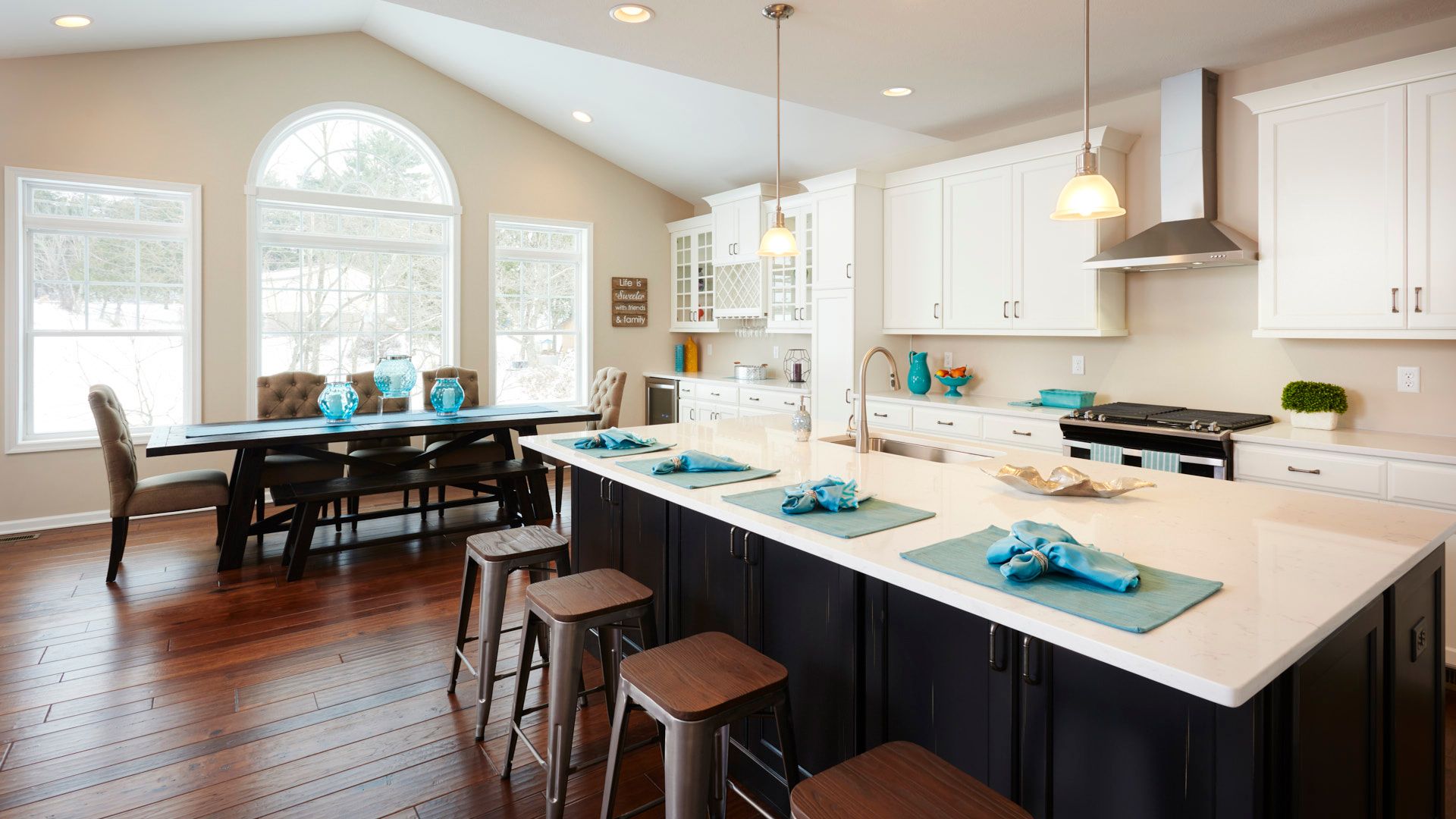
    An open floor plan is an essential feature of any home meant for entertaining. This type of layout allows guests to easily flow from one room to another without feeling cramped or confined. An open floor plan also creates a more social and inviting atmosphere, making your guests feel welcome and relaxed. Look for a home with a spacious living and dining area that can accommodate your guests comfortably. An open-plan living room will allow your guests to sit, relax, and chat while you’re preparing meals or drinks.

    Must Have Home Features for EntertainingOutdoor living spaces

    If you plan on entertaining during the warmer months, outdoor space is a must-have feature. Bonus points: an outdoor entertainment area can also increase the value of your home. Look for a home that has an outdoor entertainment space that can easily accommodate your guests. It can be a patio, deck, or backyard where guests can mingle and enjoy the outdoors. Make sure the space is easily accessible from the indoor entertaining area to encourage guests to spend time outside.

    Guest rooms

    If you’re going to entertain regularly, having a guest room can be a great addition. This will allow your guests to stay over without having to travel home late at night. Look for a home that has a guest room or additional space that can be used as a guest room. Having a comfortable place for your guests to sleep will make them feel more welcome and encourage them to come back.

    Storage space

    Hosting a party requires a lot of equipment, from serving platters and utensils to extra seating and decor. Having ample storage space is essential to keep your home organized and clutter-free. When viewing potential homes, make sure there are enough cabinets, closets, and storage areas to accommodate all of your entertaining needs.

    First-floor bathroom

    Depending on the size of your home, a bathroom or powder room on the first-floor is another essential feature. A main floor bathroom makes it easy for guests to find and use and keeps them from wandering around upstairs. Keep the bathroom stocked with essentials like toilet paper, paper towels, and a soap dispenser for their convenience.

    Must Have Home Features for EntertainingSmart home automation

    Home automation allows you to control the environment of your home, including lighting, heating, entertainment, and security, from your smartphone or tablet. This feature can make it easier to prepare for guests, adjust the lighting to create the right ambiance and control the entertainment. It can be a valuable asset when entertaining, allowing you to focus on your guests and not the logistics of running your home.

    Buying a home with entertaining in mind requires careful consideration of several key features. Whether you’re hosting a small gathering or a big celebration, these must-have features above can make all the difference.

    New construction homes by S&A Homes

    Are you looking for a larger home so you can host the next family get together? S&A Homes offers a diverse selection of home designs with many of the must-have entertaining features like open floorplans. Learn more about new home opportunities throughout Central and South-Central Pennsylvania, including quick move-in homes and build on your land opportunities, by calling 1-855-SAHOME1 or visiting us online at SAHomeBuilder.com.