Tag: homebuying tips

  • Attached Home vs Detached Home: How to Choose

    Attached Home vs Detached Home: How to Choose

    Attached vs Detached: How to ChooseBuying a home is one of the most significant financial decisions you’ll ever make. It’s important to closely consider what you need and want in your new home. One of the choices you’ll need to make is whether to buy an attached or detached home. It might seem like a straightforward answer, but there are several factors that you should consider before making your choice. Here is an informative guide on attached vs. detached homes to help you choose the right kind of home for you.

    There are two types of homes: attached and detached. Detached homes are the most popular option. However attached homes have become more common in recent years, and many people are choosing to buy them instead.

    What is a detached home?

    Let’s start with detached homes. As the name suggests, these homes are separated from other properties and have their own plot of land. They offer more privacy and space, making them ideal for families with children or pets, or for those looking to have a home office or outdoor living space. Detached homes also typically have more natural light and ventilation. They also tend to be quieter, making them great for those who value peace and quiet.
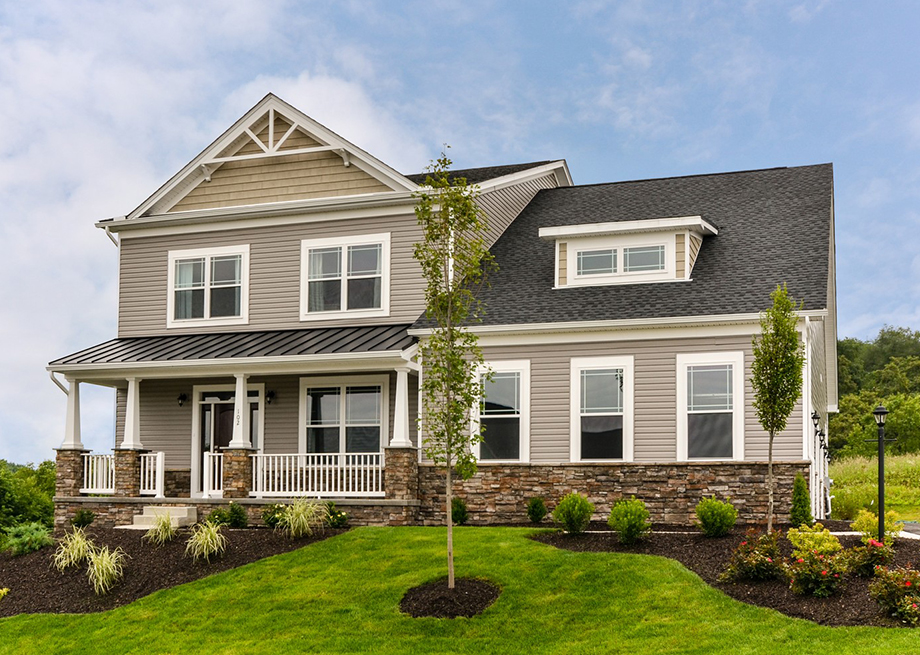
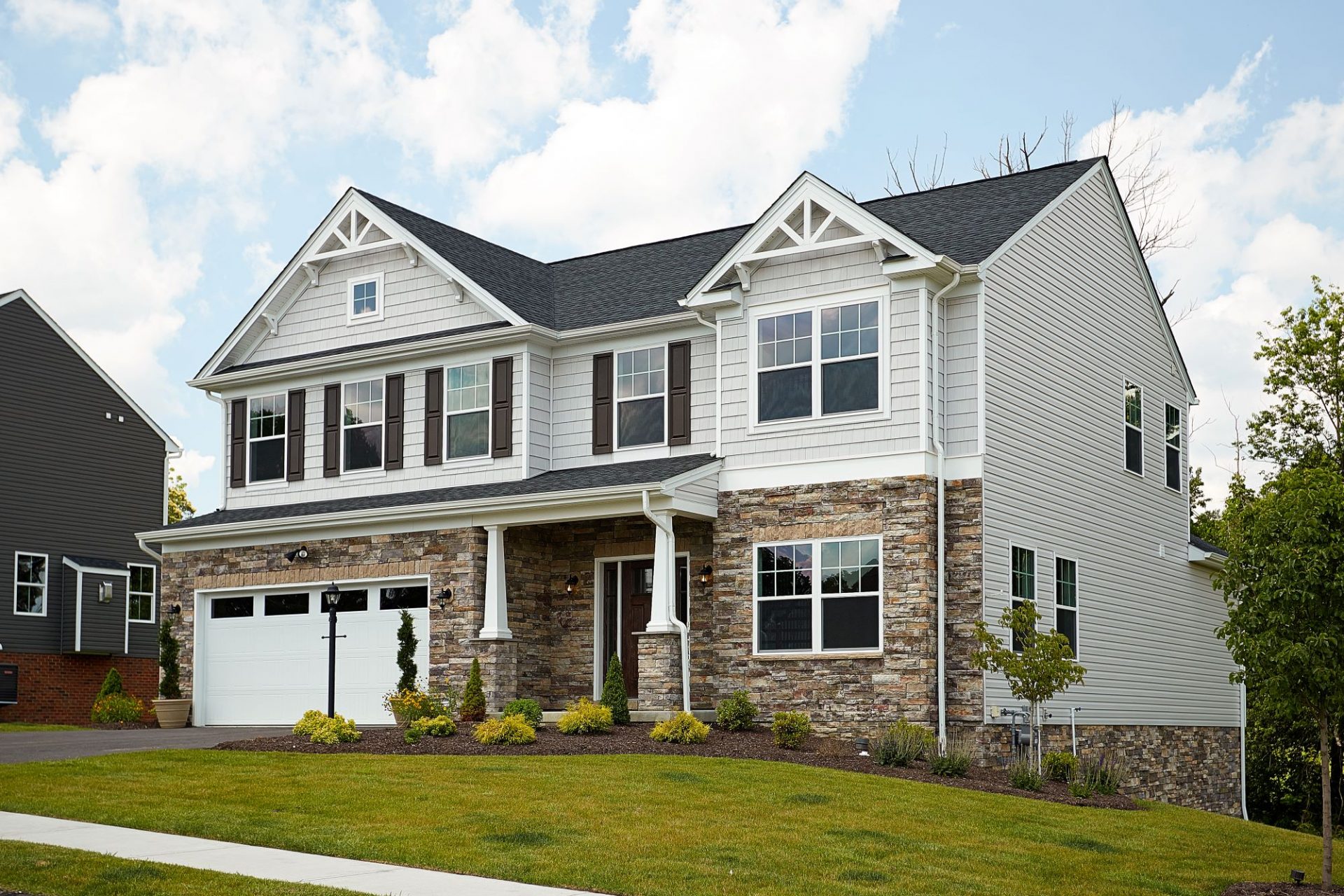
    Montgomery model home elevationWhat is an attached home?

    On the other hand, attached homes – also known as townhomes or carriage homes – are joined together by a shared wall. They’re more affordable than detached homes and can be an excellent option for first-time homebuyers.  They also usually have shared areas, such as driveways or backyards, which can encourage a sense of community among the homeowners.

    The differences between attached vs. detached homes

    The most noticeable difference is that attached homes share a wall while the detached home stands alone. Of course, the primary advantage of a detached home is more privacy. Newer attached homes may have separate entrances that resemble a stand-alone room, which provides additional privacy.

    Detached homes come with more space, larger yards, lower noise levels, and more design options. They generally have fewer restrictions with aspects like home layout, exterior paint, and landscaping. Attached homes are generally more compact with limited outdoor space – ideal for those looking for a more low-maintenance lifestyle.

    Detached homes may come with more expensive utility bills and maintenance tasks. But they provide a more generous investment value and potentially higher resale price. A bonus of attached homes is their energy efficiency. Thanks to the shared walls, they often have insulation in the walls and floors, which can help minimize energy wastage and lower your utility bills. Additionally, attached homes generally require less time and money for maintenance, as they have smaller outdoor areas.
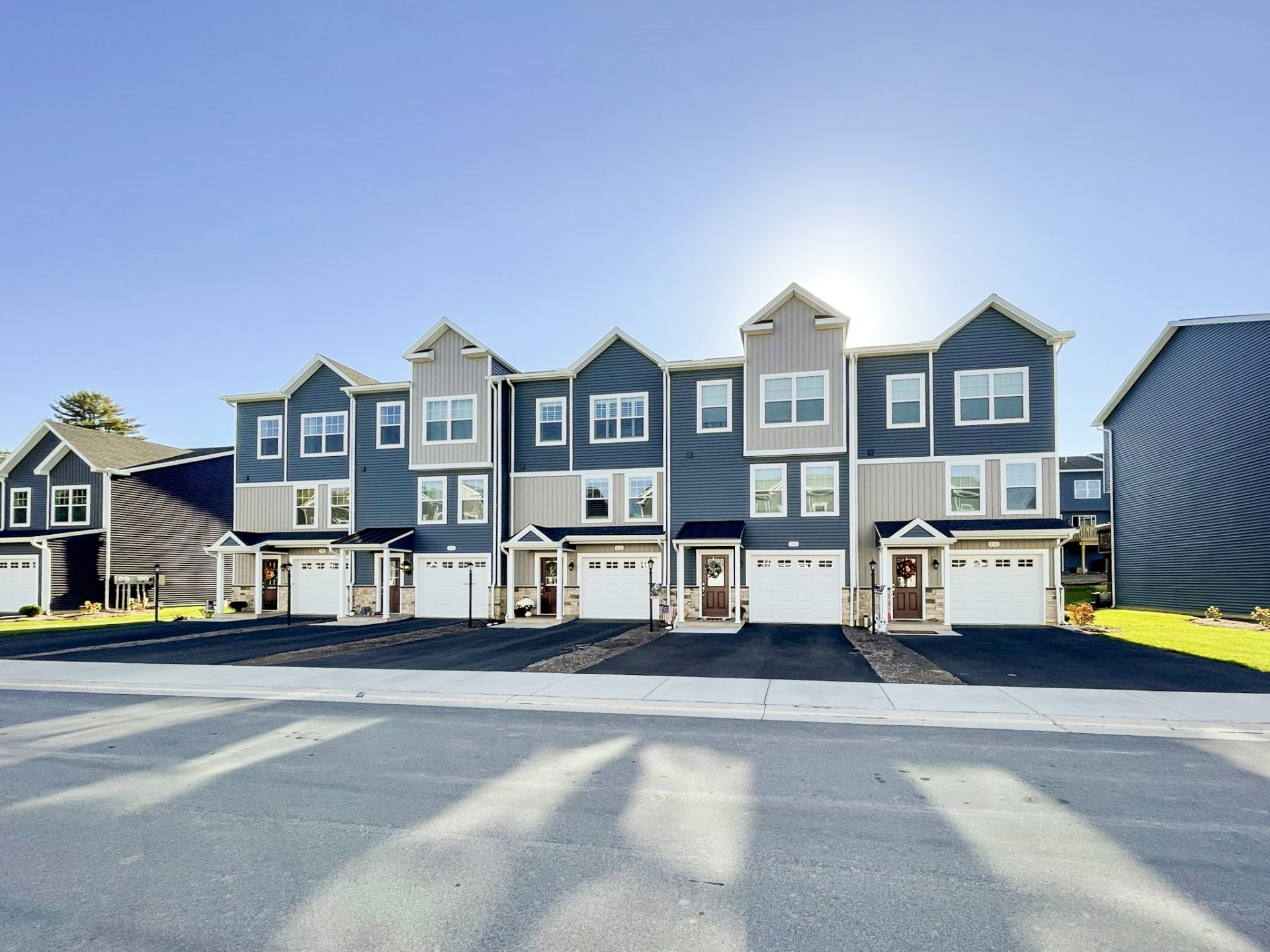
    An additional factor to consider is your preferred location, as attached homes have been trending in city centers while detached homes are more abundant in suburban and rural areas, offering more peaceful surroundings.

    There are unique selling points for those in different life stages. Retirees appreciate attached homes because they provide more security, lower maintenance, and have an abundance of amenities. Younger families with children lean towards detached homes since they offer proximity to nature, have larger outdoor spaces for children to play in, and have more privacy from neighbors.

    How to choose between an attached or detached home?

    Ultimately, the choice between an attached or detached home comes down to your personal preferences. Both options have their pros and cons and are suitable for different lifestyles. If you’re looking for privacy, space, and a backyard to call your own, then a detached home may be the best option for you. But if you’re more interested in affordability, energy efficiency, and community living, an attached home may be the way to go.

    When making your decision, remember to consider your lifestyle, your budget, and your future needs. A home is a significant investment, and making the right choice will pay off in the long run. With the right home, you’ll be able to enjoy your life, your way.

    S&A Homes offers a variety of new single-family homes, including attached and detached home plans. Our new home communities are located in the most sought-after locations in Central and South-Central Pennsylvania. Learn more about new home opportunities from S&A Homes, including quick move-in homes and build on your land opportunities, by calling 1-855-SAHOME1 or visiting us online at SAHomeBuilder.com.

  • How Much is Needed for a Down Payment?

    How Much is Needed for a Down Payment?

    How Much is Needed for a Down Payment?Buying a home can be a dream come true, but it can also be an overwhelming experience, especially if you’re a first-time homebuyer. One of the most common questions that come up is how much money you need for a down payment. The good news is that there’s no one answer to this question. It really depends on your financial situation, the type of home you want to buy, and the mortgage lender you choose. Let’s discuss how to figure out how much you need for a down payment.

    What is a down payment?

    A down payment is the amount of money that you pay upfront when you buy a home. It’s the difference between the purchase price of the home and the mortgage loan. For example, let’s say you want to buy a $300,000 home, and you put down 20%, which is $60,000, your mortgage loan would be $240,000.

    How much do you need for a down payment?

    The short answer: it depends. The slightly longer answer: traditionally, a 20% down payment was considered the norm. However, many loan programs now allow for smaller amounts. In fact, according to the National Association of Realtors, the average down payment for first-time homebuyers was 6% and 17% for repeat buyers in 2022.

    The amount you need for a down payment depends on a few factors:

    • The type of home you want to buy: Down payment minimums may differ depending on whether the home will be your primary residence, a secondary or vacation home, or an investment property.
    • Your credit profile: A good credit score can help you qualify for a lower down payment.
    • Mortgage type: Certain loans require a specific down payment amount, like VA loans, which don’t require a down payment.

    How Much is Needed for a Down Payment?As a general rule of thumb, most lenders require a down payment of at least 3-5% of the purchase price of the home. However, a larger down payment can help you secure a better interest rate and lower your monthly mortgage payments.

    It’s important to note that when you put down less than 20%, you may have to pay private mortgage insurance (PMI). This is insurance that protects the lender in case you default on your loan. PMI is usually a percentage of your loan amount and is added to your monthly mortgage payment. However, once you’ve built up enough equity in your home, you may be able to cancel your PMI.

    Minimum down payment by mortgage type

    Minimum requirements vary based on your loan type and other financial considerations so check with your lender for specifics and qualification requirements. However, here’s a general guideline:

    • Conventional loan: Each lender has their own requirements but generally ranges between 3 and 5%.
    • FHA loan: With an FHA loan, borrowers with a credit score of 580 or higher can put down 3.5%. If your credit score is between 500 and 579, the minimum is 10%.
    • VA loan: Eligible active military service members and veterans can qualify for a zero-down loan.
    • USDA loan: no down payment minimum however, borrowers must meet certain income requirements and purchase a home in an approved rural area as defined by the USDA.

    Advantages of a larger down payment

    It takes time to save a substantial down payment amount but there are several advantages, including:

    • Boost your down payment: The more you put down, the lower your interest rate, and the less risky your loan becomes for the lender. Plus, if you put down more than 20%, you won’t need to get PMI, which can really add up over time.
    • Build equity: Own a bigger piece of your home and unlock funding for renovations or big purchases through cash-out refinancing, a home equity loan, or a HELOC.
    • Enjoy lower monthly payments: Borrow less and enjoy the benefits of a lower interest rate, freeing up cash for your financial goals and lifestyle needs.
    • Lower closing costs: Borrow less, pay less. Reduce the fees paid to your lender at closing by keeping your loan amount lower.
    • Outshine the competition: Stand out in a crowded market by offering a larger down payment. Show sellers you mean business and increase their confidence in your ability to close the deal.

    Advantages of a smaller down payment

    While a larger down payment offers several benefits, opting for a smaller down payment also has its own set of advantages:

    • Get a head start on building equity: Move into a home and start building equity sooner rather than waiting to save up for a bigger down payment.
    • Move in at your own pace: Saving for a hefty down payment takes time. Opting for a smaller down payment allows you to buy a home when you need to.
    • Keep your cash in your pocket: Moving comes with its fair share of expenses like repairs, upgrades, and furnishing. By choosing a lower down payment, you can hold onto more money to cover these costs.
    • Secure a home before prices soar: It could take ages to save up a 20 percent down payment, and in the meantime, home prices and interest rates might skyrocket.
    • Protect your emergency fund: You don’t want to deplete your savings just to make a big down payment. With a smaller amount down, you’ll have more wiggle room to maintain a buffer for unexpected expenses.

    How Much is Needed for a Down Payment?Down payment assistance programs

    Fortunately, there are down payment assistance programs available to first-time homebuyers to help ease the burden of a large down payment. These programs vary by state, city, and county, but many provide funds or loans to help first-time homebuyers afford a down payment. Some programs also offer financial education courses to help buyers better manage their finances and prepare for homeownership. Here are some programs within Pennsylvania.

    There is no one-size-fits-all answer when it comes to how much you should set aside for a down payment. It depends on your financial situation, the type of loan you qualify for, and your personal preferences. It is always best to speak with a mortgage lender or financial advisor to discuss your options and determine the best course of action for your situation. With a bit of planning and research, you can make the dream of homeownership a reality.

    S&A Homes: New Homes in Central and South-Central Pennsylvania

    We hope you’ll consider S&A Homes when you’re ready to make the move into a new home. S&A Homes has a long history of building quality new construction homes in new home communities located in desirable neighborhoods throughout Central and South-Central Pennsylvania. 

    We invite you to learn more about our new home opportunities, whether building on your lot or buying a home in one of our new home communities. Call S&A Homes at 1-855-SAHome1 or contact us online to learn more about our available inventory and communities.

  • Saving for a New Home While Renting

    Saving for a New Home While Renting

    Saving for a New Home While RentingBuying a house is probably one of the biggest financial decisions that anyone can make, and it’s not just about coming up with the down payment. You also need to have enough money to cover closing costs, moving expenses, and make ongoing mortgage payments. For many first-time homebuyers, saving up for a house while renting seems like a daunting task. However, it’s not impossible. In this blog post, we’ll share some tips on how to save for a house while renting so that you can start building equity in a home of your own.

    Set a goal

    The first step in saving for a house while renting is to set a goal for your down payment. Generally, a 20 percent down payment is required to avoid private mortgage insurance (PMI) but ultimately depends on your lender’s limits. Take a look at home prices in your area, and figure out how much you need to save. Once you have a target amount, you can break it down into monthly savings.

    Create a budget

    The first step toward saving for a house while renting is to establish a budget. This means tracking your monthly expenses, identifying areas where you can cut back on expenses, and freeing up more money to put toward your saving goals. Think of your budget as a spending plan for your money. Here are three key tactics to help you establish a budget:

    • Use a budgeting app: there are plenty of free budgeting apps on the market, such as Mint or You Need a Budget, that can help you track your monthly spending and create a financial plan.
    • Analyze your bank statements: review your bank statements from the past few months to identify spending habits and areas where you can cut back on expenses.
    • Create a debt repayment plan: if you have debt, such as credit card balances or student loans, create a repayment plan and make it a priority to reduce your debt obligations.

    Saving for a New Home While RentingOpen a separate savings account

    To avoid the temptation of dipping into your down payment fund, open a separate savings account for your “house fund.” To boost your savings quickly, you’ll want to open a high-interest savings account. These accounts offer a higher interest rate than traditional savings accounts, allowing you to earn more interest on your savings. It pays to compare savings accounts and find one that offers the best interest rate.

    Automate your savings

    Make saving automatic by setting up a direct deposit from your paycheck into your savings account. This ensures that a portion of your earnings goes directly toward your savings each month and makes it easy to stick to your financial goals. Additionally, you can set up automatic transfers from your checking account to your savings account at regular intervals, like every two weeks or once a month.

    Cut unnecessary expenses

    Once you have created a budget, it’s time to cut down on unnecessary expenses. This means reducing expenses such as dining out, shopping, and entertainment. Small cuts can add up to big savings if you practice them consistently. Here are some tips to reduce your discretionary spending:

    • Cook at home: Cooking at home is typically much cheaper than dining out. Consider meal-prepping for the week and bringing lunch to work rather than eating out.
    • Shop smart: Look for deals and discounts when shopping for groceries and household items. Use apps like Rakuten to get cashback on your online shopping purchases.
    • Cut the cable: Consider opting for a more affordable alternative to cable, such as Netflix or Hulu. Additionally, take advantage of public libraries or streaming services such as Hoopla to access e-books and audiobooks for free.

    Reduce your rent

    One way to save for a house while renting is to reduce your rent. Although this may seem challenging, there are several tactics you can try:

    • Consider downsizing if you’re living alone or with a roommate, consider downsizing to a smaller apartment or house. This can lead to substantial savings on rent and utility bills.
    • Look for roommate opportunities if you’re comfortable with living with roommates, this can greatly reduce your housing expenses.
    • Negotiate your rent if you’re hesitant to move, consider negotiating your rent with your landlord. You may be able to secure a lower rental rate or a few months of free rent.

    Saving for a New Home While RentingExplore down payment assistance programs

    Many people are not aware that several down payment assistance programs exist. These programs help to reduce the amount of money you need to save for a down payment. You can consult with a reputable mortgage lender to get information on the various assistance programs that are available in your area.

    Saving for a house while renting might seem like a daunting task, but with the right mindset and strategies, it’s achievable. It takes discipline and consistency to reach your savings goals. Homeownership is a long-term investment, so it’s important to be patient and stay motivated. With determination and effort, you’ll soon be on your way to owning your new home.

    New homes for sale by S&A Homes

    S&A Homes offers a diverse selection of home designs to accommodate a variety of home buyers throughout Central and South-Central Pennsylvania. When you’re ready to buy your new home, we hope you’ll consider S&A Homes.

    Learn more about new home opportunities from S&A Homes, including quick move-in homes and build on your land opportunities, by calling call (855) SAHOME1 or visiting us online at SAHomeBuilder.com.

  • Common Mistakes to Avoid When Buying a New Home

    Common Mistakes to Avoid When Buying a New Home

    Common Mistakes to Avoid When Buying a New HomeBuying a home for the first time is exciting, but it can also be overwhelming. In the process of finding the perfect place, many first-time homebuyers make costly mistakes that can be easily avoided with a little information and preparation. From skipping the pre-approval process to overlooking hidden costs, there are many ways to derail the dream of homeownership. If you’re in the market for your first home, read on to learn about the 6 common first-time home buyer mistakes and how you can avoid them.

    Not getting pre-approved for a mortgage

    Before you start shopping for homes, you need to know how much you can afford. Getting pre-approved for a mortgage will give you a clear idea of what your budget is, so you don’t waste time looking at homes that are out of reach. Plus, if you find a home you love, you’ll be ready to make an offer and beat out other buyers who haven’t been pre-approved.

    Failing to stick to your budget

    One of the biggest mistakes you can make when buying a new home is to go over budget. It’s crucial to have a budget in mind and stick to it when deciding on a property. Be realistic about what you can afford, including the down payment, closing costs, and the monthly mortgage payment as well as other expenses (more on this later). Before you start looking for a house, get pre-approved for a loan so that you know exactly what you can afford.

    Common Mistakes to Avoid When Buying a New Home
    Real estate agent with couple shaking hands closing a deal

    Not considering the full cost of owning a home

    Buying a home is not just about the sales price. There are additional costs that come with owning a home, such as property taxes, insurance, utility bills, and maintenance expenses. Failing to account for these additional costs can lead to financial stress and put a strain on your budget. When you are calculating your budget, make sure to include these expenses so you know exactly what you can afford.

    Neglecting researching the neighborhood

    Another common mistake is buying a new home in a neighborhood that you are not familiar with. It’s essential to research the area and make sure that it is a good fit for you and your family. You should also check out the local schools, amenities, and parks. Not knowing the neighborhood can lead to major issues down the line.

    Not considering resale value

    While you might be focused on finding a home that suits your current needs, it’s important to think about the resale value in the future. Your circumstances might change, and you might need to sell the home in the future. So, keep in mind the location, neighborhood, and features that could impact the value of the property in the future.

    Common Mistakes to Avoid When Buying a New HomeMaking emotional decisions

    It’s easy to get emotionally attached to a home you love, especially if it’s your first. But don’t let your emotions cloud your judgment. Just because a house is beautiful or is in a desirable location doesn’t mean it’s the right fit for you. Don’t let your emotions cloud your judgment, and take your time in making a decision that’s right for you. And don’t be afraid to walk away if the deal doesn’t make sense.

    Buying your first home is a big decision and it’s important to do your due diligence during the homebuying process. Following these tips will get you ready to tackle the homebuying process with confidence and mistakes. Knowledge is power when it comes to buying a new home. So do your research so you can be better equipped to make informed decisions and find the perfect home that will suit your needs for years to come.

    S&A Homes: Built where you live

    Ready to make the leap into homeownership? S&A Homes offers a diverse selection of home designs to accommodate a variety of home buyers throughout Central and South-Central Pennsylvania. Learn more about new home opportunities from S&A Homes, including quick move-in homes and build on your land opportunities, by calling 1-855-SAHOME1 or visiting us online at SAHomeBuilder.com.
  • 9 Ways to Reduce Stress from Buying a Home

    9 Ways to Reduce Stress from Buying a Home

    9 Ways to Reduce Stress from Buying a HomeBuying a home is an exciting milestone for many first-time homebuyers, but it can also be a stressful process. From finding the perfect home to securing financing, there are several steps that can cause anxiety for potential homeowners. However, with the right tips and guidance, you can reduce the stress of home buying and enjoy the excitement of this significant life event. In this guide, we’ll share some tips on reducing the stress of home buying for first-time and seasoned homebuyers.

    Educate Yourself on the Home Buying Process

    One of the main sources of stress for first-time homebuyers is feeling overwhelmed and anxious about the homebuying process. The best way to combat this is by educating yourself on the process before you begin. Research different neighborhoods and schools, learn the difference between fixed and adjustable rate mortgages, and familiarize yourself with the various fees and costs associated with home buying. By understanding the process, you’ll be able to anticipate potential roadblocks and feel more confident in your decision-making.

    Get Pre-Approved for Financing

    Financing is one of the most significant factors in the homebuying process. Getting pre-approved for a mortgage will give you a better idea of your budget and help you identify homes within your price range. This will also give you an advantage in the competitive housing market, as sellers will take you more seriously if you’ve already been pre-approved. While the mortgage process can be lengthy and tedious, getting pre-approved early on can reduce the stress of uncertainty and provide peace of mind.

    Set Realistic Expectations

    When you are looking to buy a home, set realistic expectations. Remember that no house is perfect, and there will always be compromises. It is crucial to develop a realistic list of your needs and wants for your ideal home. Your real estate agent can help you narrow down your search, manage your expectations, and find the best properties that meet your criteria.

    9 Ways to Reduce Stress from Buying a HomeFocus on Your Priorities

    When we daydream about buying a house, we tend to envision a home with lots of amenities like an infinity pool or a big, beautiful garden. While these are great, your purchase decision should be based on priorities. Prioritize the important features that meet your needs, like the number of bedrooms, proximity to your job, schools, and other facilities. Focus on your priorities instead of getting caught up in an elaborate photo of a house that may not meet your needs.

    Be Flexible

    Being flexible with time is crucial when purchasing a house. Home buying may take longer than anticipated, and sometimes your perfect home may slip away from your hands. Sometimes it’s necessary to compromise on a few things when finding the perfect home. Even if your dream home isn’t available at the moment, don’t give up. Keep checking websites, join online groups, and staying in contact with your agent can help you stay updated with the latest developments.

    Take Your Time

    Don’t rush the homebuying process. Take your time to research the neighborhoods you’re interested in, and tour properties with your agent. Buying a home can be a significant investment, and rushing the process can lead to regrets later on.

    Be Prepared for the Unexpected

    Despite your best efforts to be prepared, unexpected things can still happen. Realize that a few hitches may arise during the homebuying process. However, by maintaining an open mind, flexibility, and a positive attitude, you can get through these situations with less stress and frustration. Be prepared for surprises, delays, and additional costs that can arise.

    9 Ways to Reduce Stress from Buying a HomeTake Care of Yourself During the Process

    Home buying can be a time-consuming and emotional process, so it’s essential to take care of yourself during this time. Take breaks when needed, prioritize self-care activities like exercise and meditation, and rely on your support system. It’s essential to manage your emotional well-being, so you’re not overwhelmed by the experience. By taking care of yourself, you’ll be better equipped to handle any difficulties and enjoy the excitement of finding your dream home.

    Trust the Process

    Finally, trust the process. While feeling anxious during the homebuying process is natural, remember that you’re not alone. There are many people involved in the transaction, from your real estate agent to your builder to your lender. Everyone is working toward the same goal: to help you find the right home. Trust that the professionals you’ve chosen to work with will guide you through the process and help you make the best decision for your budget and lifestyle.

    Home buying can be an overwhelming experience, but it doesn’t have to be. By following these tips, you can reduce the stress of homebuying and enjoy the excitement of finding your dream home. Remember, this is a significant life event, and with the right guidance and support, you can make it a memorable and enjoyable experience.

    New Construction Homes by S&A Homes

    Whether you’re looking for your starter home or forever home, S&A Homes offers a diverse selection of home designs to accommodate a variety of home buyers throughout Central and South-Central Pennsylvania. Learn more about new home opportunities from S&A Homes, including quick move-in homes and build on your land opportunities, by calling call 1-855-SAHOME1 or visiting us online at SAHomeBuilder.com.

  • Budgeting for New Homeowners: What to Expect

    Budgeting for New Homeowners: What to Expect

    Budgeting for New Homeowners: What to ExpectBecoming a homeowner is such a rewarding moment, but it’s also a significant financial responsibility. Apart from paying for your mortgage, several expenses need to be factored into your budget to maintain and protect your property. 

    We’ll discuss some often-overlooked expenses you should include in your budget for the first year of homeownership. By understanding these costs, you can start planning and budgeting accordingly, ensuring you maintain your property and successfully navigate your first year as a homeowner.

    Mortgage Payment

    The first bill you’ll need to budget for is your mortgage payment. A mortgage payment is made up of four main parts: principal, interest, taxes, and insurance. The principal pays down your loan amount while interest covers the cost of borrowing, including your interest rate and remaining balance. The amount of interest you pay is determined by your interest rate and your loan balance. 

    Budgeting for New Homeowners: What to ExpectTaxes and Insurance

    The third component of your mortgage payment is taxes. Property taxes is one of the significant expenses that come with owning a home. Taxes are usually based on your home’s value, location, and local tax rates. These taxes can be due quarterly or annually, depending on where you live.

    The final part of your mortgage payment includes insurance. Homeowners insurance is required to protect your property in case of theft, natural disasters, or accidents. The cost of your premium will vary depending on factors such as your location, the age of your home, and the level of coverage you want. Remember that insurance policies cover different types of losses, so make sure to read and understand the terms of your policy.

    If your down payment was less than 20%, your lender may require private mortgage insurance (PMI). This insurance protects your lender in case you are unable to repay your mortgage. This amount is typically added to your mortgage payment.

    You have two options for paying your property taxes and home insurance. The first option is to pay them yourself directly. You will need to figure out how much to set aside each month to cover these costs. The second option is to establish an escrow account with your lender to manage these payments. Each mortgage payment will add 1/12th of the total annual bill to cover these costs and will issue payment when they’re due. 

    Utilities

    Utility bills such as electricity, water, and gas make up a significant portion of homeownership expenses. You should anticipate higher utility costs than when renting, especially if you have a larger home or more family members. When budgeting for your first year, take note of the average utility bills in your area and leave some cushion for fluctuations.

    Home Maintenance and Repairs

    As a homeowner, it’s your responsibility to keep your property in good condition. This means setting aside money for routine maintenance and repairs like cleaning gutters, mowing the lawn, fixing a leaky faucet, and so on. You should also be prepared for unexpected repairs like a damaged roof or plumbing issues. A general rule of thumb is to set aside 1-2% of your home’s value for maintenance costs.

    When you purchase a new home with S&A Homes, we provide our buyers an express 10-year limited warranty on their new home so you can enjoy peace of mind.

    Homeowners Association Fees

    If you live in a neighborhood with a homeowner’s association (HOA), you will likely be required to pay a monthly or annual fee. These fees are used to maintain shared community areas, such as parks, playgrounds, and pools.

    Budgeting for New Homeowners: What to ExpectHome Improvement

    Finally, while it may not be necessary in the first year, any home improvements, such as remodeling your kitchen or adding an extra bathroom, need to be included in your budget for the long term. These types of projects can be costly, so consider the costs, benefits, and long-term goals before making any home improvements. Setting aside money over time will make sure you have the funds available when it’s time for updates.

    The first year of homeownership can be both exciting and challenging. However, it’s essential to understand that homeownership comes with financial responsibilities and costs. As a homeowner, you should be prepared to budget for the full cost of homeownership. These expenses can add up quickly, so it’s vital to plan accordingly and avoid financial surprises. With careful budgeting, you can manage these expenses stress-free and enjoy the benefits of homeownership.

    New Construction Homes by S&A Homes

    S&A Homes is proud to build affordable new home communities throughout Central and South-Central Pennsylvania. We invite you to learn more about our new home opportunities, whether building on your lot or buying a home in one of our new home communities. Call S&A Homes at 1-855-SAHome1 or contact us online to learn more about our available inventory and communities.

  • Important Questions to Ask Partner Before Buying a Home

    Important Questions to Ask Partner Before Buying a Home

    Important Questions to Ask Partner Before Buying a Home.

    Purchasing a home with a partner is one of the biggest milestones you can reach in life. After all, a home is not just a physical space, but also a reflection of your lifestyle and aspirations. Whether you’re buying your first or second home, or maybe just making an investment purchase, it’s not something to take lightly. Here are some important questions to ask to make sure everyone is on the same page and has the same expectations so the home buying process is both enjoyable and successful.

    Why are we buying a home?

    What is your motivation for buying a new home? Is it because that’s the next step? Because everyone else you know is buying? A mortgage is a long-term financial commitment. There should be a lot of careful consideration made before taking this step. Be honest with your reasons for wanting to buy and be prepared to talk it through with your partner.

    How are our finances?

    Discussing money can get tricky. Since there are a lot of financial responsibilities that come with buying a home, this conversation is unavoidable. You want to make sure your finances can manage a major expense. You will need to be upfront and lay out all the details: discuss your income, current expenses, credit score, and all of your debt. This is the same information mortgage companies will assess when reviewing your mortgage application so it’s worth being candid now to avoid any unpleasant surprises later on.

    Important Questions to Ask Partner Before Buying a HomeWhat can we afford and how will we pay for it?

    When it comes to buying a home, it’s important to have a clear understanding of what you can afford. Mortgage pre-approvals are helpful but base your buying budget on just that. Owning a home is more than just the mortgage payment: there are also utility bills, maintenance and repairs, property tax, and insurance. Carefully review your income and expenses (including any debt) and calculate how much you can comfortably afford, including how you’ll save for the down payment.

    You should also discuss how housing expenses will be split. There isn’t one right way to split expenses – whether it’s 50-50 or a proportion based on income. Just make it clear from the beginning and have ongoing conversations to make adjustments as financial circumstances change.

    Where do we want to live?

    As you start building a life with someone, an important question to consider is where you both see yourselves being the happiest. This conversation can reveal a lot about your priorities and values as a couple. Perhaps you both love the bustling lifestyle of the city and can’t imagine living anywhere else or maybe you’re both drawn to the calmness and greenery of the suburbs. It’s important to uncover these preferences early on, even if it causes a slight contention.

    Important Questions to Ask Partner Before Buying a HomeWhat do we want in our new home?

    When searching for a new home, it’s important to recognize that you and your partner may have vastly different priorities when it comes to what you want in a home. You may be dreaming of a spacious living room that can comfortably host all of your friends and family, while your partner might have their heart set on a luxurious, state-of-the-art kitchen. Taking the time to sit down and separately list out what each of you values in a home can be a great exercise in compromise. By comparing your lists and boiling them down to the essentials, you can identify deal-breakers and areas where you’re willing to compromise. Ultimately, this process can help you find a home that truly meets both your needs and desires.

    What happens if we break up?

    Talking about the end of a relationship can be uncomfortable and emotional, but it is an important conversation to have if you are considering purchasing a home together. Life is unpredictable, and even the strongest relationships can face unexpected challenges. It is essential to speak with a legal advisor to understand the complexities and potential consequences if you are unmarried, but married couples shouldn’t ignore this step either. Developing a house ownership agreement can help you address crucial details upfront, such as how you will split costs, allocate ownership percentages, deal with disputes, or handle a breakup or death. While you may never need to use this agreement, it’s reassuring to know that you have a plan in place.

    Buying a home is one of the biggest investments that you will make with your partner, so it’s important to navigate the process with mutual respect and open communication. We hope you’ll consider S&A Homes when you’re ready to buy a new construction home. To learn more about our amazing new home opportunities where we build in Central and South-Central Pennsylvania, including build on your lot and  quick-move in homes, call 1-855-SAHOME1 or visit SAHomeBuilder.com. 

  • Reasons to Get a Mortgage Pre-approval

    Reasons to Get a Mortgage Pre-approvalThinking of buying a new home? You’ve probably heard about getting pre-approved for a mortgage. This important step on your path to homeownership comes with lots of great benefits. When you know what you can afford, budgeting is easier – which is especially crucial if you’re breaking an existing lease. Here’s why getting a mortgage pre-approval is the best thing you can do for your new home search.

    What is a mortgage pre-approval?

    A pre-approval is an important step in the mortgage application process. It provides potential lenders with evidence that you have already been approved for a loan up to a certain amount. This gives lenders confidence that you are serious about buying a home and have done your due diligence in securing financing. Pre-approvals also give realtors and sellers peace of mind that potential buyers are more likely to close on their purchase.

    Here are some reasons why you should consider getting pre-approved before house hunting:

    Reason #1: Know your homebuying budget

    Buying a home is a major investment and you need to be clear on your finances. Getting pre-approved will give you a clear understanding of the maximum amount you can borrow, estimated interest rate, monthly payment, and closing cost. Knowing this information before you start looking at homes will help narrow down your search and prevent wasted time looking at homes that are out of your price range. 

    Reason #2: Lock in interest ratesReasons to Get a Mortgage Pre-approval

    If there’s one thing that’s been consistent with today’s market, it’s how interest rates fluctuate. Getting a pre-approval allows you to lock in an interest rate for a limited time (check with your mortgage broker for the exact length). This protects you from rate increases while you’re still searching for the perfect home.

    Reason #3: Strengthen your offer

    A pre-approval letter shows sellers that you’re serious about buying their home and have the financial means to do so. This can strengthen your offer and give you an advantage over other buyers who haven’t been preapproved.

    Reason #4: Save time

    Going through the mortgage process takes time. You will need to gather your financial documents and have your credit history reviewed. With a mortgage preapproval, you’ve already gone through the tedious application process and can skip ahead to finalizing the mortgage, which shortens the time between contract and close and gets you into your new home faster.

    Reason #5: Identify potential issues

    During the pre-approval process, lenders review your credit history and financial information. This may uncover potential issues that need to be addressed before applying for a mortgage. Addressing these issues early on can save time and prevent headaches down the line.

    Now that you know the benefits of getting a mortgage pre-approval, here’s how you can prepare for the process.

    Reasons to Get a Mortgage Pre-approvalStep-by-step guide to getting pre-approved

    1. Analyze credit score and history. Before applying, take some time to analyze your credit score and history in order to identify any issues that could affect your ability to secure financing. If necessary, take steps to correct any inaccuracies or address any areas of concern before submitting your application.
    2. Gather documentation needed for the application. Before you even begin your loan application, make sure you have all documentation needed to prove your identity, income, and assets such as pay stubs or bank statements. Lenders will need these documents to assess your financial situation before they can approve you for a loan.
    3. Submit application. Once you’ve gathered all the necessary documents and assessed your credit score and history, it’s time to submit your application! Your lenders will review it and provide an offer letter with details on the terms of the loan they are offering if approved (e.g., interest rate).
    4. Present the offer letter to the realtor or seller. Congratulations, you’ve been preapproved! You can take your offer letter from the lender confirming preapproval of your loan, and present it to the realtor or seller when making an offer on a property so they know you are serious about this purchase and able financially commit at closing.

    By taking these steps outlined above, homebuyers can establish themselves as competitive contenders in the market while feeling confident about their financial security throughout the process.

    We’re committed to making your home-buying process as simple and worry-free as possible. If you have questions about today’s market, please check out our Financing Solutions page.

    S&A Homes offers a variety of new home communities and floorplans in the most sought-after locations in Central and South-Central Pennsylvania. We can also build your dream home on your own land! For more details, visit www.sahomebuilder.com or call 1-855-SAHOME1.

  • Choosing the Right Size Home for Your Family

    Choosing the Right Size Home for Your Family

    Choosing the Right Size Home for Your Family - title imageWhen it comes to buying a home, there are many factors to consider, like choosing between new construction or resale home and even the neighborhood. But one of the most important is determining how much home you actually need. You’ll find homes of every size in Central and South-Central Pennsylvania – from cozy bungalows to spacious estates so it’s important to think like Goldilocks to find the home that is just right. Here are some things to keep in mind when figuring out how much house you really need.

    The size of your family

    Father helping daughter learn to walk at home, side view

    A key factor to consider when it comes to deciding on the right home size is the number of people in your family. While a 1,000-square-foot home is cozy and intimate for one or two people, the same home will be tight for larger families. Consider how many people will be living in your home – and if you plan on expanding or may need to make room for aging family members – to figure out how many bedrooms and bathrooms you’ll need. Likewise, if your children are older and will be moving out soon, you may be happy with a smaller home.

    How much you can afford

    Simply put: larger homes mean larger expenses. Not only are you paying for the extra square footage, but you also need to consider the increased costs from general upkeep and maintenance. Larger homes often come with larger mortgages so you’ll need to do all the math to make sure it comfortably fits your family and budget.

    Shot of a family of four cooking together in their kitchen at home

    How you spend time at home

    How do you live in your home? Do you love to entertain and want to be the hang-out house for your kids and their friends? Or do you host overnight guests often? Do you work from home? Are you a homebody or do you prefer to use your home as a base between adventures? Your lifestyle will impact how much space you need. If you spend a lot of time at home or hosting guests, a larger square footage with flexible living spaces will work. On the other hand, if your home is simply a landing spot between trips, it’ll make more sense to purchase something smaller.

    Location, location, location

    Home prices vary widely depending on location and amenities such as proximity to schools and entertainment options. If you’re dreaming of a bigger home with a large lot, buying a new home in the suburbs may be more affordable than those in urban areas. Living in the suburbs may mean longer commute times but if you value space, the tradeoffs will be worth it. 

    Preferred layout and design

    Home size is about more than square footage: the design of your potential home can make a world of difference in how roomy it feels. Consider features like tall ceilings, an open floor plan, and plenty of natural light to maximize that spacious feeling. Also, ask yourself if you value livable space over storage options – are walk-in closets or garages something you need?

    It’s easy to get caught up in the excitement of buying a bigger or fancier home than you actually need. Remember: when it comes to finding the right home for your family, size isn’t everything – but it is an important factor. Consider what’s truly valuable to you in a new home so you can feel confident that your next purchase will provide enough space without stretching beyond what’s affordable for your budget.

    S&A Homes offers a diverse selection of home designs to accommodate a variety of home buyers throughout Central and South-Central Pennsylvania. Ready to make the move to a new construction home? Learn more about new home opportunities from S&A Homes, including quick move-in homes and build on your land opportunities, by calling 1-855-SAHOME1 or visiting www.SAHomeBuilder.com.
  • Get Moving: Tips for Saving for a New Home

    Get Moving: Tips for Saving for a New Home

    Get Moving: Tips for Saving for a New HomeOwning a home is the ultimate dream for many people but saving enough can feel impossible. But don’t let that stop you! With some financial planning, saving enough for the down payment is more than possible. And chances are, you’re probably well on the way to reaching that goal. Here are some simple savings strategies to make saving for your down payment attainable.

    Set a savings goal

    Having an end goal in mind can help motivate you to keep working towards it. So when it comes to saving for your home purchase, set yourself up for success by setting a specific goal—for example, saving $20,000 for a down payment or having enough saved within two years for closing costs. Once you have established this goal, do everything possible to make sure it becomes reality.

    Establish a budget

    The next step towards saving money for your new home purchase is by establishing a budget. This will help you gain control of your finances, figure out what kind of house you can afford, and identify areas where you might be able to cut back in order to save more money. Start by listing all of your monthly income and expenses so that you know exactly how much money is coming in and going out each month. Once you have that information, create a budget that meets both your current needs and the goal of saving for a home purchase.

    Man using calculator and calculate bills in home office.

    Automate savings

    Once your budget is established and your goals are set, it’s time to start automating those savings so that they happen automatically each month without any extra effort on your part. Set up automatic transfers from checking into savings or invest in an IRA account so that part of every paycheck goes directly into savings without requiring any extra action on your part. This way you won’t be tempted to spend the money instead.

    Pay extra toward debt

    If you have any outstanding debts such as student loans or credit card debt, consider paying them off as quickly as possible so more of your income can go directly towards saving for a home purchase. Even if it’s just an extra $20 per month toward credit cards or student loans, these small payments add up over time and can result in significant savings once they are paid off completely.

    Get Moving: Tips for Saving for a New Home
    Two businesspeople discussing details of a contract. Concerned мan asking financial advisor about conditions of mortgage. Getting a new home loan concept.

    Shop for savings 

    Don’t forget about shopping around for the best rates when it comes time to buy a house too! Shopping around means comparing mortgages from different lenders so that you get the best rate possible on the loan with terms most favorable for your situation (e.g., interest rate, length of loan). Doing this could result in thousands of dollars saved over the life of the mortgage!

    Owning a home is an exciting journey but one that requires taking some important steps along the way – from establishing a budget and setting goals to automating savings and paying off debts – these are all key components in saving for your new home. With some smart financial planning and dedication toward reaching these goals, achieving this dream is well within reach.

    Buying a new home with S&A Homes

    S&A Homes is proud to build affordable new home communities throughout Central and South-Central Pennsylvania. Whether you choose to purchase a home in one of our new home communities or build on your lot, we have floorplans for every stage in life. To learn more about our available inventory and communities, call S&A Homes at 1-855-SAHome1 or contact us online.