Tag: homebuying

  • Budgeting for New Homeowners: What to Expect

    Budgeting for New Homeowners: What to Expect

    Budgeting for New Homeowners: What to ExpectBecoming a homeowner is such a rewarding moment, but it’s also a significant financial responsibility. Apart from paying for your mortgage, several expenses need to be factored into your budget to maintain and protect your property. 

    We’ll discuss some often-overlooked expenses you should include in your budget for the first year of homeownership. By understanding these costs, you can start planning and budgeting accordingly, ensuring you maintain your property and successfully navigate your first year as a homeowner.

    Mortgage Payment

    The first bill you’ll need to budget for is your mortgage payment. A mortgage payment is made up of four main parts: principal, interest, taxes, and insurance. The principal pays down your loan amount while interest covers the cost of borrowing, including your interest rate and remaining balance. The amount of interest you pay is determined by your interest rate and your loan balance. 

    Budgeting for New Homeowners: What to ExpectTaxes and Insurance

    The third component of your mortgage payment is taxes. Property taxes is one of the significant expenses that come with owning a home. Taxes are usually based on your home’s value, location, and local tax rates. These taxes can be due quarterly or annually, depending on where you live.

    The final part of your mortgage payment includes insurance. Homeowners insurance is required to protect your property in case of theft, natural disasters, or accidents. The cost of your premium will vary depending on factors such as your location, the age of your home, and the level of coverage you want. Remember that insurance policies cover different types of losses, so make sure to read and understand the terms of your policy.

    If your down payment was less than 20%, your lender may require private mortgage insurance (PMI). This insurance protects your lender in case you are unable to repay your mortgage. This amount is typically added to your mortgage payment.

    You have two options for paying your property taxes and home insurance. The first option is to pay them yourself directly. You will need to figure out how much to set aside each month to cover these costs. The second option is to establish an escrow account with your lender to manage these payments. Each mortgage payment will add 1/12th of the total annual bill to cover these costs and will issue payment when they’re due. 

    Utilities

    Utility bills such as electricity, water, and gas make up a significant portion of homeownership expenses. You should anticipate higher utility costs than when renting, especially if you have a larger home or more family members. When budgeting for your first year, take note of the average utility bills in your area and leave some cushion for fluctuations.

    Home Maintenance and Repairs

    As a homeowner, it’s your responsibility to keep your property in good condition. This means setting aside money for routine maintenance and repairs like cleaning gutters, mowing the lawn, fixing a leaky faucet, and so on. You should also be prepared for unexpected repairs like a damaged roof or plumbing issues. A general rule of thumb is to set aside 1-2% of your home’s value for maintenance costs.

    When you purchase a new home with S&A Homes, we provide our buyers an express 10-year limited warranty on their new home so you can enjoy peace of mind.

    Homeowners Association Fees

    If you live in a neighborhood with a homeowner’s association (HOA), you will likely be required to pay a monthly or annual fee. These fees are used to maintain shared community areas, such as parks, playgrounds, and pools.

    Budgeting for New Homeowners: What to ExpectHome Improvement

    Finally, while it may not be necessary in the first year, any home improvements, such as remodeling your kitchen or adding an extra bathroom, need to be included in your budget for the long term. These types of projects can be costly, so consider the costs, benefits, and long-term goals before making any home improvements. Setting aside money over time will make sure you have the funds available when it’s time for updates.

    The first year of homeownership can be both exciting and challenging. However, it’s essential to understand that homeownership comes with financial responsibilities and costs. As a homeowner, you should be prepared to budget for the full cost of homeownership. These expenses can add up quickly, so it’s vital to plan accordingly and avoid financial surprises. With careful budgeting, you can manage these expenses stress-free and enjoy the benefits of homeownership.

    New Construction Homes by S&A Homes

    S&A Homes is proud to build affordable new home communities throughout Central and South-Central Pennsylvania. We invite you to learn more about our new home opportunities, whether building on your lot or buying a home in one of our new home communities. Call S&A Homes at 1-855-SAHome1 or contact us online to learn more about our available inventory and communities.

  • Starter vs. Forever Home: Making the Right Choice

    Starter vs. Forever Home: Making the Right Choice

    Starter vs. Forever Home: Making the Right ChoiceBuying a home is a major investment, and it’s one of the most important decisions you will make in your lifetime. It’s important to choose a home that fits your needs and lifestyle, but it can be tough to decide how much space you really need. Should you choose a starter home, or invest in a forever home? Let’s explore the important considerations you’ll need to think over so you can make the best decision for you.

    What is a starter home?

    Starter homes are typically modest homes that first-time home buyers can afford but expect to outgrow. Most home buyers looking for starter homes prioritize a more affordable mortgage over finding a home that has everything they need and want right now. They look for entry-level homes that meet their basic needs and are okay that they don’t feature every dream amenity.

    Homebuyers with limited budgets may choose to invest in a starter home to build equity as a homeowner they can eventually use to purchase their forever home.

    What is a forever home?

    A forever home is a home you plan on living in for a long time, possibly for the rest of your life. These homes tend to be larger to accommodate a growing family with more amenities or have potential for improvements to make it just right. Since these homes are larger and have more amenities, they tend to be more expensive than starter homes.

    Starter Home vs Forever Home: Top Considerations

    Still not sure which style is right for you? Here are some considerations you make to decide which one is right for you now.

    Review your finances

    Price, down payment size, and loan terms are all important factors to consider when deciding between a starter and forever home. A starter home is typically more affordable, which can be a major advantage for first-time homeowners. However, you may outgrow a starter home more quickly and need to move sooner than you would with a forever home. A forever home, on the other hand, requires a larger down payment and often comes with a larger mortgage payment. However, in the long run, it could save you money as you won’t need to move again.

    Assess your lifestyle

    Assessing your current lifestyle and needs is an important step to making the right choice when it comes to starter versus forever homes. If you have a growing family or plan to have children in the future, a forever home might be a better choice. On the other hand, if you’re single or newlyweds, a starter home could be the perfect fit. It’s important to consider your current and future needs in terms of space, flexibility, and overall lifestyle.

    Evaluate your future plans

    While it can be tough to predict the future, it’s important to consider potential changes in your life that could impact your home buying decision. Will you be changing jobs, having children, or starting a business? If so, a forever home might be a better choice, as it provides more space and flexibility. On the other hand, if you plan to downsize in the future, a starter home might be more practical.

    Keep ‘forever’ in perspective

    Remember that forever is an elusive target. Even with a well-conceived plan, life brings changes. Families grow and shrink, jobs change, unexpected opportunities appear. Don’t stress too much about finding the perfect home and look for one that’s good enough to meet your needs for the long-term.

    A starter home can also be a forever home. Some buyers purchase starter homes with the intent of upgrading to a larger home sometime in the future while others may end up happily living in their ‘starter homes’ forever.

    Which home is right for your life now?

    Choosing between a starter and forever home can be a tough decision, but ultimately it comes down to your lifestyle, future plans, and financial considerations. A starter home can be a great option for first-time homebuyers, while a forever home may be more practical for growing families or those who plan to live in the same home for many years. No matter which option you choose, it’s important to consider all of the factors involved and make a decision that works for you.

    Whether you’re looking for your starter home or forever home, S&A Homes offers a diverse selection of home designs to accommodate a variety of home buyers throughout Central and South-Central Pennsylvania. Learn more about new home opportunities from S&A Homes, including quick move-in homes and build on your land opportunities, by calling 1-855-SAHOME1 or visiting us online at SAHomeBuilder.com.

  • Important Questions to Ask Partner Before Buying a Home

    Important Questions to Ask Partner Before Buying a Home

    Important Questions to Ask Partner Before Buying a Home.

    Purchasing a home with a partner is one of the biggest milestones you can reach in life. After all, a home is not just a physical space, but also a reflection of your lifestyle and aspirations. Whether you’re buying your first or second home, or maybe just making an investment purchase, it’s not something to take lightly. Here are some important questions to ask to make sure everyone is on the same page and has the same expectations so the home buying process is both enjoyable and successful.

    Why are we buying a home?

    What is your motivation for buying a new home? Is it because that’s the next step? Because everyone else you know is buying? A mortgage is a long-term financial commitment. There should be a lot of careful consideration made before taking this step. Be honest with your reasons for wanting to buy and be prepared to talk it through with your partner.

    How are our finances?

    Discussing money can get tricky. Since there are a lot of financial responsibilities that come with buying a home, this conversation is unavoidable. You want to make sure your finances can manage a major expense. You will need to be upfront and lay out all the details: discuss your income, current expenses, credit score, and all of your debt. This is the same information mortgage companies will assess when reviewing your mortgage application so it’s worth being candid now to avoid any unpleasant surprises later on.

    Important Questions to Ask Partner Before Buying a HomeWhat can we afford and how will we pay for it?

    When it comes to buying a home, it’s important to have a clear understanding of what you can afford. Mortgage pre-approvals are helpful but base your buying budget on just that. Owning a home is more than just the mortgage payment: there are also utility bills, maintenance and repairs, property tax, and insurance. Carefully review your income and expenses (including any debt) and calculate how much you can comfortably afford, including how you’ll save for the down payment.

    You should also discuss how housing expenses will be split. There isn’t one right way to split expenses – whether it’s 50-50 or a proportion based on income. Just make it clear from the beginning and have ongoing conversations to make adjustments as financial circumstances change.

    Where do we want to live?

    As you start building a life with someone, an important question to consider is where you both see yourselves being the happiest. This conversation can reveal a lot about your priorities and values as a couple. Perhaps you both love the bustling lifestyle of the city and can’t imagine living anywhere else or maybe you’re both drawn to the calmness and greenery of the suburbs. It’s important to uncover these preferences early on, even if it causes a slight contention.

    Important Questions to Ask Partner Before Buying a HomeWhat do we want in our new home?

    When searching for a new home, it’s important to recognize that you and your partner may have vastly different priorities when it comes to what you want in a home. You may be dreaming of a spacious living room that can comfortably host all of your friends and family, while your partner might have their heart set on a luxurious, state-of-the-art kitchen. Taking the time to sit down and separately list out what each of you values in a home can be a great exercise in compromise. By comparing your lists and boiling them down to the essentials, you can identify deal-breakers and areas where you’re willing to compromise. Ultimately, this process can help you find a home that truly meets both your needs and desires.

    What happens if we break up?

    Talking about the end of a relationship can be uncomfortable and emotional, but it is an important conversation to have if you are considering purchasing a home together. Life is unpredictable, and even the strongest relationships can face unexpected challenges. It is essential to speak with a legal advisor to understand the complexities and potential consequences if you are unmarried, but married couples shouldn’t ignore this step either. Developing a house ownership agreement can help you address crucial details upfront, such as how you will split costs, allocate ownership percentages, deal with disputes, or handle a breakup or death. While you may never need to use this agreement, it’s reassuring to know that you have a plan in place.

    Buying a home is one of the biggest investments that you will make with your partner, so it’s important to navigate the process with mutual respect and open communication. We hope you’ll consider S&A Homes when you’re ready to buy a new construction home. To learn more about our amazing new home opportunities where we build in Central and South-Central Pennsylvania, including build on your lot and  quick-move in homes, call 1-855-SAHOME1 or visit SAHomeBuilder.com. 

  • Reasons to Get a Mortgage Pre-approval

    Reasons to Get a Mortgage Pre-approvalThinking of buying a new home? You’ve probably heard about getting pre-approved for a mortgage. This important step on your path to homeownership comes with lots of great benefits. When you know what you can afford, budgeting is easier – which is especially crucial if you’re breaking an existing lease. Here’s why getting a mortgage pre-approval is the best thing you can do for your new home search.

    What is a mortgage pre-approval?

    A pre-approval is an important step in the mortgage application process. It provides potential lenders with evidence that you have already been approved for a loan up to a certain amount. This gives lenders confidence that you are serious about buying a home and have done your due diligence in securing financing. Pre-approvals also give realtors and sellers peace of mind that potential buyers are more likely to close on their purchase.

    Here are some reasons why you should consider getting pre-approved before house hunting:

    Reason #1: Know your homebuying budget

    Buying a home is a major investment and you need to be clear on your finances. Getting pre-approved will give you a clear understanding of the maximum amount you can borrow, estimated interest rate, monthly payment, and closing cost. Knowing this information before you start looking at homes will help narrow down your search and prevent wasted time looking at homes that are out of your price range. 

    Reason #2: Lock in interest ratesReasons to Get a Mortgage Pre-approval

    If there’s one thing that’s been consistent with today’s market, it’s how interest rates fluctuate. Getting a pre-approval allows you to lock in an interest rate for a limited time (check with your mortgage broker for the exact length). This protects you from rate increases while you’re still searching for the perfect home.

    Reason #3: Strengthen your offer

    A pre-approval letter shows sellers that you’re serious about buying their home and have the financial means to do so. This can strengthen your offer and give you an advantage over other buyers who haven’t been preapproved.

    Reason #4: Save time

    Going through the mortgage process takes time. You will need to gather your financial documents and have your credit history reviewed. With a mortgage preapproval, you’ve already gone through the tedious application process and can skip ahead to finalizing the mortgage, which shortens the time between contract and close and gets you into your new home faster.

    Reason #5: Identify potential issues

    During the pre-approval process, lenders review your credit history and financial information. This may uncover potential issues that need to be addressed before applying for a mortgage. Addressing these issues early on can save time and prevent headaches down the line.

    Now that you know the benefits of getting a mortgage pre-approval, here’s how you can prepare for the process.

    Reasons to Get a Mortgage Pre-approvalStep-by-step guide to getting pre-approved

    1. Analyze credit score and history. Before applying, take some time to analyze your credit score and history in order to identify any issues that could affect your ability to secure financing. If necessary, take steps to correct any inaccuracies or address any areas of concern before submitting your application.
    2. Gather documentation needed for the application. Before you even begin your loan application, make sure you have all documentation needed to prove your identity, income, and assets such as pay stubs or bank statements. Lenders will need these documents to assess your financial situation before they can approve you for a loan.
    3. Submit application. Once you’ve gathered all the necessary documents and assessed your credit score and history, it’s time to submit your application! Your lenders will review it and provide an offer letter with details on the terms of the loan they are offering if approved (e.g., interest rate).
    4. Present the offer letter to the realtor or seller. Congratulations, you’ve been preapproved! You can take your offer letter from the lender confirming preapproval of your loan, and present it to the realtor or seller when making an offer on a property so they know you are serious about this purchase and able financially commit at closing.

    By taking these steps outlined above, homebuyers can establish themselves as competitive contenders in the market while feeling confident about their financial security throughout the process.

    We’re committed to making your home-buying process as simple and worry-free as possible. If you have questions about today’s market, please check out our Financing Solutions page.

    S&A Homes offers a variety of new home communities and floorplans in the most sought-after locations in Central and South-Central Pennsylvania. We can also build your dream home on your own land! For more details, visit www.sahomebuilder.com or call 1-855-SAHOME1.

  • Get Moving: Tips for Saving for a New Home

    Get Moving: Tips for Saving for a New Home

    Get Moving: Tips for Saving for a New HomeOwning a home is the ultimate dream for many people but saving enough can feel impossible. But don’t let that stop you! With some financial planning, saving enough for the down payment is more than possible. And chances are, you’re probably well on the way to reaching that goal. Here are some simple savings strategies to make saving for your down payment attainable.

    Set a savings goal

    Having an end goal in mind can help motivate you to keep working towards it. So when it comes to saving for your home purchase, set yourself up for success by setting a specific goal—for example, saving $20,000 for a down payment or having enough saved within two years for closing costs. Once you have established this goal, do everything possible to make sure it becomes reality.

    Establish a budget

    The next step towards saving money for your new home purchase is by establishing a budget. This will help you gain control of your finances, figure out what kind of house you can afford, and identify areas where you might be able to cut back in order to save more money. Start by listing all of your monthly income and expenses so that you know exactly how much money is coming in and going out each month. Once you have that information, create a budget that meets both your current needs and the goal of saving for a home purchase.

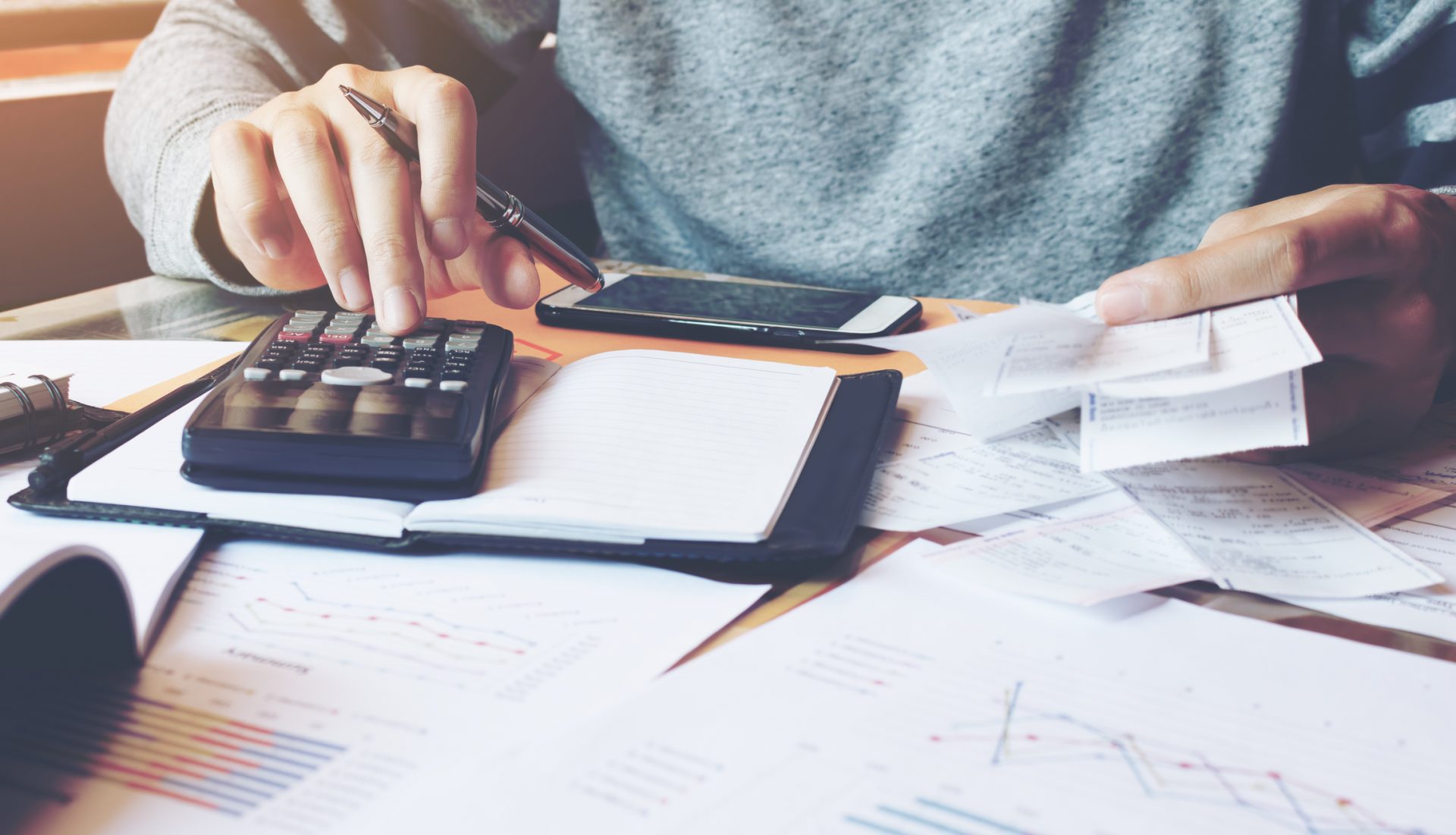
    Man using calculator and calculate bills in home office.

    Automate savings

    Once your budget is established and your goals are set, it’s time to start automating those savings so that they happen automatically each month without any extra effort on your part. Set up automatic transfers from checking into savings or invest in an IRA account so that part of every paycheck goes directly into savings without requiring any extra action on your part. This way you won’t be tempted to spend the money instead.

    Pay extra toward debt

    If you have any outstanding debts such as student loans or credit card debt, consider paying them off as quickly as possible so more of your income can go directly towards saving for a home purchase. Even if it’s just an extra $20 per month toward credit cards or student loans, these small payments add up over time and can result in significant savings once they are paid off completely.

    Get Moving: Tips for Saving for a New Home
    Two businesspeople discussing details of a contract. Concerned мan asking financial advisor about conditions of mortgage. Getting a new home loan concept.

    Shop for savings 

    Don’t forget about shopping around for the best rates when it comes time to buy a house too! Shopping around means comparing mortgages from different lenders so that you get the best rate possible on the loan with terms most favorable for your situation (e.g., interest rate, length of loan). Doing this could result in thousands of dollars saved over the life of the mortgage!

    Owning a home is an exciting journey but one that requires taking some important steps along the way – from establishing a budget and setting goals to automating savings and paying off debts – these are all key components in saving for your new home. With some smart financial planning and dedication toward reaching these goals, achieving this dream is well within reach.

    Buying a new home with S&A Homes

    S&A Homes is proud to build affordable new home communities throughout Central and South-Central Pennsylvania. Whether you choose to purchase a home in one of our new home communities or build on your lot, we have floorplans for every stage in life. To learn more about our available inventory and communities, call S&A Homes at 1-855-SAHome1 or contact us online.

  • Homebuilding 101: Terms First-Time Homebuyers Should Know

    Homebuilding 101: Terms First-Time Homebuyers Should KnowAre you new to the world of homebuilding? First-time homebuyers are often overwhelmed by the homebuilding process and its terminology. To help, the team at S&A Homes has created an exciting “Homebuilding 101” blog series to serve as a useful crash course on the homebuilding process and common jargon. (more…)

  • Tips for Buying a New Home with Another to Sell from S&A Homes

    Tips for Buying a New Home with Another to Sell from S&A HomesThings can get complicated when buying and selling a new house at the same time. While perfectly matching up both closing dates is ideal, real estate transactions aren’t always that smooth. If you are buying a new home with another to sell, you’re going to need a bit of guidance and a well-thought-out plan to get you through the process. (more…)