Tag: moving tips

  • Relocating for Work? Take These Steps

    Relocating for Work? Take These Steps

    Relocating for Work? Take These Steps

    Relocating for work can be challenging. Whether it’s for a promotion, a new role, or your dream job, moving to a new city or state comes with both exciting opportunities and big adjustments. Managing the logistics of moving while keeping up with work responsibilities takes careful planning and flexibility.

    The good news? With the right preparation, you can make your move smooth and stress-free. This guide covers everything you need to know, from accepting your new role to settling into your new home, so you can start this new chapter with confidence.

    Pre-Move Planning

    The key to a successful relocation starts well before moving day. Before you pack a single box, map out your strategy to ensure a smooth transition. Here’s how to prepare:

    Financial Preparation

    Negotiate a Relocation Package: Relocating for a job can be costly, so it’s important to talk to your employer about relocation benefits. Many companies offer packages that cover moving expenses, temporary housing, or help with selling your home. If these benefits aren’t offered upfront, don’t be afraid to negotiate. A good relocation package can make the process much more affordable.

    Compare the Cost of Living: Moving to a new city often means adjusting to a different cost of living. Websites like Numbeo can help you check housing costs, grocery prices, and other essentials. Make sure your new salary can cover these expenses while leaving room for savings and leisure.

    Don’t forget to plan for immediate costs like security deposits, groceries, and transportation during your first few weeks. Moving to a different state may also mean dealing with new tax laws that could affect your paycheck or deductions. A tax advisor can help you prepare.

    Updating your budget is an important part of planning your move.

    Home Considerations

    Decide What to Do With Your Current Home: If you own your home, decide whether to sell it, rent it out, or use it as a vacation property. If you decide to sell, work with a local real estate agent to make the process easier.

    Choose to Rent or Buy in Your New City: Depending on your needs and timeline, renting can be a good temporary option. It gives you time to explore the area before committing to buying. If you’re ready to buy, partner with a local agent to find homes that fit your budget and career goals. Be sure to consider location, especially proximity to work and access to public transportation.

    The Moving Process

    Managing the logistics of your relocation can make all the difference. Here’s how to stay organized:

    Time Management

    Make a Checklist: Break your move into simple tasks with a clear timeline. Include things like notifying landlords, transferring utilities, and updating your address with banks and other institutions. Use apps like Trello or Todoist to stay on track.

    Set Realistic Deadlines: Give yourself enough time to tackle key tasks. Take care of big items ahead of time so the final days before your move are less stressful.

    Decluttering and Packing

    Declutter Before Packing: Moving is the perfect time to get rid of unnecessary items. Donate clothes, sell unused furniture, and toss anything broken or outdated. This will reduce what you have to move and save costs.

    Pack Smart: Label boxes clearly to make unpacking easier. Group items by room and add brief descriptions (e.g., “Kitchen – Plates and Glasses”). Pack a box of essentials for your first few days, like toiletries, medications, and important documents.

    Use Technology

    Stay Organized with Apps: Apps like MoveAdvisor can help you track inventory, schedules, and documents. For work setup, tools like Zoom and Slack can keep you connected during the transition.

    Prepare Office Equipment Early: If you work remotely, prioritize setting up your home office. Test your Wi-Fi, arrange ergonomic furniture, and have a backup plan for tech issues.

    Relocating for Work? Take These Steps

    Settling Into Your New Life

    Moving to a new city can be exciting but also overwhelming. Here’s how to settle in more easily:

    Getting to Know Your Community

    Explore Your Surroundings: Spend some time getting familiar with your new city. Check out local cafes, parks, and landmarks. It’s a great way to feel connected to your new environment while having fun.

    Join Local Groups or Events: Websites like Meetup and Eventbrite make it easy to find local events or groups that match your interests. Joining these can help you meet new people and settle in faster.

    Building Your Social Circle

    Grow Your Professional Network: Connect with coworkers and attend networking events to build relationships in your field. LinkedIn is also useful for finding industry-specific groups in your area.

    Stay in Touch with Old Friends: Don’t forget about the relationships you already have. Schedule regular video calls or visits to stay connected with friends and family back home.

    Taking Care of Yourself

    Be Patient with the Adjustment: Settling in takes time, so don’t rush it. It’s normal to feel out of place at first, but those feelings will fade as you get more comfortable.

    Take Care of Your Mental Health: Moving can bring emotional challenges. Don’t hesitate to talk to a friend, join an online support group, or seek help from a counselor if needed. Your emotional well-being is important.

    Keys to Successfully Relocating for Work

    Relocating for work requires planning, using resources wisely, and staying flexible. If it feels like too much to handle, a relocation specialist can simplify the process. With good preparation and a positive outlook, you can make your work move a chance to succeed.

    When you’re ready to buy a new home, visit us at SAHomebuilder.com or call 1-855-SAHome1 to learn more about new home opportunities, including quick move-in homes and or build on your land opportunities. With a diverse selection of new construction homes throughout Central and South-Central Pennsylvania, we’re sure you’ll be able to find the home of your dreams. 

  • Preparing Kids for a Big Move

    Preparing Kids for a Big Move

    Preparing Kids for a Big MoveMoving can be a stressful experience for anyone, but when you add children into the mix, it can become even more challenging. Leaving familiar surroundings and starting fresh in a new place can be overwhelming for kids. As parents, you want to prepare your children before the move to ensure a smooth transition. This guide provides practical tips to help your children feel excited and secure about their new home.

    Tips for Pre-Move Preparation

    Explain the Move to Kids Based on Their Age and Understanding: Communication is key to preparing your kids for a move. Be open and honest with them about why you are moving and what they can expect during the process. Their ability to understand and cope with a move varies with age so tailor your explanations to their level of understanding. Younger kids may need reassurance and simple reasons for the move, while older children might appreciate more detailed information.

    Be patient and understanding, as they may have mixed emotions about leaving their current home.

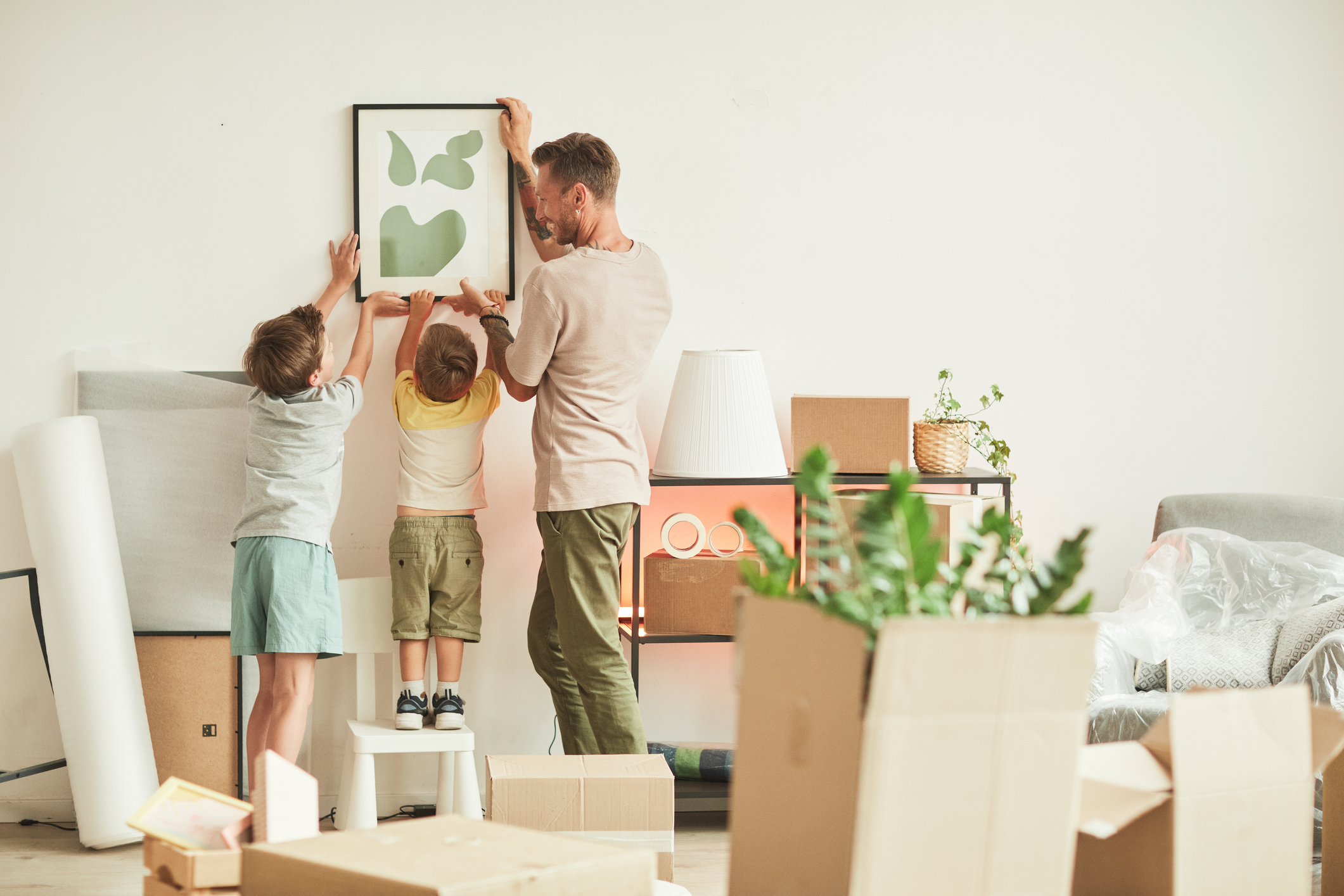
    Involve Them in the Process: One of the best ways to prepare your kids for a move is to involve them from the beginning. Take them with you when you go house hunting, let them help pack up their belongings, and give them a say in how their new room will be decorated. This will help them feel more connected to their new home and provide a sense of ownership over the move.

    Visiting the New Neighborhood and Home: Familiarity can significantly reduce anxiety. If possible, take your kids to the new neighborhood and home before the move. Visit nearby parks, playgrounds, schools, and other amenities so they can start getting familiar with their new surroundings. This can help them visualize their new life and build excitement about the change.

    Maintain Routines: Moving can disrupt your family’s normal routine, which can be unsettling for kids. Do your best to maintain as much of your routine as possible leading up to the move. Stick to the usual meal times, bedtime routines, and other familiar activities to provide stability during this period of change.

    Preparing Kids for a Big MovePacking Strategies for Families

    Efficient and Organized Packing: Packing can be chaotic, but it doesn’t have to be. Start by gathering packing supplies early and labeling boxes. Use different colored markers or stickers for each room to make unpacking straightforward. Encourage your kids to pack their belongings in kid-friendly boxes with fun labels. This involvement gives them a sense of responsibility and makes the task more enjoyable.

    Sort Through Belongings with Kids: Moving is an excellent opportunity to declutter and organize. Involve your children in sorting through their belongings. Ask them to decide what to keep, donate, or discard. This helps reduce the volume of items to be moved and teaches kids valuable lessons in decision-making and responsibility. Make it fun by turning it into a game or challenge.

    Pack a “First-Night Box”: The first night in a new home can be unsettling, especially for children. Prepare a “first-night box” with essentials for each family member. Include pajamas, toothbrushes, favorite toys, books, snacks, or other comfort items.

    Transitioning to the New Home

    Plan Moving Day to Minimize Stress: Moving day can be chaotic, but planning can minimize stress. Arrange for childcare if possible, or assign specific tasks to keep older kids engaged. Keep them occupied during the move with snacks, drinks, and entertainment. Keeping the day as calm and organized as possible will help your kids feel secure and less overwhelmed.

    Set Up Kids’ Rooms First: When you arrive at your new home, prioritize setting up your kids’ rooms first. This gives them a familiar space where they can retreat amidst all the chaos of unpacking. Set up their room in a similar layout and display familiar items like toys or pictures. Allow them to participate in arranging their new room to make it feel like their own.

    Preparing Kids for a Big MoveAfter the Move: Settling In

    Establish New Routines: Once you’ve settled into your new home, establish new routines that work well for everyone in the family. Set up regular schedules for meals, bedtime, and other daily activities as soon as possible. This consistency helps children adjust to their new environment and feel secure.

    Stay Positive: Children often take cues from their parents on how to react to different situations. Kids are more likely to approach the move with positivity and optimism if you do as well. Emphasize the exciting aspects of moving – exploring a new neighborhood or making new friends – rather than focusing on what they may have left behind.

    Give Them Time: Adjusting to a new home can take time for both children and adults. Be patient with your kids as they navigate this transition period and give them plenty of time to settle into their new surroundings at their own pace. Encourage them to express their feelings about the move openly and offer reassurance whenever needed.

    Moving with kids can be challenging, preparing them ahead of time can make the process smoother for everyone involved. Remember each child is different, so be flexible and adapt these tips to suit your family. With patience, love, and support, your kids will soon feel right at home in their new house.

    Ready to make your move? S&A Homes offers a diverse selection of home designs to accommodate a variety of home buyers throughout Central and South-Central Pennsylvania. Learn more about our new homes, including quick move-in homes and build on your land opportunities, by calling 1-855-SAHOME1 or visiting us online at SAHomeBuilder.com.

  • How to Unpack After a Big Move

    How to Unpack After a Big Move

    How to Unpack After a Big MoveMoving into a new home is an exciting time, but the process of unpacking can often feel overwhelming. With boxes piled high and belongings scattered everywhere, it’s easy to feel stressed and unsure of where to start. However, with some strategic planning and organization, unpacking after a big move can be a smooth and efficient process. Here are seven tips for how to unpack after a big move that will help you settle into your new space quickly and efficiently.

    Create a plan

    Instead of randomly opening boxes and hoping for the best, create a plan for how you want to tackle the unpacking process. You can start by focusing on one room at a time or by prioritizing certain areas of your home. Consider setting up essential spaces like the kitchen, bathroom, and bedrooms first before moving on to other rooms. Having a clear plan in place will help keep you organized and on track as you work through each box.

    Start with the essentials

    Before you dive into unpacking all of your boxes, make sure to prioritize the essentials. When unpacking, focus on unpacking essential items first. These are items that you will need right away, such as toiletries, bedding, kitchen essentials, and clothes. Unpacking these items will help make your new space feel more like home and provide some comfort during the transition period.

    Unpack room by room

    Instead of trying to tackle everything at once, take it one room at a time. Start with the most frequently used rooms like the kitchen, bedroom, and bathroom before moving on to less essential spaces like the guest room or office. This approach allows you to fully complete one space before moving on to the next, preventing unfinished projects from piling up.

    Declutter as you go

    Moving is the perfect opportunity to declutter and get rid of items you no longer need or use. As you unpack each box, take the time to assess whether each item is worth keeping or if it’s time to let it go. Donate or sell items that no longer serve a purpose in your new home to make the unpacking process easier and more streamlined.

    How to Unpack After a Big MoveSet up systems for organization

    To maintain order in your new home long-term, consider setting up organizational systems as you unpack. As you unpack, think about how you want to organize each area of your home and invest in storage solutions that will help keep things tidy. Whether it’s investing in bins and baskets or creating designated spaces for specific items, having systems in place will make it easier to maintain order over time.

    Take breaks when needed

    Unpacking can be physically and mentally draining, so don’t forget to take breaks when needed. Listen to your body and mind and permit yourself to step away from the boxes for a little while if you start feeling overwhelmed. Stay hydrated, nourished, and well-rested while tackling tasks little by little instead of trying to do everything at once. Remember that Rome wasn’t built in a day! Taking breaks will help prevent burnout and allow you to come back refreshed and ready to tackle more unpacking later on.

    Don’t rush the process

    While it’s important to get settled into your new home quickly, don’t feel pressured to unpack everything in one day. Give yourself permission to take things slow and work at a pace that feels comfortable for you. By allowing yourself time to adjust gradually, you’ll reduce stress and increase the likelihood of creating an organized living space that truly reflects your personality.

    How to Unpack After a Big MoveCelebrate small victories

    Moving is no small feat, so don’t forget to celebrate small victories along the way as you unpack after your big move. Whether it’s finally finding that missing pair of socks or setting up your bed frame without any hiccups, take the time to acknowledge your accomplishments throughout the process. Celebrating these moments will help boost morale and keep motivation high as you continue settling into your new home.

    Unpacking after a big move doesn’t have to be stressful or overwhelming if approached strategically and thoughtfully. Remember that settling into a new home takes time; don’t rush yourself through the process but instead enjoy making your new space feel like home. So take a deep breath, roll up your sleeves, and start unpacking with confidence knowing that these tips will help you turn this new house into your home.

    Ready to make your move into a new home?  S&A Homes offers a diverse selection of home designs to accommodate a variety of home buyers throughout Central and South-Central Pennsylvania. Learn more about new home opportunities from S&A Homes, including quick move-in homes and build on your land opportunities, by calling call (855) SAHOME1 or visiting us online at SAHomeBuilder.com.

  • Deciding What to Keep When Moving: A Guide for Homebuyers

    Deciding What to Keep When Moving: A Guide for Homebuyers

    Deciding What to Keep When Moving: A Guide for HomebuyersMoving to a new home can be exciting, but the process of packing and deciding what to keep and what to leave behind can be overwhelming. Especially if you have years’ worth of belongings to sort through!

    Whether downsizing, expanding, or relocating to a different area, deciding what to keep when moving can feel like a puzzle. You might be tempted to pack everything and sort it out later, but this approach only creates more work and stress. To make your move as smooth and stress-free as possible, here are some tips and tricks for deciding what to keep when moving.

    Evaluate your new home’s size and layout

    One of the challenges of moving is fitting all your belongings into your new home. Before you start packing, it’s essential to consider the size and layout of your new home. Take measurements of your new home, and determine where your furniture and appliances will fit. Also, think about what items work well in your new space and what might not. This step enables you to make more informed decisions about what to keep and what to replace in your new home.

    Make a priority list

    Making a priority list will help you determine what to keep based on your needs, sentimental value, and personal preferences. Start by categorizing your belongings into essential, non-essential, and sentimental items. Essential items are those that you need for everyday living, like clothing, furniture, and kitchen appliances. Non-essential items are things like books, decor, or sports equipment. Sentimental items include things that have a significant emotional value to you, like family heirlooms or photographs.

    Deciding What to Keep When Moving: A Guide for HomebuyersConsider sentimental value

    Sentimental value can make it difficult to decide what to keep when moving. Items such as family heirlooms, old photographs, and childhood toys can hold a lot of emotional significance. However, it’s important to be realistic about what you can and can’t keep. Take photos of sentimental items or gift them to family and friends who would love to have them. This will help you preserve the memories while also reducing the amount of items you’ll need to pack.

    Get rid of duplicates and unused items

    Moving is an excellent opportunity to get rid of items you no longer use or need. If you have duplicates of the same item, such as a toaster, blender, or vacuum cleaner, decide which one to keep. If you haven’t used an item in over a year, it’s time to let it go. Donate gently used items to charity or sell them online using websites such as eBay, Facebook Marketplace, or Craigslist. If you have items that are beyond repair or no longer useful, dispose of them responsibly.

    Consider external storage

    If you’re struggling to decide what to keep, consider renting a storage unit. This will give you extra time to decide what to do with your belongings. It’s also a good option if you have sentimental items that you don’t want to get rid of, but don’t have space for in your new home.

    Deciding What to Keep When Moving: A Guide for HomebuyersAsk for help

    Don’t be afraid to ask for help. Moving can be overwhelming, but it doesn’t have to be. Ask a friend or family member to help you make the difficult decisions.

    Moving can be a stressful process, but it doesn’t have to be. By following these steps, you can make the transition to your new home easier and start your new life in your new home with peace of mind.

    Move into a new S&A home

    Ready to make your own move? S&A Homes offers a diverse selection of home designs to accommodate a variety of home buyers throughout Central and South-Central Pennsylvania. Learn more about our new homes, including quick move-in homes and build on your land opportunities, by calling (855) SAHOME1 or visiting us online at SAHomeBuilder.com.

  • Protect Your S&A Home During a Move

    Protect Your S&A Home During a Move

    Protect Your S&A Home During a MoveMoving into a new home is an exciting experience, but it can also be stressful without the right preparation. With some patience and planning, you can make sure that your move goes smoothly and that your new S&A home remains in great condition. Whether you choose to hire professionals or go it alone with family or friends, here are some tips to make your upcoming move smoother.

    Downsizing and decluttering

    Most people have accumulated more things than they need over the years, so it’s important to go through your belongings before the move-in process begins. Downsizing and decluttering can help reduce your moving costs significantly by eliminating unnecessary items from your packing list.

    It can also help make unpacking in your new home much easier since you won’t have to deal with items that don’t fit or that you don’t need anymore. Make sure to purge items that are broken, worn out, outdated, or no longer serve a purpose in your life. You can donate clothing and household items or sell them online if they are still in good condition.Protect Your S&A Home During a Move

    Packing with quality materials

    Before beginning the packing process, make sure you have enough high-quality boxes and sturdy packing materials on hand for all of your belongings. You should also label each box clearly so that everything is organized when it comes time to unpack. Avoid overpacking boxes because they will be heavier than necessary and more difficult to lift safely.

    When packing heavy items like books or appliances, make sure they are placed at the bottom of boxes so lighter objects won’t be crushed while being transported from one location to another. If you are moving furniture, use furniture pads and dollies to reduce strain on both people and walls during the move-in process.

    Protecting floors and walls

    Don’t overlook protecting your home during the move-in process. With several people walking around your home, covering the floors and walls with flattened cardboard, plastic covering, or specialized floor covers will prevent scuffs, nicks, and dirt. Be sure to tape any floor coverings to prevent tripping. Pay extra attention to the corners and stairwell. If you need to move heavy furniture, always lift it instead of pushing it across the floor. Use dollies, moving pads, carts, or furniture blankets to move items around. Furniture moving straps are an efficient way to help you lift heavy and bulky items safely (you’ll often see appliance delivery people using these).

    Keep walkways clear so that everyone can navigate safely throughout the house without tripping over boxes or other obstacles along the way. If you’re DIYing your move, have someone act as a spotter when moving large items.

    Protect Your S&A Home During a MoveConsider professional movers to ensure a safe move-in experience

    Most moves can be completed on your own with family members helping out where needed. However, depending on how far away you are going or how many items you have, hiring professional movers may be worth considering, especially if you have specialty items like a piano. It can be hard work to move large items, but professionals have the right equipment and know-how to get the job done quickly and safely. Furthermore, they are insured so if any damage occurs during the move, you won’t have to worry about covering the cost out of pocket.

    Moving is hard work but it doesn’t have to be overwhelming if you plan. With some patience and strategic planning, you can make sure that your move goes smoothly whether you do it yourself or hire professionals. Knowing which items need extra care during transport will ensure that everything arrives at your new home safe and sound!

    Now that you’re all moved into your new S&A home, it’s time to start enjoying life. If you’re looking for a new home in Central or South-Central Pennsylvania, visit us at SAHomeBuilder.com or call 1-855-SAHome1 to learn more about our new home communities and available quick move-in homes.

  • Preparing to Move into Your New S&A Home

    Preparing to Move into Your New S&A HomeThe final few weeks preparing to move into your new home are typically filled with anticipation. However, for most, there may also a bit of anxiety there as well. While exciting, the process of moving is also just that – a process.

    Moving into a new home takes time, organization and an understanding of what to expect leading up to the move-in day. To help soon-to-be homeowners, our team at S&A Homes put together an easy guide for how to prepare for the big move free of stress! (more…)