Sentimental items often carry deep emotional value. They remind us of loved ones, cherished moments, and life milestones. However, when they pile up, they can overwhelm our spaces and make it difficult to stay organized. Thankfully, you don’t have to part with all your keepsakes to create a tidier and more intentional home.
This guide combines practical tips, emotional considerations, and creative organization strategies to help you declutter sentimental items with ease and confidence. By the time you’re finished, you’ll have a space that preserves your most meaningful memories without the chaos.
Why Decluttering Sentimental Items Matters
Cluttered belongings can weigh on both your mind and your living space. Sentimental items, while valuable, can pile up quickly, leading to stress and disorganization.
Decluttering doesn’t mean losing your memories; it encourages you to showcase the best ones and create a space that reflects who you are today.
By intentionally sorting through these items, you can:
- Reduce physical and emotional clutter.
- Focus on the memories that truly matter.
- Make room for items that support your present life.
With that in mind, here’s how to approach the process step by step.
Start Small with Categories
Starting with a clear plan can make the process less overwhelming. Group your sentimental items into manageable categories, like photos, letters, childhood mementos, or heirlooms:
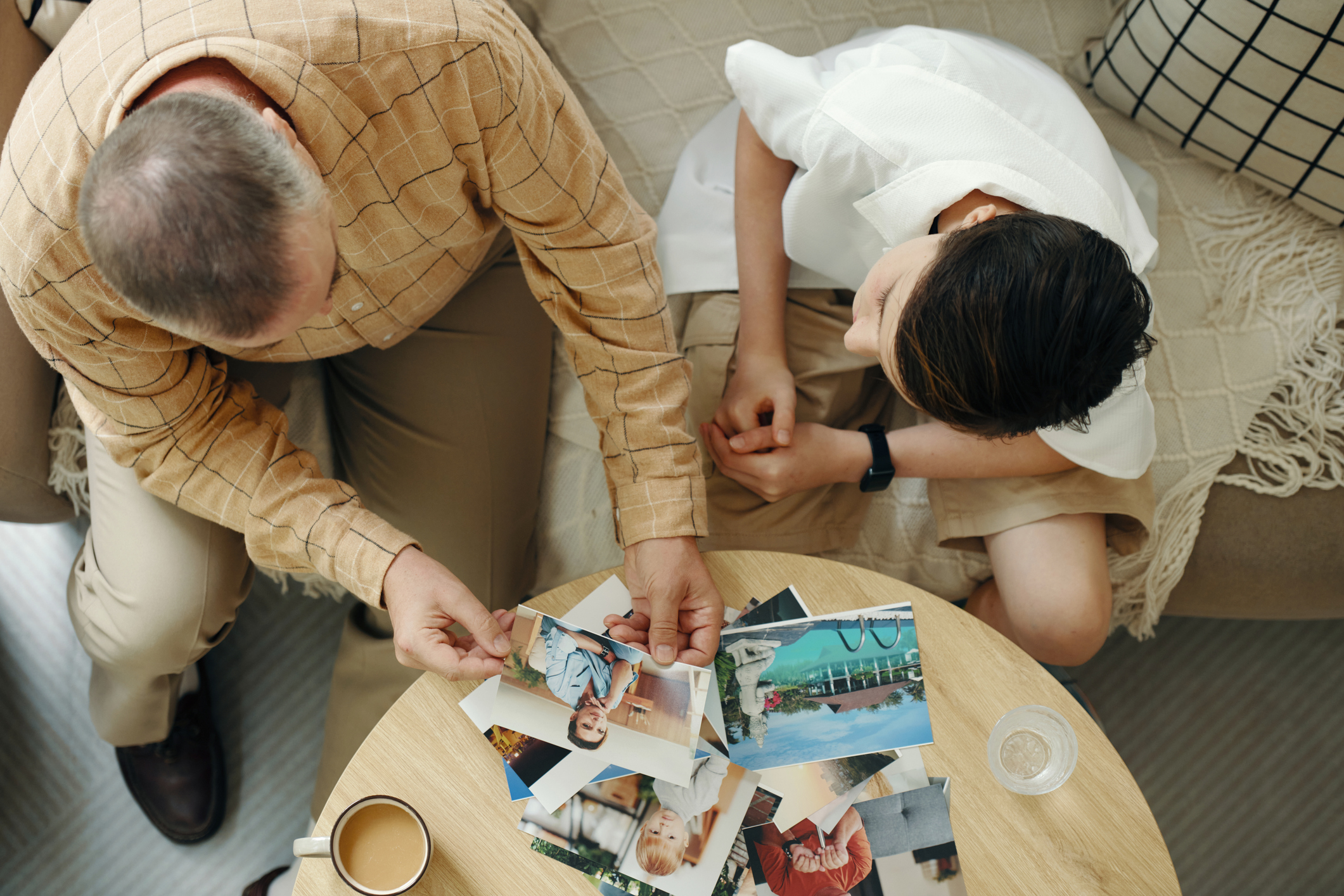
- Photos and albums
- Cards and letters
- Childhood toys
- Trophies or awards
- Family heirlooms
Focus on one category at a time. For instance, begin with old greeting cards, and sort them into “keep” or “discard” piles based on their significance.
By working in smaller sections, you keep the process manageable and ensure you don’t get bogged down emotionally or physically.
Set Boundaries to Control Clutter
One of the most important steps in decluttering sentimental items is setting clear limits on how much you’ll keep. Boundaries create accountability, making it easier to curate what you truly value while keeping your collection neat.
Physical boundaries, like a single storage box or one folder per category, help maintain order and prevent over-accumulation. If it’s full, reconsider whether the items inside bring true joy or can be thinned out.
Focus on What Truly Sparks Joy
When deciding what to keep, focus on items that bring joy or tell meaningful stories. Ask yourself:
- Does this item represent a significant memory?
- Does it still bring me happiness?
- Would I feel relieved or stressed by letting it go?
Items associated with guilt or obligation don’t need to stay in your home. It’s okay to honor the memory and move forward without holding onto the physical object.
For items you’re unsure about, take a picture. This allows you to digitally preserve the memory while letting go of the object.
Organize with Creative Systems
Creating thoughtful systems ensures your keepsakes stay organized and easy to access. After decluttering, assign items to specific storage solutions that match their size and purpose:
- Photos: Digitize old photographs and store originals in labeled, acid-free albums.
- Letters and Cards: Keep sentimental ones in a dedicated binder with clear sleeves, organized by recipient or occasion.
- Childhood Artwork or Toys: Choose the most special pieces to frame or display, and consider donating the rest.
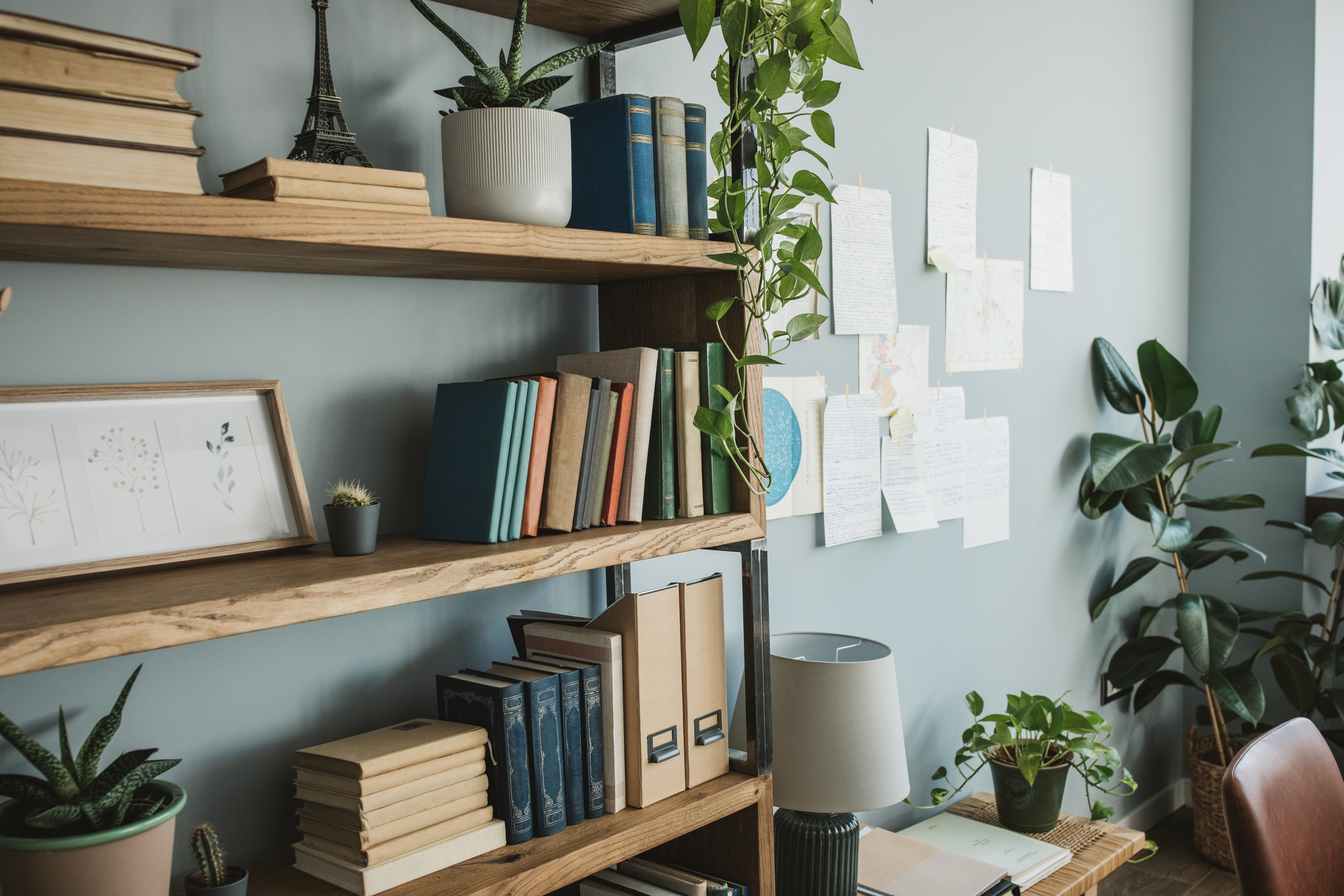
- Family Heirlooms: Display select items as decor while storing others neatly in labeled containers.
Clear systems make it easier to treasure your keepsakes instead of feeling burdened by them.
Preserve Memories Without Physical Clutter
If you’re hesitant to part with items, there are creative ways to preserve their sentimental value without keeping the object itself.
- Digital Archives: Scan photos, letters, and documents to save them electronically.
- DIY Crafts: Turn old T-shirts, quilts, or ticket stubs into unique keepsakes, such as a blanket or wall art.
- Memory Journals: Write down the story behind certain items in a scrapbook or journal so the memory lives on, even if the object doesn’t.
By turning memories into creative projects, you can honor the past while reducing physical clutter.
Donate or Repurpose Meaningful Items
Some items, while no longer significant to you, can bring joy or utility to others. Donating or gifting belongings allows you to give them a second life. Pass on heirlooms to family members who will cherish them. You can also donate old toys or baby clothes to local charities and pass books, art supplies, or knick-knacks to friends or neighbors with similar tastes.
Knowing your items are valued can make the process of letting go feel affirming rather than difficult.
Reflect and Celebrate Your Progress
Decluttering sentimental items can be a challenging emotional process, but it’s also a deeply rewarding one. Once you’ve curated and organized your collection, take a moment to reflect on what you’ve kept and why.
Memories don’t live in objects. They live in you. The belongings you’ve chosen to keep reflect the moments most meaningful to you without overwhelming your space.
Encourage Yourself Throughout
Decluttering sentimental items can be emotional, but it’s ultimately about creating a more peaceful and intentional environment for yourself. Keep reminding yourself that memories are within you, not in the object. Go step by step, take breaks as needed, celebrate your progress, and know that it’s okay to hold on to what truly matters to you.
Take this as your permission to make space for what’s meaningful and to release the rest with gratitude.
When you’re ready to find your dream home, visit us at SAHomebuilder.com or call 1-855-SAHome1 to explore a wide range of new home opportunities, including quick move-in homes. We proudly offer a diverse selection of new construction homes across Central and South-Central Pennsylvania. Whether you choose to settle in one of our vibrant communities or build on your own land, we’re here to help you find the perfect home that fits your vision.